
How Laser Cutting Machines Support Tooling, Prototyping, and Small-Batch Metal Production


Introduction: The Evolution of Modern Metal Fabrication
In the fast-paced world of industrial manufacturing, the ability to pivot quickly from a conceptual design to a physical product is the ultimate competitive advantage. For decades, traditional subtractive manufacturing methods like mechanical stamping and manual machining dominated the landscape. However, these methods often required expensive, time-consuming tooling setups that made small-batch production economically unviable. Today, HARSLE laser cutting machines have fundamentally changed this dynamic, offering unparalleled flexibility and precision.
The integration of fiber laser technology into the fabrication workflow has transformed how engineers approach tooling, prototyping, and low-volume production. By eliminating the need for physical dies and molds in the early stages of development, manufacturers can now iterate designs in hours rather than weeks. This article explores how laser cutting machines support tooling, prototyping, and small-batch metal production, providing a comprehensive look at why this technology is essential for modern metal fabrication shops.
As global supply chains demand shorter lead times and higher levels of customization, the reliance on versatile equipment has never been greater. HARSLE provides advanced laser solutions that cater to these specific needs, ensuring that whether you are a startup prototyping a new invention or an established firm producing specialized components, your production capabilities remain agile and efficient.
Understanding the synergy between laser cutting and rapid development is crucial for any shop looking to scale. This guide will delve into the technical advantages, strategic implementation, and long-term benefits of adopting laser technology for your fabrication facility.
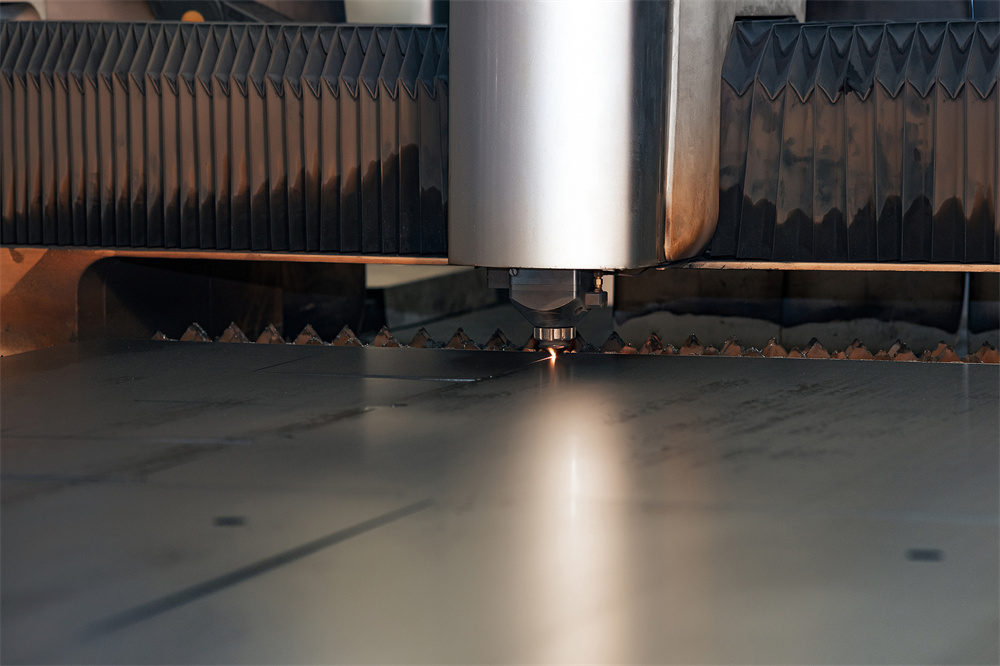
Key Considerations for Tooling and Prototyping
When transitioning from a digital CAD model to a physical prototype, the primary challenge is maintaining dimensional accuracy without incurring the high costs of hard tooling. Laser cutting machines solve this by utilizing a non-contact process that requires no physical contact with the workpiece, thereby eliminating tool wear and the need for expensive custom-made dies.
One of the most significant considerations is material versatility. Modern fiber lasers can process a wide range of metals, including stainless steel, carbon steel, aluminum, copper, and brass. This allows engineers to test prototypes in their final production materials, ensuring that the mechanical properties of the test piece accurately reflect the performance of the final product. HARSLE machines offer advanced gas control systems that optimize the cut quality for each specific material type.
Speed to market is another critical factor. In traditional manufacturing, creating a stamping die can take weeks or even months. With laser cutting, the ‘tooling’ is essentially the software program that guides the laser head. By simply uploading a DXF or DWG file, the machine is ready to cut in minutes. This agility allows for multiple design iterations in a single day, significantly accelerating the research and development cycle.
Finally, precision and edge quality are paramount. Laser cutting provides a clean, burr-free edge that often requires little to no secondary finishing. This is particularly important for prototypes that need to be assembled or tested immediately. By reducing the need for grinding, filing, or deburring, laser cutting streamlines the entire production workflow, allowing teams to focus on design validation rather than manual labor.
Technical Details: How Laser Cutting Machines Support Tooling, Prototyping, and Small-Batch Metal Production
The core of HARSLE’s laser technology lies in the fiber laser resonator, which generates a high-intensity beam of light focused through a lens onto the metal surface. This beam melts or vaporizes the material with extreme precision. For prototyping, this means that even the most intricate geometries—which would be impossible to achieve with traditional saws or shears—can be cut with ease.
The software integration is equally vital. HARSLE machines utilize advanced nesting software that optimizes material usage, which is a significant cost-saving factor in small-batch production. By arranging parts efficiently on a sheet of metal, the machine minimizes scrap, allowing shops to produce small quantities of parts without the high material waste associated with traditional cutting methods.
Another technical advantage is the heat-affected zone (HAZ). Because the laser beam is highly concentrated, the heat is localized, preventing the warping or distortion of the surrounding material. This is crucial for thin-gauge metals often used in prototypes. Maintaining the structural integrity of the material ensures that the prototype behaves exactly as intended during stress testing or assembly.
Furthermore, the repeatability of laser cutting machines is unmatched. Once a design is finalized, the machine can produce identical parts with a tolerance of ±0.05mm. This consistency is essential when moving from a prototype to a small-batch run, as it ensures that every piece fits perfectly into the final assembly, reducing the likelihood of production bottlenecks or quality control failures.

Consejos de selección: Elegir el equipo adecuado
Selecting the right laser cutting machine for your facility requires a careful assessment of your production goals. If your primary focus is rapid prototyping, look for a machine with a fast-switching nozzle system and high-speed acceleration. These features allow the machine to move quickly between different cutting tasks, maximizing throughput for diverse, low-volume jobs.
Consider the power output of the laser source. While high-power lasers (6kW and above) are excellent for thick plate production, lower-power lasers (1kW to 3kW) are often more than sufficient for prototyping and small-batch work involving thinner materials. HARSLE offers a range of power options, allowing you to tailor your investment to your specific operational needs without overspending on unnecessary capacity.
Automation is another factor that can significantly enhance small-batch production. Features like automatic pallet changers allow the machine to load and unload material while the laser continues to cut, minimizing downtime. For shops that handle a high variety of small jobs, an automated loading system can be the difference between a profitable operation and one that struggles with high labor costs.
Finally, evaluate the support and service infrastructure provided by the manufacturer. Laser cutting machines are sophisticated pieces of equipment that require regular maintenance and occasional software updates. Choosing a partner like HARSLE ensures that you have access to technical support, spare parts, and training, which are essential for maintaining high uptime and protecting your investment over the long term.
Buyer’s Checklist for Laser Cutting Machines
- Material Compatibility: Ensure the laser can handle the specific alloys and thicknesses you use most frequently.
- Software Integration: Check if the machine’s controller is compatible with your existing CAD/CAM software.
- Precision Requirements: Verify the positional accuracy and repeatability specifications.
- Maintenance Accessibility: Look for machines with modular designs that allow for easy access to critical components.
- Energy Efficiency: Modern fiber lasers are significantly more energy-efficient than older CO2 models; prioritize energy-saving features.
FAQ: Common Questions About Laser Cutting in Fabrication
Q: Can laser cutting machines replace traditional stamping for small batches?
A: Absolutely. For small batches, the cost of creating a stamping die is prohibitive. Laser cutting allows you to produce the same parts without the upfront tooling cost, making it the ideal solution for low-volume production.
Q: How does laser cutting affect the material properties?
A: Because the heat-affected zone is very small, the mechanical properties of the metal remain largely unchanged. This makes laser-cut parts suitable for structural applications.
Q: Is it difficult to learn how to operate a HARSLE laser cutting machine?
A: HARSLE machines are designed with user-friendly interfaces. While there is a learning curve for advanced nesting and optimization, most operators can become proficient with basic cutting tasks within a few days of training.
Q: What is the main advantage of fiber lasers over CO2 lasers?
A: Fiber lasers are faster, more energy-efficient, and require less maintenance because they have fewer moving parts and no mirrors to align. They are the industry standard for modern metal fabrication.
Conclusión: Invertir en el futuro de la fabricación
The ability to support tooling, prototyping, and small-batch metal production is no longer a luxury—it is a necessity for shops that want to remain relevant in an increasingly competitive market. HARSLE laser cutting machines provide the precision, speed, and flexibility required to turn complex ideas into reality with minimal waste and maximum efficiency.
By adopting this technology, fabricators can reduce their reliance on expensive, external tooling providers, shorten their development cycles, and offer their customers faster turnaround times. Whether you are looking to streamline your internal R&D process or expand your service offerings to include custom, small-batch manufacturing, a HARSLE laser cutting machine is a strategic investment that will pay dividends for years to come.
As you evaluate your production needs, remember that the right equipment is only half the battle. Partnering with a manufacturer that understands the nuances of industrial fabrication ensures that you have the support, technology, and expertise to push the boundaries of what is possible. Embrace the power of laser cutting and take your metal fabrication capabilities to the next level.


