Hydraulic Press Price Vs Performance: Which Model Offers Best Value?


Understanding the Hydraulic Press Price Vs Performance: Which Model Offers Best Value?
In the competitive landscape of modern metal fabrication, the decision to invest in new machinery is rarely straightforward. When evaluating the Hydraulic Press Price Vs Performance: Which Model Offers Best Value?, shop owners and procurement managers often find themselves caught between the allure of low-cost entry-level machines and the long-term reliability of premium industrial systems. At HARSLE, we understand that a hydraulic press is not merely an expense; it is the heartbeat of your production line. Achieving the right balance requires a deep dive into your specific operational needs, throughput requirements, and the total cost of ownership.
The market is flooded with options ranging from compact C-frame presses to massive four-column heavy-duty systems. A common mistake is prioritizing the initial purchase price over the machine’s capability to handle future production demands. A machine that is too cheap may lack the rigidity required for precision work, leading to high scrap rates and frequent downtime. Conversely, over-specifying a machine with features you will never utilize results in wasted capital. This guide aims to demystify the selection process, ensuring you make an informed investment.
Value is not defined by the lowest price tag, but by the machine’s ability to generate profit over its lifecycle. Factors such as energy efficiency, cycle speed, ease of maintenance, and the availability of spare parts play a critical role in determining the true value of your equipment. By analyzing the intersection of price and performance, you can identify the “sweet spot”—the model that provides the necessary force and precision without unnecessary overhead.
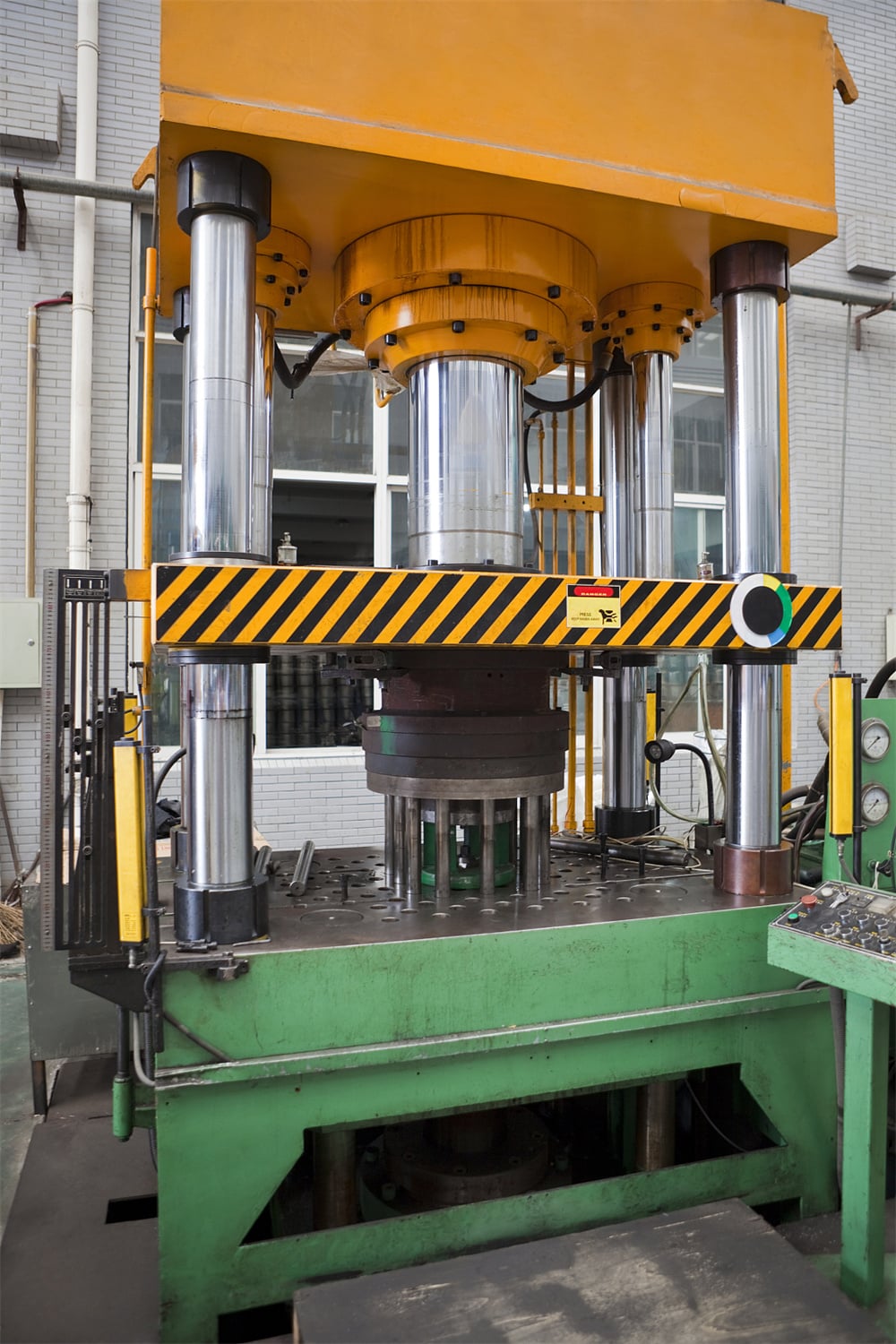
Price Range Overview: From Entry-Level to Industrial Grade
The pricing structure for hydraulic presses is tiered based on tonnage, control systems, and structural complexity. Entry-level models, typically ranging from 10 to 50 tons, are designed for small workshops or specific, low-volume assembly tasks. These machines often feature manual or semi-automatic controls and are priced competitively to attract small businesses. While these presses are affordable, they are often limited in their versatility and may lack advanced safety features or high-speed cycle capabilities.
Mid-range hydraulic presses, often falling between 60 and 200 tons, represent the most popular category for job shops. These machines offer a balance of power and flexibility, often equipped with programmable logic controllers (PLCs) and adjustable stroke lengths. The price point here reflects the inclusion of better hydraulic components, more robust frames, and improved user interfaces. For many businesses, this tier offers the best value, as it allows for a wide range of applications including bending, punching, and deep drawing.
High-end industrial presses, exceeding 300 tons, are engineered for continuous, high-speed production environments. These machines are built with heavy-duty steel frames, advanced servo-hydraulic systems, and sophisticated automation integration. The price for these units is significantly higher, but the performance metrics—such as cycle times, repeatability, and energy efficiency—are unmatched. When considering the Hydraulic Press Price Vs Performance: Which Model Offers Best Value?, it is essential to recognize that these machines are investments in long-term production capacity rather than simple tools.
Finally, custom-engineered solutions sit at the top of the price spectrum. These presses are tailored to specific manufacturing processes, such as hot forging or specialized composite molding. While the initial capital expenditure is substantial, the value is realized through the elimination of secondary processes and the reduction of labor costs. Understanding these tiers helps you categorize your needs and prevents you from overpaying for features that do not contribute to your specific production goals.
Main Cost Drivers in Hydraulic Press Manufacturing
Several technical factors dictate the final price of a hydraulic press. The most significant driver is the tonnage capacity. Higher tonnage requires thicker steel plates, larger hydraulic cylinders, and more powerful motors. Each increase in tonnage capacity exponentially increases the material and engineering costs, which is why it is vital to calculate your maximum force requirements accurately before purchasing.
The control system is another major cost driver. Basic presses use simple relay logic, which is inexpensive but lacks flexibility. Modern HARSLE presses utilize advanced CNC or PLC controllers that allow for precise control over pressure, speed, and stroke. These systems enable multi-stage pressing cycles and data logging, which are invaluable for quality control. While these systems add to the upfront cost, they significantly improve performance and reduce the risk of operator error.
Hydraulic components, including pumps, valves, and seals, represent the “internal” cost of the machine. High-quality, internationally recognized brands for these components ensure longevity and ease of maintenance. Cheaper, generic hydraulic components may lower the initial price but often lead to leaks, pressure drops, and premature failure. Investing in a machine with premium hydraulic components is a classic example of how higher initial costs lead to better long-term value.
Structural design and rigidity also influence the price. A C-frame press is generally more affordable but may suffer from deflection under heavy loads, affecting precision. A four-column or H-frame press provides superior stability and uniform pressure distribution, which is necessary for high-precision metal fabrication. The engineering required to minimize frame deflection is a hidden cost that separates high-performance machines from budget alternatives.
Configuration Impact: Customization vs. Standard Models
When evaluating Hydraulic Press Price Vs Performance: Which Model Offers Best Value?, you must consider the trade-off between standard “off-the-shelf” models and custom configurations. Standard models are mass-produced, which lowers the unit cost and ensures faster delivery times. They are perfect for general-purpose fabrication tasks where the requirements are well-defined and standard accessories are sufficient.
Custom configurations, however, allow you to optimize the machine for your specific workflow. This might include adding specialized tool clamping systems, light curtains for safety, or integrated cooling systems for high-duty cycles. While customization increases the price, it can drastically improve performance by reducing setup times and increasing throughput. If your production line involves complex parts that require frequent tool changes, the cost of a quick-change system is easily justified by the time saved.
Another configuration factor is the integration of automation. Adding a robotic arm or an automatic feeding system transforms a manual press into a semi-autonomous cell. This significantly increases the initial investment but offers a massive boost in performance and consistency. For high-volume production, the reduction in labor costs and the increase in output speed make this the most valuable configuration, even if the upfront price is higher.
It is also important to consider the “future-proofing” of your configuration. Does the machine have the capacity to be upgraded later? Some manufacturers offer modular designs where you can add features like digital readouts or advanced safety sensors as your business grows. Choosing a machine that can evolve with your needs is a strategic way to manage the price-to-performance ratio over the long term.
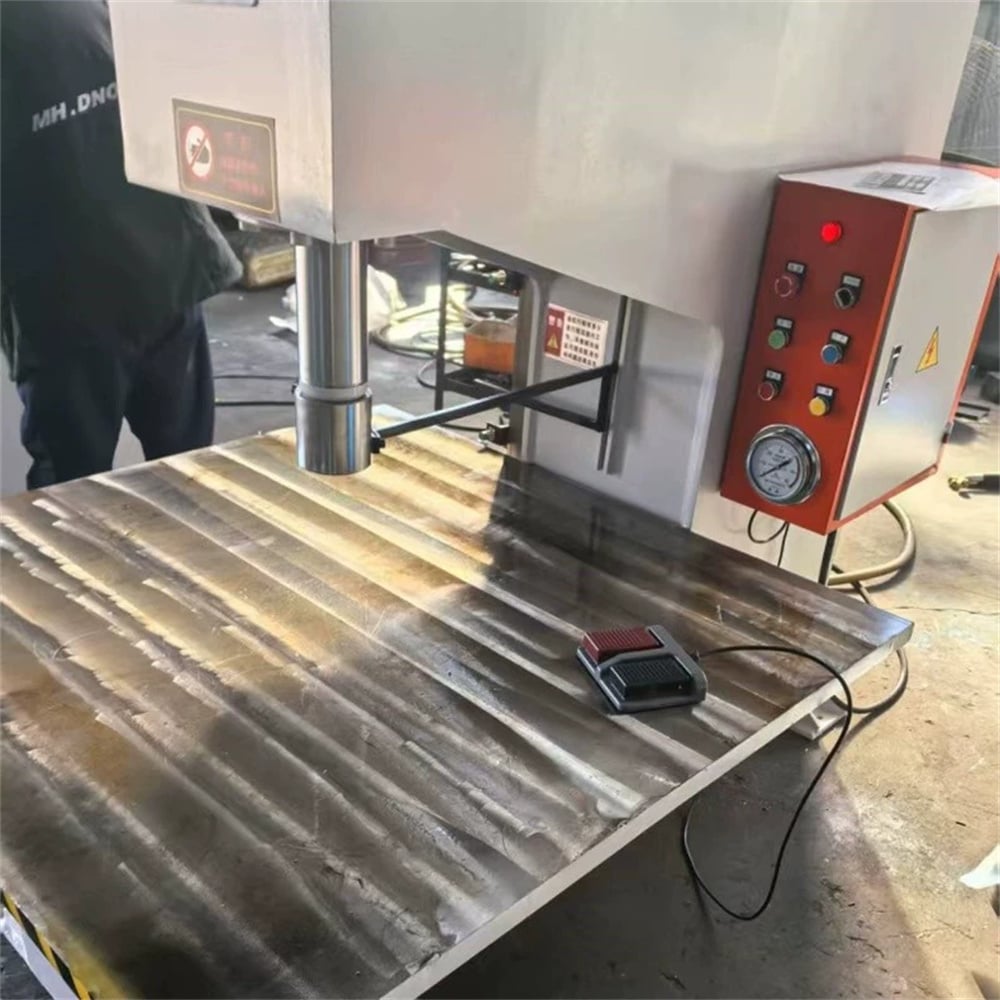
Hidden Costs: Beyond the Sticker Price
The purchase price is only the tip of the iceberg. When calculating the total cost of ownership, you must account for installation, training, and ongoing maintenance. Installation costs can be significant, especially if the machine requires a specialized foundation or high-voltage electrical upgrades. Always verify the installation requirements with the manufacturer before finalizing your purchase.
Training is another often-overlooked cost. A high-performance machine is only as good as the operator running it. Investing in professional training ensures that your team can utilize the machine’s full potential, reducing the risk of damage and maximizing output. Many manufacturers offer training packages that should be factored into your budget as a value-add rather than an expense.
Maintenance and spare parts availability are critical. A machine that is down for weeks waiting for a proprietary part from overseas is a liability, regardless of how low the initial price was. HARSLE emphasizes the importance of local support and the availability of standard, off-the-shelf components. When comparing models, ask about the typical lead time for critical spare parts and the availability of technical support.
Energy consumption is a hidden operational cost that adds up over time. Modern servo-hydraulic presses are significantly more energy-efficient than traditional constant-running hydraulic systems. While they may have a higher initial price, the savings on your monthly electricity bill can be substantial, especially in high-volume production environments. Always request energy efficiency data when comparing different models.
ROI Calculation: Making the Business Case
To determine the true value, you must calculate the Return on Investment (ROI). Start by estimating the annual production capacity of the machine. How many parts can it produce per hour? What is the expected scrap rate? By comparing these figures against your current costs, you can determine how quickly the machine will pay for itself.
Consider the labor savings. If a more expensive, automated press allows one operator to do the work of two, the labor savings alone can justify the price difference within a year or two. Additionally, consider the quality improvements. A more precise machine reduces the need for secondary finishing processes, saving time and material costs. These “hidden” savings are often the deciding factor in the Hydraulic Press Price Vs Performance: Which Model Offers Best Value? analysis.
Factor in the machine’s lifespan. A high-quality press might last 20 years, while a budget model might need replacement in 5 to 7 years. When you amortize the cost over the expected lifespan, the higher-priced machine often becomes the more economical choice. Use a simple formula: (Total Cost of Ownership) / (Expected Years of Service) = Annual Cost. This provides a clearer picture of the value than the sticker price alone.
Finally, consider the resale value. Well-maintained, reputable brands like HARSLE retain their value much better than generic or unknown brands. If you decide to upgrade or pivot your business model in the future, the ability to sell your used equipment for a significant portion of its original cost is a major financial advantage that should be part of your ROI calculation.
Buying Advice: A Checklist for Success
Before you commit to a purchase, follow this checklist to ensure you are getting the best value:
- Define your requirements: Clearly outline the maximum tonnage, bed size, and stroke length needed for your current and future projects.
- Evaluate the manufacturer: Research the company’s reputation, customer support, and history in the industry.
- Check the components: Ask for a list of key components (pumps, valves, PLC) and ensure they are from reputable brands.
- Request a demonstration: If possible, see the machine in action or ask for video evidence of it performing a task similar to yours.
- Review the warranty and support: Understand what is covered under the warranty and what the process is for requesting technical support.
- Consider the total cost: Factor in shipping, installation, training, and expected maintenance costs.
- Ask about automation: Determine if adding automation now or later will provide a better long-term return.
By following these steps, you move away from emotional buying and toward a data-driven decision. Remember that the goal is to find a machine that supports your growth, not one that limits it. A hydraulic press is a long-term partner in your fabrication business; choose one that aligns with your quality standards and production goals.
Frequently Asked Questions (FAQ)
1. Is it better to buy a used or new hydraulic press?
Buying new offers the benefit of the latest technology, full warranty, and reliable performance. Used presses can be cheaper, but they carry the risk of hidden mechanical issues and lack of support. For critical production, new is almost always the better value.
2. How do I know what tonnage I need?
Tonnage depends on the material type, thickness, and the length of the bend or the surface area of the punch. Consult with a HARSLE engineer to calculate the exact force required for your specific applications to avoid under- or over-specifying.
3. What is the difference between a C-frame and an H-frame press?
A C-frame press offers open access from three sides, making it ideal for manual loading and unloading. An H-frame (or four-column) press provides superior structural rigidity and is better suited for high-precision, heavy-duty applications where deflection must be minimized.
4. How often should I perform maintenance on my hydraulic press?
Regular maintenance should be performed according to the manufacturer’s schedule, typically every 500 to 1,000 operating hours. This includes checking hydraulic fluid levels, inspecting seals, and ensuring all safety sensors are functioning correctly.
5. Can I upgrade my press later?
Many modern presses are designed with modularity in mind. While you cannot easily increase the tonnage, you can often add accessories like light curtains, advanced controllers, or automated feeding systems to improve performance over time.
6. Why is energy efficiency important in a hydraulic press?
Energy costs are a significant part of the operational budget. Servo-hydraulic systems only consume power when the press is in motion, whereas traditional systems run the pump continuously. This can lead to energy savings of up to 50% or more.