Used Vs New Hydraulic Press Price: Which Is More Cost-Effective?


Price Range Overview: Understanding the Market Landscape
When navigating the metal fabrication industry, the decision between purchasing a brand-new hydraulic press and opting for a pre-owned unit is one of the most significant capital expenditure choices a business owner will make. The Used Vs New Hydraulic Press Price: Which Is More Cost-Effective? debate is not merely about the sticker price; it is about the total cost of ownership over the machine’s lifecycle. New hydraulic presses from reputable manufacturers like HARSLE typically command a premium due to the inclusion of the latest control systems, energy-efficient motors, and comprehensive manufacturer warranties.
On the other hand, the used market offers a wide spectrum of pricing. You might find older, mechanical-heavy presses for a fraction of the cost of a new machine. However, the price range for used equipment is highly volatile, depending on the machine’s age, brand reputation, maintenance history, and the level of technological obsolescence. A used press that requires a full CNC retrofit can quickly approach the price of a new, entry-level machine, effectively negating the initial savings.
For small to medium-sized enterprises, the entry-level price for a new hydraulic press might range from $20,000 to $100,000 depending on tonnage and bed size. Used machines can be found for as low as $5,000, but these often come with hidden risks. Understanding this price gap is the first step in determining which path aligns with your production requirements and financial health.
Ultimately, the price range is dictated by the complexity of the hydraulic system and the precision required for your specific applications. While a new machine provides a predictable cost structure, the used market requires a deep dive into the machine’s history. This guide will help you navigate these variables to ensure your investment yields the highest possible return.
Main Cost Drivers in Hydraulic Press Acquisition
Several factors influence the final price of a hydraulic press, whether you are buying new or used. Tonnage is the primary driver; the higher the force capacity, the more robust the frame and hydraulic components must be. A 500-ton press will naturally cost significantly more than a 50-ton unit due to the sheer volume of steel and the power of the hydraulic pump required to drive it.
Another major cost driver is the control system. Modern hydraulic presses utilize sophisticated PLC (Programmable Logic Controller) systems that allow for precise pressure control, stroke length adjustment, and multi-stage forming sequences. When buying used, you are often stuck with the legacy control system, which may be difficult to service or integrate with modern factory automation software. Upgrading these systems is a significant hidden cost that must be factored into your budget.
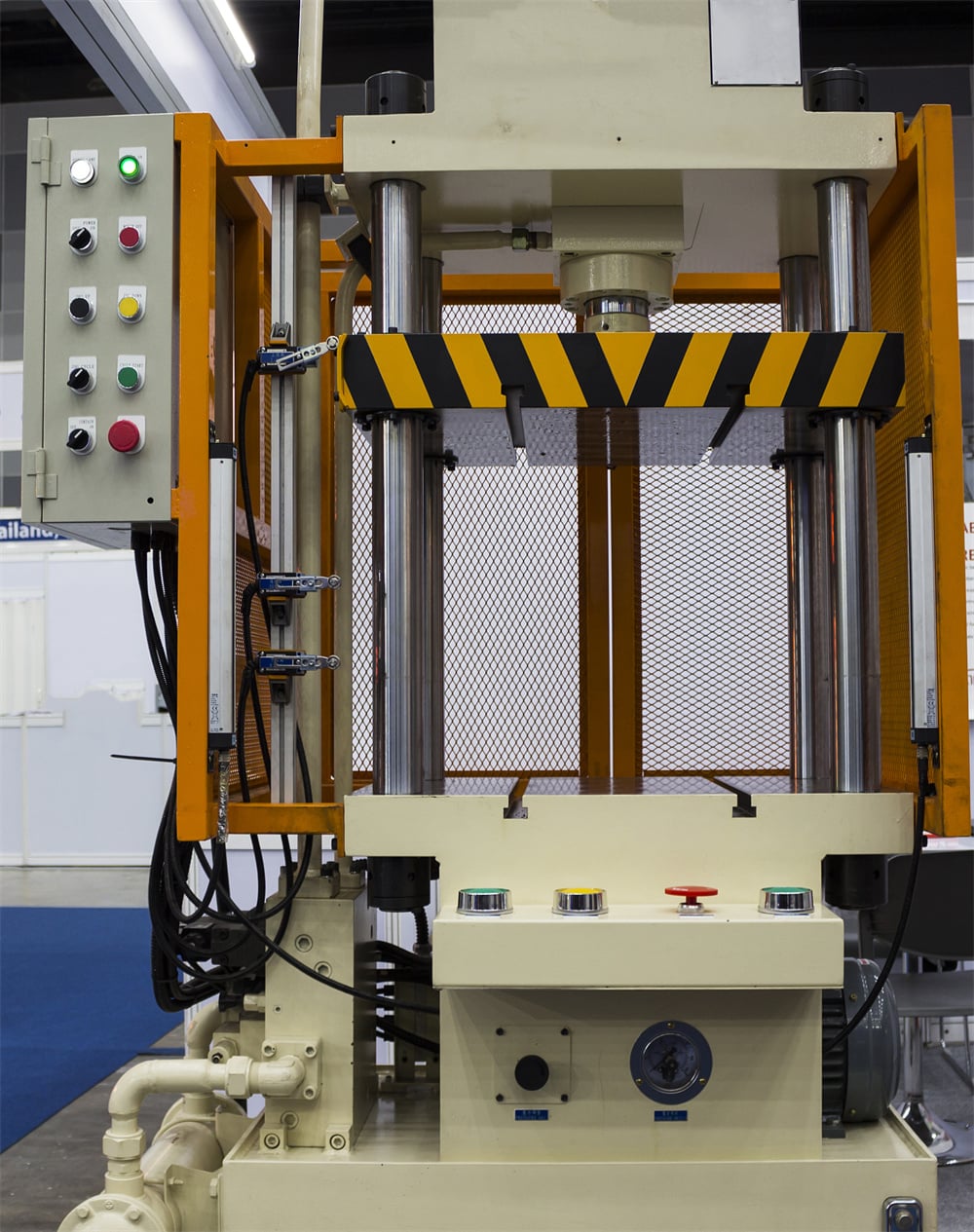
The frame design also plays a critical role. H-frame presses, C-frame presses, and four-column presses all have different manufacturing costs. C-frame presses are generally more affordable and offer better access to the work area, while four-column presses provide superior bed parallelism and are used for high-precision deep drawing. The rigidity of the frame directly impacts the longevity of the machine and the quality of the parts produced.
Finally, the hydraulic power unit (HPU) and the quality of the seals and valves are critical. High-end components from reputable brands ensure that the machine maintains pressure without leaks or drift. In the used market, these components are often the first to fail, leading to costly downtime and expensive repair parts that may no longer be in production.
Configuration Impact on Total Investment
The configuration of your hydraulic press determines its versatility and, consequently, its price. A standard, single-purpose press is significantly cheaper than a multi-functional machine equipped with die cushions, light curtains, and automated feeding systems. When evaluating the Used Vs New Hydraulic Press Price: Which Is More Cost-Effective? equation, you must consider whether the configuration of a used machine matches your current and future production needs.
New machines offer the advantage of custom configuration. You can specify the daylight opening, stroke length, and bed dimensions to fit your specific tooling. This customization minimizes waste and maximizes throughput. Conversely, when buying used, you are often forced to compromise on specifications, which can lead to inefficient production processes or the need for expensive modifications to make the machine fit your workflow.
Safety features are another critical configuration aspect. Modern hydraulic presses come equipped with advanced light curtains, dual-hand controls, and safety interlocks that meet current OSHA and international safety standards. Retrofitting an older, used press with these safety features is not only expensive but can be technically challenging, as the original electrical architecture may not support modern safety protocols.
Energy efficiency is an increasingly important configuration factor. Modern presses often feature variable frequency drives (VFDs) and servo-hydraulic systems that consume power only when the ram is moving. Older hydraulic presses typically run the pump motor continuously, leading to significant energy waste. Over a five-year period, the energy savings from a new, efficient press can often offset the higher initial purchase price compared to an older, power-hungry model.
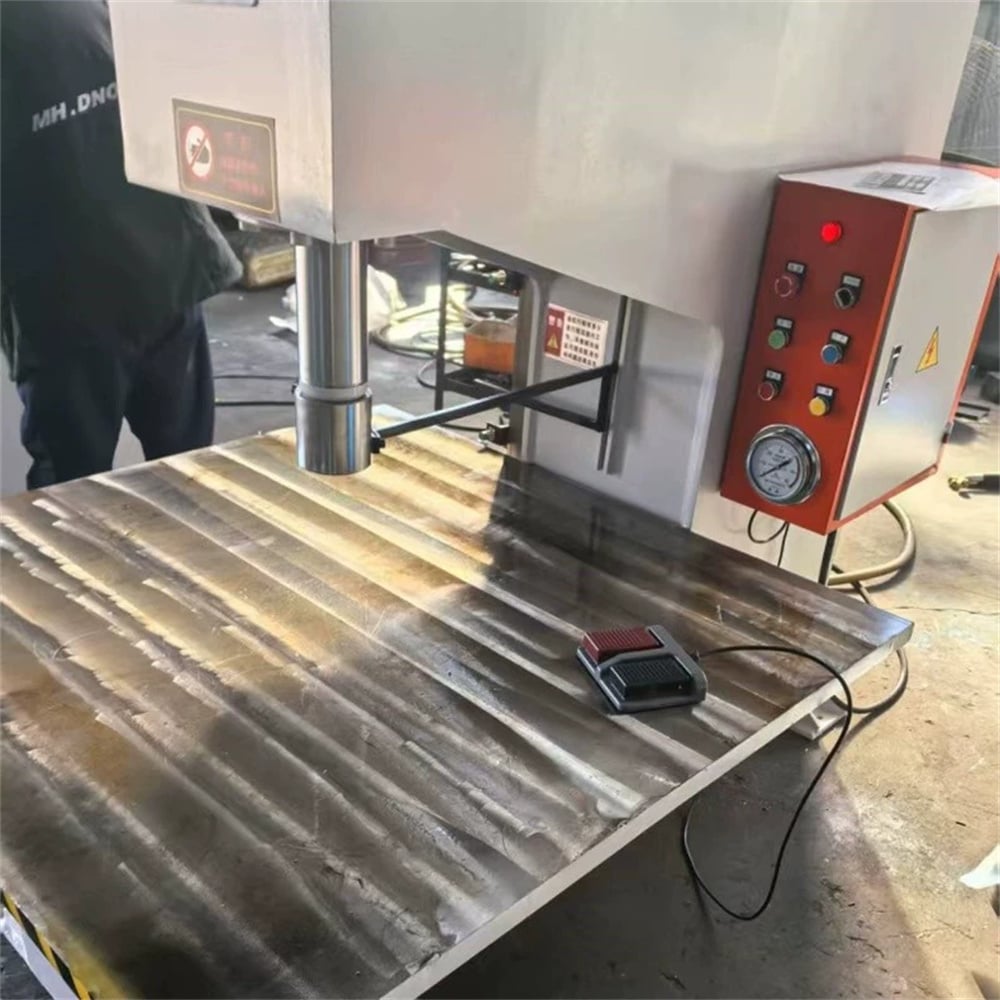
Hidden Costs: The “Cheap” Machine Trap
The most common mistake buyers make when comparing Used Vs New Hydraulic Press Price is ignoring the hidden costs associated with used machinery. A used press might have a low purchase price, but the cost of shipping, rigging, and installation can be substantial. Furthermore, if the machine requires a foundation upgrade or specialized electrical work, these costs can quickly mount.
Maintenance is the silent killer of the used machinery budget. Older machines often have worn-out hydraulic seals, leaking valves, and degraded electrical wiring. Sourcing replacement parts for discontinued models can be a nightmare, often requiring custom-machined components that cost significantly more than off-the-shelf parts for new machines. Downtime caused by these repairs can lead to missed production deadlines and lost revenue, which is a cost that is rarely factored into the initial purchase decision.
Training and integration are also hidden costs. Your operators may be familiar with modern interfaces, but learning to operate a 30-year-old machine with manual controls can be counter-intuitive and slow. Additionally, if the used machine cannot communicate with your existing ERP or production management software, you lose the ability to track efficiency and quality in real-time, which is a major disadvantage in today’s competitive manufacturing environment.
Finally, consider the resale value. A new, well-maintained hydraulic press from a reputable brand like HARSLE retains its value much better than an aging, obsolete machine. When you eventually decide to upgrade, a newer machine will be easier to sell or trade in, whereas an old, unreliable press may end up being sold for scrap value.
ROI Calculation: Making the Data-Driven Decision
To determine the true cost-effectiveness, you must perform a Return on Investment (ROI) calculation. Start by calculating the total cost of ownership (TCO) for both options. For a new machine, TCO = Purchase Price + Installation + Maintenance (estimated) + Energy Costs – Resale Value. For a used machine, TCO = Purchase Price + Shipping + Rigging + Retrofitting/Repairs + Higher Maintenance + Higher Energy Costs – Resale Value.
Once you have the TCO, calculate the annual production capacity. A new machine will likely have higher uptime, faster cycle times, and better precision, resulting in fewer rejected parts. If a new machine produces 15% more parts per hour with a 2% lower scrap rate, the increased revenue generated by the new machine can often pay for the price difference within 18 to 24 months.
Consider the tax implications as well. In many jurisdictions, new machinery qualifies for accelerated depreciation or tax credits, which can significantly reduce the net cost of the investment. Used equipment may not qualify for the same level of tax incentives, which is a factor that many buyers overlook when comparing the Used Vs New Hydraulic Press Price.
Finally, factor in the cost of risk. What is the cost of a machine failure during a peak production season? If your business relies on just-in-time delivery, the reliability of a new machine is an insurance policy against supply chain disruptions. The peace of mind that comes with a manufacturer warranty and technical support is a tangible asset that should be included in your ROI analysis.
Buying Advice: How to Choose the Right Path
If you are a startup with limited capital and a low-volume production requirement, a used hydraulic press might be a viable entry point. However, you must be diligent. Always inspect the machine under power. Check for hydraulic leaks, listen for unusual pump noises, and test the ram for parallelism. Ask for the maintenance logs and, if possible, have a qualified technician perform an inspection before you commit to the purchase.
If you are an established manufacturer looking to scale production or improve quality, a new hydraulic press is almost always the better investment. The ability to customize the machine to your specific needs, the integration of modern safety and control features, and the reliability of a new machine provide a competitive advantage that a used machine simply cannot match. Partnering with a manufacturer like HARSLE ensures that you have access to ongoing support, spare parts, and technical expertise.
When buying new, don’t just look at the price. Look at the total value proposition. Does the manufacturer offer training for your operators? Is there a local service network? What is the lead time for parts? These factors are just as important as the initial price tag. A slightly more expensive machine that comes with excellent support is often cheaper in the long run than a bargain-bin machine that leaves you stranded when something goes wrong.
Ultimately, the decision should be based on your long-term business strategy. If you plan to grow and modernize your facility, invest in new equipment. If you are filling a temporary gap or testing a new product line with uncertain volume, a used machine may be a safer short-term bet. Always keep the goal of sustainable, efficient production at the forefront of your decision-making process.
Frequently Asked Questions (FAQ)
1. Is it ever worth buying a used hydraulic press?
Yes, if you have a limited budget, a low-volume application, or if you have the internal expertise to refurbish and maintain older equipment. Always prioritize machines with readily available parts.
2. How much does a new hydraulic press cost compared to a used one?
A new press can cost 2x to 5x more than a used one, but the TCO is often lower due to energy efficiency, reduced maintenance, and higher productivity.
3. What are the most important things to check on a used press?
Check the hydraulic seals for leaks, the ram for parallelism, the condition of the electrical cabinet, and the availability of spare parts for the specific model.
4. Do new hydraulic presses really save money on energy?
Yes, modern presses with VFDs and servo-hydraulic systems can reduce energy consumption by 30-50% compared to older, constant-run hydraulic systems.
5. How long should a new hydraulic press last?
With proper maintenance, a high-quality hydraulic press from a manufacturer like HARSLE can provide 20+ years of reliable service.
6. Can I upgrade an old hydraulic press to modern standards?
Yes, you can retrofit old presses with new PLCs, safety light curtains, and VFDs, but the cost of these upgrades often approaches the price of a new, entry-level machine.