
Hydraulic Press Price Factors: Hydraulic System, Frame, and Controls Explained


Price Range Overview
Investing in a hydraulic press is a significant capital expenditure for any metal fabrication facility. Understanding the Hydraulic Press Price Factors Hydraulic System, Frame, Controls is essential for making an informed purchasing decision. Generally, industrial hydraulic presses can range from $20,000 for entry-level C-frame models to over $500,000 for high-tonnage, custom-engineered four-column production lines. This price variance is rarely arbitrary; it reflects the engineering precision, material quality, and technological sophistication integrated into the machine.
For small-scale workshops, the focus is often on versatility and affordability, leading to the selection of standardized machines. Conversely, high-volume automotive or aerospace manufacturers prioritize cycle times, repeatability, and structural longevity, which naturally drives the price upward. When evaluating quotes, it is critical to look beyond the base price and consider the total cost of ownership, including energy efficiency, maintenance requirements, and the expected lifespan of the equipment.
The market is segmented into several tiers: budget-friendly imported machines, mid-range reliable workhorses, and premium high-precision systems. HARSLE provides solutions across these segments, ensuring that whether you are performing simple bending or complex deep drawing, there is a configuration that aligns with your budgetary constraints and production requirements. Understanding these tiers helps in filtering out machines that may be under-engineered for your specific application.
Ultimately, the price of a hydraulic press is a reflection of its capability to maintain accuracy under load. A machine that costs 20% more might offer a 50% increase in structural rigidity or a 30% improvement in hydraulic efficiency. By analyzing the core components—the frame, the hydraulic system, and the control interface—buyers can better justify the investment and ensure the equipment provides a competitive advantage in the metal fabrication market.
Main Cost Drivers: The Structural Foundation
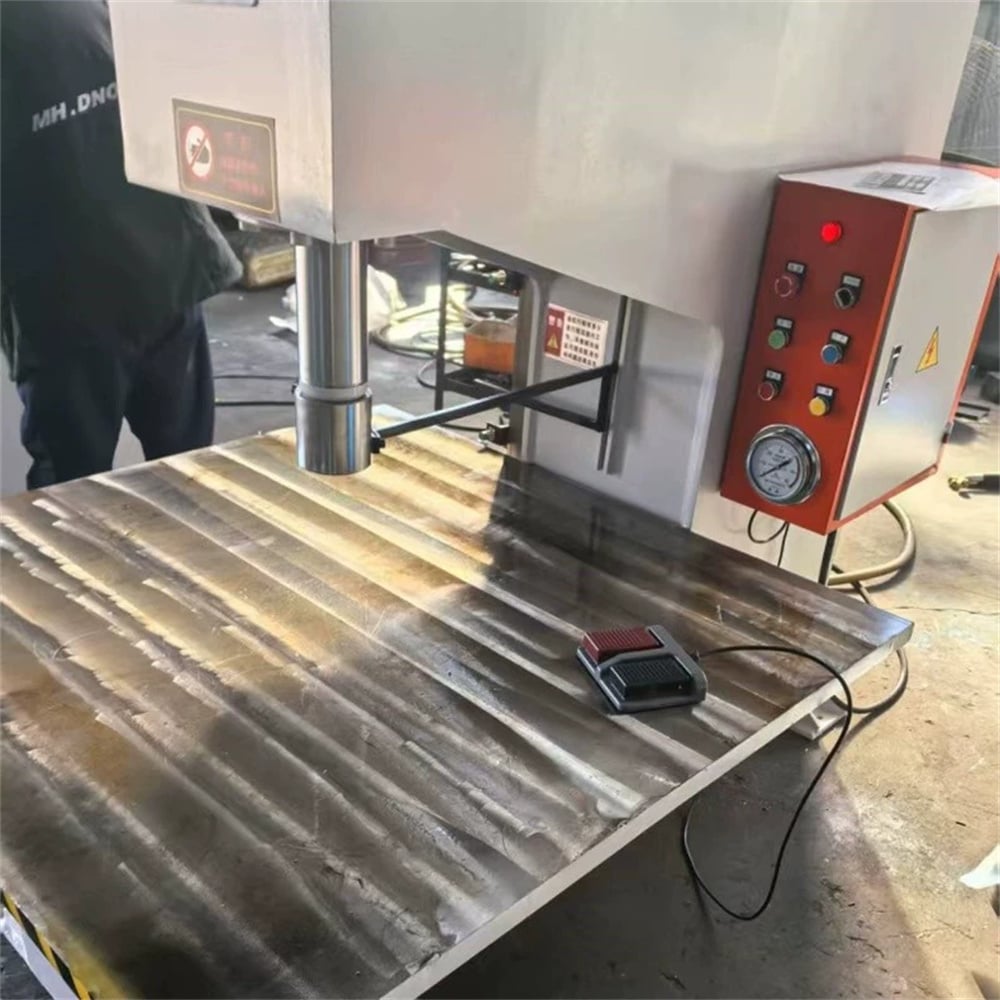
The frame is the backbone of any hydraulic press, and it is one of the most significant Hydraulic Press Price Factors Hydraulic System, Frame, Controls. The design—whether C-frame, H-frame, or four-column—dictates the machine’s rigidity and its ability to resist deflection under maximum tonnage. A frame that is not properly stress-relieved or is constructed from thinner steel plates will inevitably lead to part inaccuracies and premature mechanical failure.
High-quality frames undergo rigorous stress-relieving processes, such as thermal annealing or vibration aging, to ensure that the metal does not warp over time. This process adds to the manufacturing cost but is non-negotiable for high-precision applications. When comparing quotes, ask the manufacturer about the steel grade used and the welding standards applied. A robust frame is the primary determinant of the machine’s longevity and the consistency of the parts it produces.
The geometry of the frame also influences the price. A C-frame press, while offering excellent access to the work area, requires more material to achieve the same rigidity as a four-column press. Four-column designs are generally more expensive due to the complexity of ensuring perfect parallelism between the bed and the slide. However, they provide superior load distribution, which is critical for large-die stamping and deep drawing operations.
Furthermore, the bed and slide surfaces must be machined to tight tolerances. The cost of precision grinding and the integration of T-slots or bolster plates for die mounting contribute to the final price. A machine with a high-quality, ground-flat bed will save the operator significant time during setup and reduce the need for shimming, directly impacting the profitability of each production run.
Configuration Impact: The Hydraulic System
The hydraulic system is the heart of the press, and its configuration is a major factor in the Hydraulic Press Price Factors Hydraulic System, Frame, Controls. The quality of the pump, valves, and seals determines the machine’s speed, energy efficiency, and maintenance frequency. High-end systems often utilize variable displacement pumps or servo-hydraulic technology, which significantly reduce energy consumption compared to traditional fixed-displacement pumps.
Servo-hydraulic presses represent the pinnacle of current technology. By using a servo motor to drive the hydraulic pump, these machines can precisely control the flow and pressure of the hydraulic fluid. This results in quieter operation, faster cycle times, and extreme repeatability. While the initial investment for a servo-hydraulic system is higher, the long-term savings in electricity and the reduction in scrap rates often provide a rapid return on investment.
The choice of hydraulic components—valves, manifolds, and hoses—also impacts the price. Reputable brands like Bosch Rexroth or Parker are often specified in premium machines. These components are designed for millions of cycles and offer superior leak resistance. Cheaper alternatives may save money upfront but often lead to costly downtime and hydraulic fluid leaks that contaminate the shop floor and degrade the machine’s performance over time.
Thermal management is another critical aspect of the hydraulic system. High-performance presses require sophisticated cooling systems, such as oil-to-air or oil-to-water heat exchangers, to maintain optimal fluid viscosity. If the hydraulic oil overheats, it breaks down, leading to pump failure and erratic press behavior. Investing in a robust cooling system is a vital price factor that ensures the press remains operational during long, high-intensity production shifts.
Controls and Automation
Modern hydraulic presses are no longer just manual machines; they are sophisticated centers of production. The control system, ranging from simple PLC-based interfaces to advanced CNC controllers, is a critical component of the Hydraulic Press Price Factors Hydraulic System, Frame, Controls. Advanced controls allow for programmable stroke, pressure, and speed profiles, which are essential for complex metal forming tasks.
A high-quality controller provides the operator with real-time feedback on tonnage, position, and system health. It also allows for the storage of hundreds of job recipes, drastically reducing setup times when switching between different parts. The integration of touch-screen interfaces and intuitive software reduces the training burden on operators and minimizes the risk of human error, which is a significant hidden cost in many fabrication shops.
Safety integration is another major cost driver within the control system. Modern presses must comply with stringent safety standards, such as light curtains, dual-hand controls, and safety-rated PLC systems. These features are not just regulatory requirements; they are essential for protecting the workforce and reducing liability. While they increase the initial price, they are indispensable for a professional fabrication environment.
Connectivity and Industry 4.0 capabilities are becoming standard in premium presses. Features like remote diagnostics, data logging for quality control, and integration with factory-wide ERP systems allow managers to monitor machine performance from anywhere. While these features add to the cost, they provide invaluable insights into machine utilization and maintenance needs, helping to optimize the entire production process.
Hidden Costs and Total Cost of Ownership
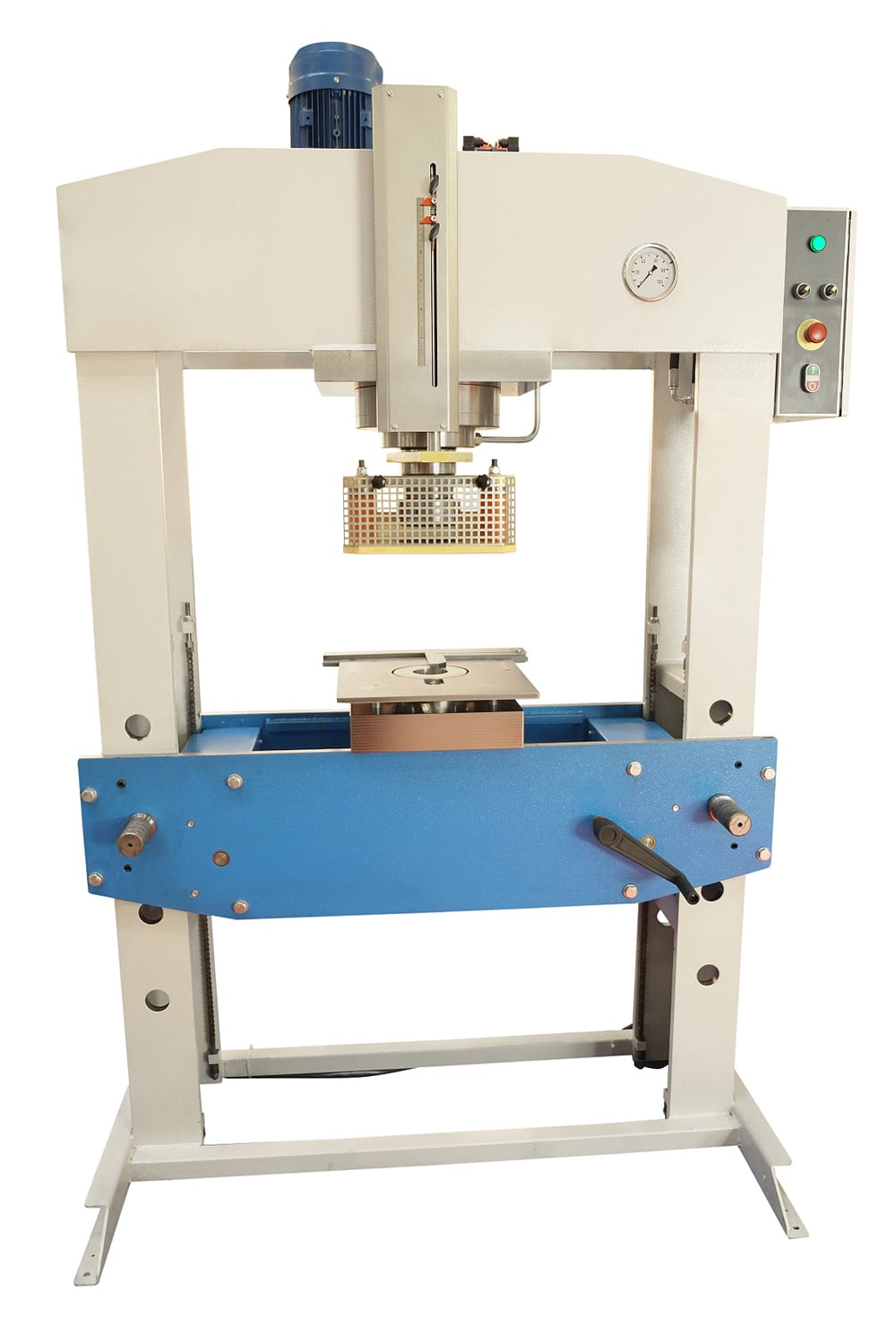
When evaluating the Hydraulic Press Price Factors Hydraulic System, Frame, Controls, it is easy to focus solely on the sticker price. However, the total cost of ownership (TCO) is a more accurate metric for business planning. Hidden costs often include shipping, installation, foundation preparation, and specialized tooling. A heavy-duty press may require a reinforced concrete foundation, which can be a significant unbudgeted expense.
Maintenance is another ongoing cost. Machines with proprietary, hard-to-source parts will cost more to maintain over their lifespan. HARSLE emphasizes the use of standardized, globally available components, which simplifies maintenance and reduces the cost of spare parts. Additionally, the ease of access to hydraulic manifolds and electrical cabinets can significantly reduce the time required for routine inspections and repairs.
Energy consumption is a major operational cost that is often overlooked. A press that runs 24/7 can consume a massive amount of electricity. Choosing a machine with energy-saving features, such as auto-standby modes or high-efficiency motors, can save thousands of dollars annually. When calculating the ROI, always factor in the projected energy savings over the expected 10- to 20-year lifespan of the machine.
Finally, consider the cost of training and technical support. A manufacturer that provides comprehensive training and responsive technical support is worth a premium. Downtime is the most expensive cost in manufacturing; having a partner who can provide quick troubleshooting and parts support is an insurance policy against lost production revenue.
ROI Calculation
To determine if a specific hydraulic press is a sound investment, you must perform a thorough ROI calculation. Start by identifying the throughput increase the new machine will provide. If the new press can produce parts 20% faster than your current equipment, calculate the value of that additional production capacity over the next five years.
Next, factor in the reduction in scrap rates. A more precise press with better control over tonnage and speed will produce more consistent parts, reducing the amount of wasted material and the labor time spent on rework. If your current scrap rate is 5%, and a new, more precise press can reduce that to 1%, the material and labor savings alone can often justify the investment.
Include labor savings in your calculation. Modern presses with quick-change die systems and intuitive controls can reduce setup times from hours to minutes. If your shop performs multiple changeovers per day, the labor savings are substantial. Multiply the time saved per day by the hourly rate of your operators to see the direct impact on your bottom line.
Finally, consider the tax benefits and depreciation. Many regions offer tax incentives for capital investments in manufacturing equipment. Consult with your accountant to understand how the purchase of a new hydraulic press can improve your company’s tax position. By combining these factors—increased throughput, reduced scrap, lower labor costs, and tax benefits—you can build a compelling business case for the investment.
Buying Advice
When you are ready to purchase, start by defining your specific requirements. Do not over-specify; buying a 500-ton press when you only need 100 tons is a waste of capital. However, do not under-specify either, as running a machine at its maximum capacity constantly will lead to premature wear. Aim for a machine that operates comfortably at 70-80% of its rated capacity for most of your jobs.
Request a detailed specification sheet and compare it against your production needs. Pay close attention to the daylight, stroke, and bed size. Ensure that the machine can accommodate your largest dies and that the stroke is sufficient for your deepest draws. If you are unsure, consult with the manufacturer’s engineering team; they can often provide custom modifications to suit your specific application.
Ask for references from other companies in your industry that are using the same model of press. Speaking with current users is the best way to understand the machine’s real-world performance, reliability, and the quality of the manufacturer’s support. A reputable manufacturer like HARSLE will be happy to provide case studies and testimonials.
Finally, negotiate the service contract and warranty terms. A standard one-year warranty is common, but extended warranties or service packages can provide peace of mind. Ensure that the contract includes provisions for on-site training for your operators and maintenance staff. A well-trained team will get the most out of the machine and ensure it remains in peak condition for years to come.
FAQ
What is the most important factor in hydraulic press pricing?
The most important factor is the intended application, which dictates the required tonnage, frame rigidity, and control sophistication. The Hydraulic Press Price Factors Hydraulic System, Frame, Controls are all interconnected; a machine built for high-precision aerospace parts will naturally cost more than a general-purpose shop press.
How does the hydraulic system affect long-term costs?
A high-quality hydraulic system with efficient pumps and reliable valves reduces energy consumption and maintenance frequency. Lower-quality systems are prone to leaks and overheating, which increase operational costs and lead to unplanned downtime.
Why is the frame design so critical?
The frame determines the machine’s structural integrity. A rigid, stress-relieved frame prevents deflection under load, ensuring that your parts are formed accurately every time. A weak frame will result in inconsistent parts and potential mechanical failure.
Are servo-hydraulic presses worth the extra cost?
For high-volume production or applications requiring extreme precision, yes. The energy savings, faster cycle times, and superior repeatability typically provide a strong ROI compared to traditional hydraulic systems.
How can I reduce the total cost of ownership?
Focus on energy efficiency, choose a machine with standardized components for easier maintenance, and ensure your operators are properly trained. Regular preventative maintenance is the single most effective way to extend the life of your press and minimize repair costs.


