Best Industry Applications for CNC Punching Machines in Sheet Metal Work


Introduction to CNC Punching Technology
Among the various technologies available, the CNC punching machine stands out as a cornerstone of efficiency. Understanding the best industry applications for CNC punching machines in sheet metal work is essential for manufacturers looking to optimize their production lines and achieve superior output quality. KAVDO provides advanced solutions that cater to these diverse industrial needs, ensuring that every punch is executed with pinpoint accuracy.
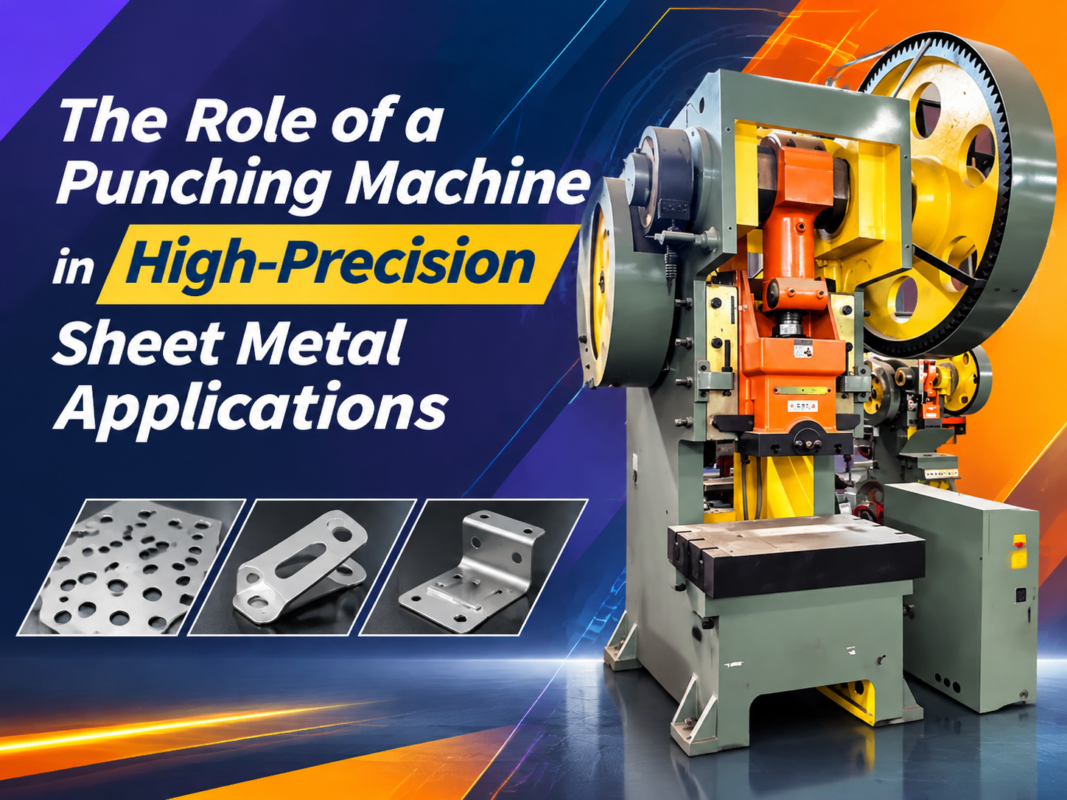
CNC punching machines utilize a computer-controlled turret or tool changer to perform complex operations on sheet metal, including punching, forming, embossing, and tapping. Unlike traditional manual methods, these machines offer unparalleled repeatability, making them the preferred choice for high-volume production environments. By integrating sophisticated software with robust mechanical design, KAVDO machines empower fabricators to handle intricate geometries and tight tolerances with ease.
The versatility of these machines allows them to serve a wide array of sectors, from automotive and aerospace to electronics and construction. As industries evolve, the role of the CNC punching machine has shifted from simple hole-making to complex, multi-stage fabrication processes. This article explores the technical nuances, strategic applications, and selection criteria that define the best industry applications for CNC punching machines in sheet metal work.
By leveraging the capabilities of modern CNC technology, businesses can significantly reduce material waste and labor costs. The ability to nest parts efficiently on a single sheet of metal is a primary advantage that drives the adoption of this technology. As we delve deeper into the specific applications, it becomes clear why KAVDO remains a leader in providing high-performance metal fabrication equipment for global markets.
Key Considerations for Industrial Applications
When evaluating the best industry applications for CNC punching machines in sheet metal work, several critical factors must be considered. First and foremost is the material type and thickness. CNC punch presses are highly effective for mild steel, stainless steel, and aluminum, but the machine’s tonnage capacity must be matched to the material’s shear strength. KAVDO machines are engineered to handle a wide range of gauges, providing the flexibility needed for diverse project requirements.
Production volume is another decisive factor. CNC punching is most cost-effective for medium to high-volume production runs where the initial setup time is amortized over thousands of parts. For prototyping or extremely low-volume work, other technologies like laser cutting might be considered, but for repetitive patterns and standard hole configurations, the punching machine remains unmatched in speed and cost-per-part efficiency.
Tooling management is a vital consideration in the operational workflow. The ability to use a wide variety of standard and custom tools allows for complex features like louvers, bridge lances, and countersinks to be formed in a single setup. Proper maintenance of these tools is essential to ensure long-term performance and prevent burr formation on the workpiece. KAVDO provides comprehensive support for tooling integration, ensuring that your machine is always optimized for the task at hand.
Finally, the integration of automation is a growing trend in the industry. Loading and unloading systems, as well as automatic tool changers, can transform a standalone punching machine into a fully autonomous production cell. This reduces the need for manual intervention, minimizes human error, and allows for 24/7 operation. Manufacturers must assess their floor space and workflow requirements to determine the level of automation that best fits their operational goals.
Technical Details and Operational Excellence
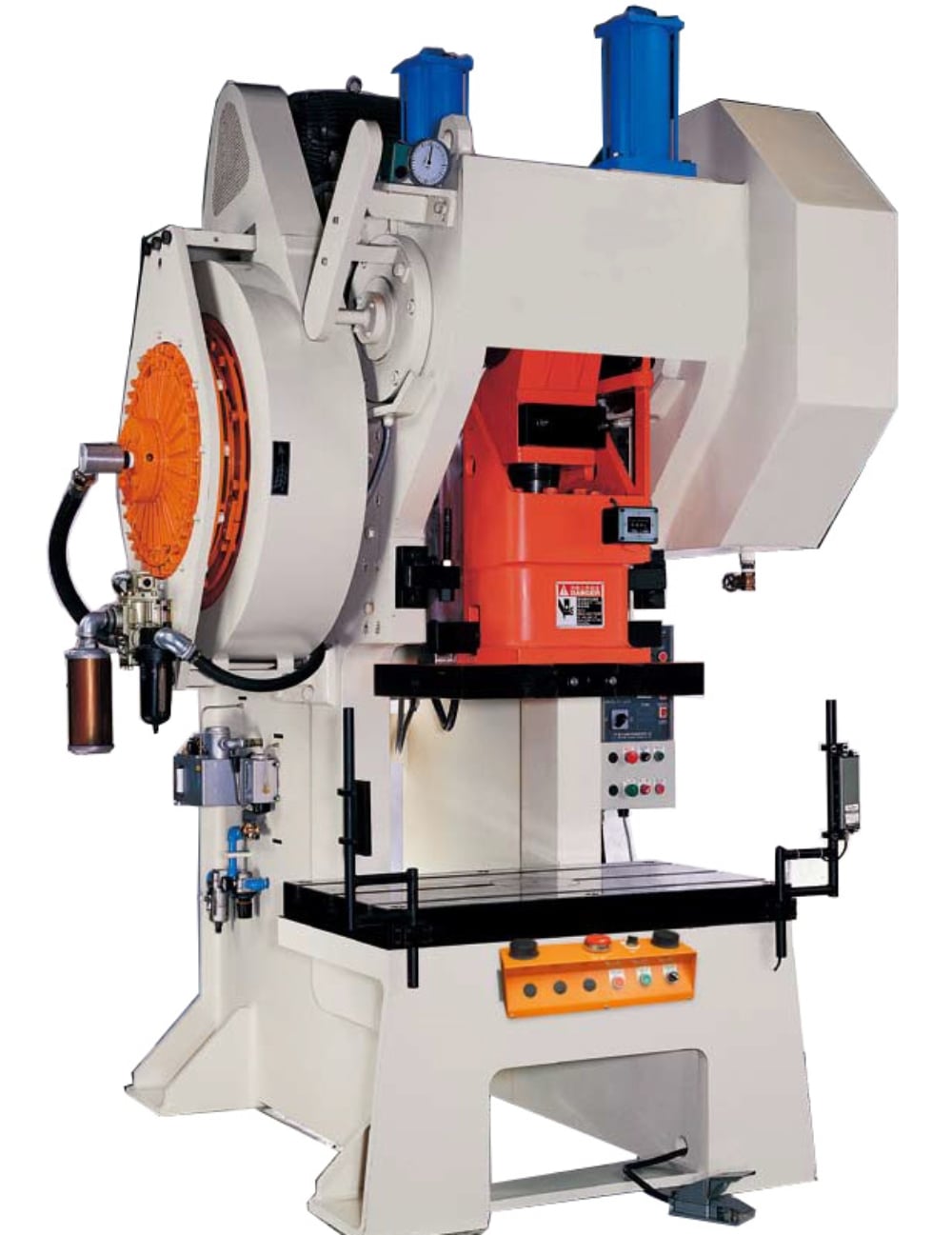
The technical prowess of a CNC punching machine lies in its drive system and turret configuration. Modern machines typically utilize hydraulic or servo-electric drives. Servo-electric systems, in particular, offer significant energy savings and faster stroke rates, making them ideal for high-speed production environments. KAVDO’s range of punching machines incorporates state-of-the-art drive technology to ensure consistent force application and precise positioning.
The turret design is equally important. A thick turret configuration provides better tool guidance and stability, which is crucial for maintaining accuracy during heavy-duty punching operations. The number of stations in the turret determines the machine’s versatility; a higher number of stations allows for more complex parts to be produced without the need for manual tool changes, thereby reducing downtime and increasing overall throughput.
Software integration is the brain of the operation. Modern CNC punching machines utilize advanced CAD/CAM software to optimize tool paths, minimize scrap, and manage turret loading. This software allows operators to simulate the punching process before a single sheet is processed, identifying potential collisions or inefficiencies. KAVDO provides intuitive control interfaces that simplify the programming process, allowing even complex designs to be executed with minimal training.
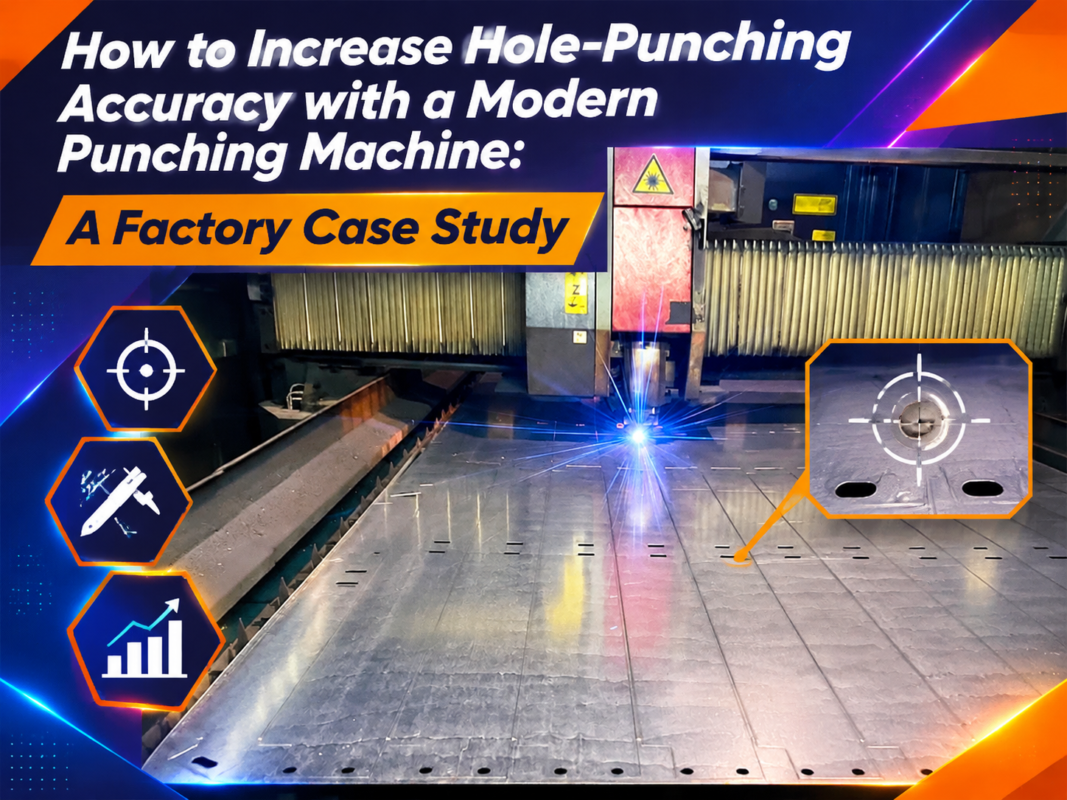
Precision is maintained through high-quality ball screws and linear guides, which ensure that the sheet is moved with micron-level accuracy. Furthermore, the clamping system must be robust enough to hold the sheet securely during high-speed movements. KAVDO’s clamping mechanisms are designed to prevent sheet slippage and minimize dead zones, maximizing the usable area of the metal sheet and reducing material waste.
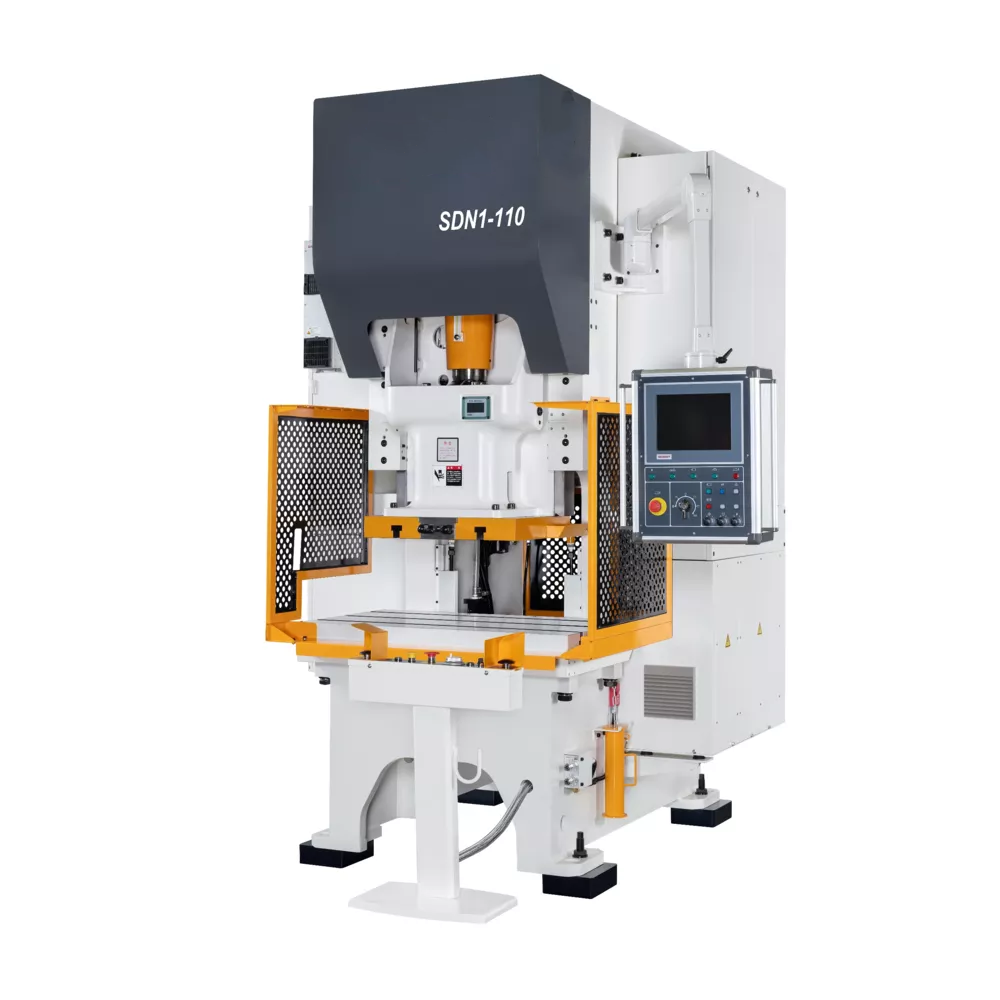
Best Industry Applications for CNC Punching Machines in Sheet Metal Work
The automotive industry is perhaps the most prominent user of CNC punching technology. From chassis components to brackets and interior panels, the ability to produce consistent, high-quality parts at scale is essential. CNC punching allows for the rapid creation of mounting holes, ventilation slots, and structural features that are critical to vehicle assembly. KAVDO machines are widely used in automotive supply chains to meet the rigorous standards of the industry.
In the electronics and telecommunications sector, CNC punching machines are indispensable for manufacturing enclosures, server racks, and control panels. These applications often require high precision and the ability to form complex shapes, such as louvers for airflow and grounding points for electrical safety. The speed of the punching process ensures that manufacturers can keep up with the fast-paced demand for new hardware and infrastructure components.
The construction and HVAC industries rely heavily on CNC punching for the production of ductwork, metal roofing, and structural connectors. The ability to punch large sheets of galvanized steel or aluminum with specific patterns for airflow or structural integrity makes these machines a staple in fabrication shops. KAVDO’s equipment is designed to withstand the demanding environments of these industries, offering reliability and long service life.
Furniture manufacturing and architectural metalwork also benefit significantly from CNC punching. Whether it is creating decorative patterns on metal panels or punching holes for assembly in modular furniture, the flexibility of the turret punch allows for creative designs to be realized efficiently. The ability to switch between different tool sets quickly means that manufacturers can offer a wider variety of products without significant retooling costs.
Selection Advice for Fabricators
Choosing the right CNC punching machine requires a careful assessment of your current and future production needs. Start by analyzing your product mix: are you producing large, simple panels or small, intricate parts? If your work involves a high variety of hole sizes and shapes, a machine with a large turret capacity is essential. Conversely, if you focus on high-volume, standardized parts, a machine with a smaller but faster turret might be more efficient.
Consider the total cost of ownership, which includes not just the purchase price, but also energy consumption, maintenance costs, and the availability of spare parts. KAVDO is committed to providing machines that offer a balance of performance and affordability, backed by a global service network. Investing in a reputable brand ensures that you have access to technical support and training when you need it most.
Evaluate the software compatibility. Your CNC machine should integrate seamlessly with your existing CAD/CAM workflow. If your team is already proficient in a specific software suite, ensure that the machine’s controller supports it or that the manufacturer provides a robust post-processor. KAVDO’s controllers are designed for compatibility, making the transition to new equipment as smooth as possible.
Finally, consider the potential for future upgrades. As your business grows, your requirements may change. Opting for a machine that supports modular upgrades—such as adding an automatic loading system or an extra tool station—can provide long-term value. By planning for scalability, you ensure that your investment remains relevant and productive for years to come.
Foire aux questions (FAQ)
What are the primary benefits of using a CNC punching machine over a laser cutter?
While laser cutters are excellent for complex contours, CNC punching machines are significantly faster for repetitive hole patterns and forming operations like louvers or countersinks. They are also more energy-efficient for high-volume production.
À quelle fréquence devrais-je effectuer la maintenance de ma machine à poinçonner KAVDO ?
Regular maintenance should be performed according to the manufacturer’s schedule, typically involving daily checks of lubrication levels, weekly cleaning of the turret, and monthly inspections of the hydraulic or servo systems to ensure peak performance.
Une machine de poinçonnage CNC peut-elle traiter différents types de métaux ?
Yes, CNC punching machines can process a wide variety of metals, including mild steel, stainless steel, aluminum, and copper, provided the machine’s tonnage is sufficient for the material’s thickness and shear strength.
What is the advantage of a servo-electric drive system?
Servo-electric drives offer higher energy efficiency, lower noise levels, and faster stroke rates compared to traditional hydraulic systems, leading to lower operating costs and higher productivity.
How does KAVDO support its customers after the purchase?
KAVDO provides comprehensive after-sales support, including remote technical assistance, on-site installation and training, and a readily available supply of spare parts to minimize downtime for our clients.
Conclusion
The best industry applications for CNC punching machines in sheet metal work are defined by the need for speed, precision, and versatility. From the automotive assembly line to the production of custom architectural features, these machines provide the backbone for modern metal fabrication. By understanding the technical requirements and selecting the right equipment from a trusted partner like KAVDO, manufacturers can unlock new levels of efficiency and profitability.
As technology continues to advance, the integration of automation and smart software will only increase the capabilities of CNC punching machines. Staying informed about these developments and investing in high-quality, reliable equipment is the key to maintaining a competitive edge in the global market. Whether you are a small job shop or a large-scale manufacturer, KAVDO is dedicated to providing the tools and expertise you need to succeed in the demanding world of sheet metal fabrication.