Common Punching Machine Problems and Preventive Maintenance Solutions: A Comprehensive Guide


The Critical Importance of Punching Machine Maintenance
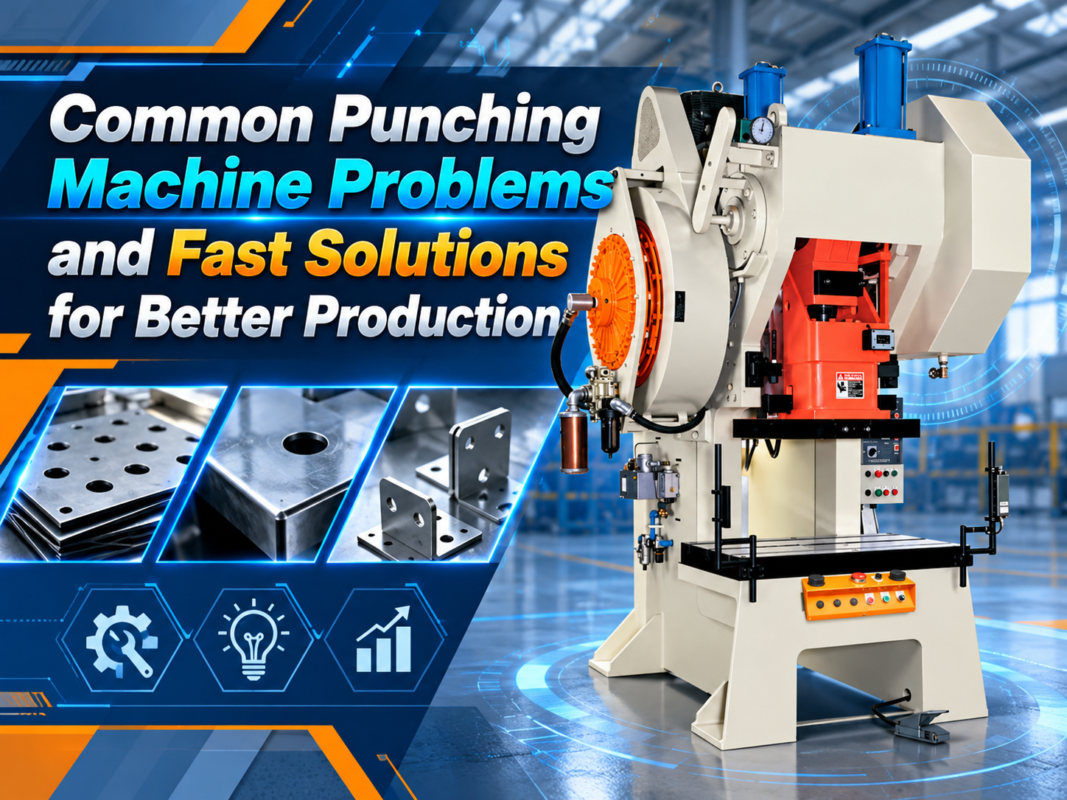
In the high-stakes world of metal fabrication, the punching machine serves as the backbone of production efficiency. Whether you are operating a high-speed CNC turret punch or a robust hydraulic punching station, the reliability of your equipment directly dictates your bottom line. Neglecting routine care leads to catastrophic downtime, expensive repairs, and compromised product quality. Understanding common punching machine problems and preventive maintenance solutions is not just a technical necessity; it is a strategic business advantage.
Preventive maintenance is the proactive practice of inspecting, cleaning, and servicing machinery before a failure occurs. By adhering to a structured maintenance protocol, fabricators can extend the lifespan of their equipment by years, reduce energy consumption, and ensure that every punch meets precise tolerance requirements. A well-maintained machine operates smoother, quieter, and with significantly fewer scrap parts, directly contributing to a higher return on investment for your HARSLE equipment.
Furthermore, safety remains the paramount concern in any industrial environment. A machine that is not properly maintained is a machine that poses risks to the operator. Worn-out seals, frayed electrical wiring, or dull tooling can lead to unpredictable machine behavior. By implementing the strategies outlined in this guide, you create a safer shop floor environment, fostering a culture of excellence and operational discipline that attracts high-quality clients and skilled labor.
Finally, consider the long-term cost of reactive maintenance. When a machine breaks down unexpectedly, you are forced to pay for emergency technician visits, expedited shipping for spare parts, and the opportunity cost of idle production lines. In contrast, preventive maintenance allows you to schedule downtime during non-peak hours, ensuring that your production schedule remains uninterrupted and your delivery commitments to customers are consistently met.
Daily Inspection Protocols for Punching Machines
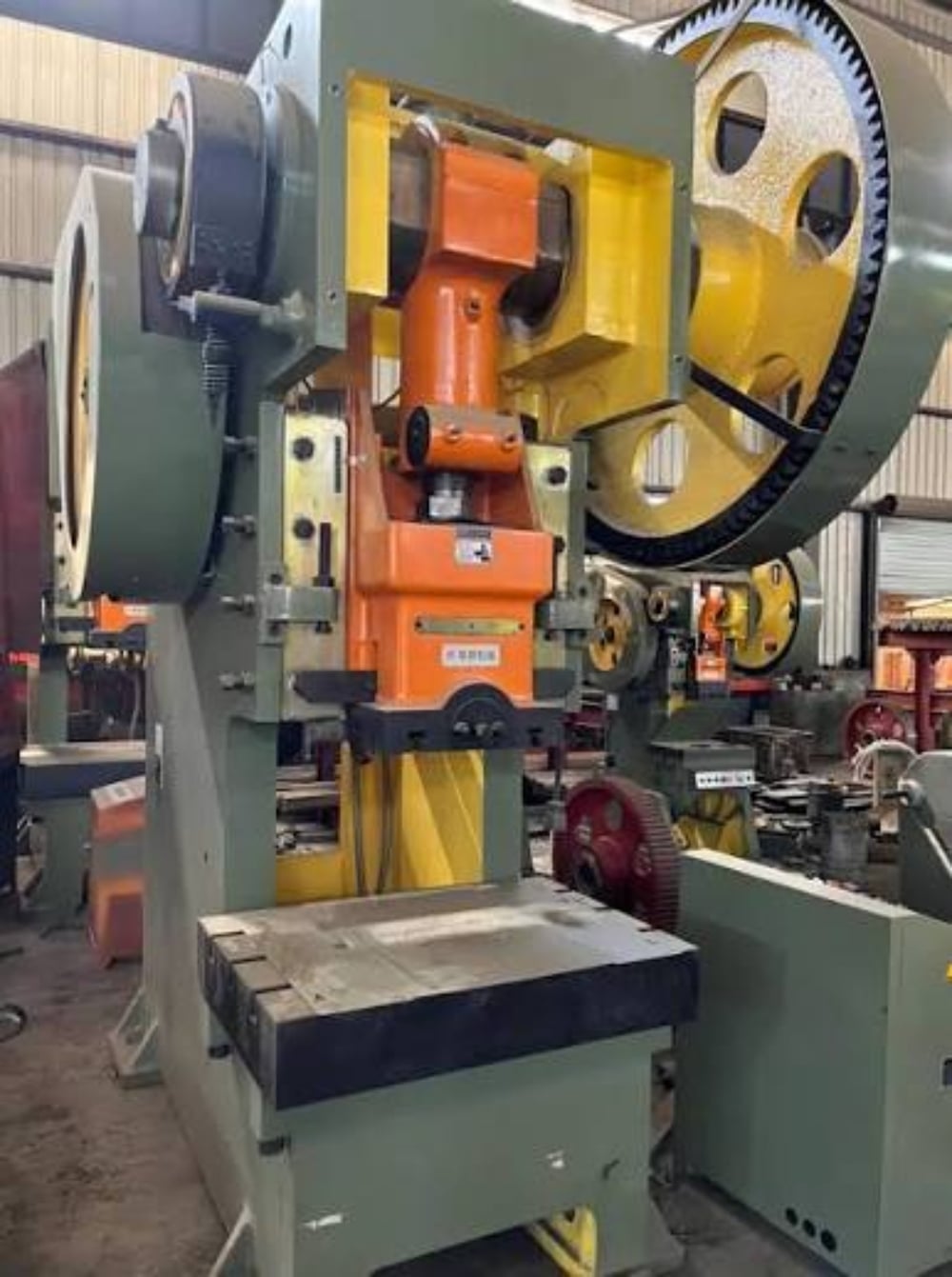
The foundation of any successful maintenance program is the daily inspection. Before the first shift begins, operators should perform a ‘walk-around’ to identify any immediate issues. This includes checking for visible oil leaks, loose bolts, or unusual debris accumulation around the die set and turret. A clean machine is easier to inspect, so ensure that the work area is cleared of metal shavings and dust at the end of every shift.
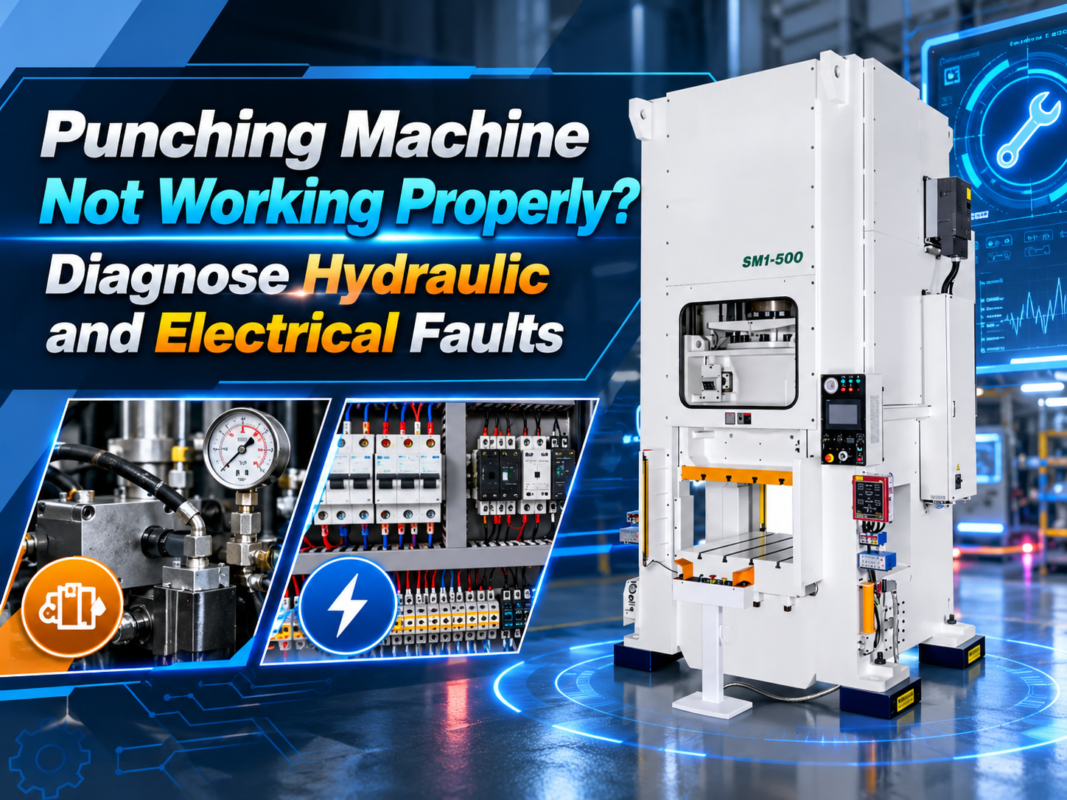
Check the hydraulic fluid levels and pressure gauges daily. If the pressure fluctuates during idle time, it may indicate a leak in the hydraulic circuit or a failing pump. Additionally, verify that all emergency stop buttons are functional and that safety light curtains or guards are properly aligned. These safety features are your first line of defense and should never be bypassed or ignored.
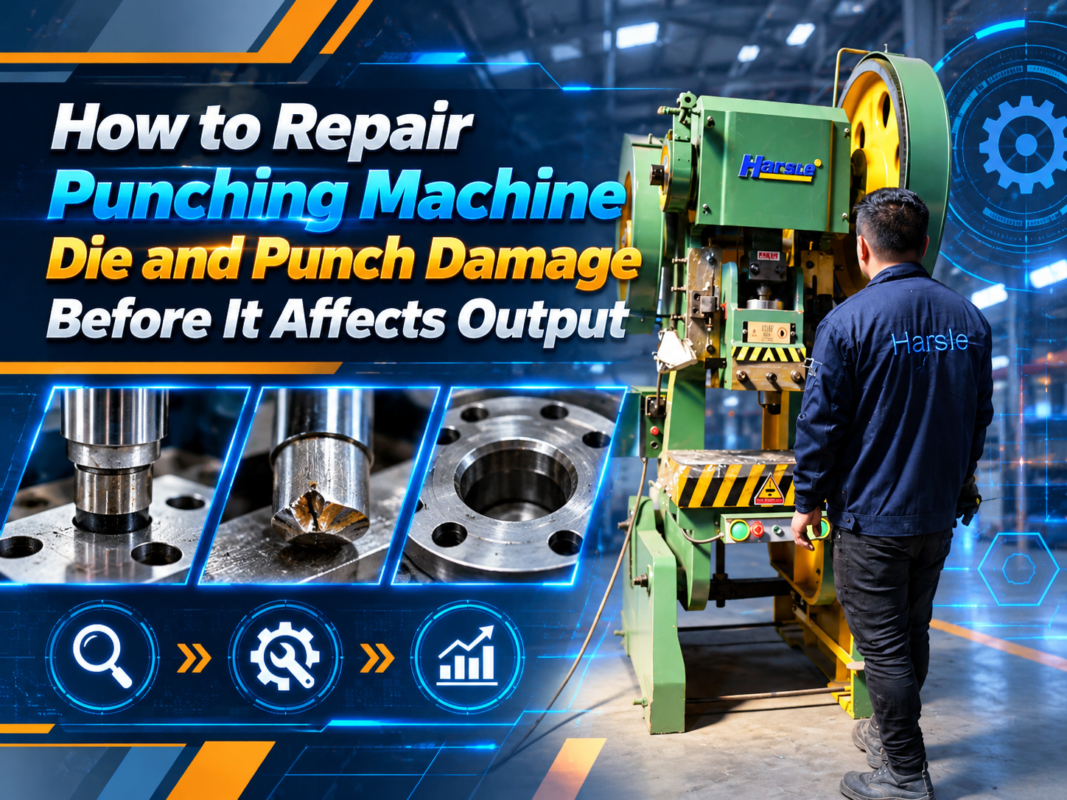
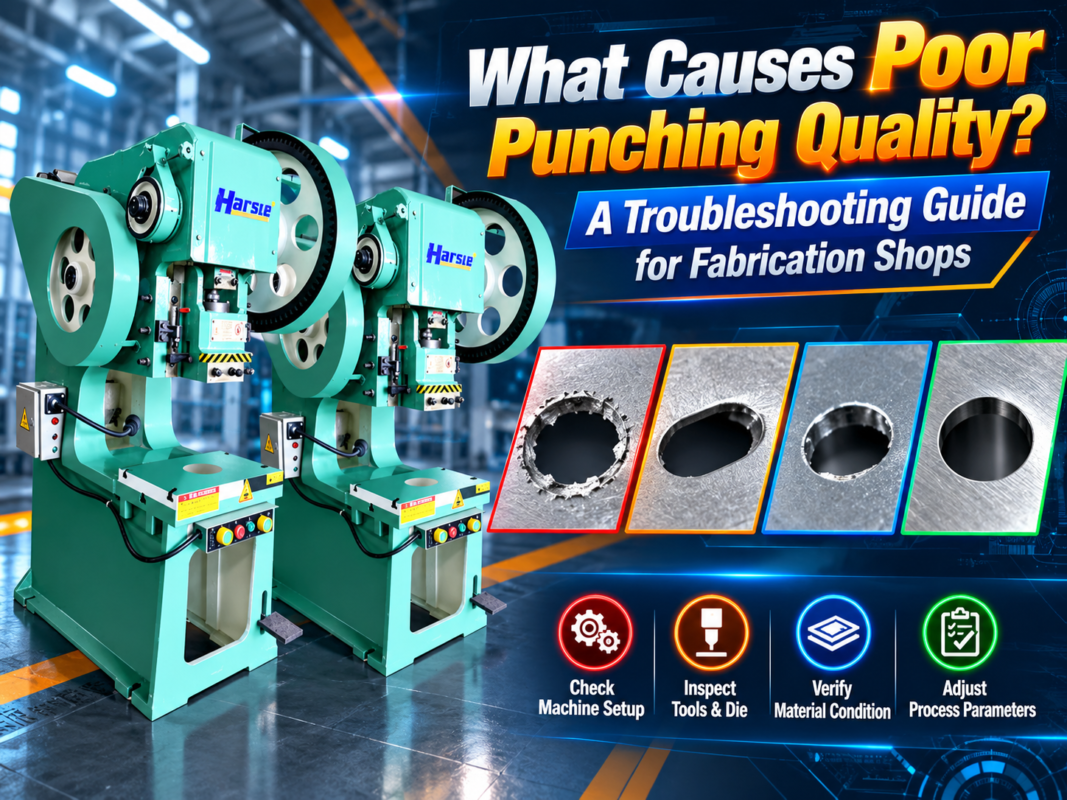
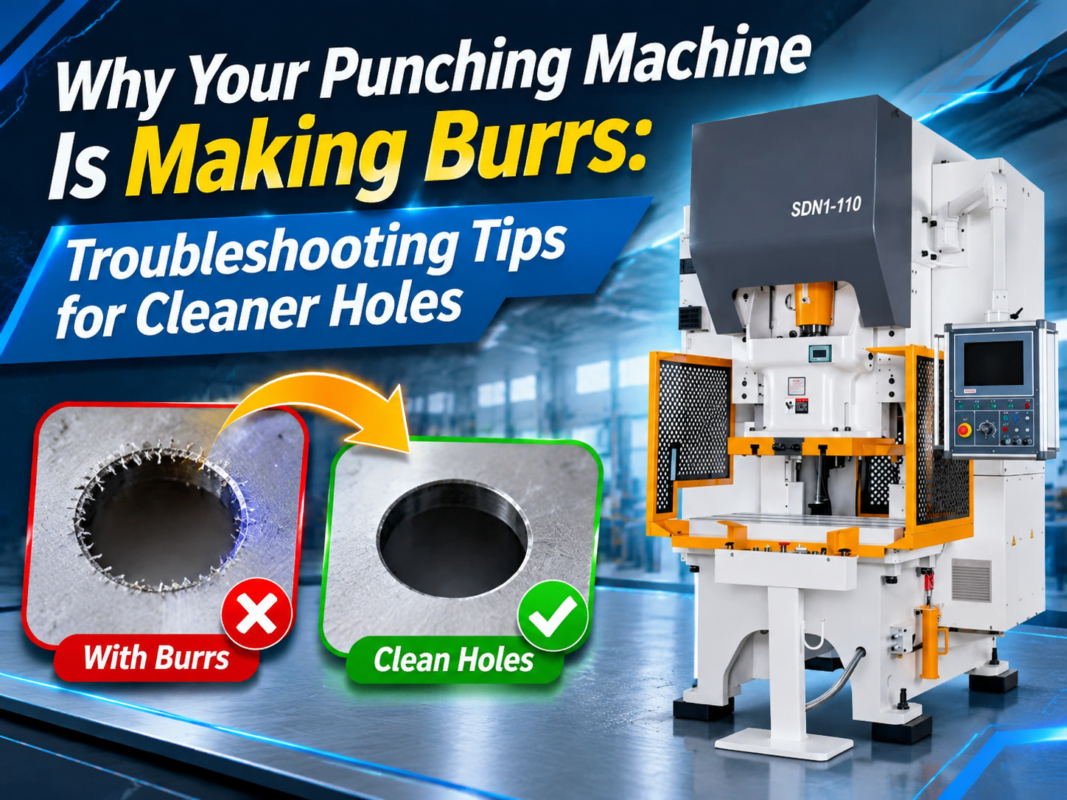
Examine the tooling condition daily. Inspect the punch and die for signs of chipping, galling, or excessive wear. Using dull tooling not only results in poor edge quality on your workpieces but also places unnecessary stress on the machine’s ram and drive system. If you notice burrs on your finished parts, it is a clear signal that your tooling requires sharpening or replacement immediately.
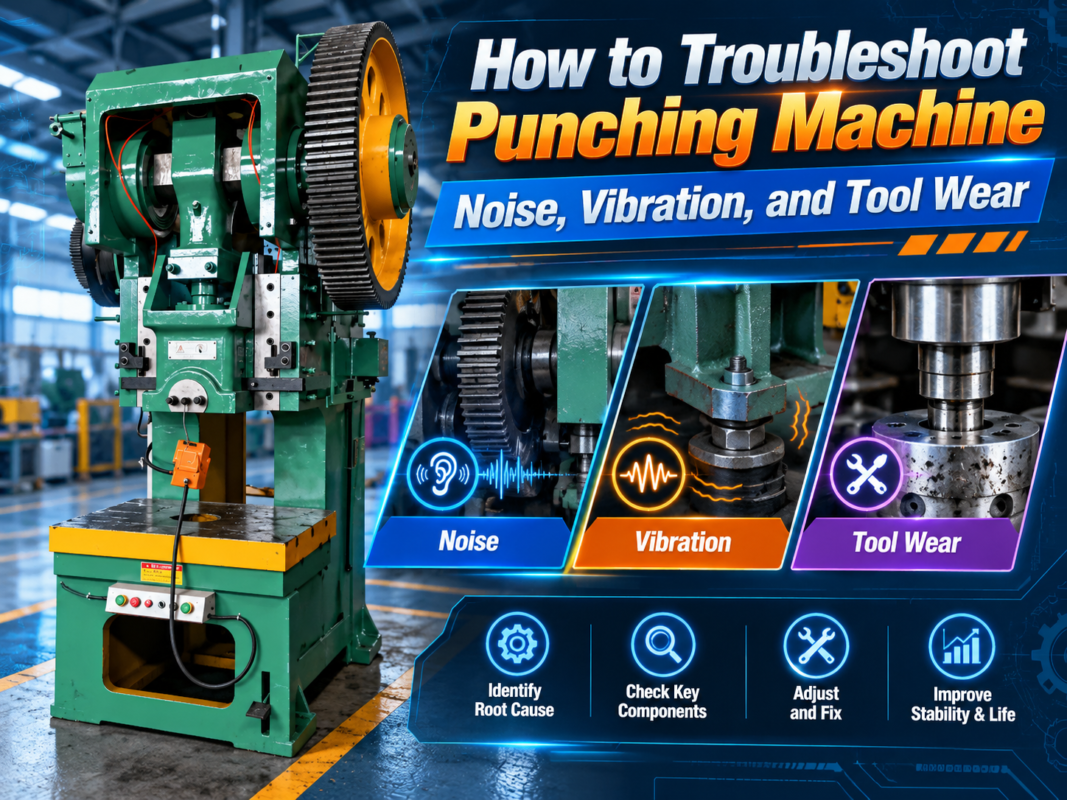
Finally, listen to your machine. Experienced operators can often detect mechanical issues by the sound of the machine during operation. Any grinding, clicking, or high-pitched squealing noises should be investigated immediately. Documenting these daily checks in a logbook provides a valuable history that can help technicians diagnose recurring issues faster, turning minor observations into actionable preventive maintenance solutions.
Hydraulic, Electrical, and Mechanical System Checks
The hydraulic system is the heart of most punching machines. To prevent common punching machine problems, you must monitor the quality of the hydraulic oil. Over time, oil can become contaminated with moisture or metallic particles, leading to valve sticking and pump damage. Replace the hydraulic oil and filters according to the manufacturer’s recommended intervals, typically every 2,000 to 4,000 operating hours, depending on the intensity of use.
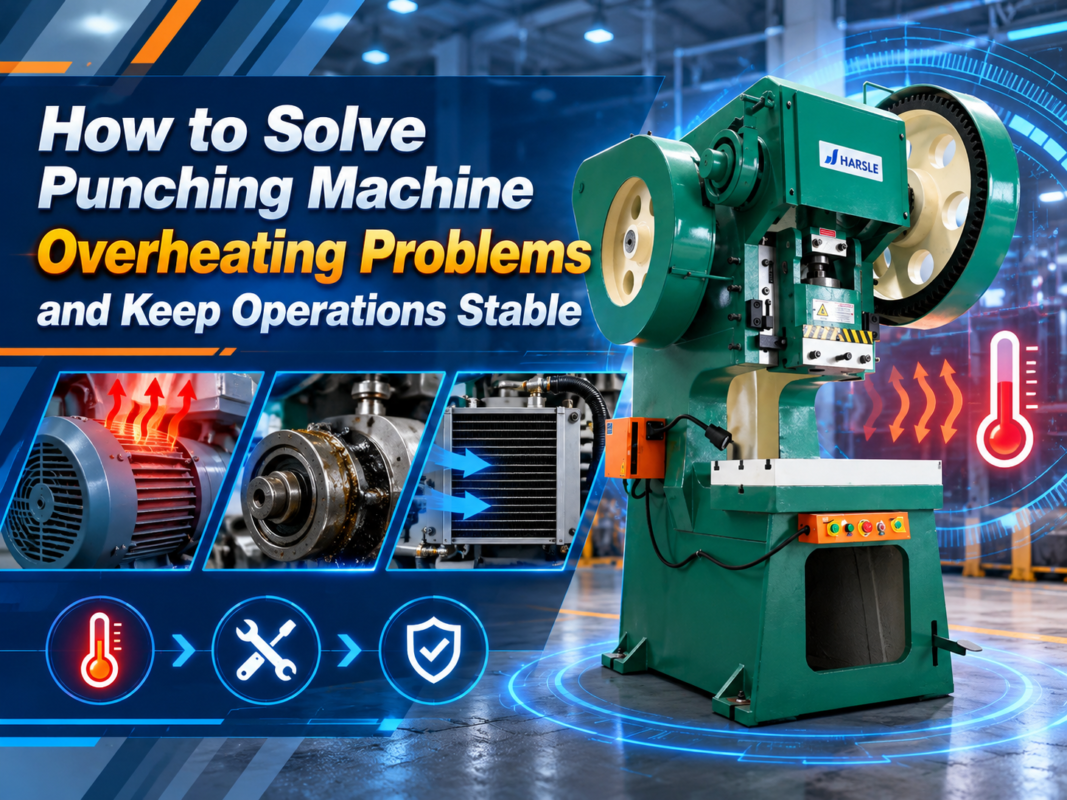
Electrical systems require careful attention to prevent short circuits and control failures. Inspect the control cabinet for dust buildup, which can cause overheating of sensitive electronic components. Ensure that all cable connections are tight and free from corrosion. If your machine uses a CNC controller, ensure that the cooling fans are operational and that the air filters are clean to prevent the processor from overheating during long production runs.
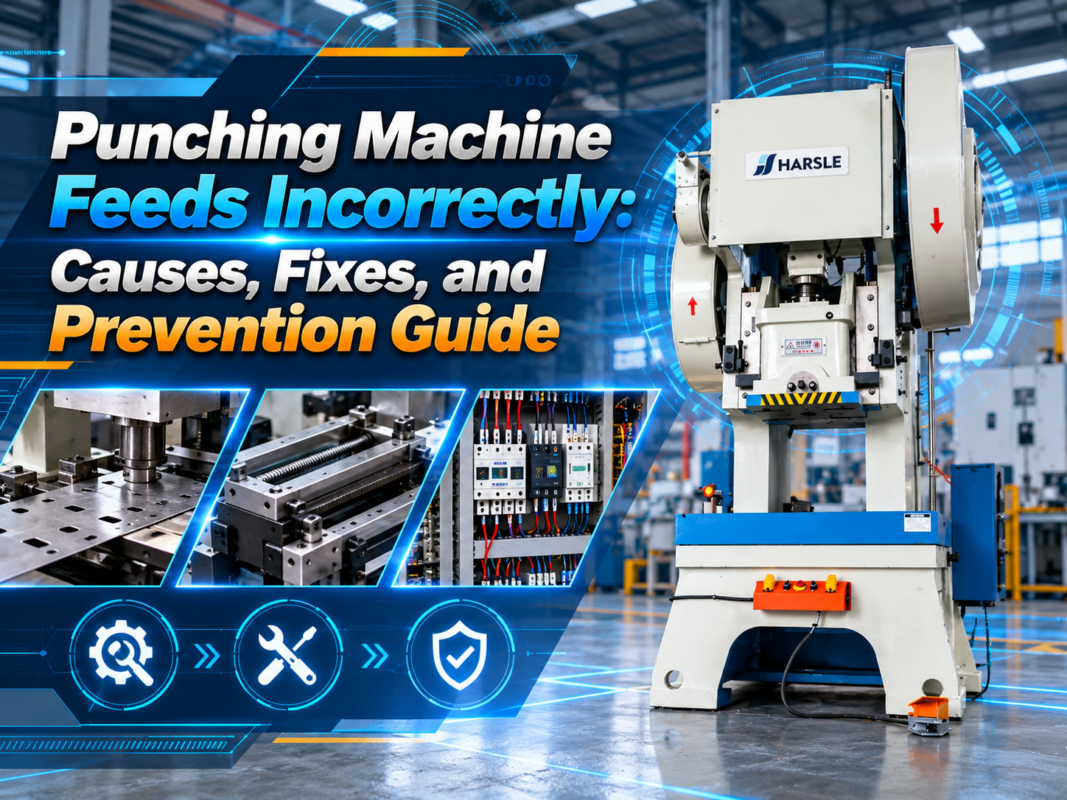
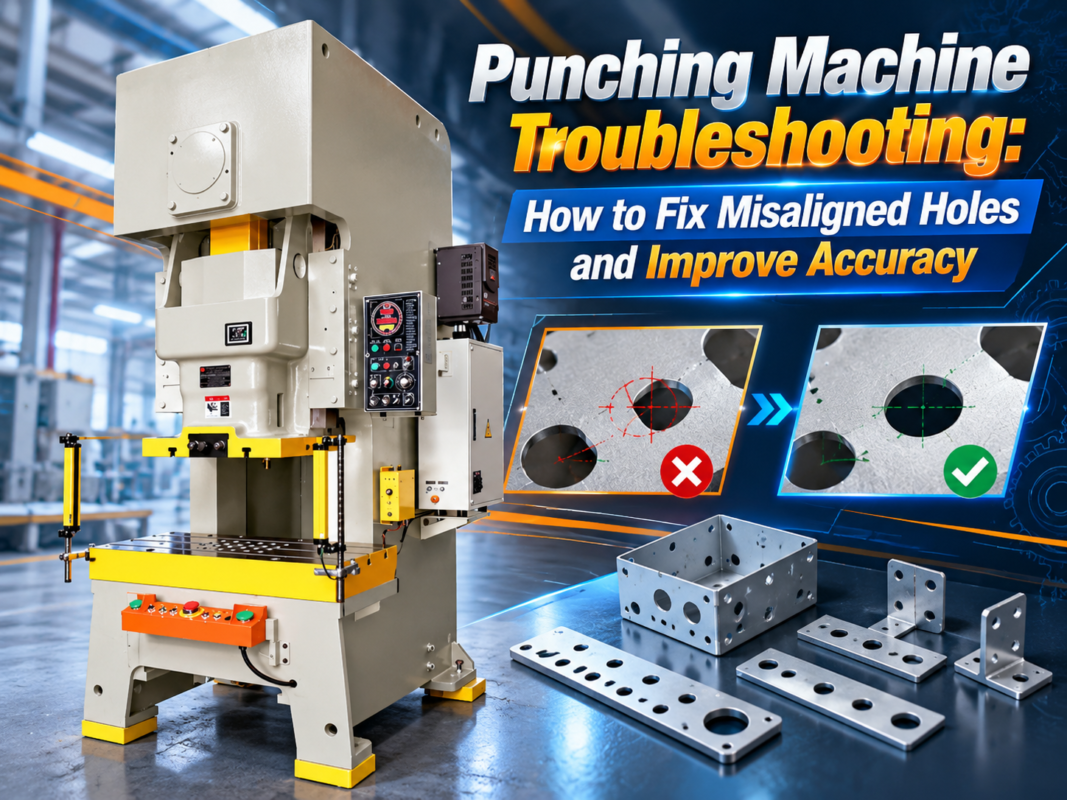
Mechanical components, such as the ram guides, ball screws, and turret indexing mechanisms, require periodic alignment checks. Over time, vibrations can cause fasteners to loosen, leading to misalignment of the punch and die. Use precision measuring tools to verify that the ram is perfectly perpendicular to the die bed. If you notice that the machine is struggling to index the turret, check the drive belts and gearboxes for signs of wear or improper tension.
For machines equipped with automatic tool changers, ensure that the gripper mechanisms are lubricated and that the sensors are correctly calibrated. A misalignment in the tool changer can lead to tool collisions, which are among the most expensive and damaging common punching machine problems. Regular calibration of these systems is a preventive maintenance solution that pays for itself by avoiding costly mechanical repairs.
Comprehensive Lubrication Plan
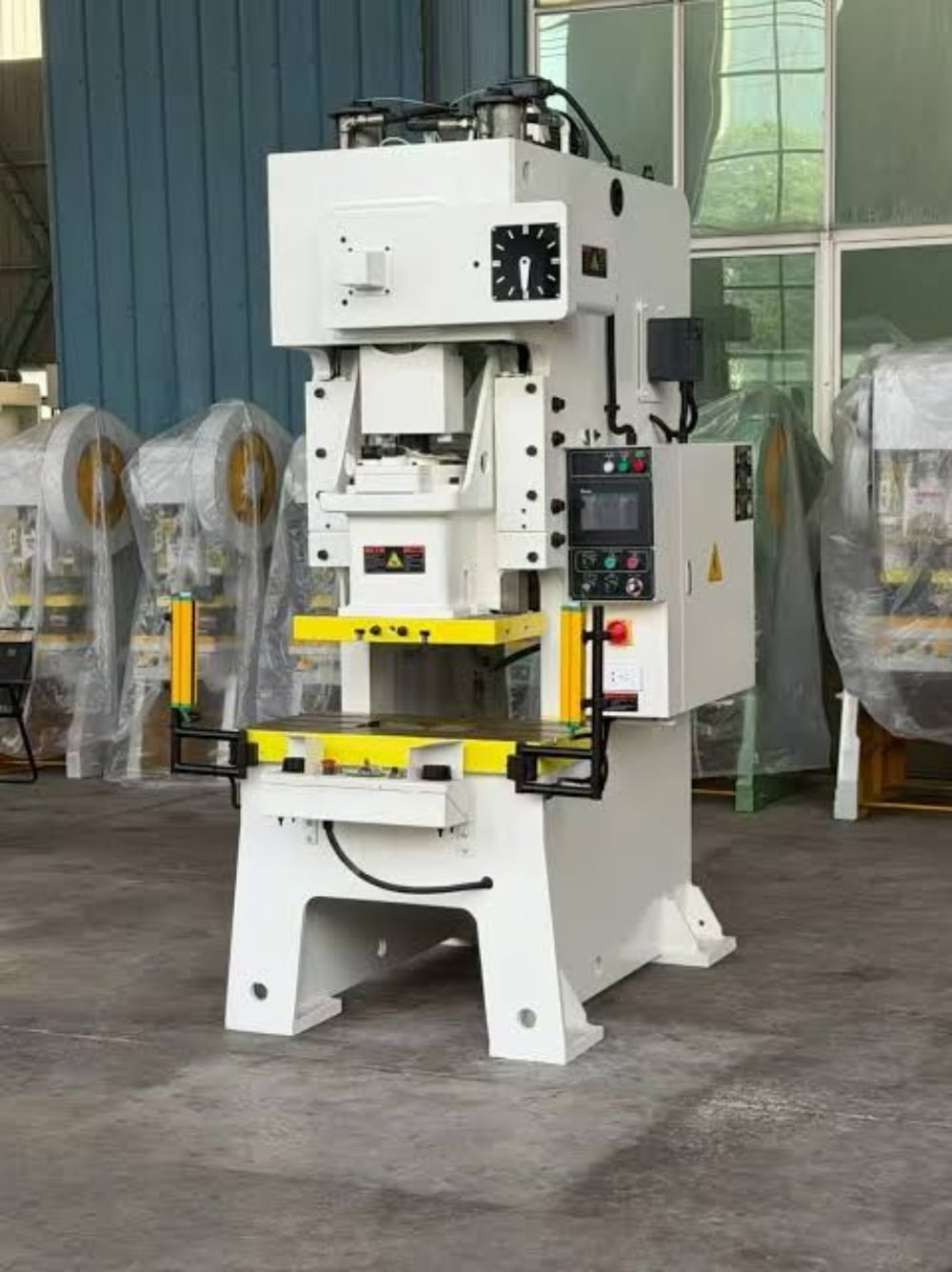
Lubrication is the lifeblood of any industrial machine. A robust lubrication plan is essential to minimize friction and prevent the premature wear of moving parts. Create a lubrication schedule that specifies the type of lubricant, the application point, and the frequency for each component. Use only high-quality lubricants recommended by HARSLE to ensure compatibility with seals and gaskets.
Focus on the high-load areas, such as the ram slide ways and the turret rotation bearings. These areas experience the most friction and are prone to heat buildup. Automatic lubrication systems, if installed, should be checked to ensure that the pump is delivering the correct volume of oil to all distribution points. If the system is manual, ensure that the grease nipples are clean before applying lubricant to prevent dirt from entering the bearings.
Do not overlook the importance of the die lubrication. Applying a thin layer of appropriate lubricant to the punch and die can significantly reduce the force required for punching and extend the life of the tooling. However, be careful not to over-lubricate, as excess oil can attract dust and metal chips, creating an abrasive paste that accelerates wear on the machine surfaces.
Keep a detailed record of all lubrication activities. If a specific part requires more frequent lubrication than the manufacturer suggests due to high-volume production, adjust your schedule accordingly. A proactive approach to lubrication is one of the most effective common punching machine problems and preventive maintenance solutions, as it directly addresses the root cause of mechanical degradation.
Troubleshooting Signals and Warning Signs
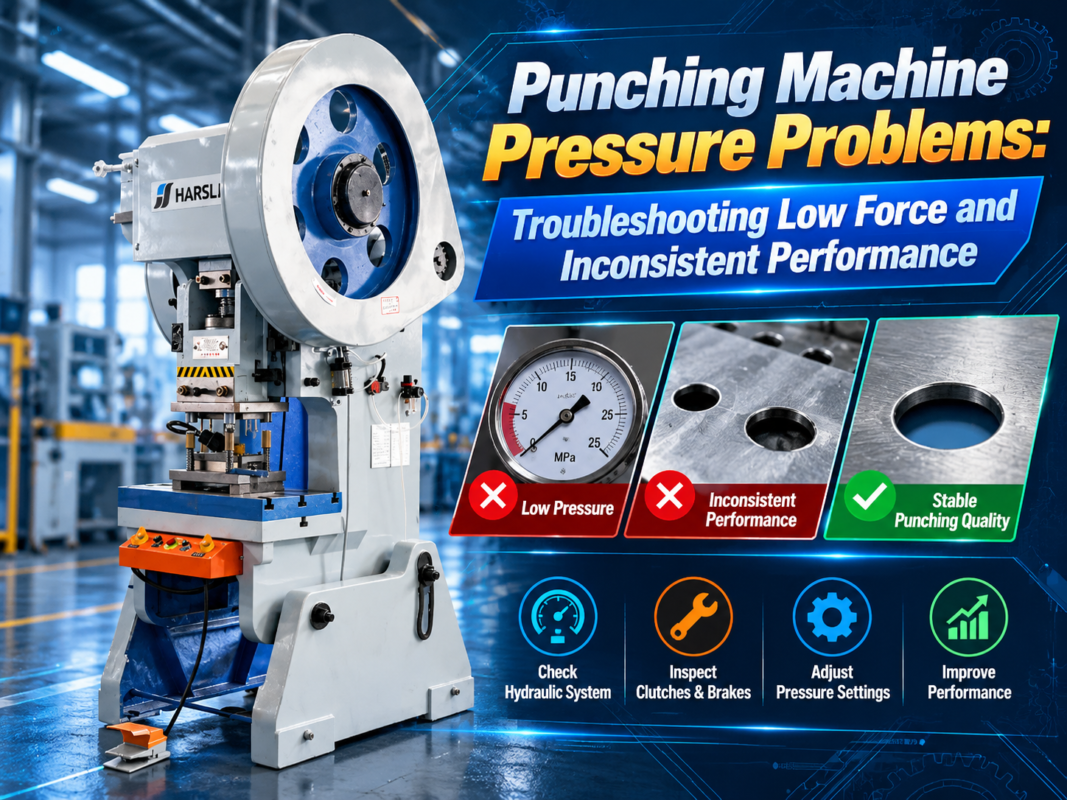
Recognizing the early warning signs of machine failure can save your shop thousands of dollars. One common signal is a change in the machine’s cycle time. If the punching cycle is becoming slower or inconsistent, it often points to hydraulic pressure issues or a failing solenoid valve. Do not ignore these subtle changes; they are often the precursors to a complete system failure.
Another warning sign is the quality of the finished part. If you notice inconsistent hole sizes, excessive burrs, or deformation around the punched area, the problem may lie in the machine’s alignment or the condition of the stripper plate. If the stripper plate is not applying uniform pressure, the material may shift during the punch, leading to inaccurate parts and potential tool damage.
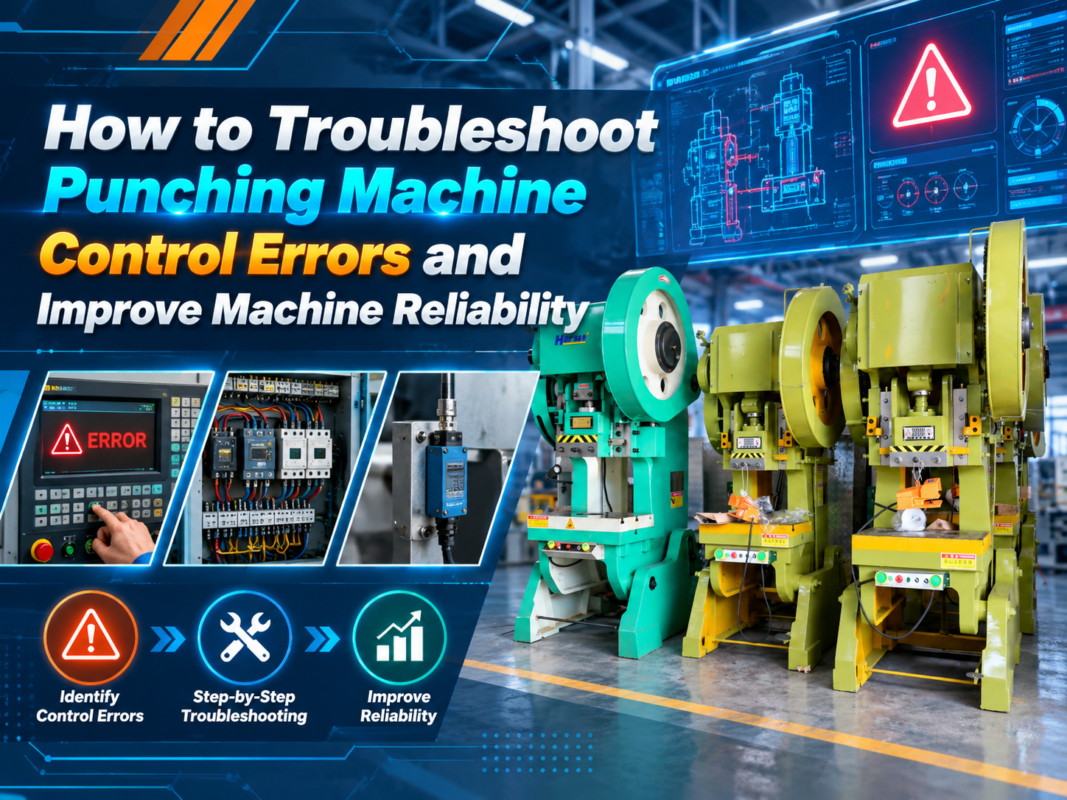
Watch for error codes on the CNC controller. Modern HARSLE machines are equipped with sophisticated diagnostic systems that can pinpoint the exact location of a fault. Never clear an error code without investigating the underlying cause. If the machine displays a ‘low pressure’ or ‘overheat’ warning, treat it as a critical alert and perform the necessary checks before resuming production.
Finally, pay attention to the physical condition of the machine’s exterior. Rust, peeling paint, or oil pooling on the floor are all indicators that the machine is not being maintained correctly. While these may seem cosmetic, they often reflect a broader lack of attention to the machine’s internal health. A well-maintained machine should look as good as it performs.
Maintenance Schedule Table
| Frequency | Task Description | Component |
|---|---|---|
| Daily | Clean work area, check oil levels, inspect tooling | General/Hydraulic |
| Weekly | Check air filters, inspect safety guards, grease slides | Electrical/Mechanical |
| Monthly | Check hydraulic pressure, tighten loose bolts, clean cabinet | Hydraulic/Structural |
| Quarterly | Replace hydraulic filters, calibrate turret, check belts | Hydraulic/Mechanical |
| Annually | Full system flush, electrical component testing, alignment | Full Machine |
Frequently Asked Questions (FAQ)
What are the most common punching machine problems?
The most common issues include dull tooling, hydraulic pressure loss, misalignment of the punch and die, and electrical sensor failures. These are usually caused by a lack of routine maintenance or improper operation.
How often should I change the hydraulic oil?
Generally, hydraulic oil should be changed every 2,000 to 4,000 operating hours. However, you should check the oil quality regularly for signs of contamination or oxidation.
Why is my punching machine producing burrs?
Burrs are typically caused by excessive clearance between the punch and die or dull tooling. Check your tooling condition and ensure that the die clearance is set correctly for the material thickness.
Can I perform maintenance myself?
Yes, daily and weekly maintenance tasks can be performed by trained operators. However, complex electrical or hydraulic repairs should be handled by qualified technicians to ensure safety and warranty compliance.
How do I extend the life of my punching machine?
The best way to extend machine life is to follow a strict preventive maintenance schedule, use high-quality lubricants, keep the machine clean, and ensure that operators are properly trained on the specific equipment.