Daily Shearing Machine Maintenance Tips to Prevent Downtime: A Comprehensive HARSLE Guide


The Critical Importance of Shearing Machine Maintenance
In the high-stakes world of metal fabrication, the shearing machine serves as the backbone of production. Whether you are processing thin sheet metal or heavy-duty steel plates, the precision and reliability of your HARSLE shearing machine are paramount to your operational success. Neglecting routine care does not just lead to minor inconveniences; it results in costly unplanned downtime, expensive emergency repairs, and a significant reduction in the lifespan of your capital equipment.
Implementing consistent daily shearing machine maintenance tips to prevent downtime is the most effective strategy for maintaining high throughput. When a machine is properly maintained, it operates within its design parameters, ensuring clean cuts, consistent edge quality, and minimal burr formation. Conversely, a neglected machine will eventually suffer from hydraulic leaks, blade misalignment, or electrical failures that can halt an entire production line for days.
Beyond the financial implications, maintenance is a fundamental aspect of workplace safety. A shearing machine that is well-maintained is a predictable machine. By identifying potential failure points before they escalate into catastrophic breakdowns, operators can ensure that safety guards, emergency stops, and hydraulic pressure systems are functioning exactly as intended. This proactive approach protects your most valuable assets: your employees.
At HARSLE, we emphasize that maintenance should not be viewed as a chore, but as a strategic investment. By dedicating just a few minutes at the start and end of each shift to basic checks, you are essentially buying insurance against the volatility of machine failure. This guide provides the technical roadmap necessary to keep your equipment running at peak performance levels for years to come.

Daily Inspection: The First Line of Defense
The foundation of any effective maintenance program is the daily inspection routine. Before the power is even turned on, a visual sweep of the machine can reveal issues that might have developed during the previous shift. Operators should be trained to look for signs of fluid leaks, loose fasteners, or debris accumulation in the blade area. These simple observations take less than five minutes but can save hours of troubleshooting later.
Start your inspection by checking the cleanliness of the work area. Metal shavings, dust, and offcuts are the enemies of precision machinery. If debris is allowed to accumulate around the blade guides or the backgauge mechanism, it can cause binding or inaccurate positioning. Use compressed air or a brush to clear the bed, ensuring that the path of the shear is completely unobstructed before initiating any movement.
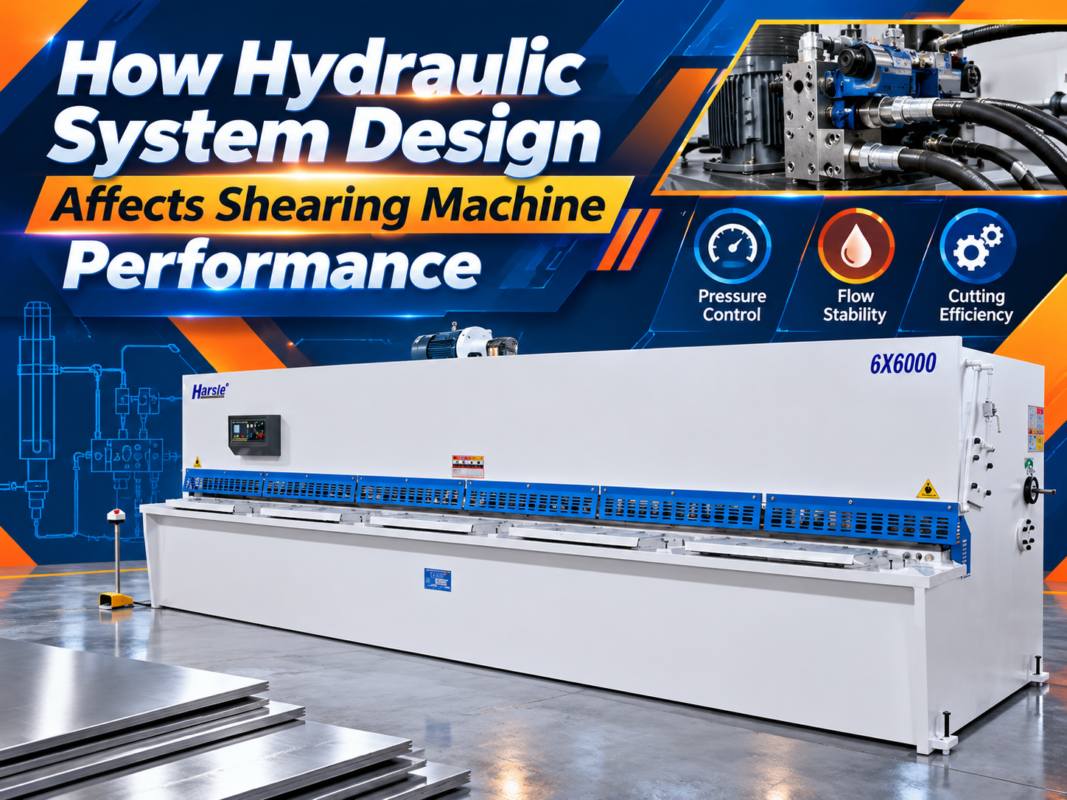
Next, inspect the hydraulic hoses and fittings. Even a minor weep of hydraulic fluid can indicate a failing seal or a loose connection. If left unaddressed, this can lead to a drop in system pressure, which directly affects the shearing force and the quality of the cut. Check the fluid levels in the reservoir; if the level is consistently dropping, investigate the source immediately rather than simply topping it off.
Finally, perform a dry run of the machine. Listen for unusual noises—grinding, clicking, or high-pitched whining—that could indicate internal wear or misalignment. Observe the movement of the beam; it should descend smoothly and return to the top position without hesitation. If the machine exhibits any erratic behavior during this initial test, do not proceed with production until the issue is diagnosed and resolved.
Hydraulic, Electrical, and Mechanical Checks
The hydraulic system is the heart of your shearing machine. To maintain optimal performance, you must monitor the oil temperature and pressure regularly. Overheating oil can degrade the seals and reduce the viscosity of the hydraulic fluid, leading to sluggish operation. Ensure that the cooling system is free of dust and that the oil filter is changed according to the manufacturer’s recommended intervals to prevent contaminants from damaging the pump.
Electrical components require a different, yet equally important, approach. Inspect the control panel for any signs of loose wiring or damaged conduits. Ensure that all emergency stop buttons are accessible and functional. Dust and metal particles can conduct electricity and cause short circuits if they enter the electrical cabinet, so keep the cabinet door sealed and ensure the cooling fans are operational to prevent overheating of the PLC and other sensitive electronics.
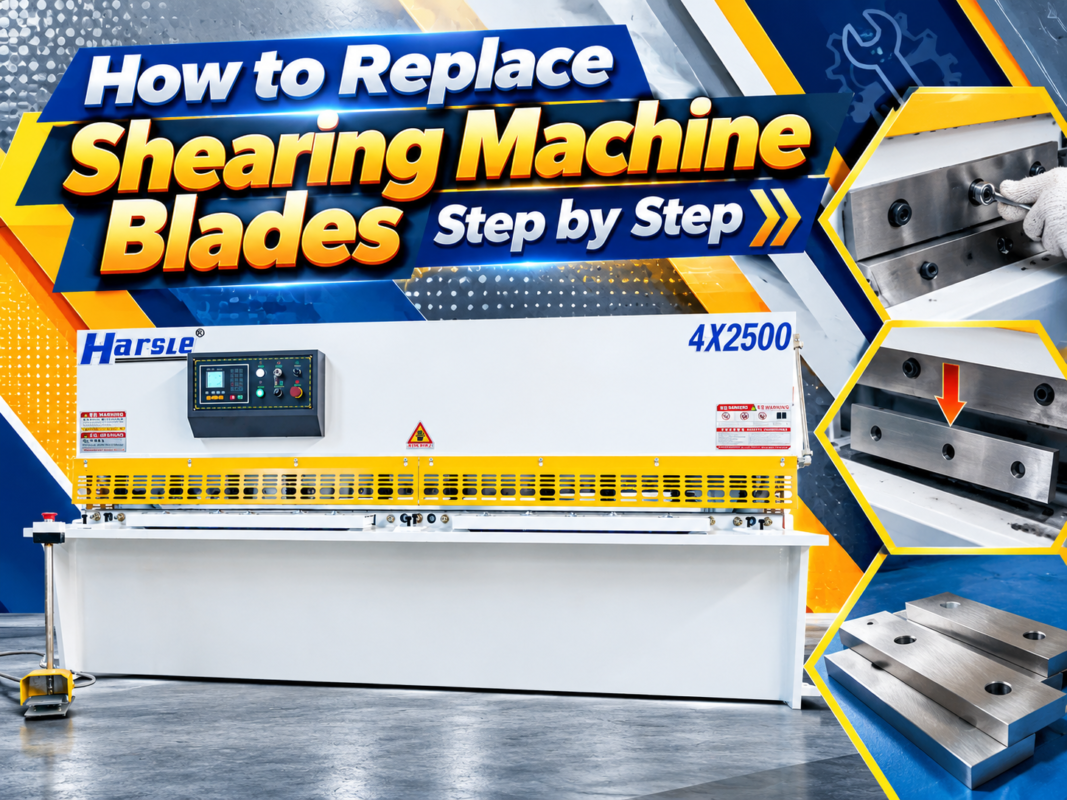
Mechanical integrity is centered on the blade clearance and the backgauge accuracy. The gap between the upper and lower blades must be adjusted according to the thickness and material type of the metal being sheared. Using the wrong clearance will not only produce poor-quality cuts but will also put excessive stress on the frame and the hydraulic cylinders. Regularly check the blade bolts to ensure they are torqued to the correct specifications.
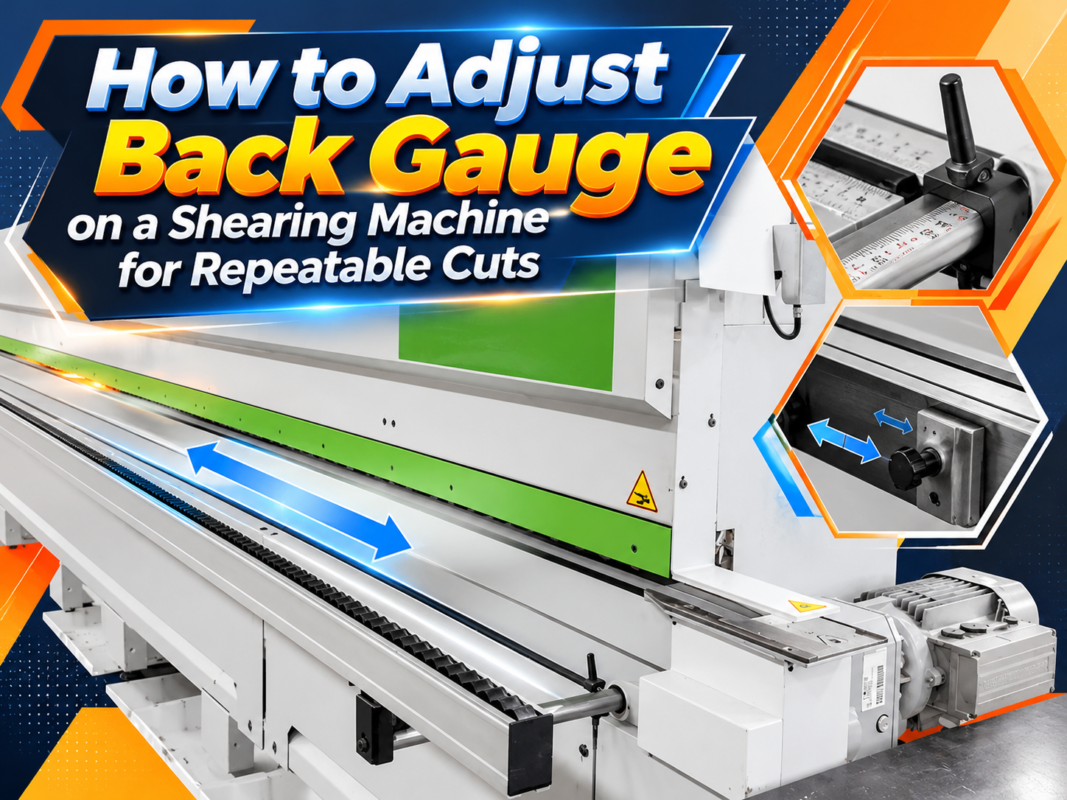
The backgauge is the precision component that determines the accuracy of your parts. Check the lead screws and guide rails for wear. If the backgauge is not moving parallel to the blade, your parts will be trapezoidal rather than rectangular. Use a precision square to verify the alignment of the backgauge against the blade periodically, and adjust the drive system if you notice any deviation in the dimensions of your finished products.
Comprehensive Lubrication Plan
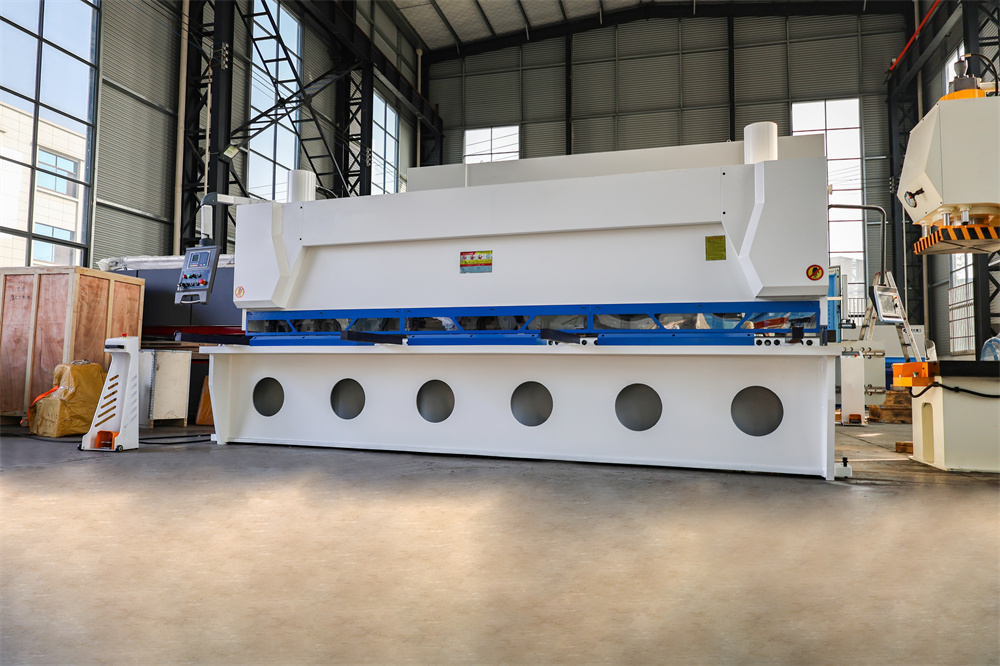
Lubrication is the lifeblood of any industrial machine. A shearing machine has several moving parts—including the beam guides, the backgauge drive, and the hydraulic pump—that require consistent lubrication to prevent friction-induced wear. Establish a strict lubrication schedule that identifies every grease point on the machine and specifies the type of lubricant required for each.
Do not over-lubricate, as this can attract dust and debris, creating an abrasive paste that accelerates wear. Instead, apply the correct amount of high-quality lubricant as specified in your HARSLE manual. Use a clean cloth to wipe away old grease before applying new lubricant to ensure that contaminants are not pushed into the bearings or sliding surfaces.
Pay special attention to the sliding surfaces of the ram or beam. These surfaces are subject to high pressure and constant movement. If they run dry, the metal-on-metal contact will cause galling, which is a severe form of surface damage that is difficult and expensive to repair. Ensure that the automatic lubrication system, if equipped, is functioning and that the reservoir is filled with the correct grade of oil.
Keep a detailed log of all lubrication activities. This log serves as a historical record that can be invaluable during audits or when troubleshooting performance issues. If a specific component begins to show signs of premature wear, the lubrication log will help you determine if the issue is related to the frequency of maintenance or the quality of the lubricant being used.
Troubleshooting Signals: When to Act
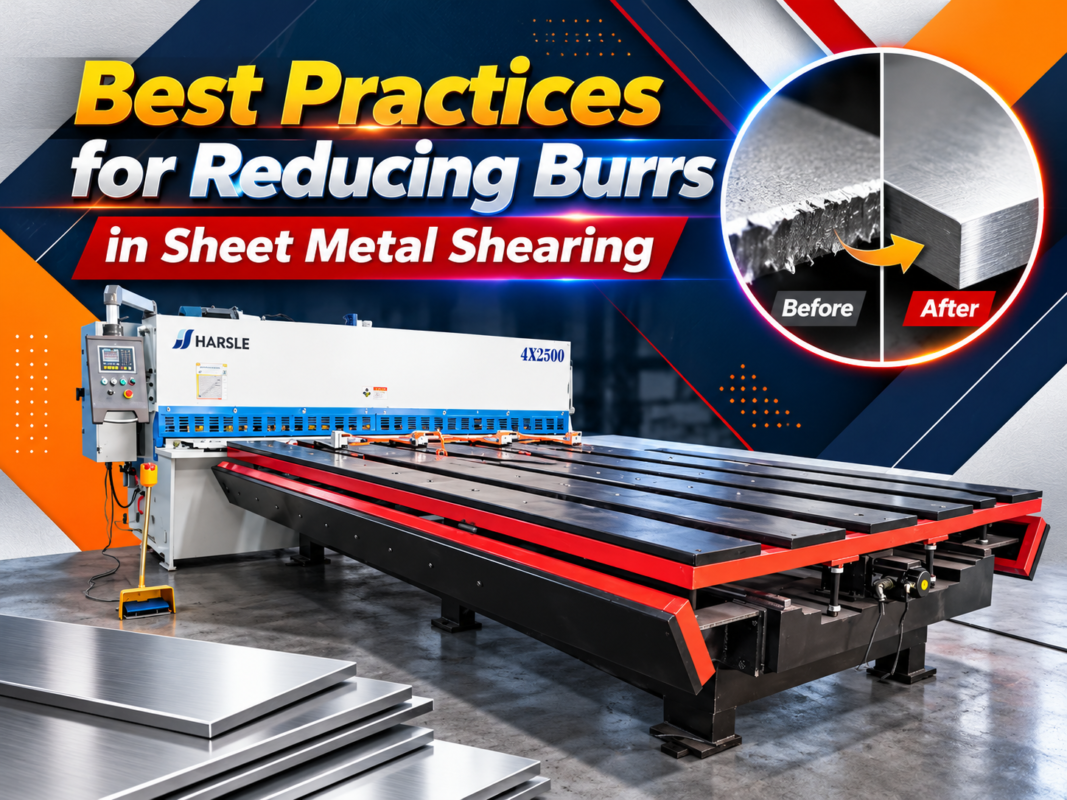
Your machine often communicates its health through subtle signals. Recognizing these early warning signs is a key component of daily shearing machine maintenance tips to prevent downtime. For example, if you notice that the cut quality is degrading—such as increased burrs or a ragged edge—this is a clear indicator that the blade clearance is incorrect or the blades have become dull. Continuing to operate in this state will damage the machine frame.
Another common signal is a change in the cycle time. If the machine takes longer to complete a stroke than it did previously, it may indicate a hydraulic pressure issue, a failing pump, or a restriction in the valve block. Do not ignore these changes; investigate the hydraulic system to ensure that the pressure settings are within the manufacturer’s recommended range.
Vibration is another red flag. While some vibration is normal during the shearing process, a sudden increase in vibration or a change in the sound profile of the machine suggests loose components, worn bearings, or an imbalance in the drive system. Stop the machine and perform a thorough inspection of all mounting bolts and structural connections.
Finally, pay attention to the control system. Error codes on the HARSLE display are not just suggestions; they are diagnostic tools. If the system throws an error, document the code and consult the manual immediately. Often, these codes point to a specific sensor or limit switch that has failed, and replacing a small, inexpensive part now can prevent a major electrical failure later.
Maintenance Schedule Table
| Frequency | Task | Action |
|---|---|---|
| Daily | Visual Inspection | Check for leaks, loose bolts, and debris. |
| Daily | Lubrication | Grease sliding surfaces and guide rails. |
| Weekly | Blade Check | Inspect for chips, cracks, and edge sharpness. |
| Monthly | Hydraulic System | Check oil levels, filters, and hose integrity. |
| Quarterly | Electrical Check | Clean cabinet, check connections, test E-stops. |
| Annually | Full Calibration | Verify backgauge accuracy and blade gap settings. |
Frequently Asked Questions
How often should I sharpen the blades on my shearing machine?
The frequency of sharpening depends on the material type, thickness, and volume of production. As a general rule, if you notice burrs on the cut edge, it is time to inspect the blades. Regular sharpening extends the life of the blades and reduces the load on the machine.
What is the most common cause of shearing machine downtime?
The most common causes are hydraulic system failures (leaks or pressure loss) and electrical issues related to sensors or limit switches. Both can be largely mitigated through the daily maintenance tips outlined in this guide.
Can I use any hydraulic oil in my HARSLE machine?
No, you must use the hydraulic oil grade specified in your machine’s manual. Using the wrong viscosity can lead to pump failure, overheating, and poor performance. Always consult the HARSLE technical documentation before changing oil types.
Why is my backgauge not accurate?
Inaccuracy is usually caused by debris in the drive mechanism, worn lead screws, or a lack of parallelism between the backgauge and the blade. Regular cleaning and calibration are essential to maintaining precision.
Is it necessary to keep a maintenance log?
Yes, a maintenance log is vital for tracking the health of your equipment, scheduling future service, and maintaining warranty compliance. It also helps in identifying recurring issues that may require a more permanent engineering solution.
Conclusion
Preventing downtime in your metal fabrication facility is not about luck; it is about discipline. By integrating these daily shearing machine maintenance tips to prevent downtime into your standard operating procedures, you ensure that your HARSLE equipment remains a reliable asset rather than a liability. Remember that the cost of a few minutes of daily maintenance is negligible compared to the cost of a stalled production line. Stay proactive, keep your machine clean, and prioritize the health of your equipment to achieve consistent, high-quality results in every cut.