
How to Solve Uneven Cutting Quality in a Laser Cutting Machine: A Comprehensive HARSLE Guide

Introduction
In the high-precision world of metal fabrication, the performance of your equipment defines the quality of your output. For operators and shop owners, encountering inconsistent results can be a significant bottleneck. When you need to solve uneven cutting quality in a laser cutting machine, it is essential to approach the problem systematically. HARSLE, as a leader in metal fabrication equipment, understands that precision is the lifeblood of your production line.
Uneven cutting quality often manifests as burrs on one side, inconsistent kerf width, or varying penetration depths across a single sheet. These issues can stem from a variety of factors, ranging from simple optical contamination to complex software parameter misalignments. Understanding the root cause is the first step toward restoring your machine to its peak operational state.
This guide serves as a comprehensive resource for technicians and operators looking to troubleshoot and optimize their fiber laser cutting systems. By addressing the mechanical, optical, and software-based variables, you can ensure that your HARSLE laser cutting machine delivers consistent, high-quality edges on every project, regardless of material thickness or complexity.
Whether you are working with stainless steel, carbon steel, or aluminum, the principles of laser cutting remain consistent. By following this industrial guide, you will be able to diagnose common pitfalls and implement long-term solutions that enhance your shop’s efficiency and reduce material waste.
Key Considerations for Consistent Laser Performance
Before diving into complex technical adjustments, it is vital to evaluate the environmental and foundational factors that influence your laser cutting machine. The stability of the machine bed, the cleanliness of the workshop, and the quality of the input power are often overlooked culprits in uneven cutting quality.
First, consider the machine bed and leveling. If the laser cutting machine is not perfectly level, the focal point of the laser beam will shift relative to the material surface as the gantry moves across the table. This leads to inconsistent penetration and edge quality. Regularly checking the leveling of your HARSLE machine is a fundamental maintenance task that prevents many cutting irregularities.
Second, the quality of the assist gas is paramount. Whether you are using oxygen, nitrogen, or compressed air, the purity and pressure of the gas must be consistent. Impurities in the gas, such as moisture or oil, can interfere with the laser beam’s interaction with the metal, leading to oxidation or uneven melting. Ensure your filtration systems are serviced regularly to maintain optimal gas flow.
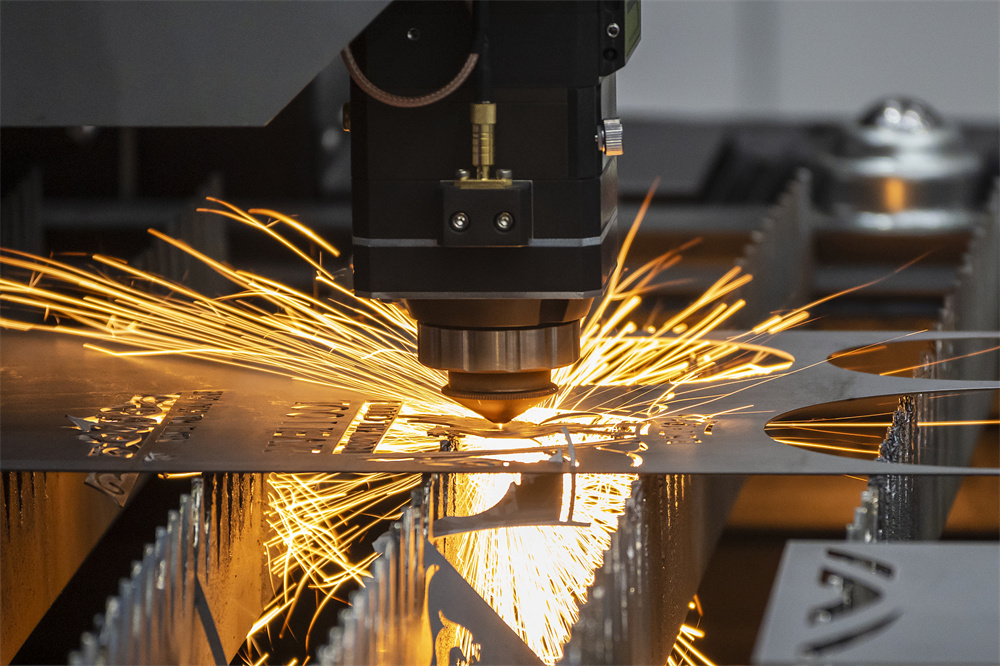
Third, the condition of the slats on the cutting bed plays a role in heat dissipation and reflection. If the slats are heavily slagged or damaged, they can cause back-reflections that disrupt the cutting process. Keeping the cutting bed clean and replacing worn slats ensures that the material remains stable and that the laser beam is not affected by erratic reflections.
Finally, consider the ambient temperature and humidity of your facility. Laser sources and electronic components are sensitive to environmental fluctuations. Maintaining a climate-controlled environment not only protects your investment but also ensures that the laser beam characteristics remain stable throughout the workday, preventing the “drift” in quality often seen in non-controlled shops.
Technical Details: Troubleshooting the Optical Path
The optical path is the heart of your laser cutting machine. If the beam is not perfectly aligned or if the lenses are contaminated, you will inevitably face uneven cutting quality. Solving this requires a methodical inspection of the entire optical train, from the laser source to the nozzle.
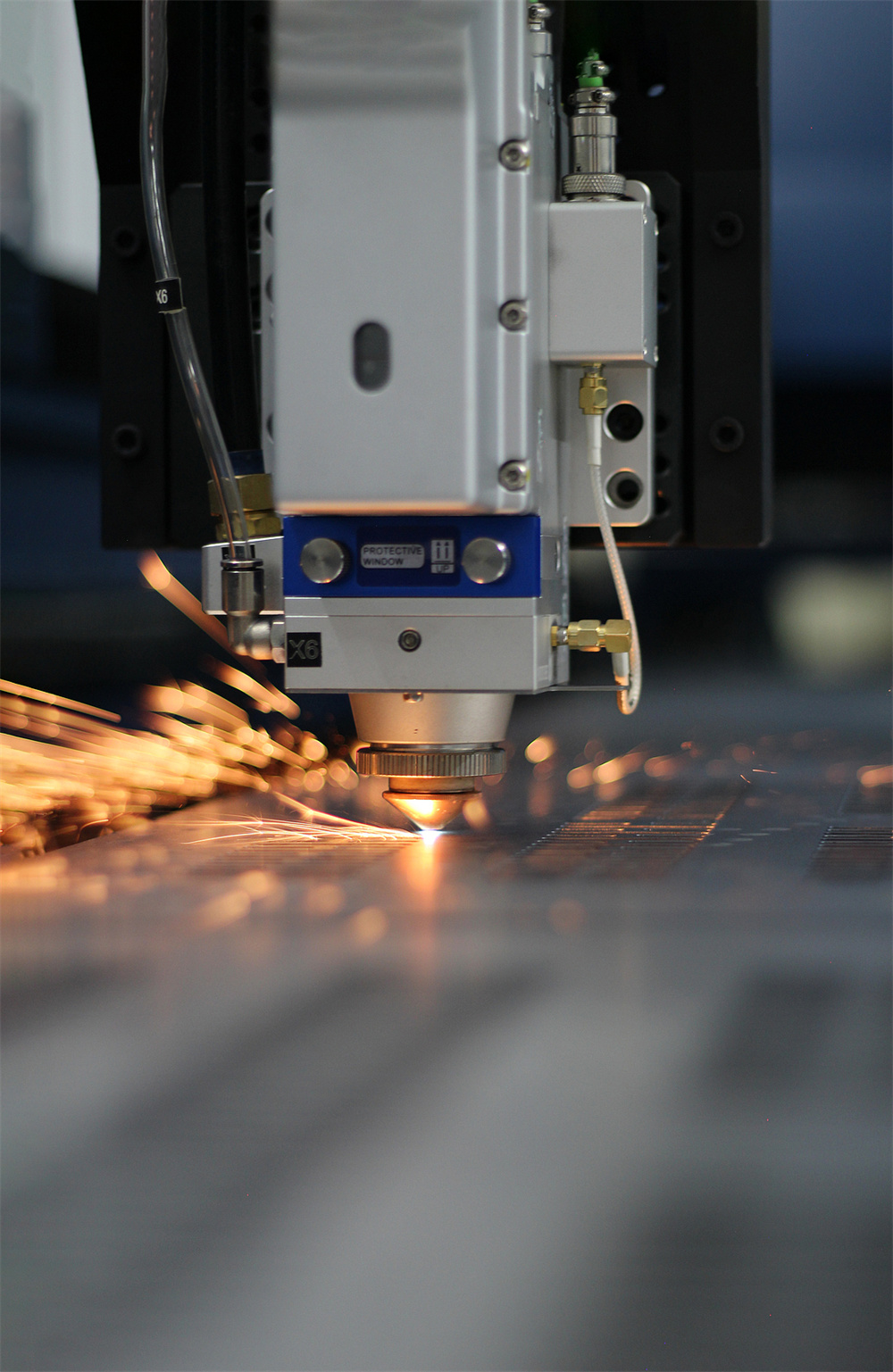
Start by inspecting the protective lens. This is the most common point of failure for beam quality. Even a microscopic speck of dust or a fingerprint can absorb laser energy, causing the lens to heat up and distort the beam profile. Use only manufacturer-recommended cleaning supplies and techniques to clean the lens, and replace it immediately if you notice pitting or permanent clouding.
Next, verify the beam alignment. If the laser beam is not centered in the nozzle, the gas flow will be asymmetrical, leading to uneven cooling and cutting. Use a centering tool or a simple tape test to ensure the beam passes through the exact center of the nozzle orifice. A misaligned beam will cause the cut to be wider on one side and narrower on the other, creating a distinct taper or burr.
The focal position is another critical technical parameter. If the focal point is too high or too low relative to the material surface, the energy density will be insufficient to cut cleanly. Modern HARSLE machines feature auto-focus heads, but these still require periodic calibration. Ensure that the software’s focal offset settings match the physical reality of the material thickness and type.
Finally, check the condition of the nozzle itself. A worn, deformed, or clogged nozzle will disrupt the laminar flow of the assist gas. Even if the laser beam is perfect, a turbulent gas flow will result in uneven cutting quality. Inspect the nozzle for circularity and cleanliness before every shift, and do not hesitate to replace it if it shows signs of wear.
Selection Advice: Choosing the Right Parameters
When you seek to solve uneven cutting quality in a laser cutting machine, you must also look at your process parameters. Often, the machine is perfectly healthy, but the settings are not optimized for the specific material batch or thickness being processed.
Material variation is a common challenge. Even within the same grade of steel, variations in chemical composition or surface finish can affect how the material absorbs laser energy. If you notice uneven quality, try adjusting your cutting speed and power settings slightly. A small reduction in speed can often compensate for material inconsistencies, allowing for a more stable melt pool.
The frequency and duty cycle of the laser pulse are also critical. For thinner materials, higher frequencies are generally preferred to achieve a smooth edge. For thicker materials, adjusting the pulse width can help in managing the heat-affected zone (HAZ). Consult your HARSLE operation manual for the recommended parameter tables, and use them as a baseline for your specific applications.
Consider the lead-in and lead-out settings. If the laser starts or stops too abruptly, you may see “burn marks” or uneven edges at the entry and exit points. Adjusting the lead-in length and the power ramping settings can help smooth out these transitions, ensuring that the entire cut profile is uniform from start to finish.
Lastly, invest in high-quality nesting software. Efficient nesting not only saves material but also optimizes the cutting path, reducing the number of pierces and minimizing the thermal stress on the sheet. A well-planned cutting path ensures that the laser head moves fluidly, preventing the vibrations that can lead to uneven edge quality.
FAQ: Common Questions on Laser Cutting Quality
- Q: Why does my laser cut have burrs on the bottom edge?
A: Burrs are typically caused by insufficient assist gas pressure, excessive cutting speed, or a focal point that is too low. Check your gas pressure and ensure your nozzle is clean. - Q: How often should I clean the protective lens?
A: We recommend inspecting the protective lens daily. If you are working in a high-dust environment, you may need to clean it more frequently. Always use lint-free wipes and high-purity alcohol. - Q: Can the material surface affect the cut?
A: Yes, rust, scale, or oil on the surface of the metal can cause the laser to scatter or reflect, leading to uneven cuts. Ensure your material is clean and dry before processing. - Q: Does the laser source age affect cutting quality?
A: Over time, the laser source may experience a slight drop in power. If you find that you need to increase power settings significantly to achieve the same cut as before, it may be time for a professional service check. - Q: Is it necessary to recalibrate the auto-focus head?
A: Yes, periodic calibration is necessary to ensure the software-defined focal point matches the physical position. Follow the HARSLE calibration procedure provided in your machine manual.
Conclusion
Solving uneven cutting quality in a laser cutting machine is a process of elimination and precision. By maintaining a clean optical path, ensuring proper gas flow, and fine-tuning your cutting parameters, you can achieve the high-quality results that your clients expect. Remember that consistent performance is the result of proactive maintenance rather than reactive repairs.
HARSLE is committed to supporting your metal fabrication journey. Our machines are designed for durability and precision, but they require the expertise of skilled operators to reach their full potential. By applying the techniques outlined in this guide, you can minimize downtime, reduce scrap rates, and maximize the profitability of your laser cutting operations.
If you continue to experience issues despite following these steps, do not hesitate to reach out to the HARSLE technical support team. We are here to help you troubleshoot complex problems and ensure your equipment remains the cornerstone of your production success. Keep your machine maintained, keep your parameters optimized, and continue to deliver excellence in every cut.












