Punching Machine Electrical System Maintenance Tips for Stable Running


The Critical Importance of Electrical System Maintenance
In the high-stakes environment of modern metal fabrication, the punching machine serves as the backbone of production efficiency. While mechanical components often receive the most attention, the electrical system is the nervous system of the equipment. Implementing consistent Punching Machine Electrical System Maintenance Tips for Stable Running is not merely a suggestion; it is a fundamental requirement for any facility aiming to minimize unplanned downtime and maximize return on investment. When electrical components fail, the entire production line grinds to a halt, leading to costly delays and missed deadlines.
A well-maintained electrical system ensures that the CNC controller, servo motors, and sensors communicate flawlessly. Over time, factors such as vibration, heat, dust, and voltage fluctuations can degrade sensitive electronic components. By prioritizing proactive maintenance, operators can identify potential failure points—such as loose connections or overheating relays—before they escalate into catastrophic system failures. This approach transforms maintenance from a reactive fire-fighting exercise into a strategic advantage that enhances the longevity of your HARSLE equipment.
Furthermore, electrical stability is directly linked to the precision of the punching process. Fluctuations in power or signal interference can lead to inaccuracies in hole placement, tool misalignment, and inconsistent force application. By adhering to a rigorous maintenance schedule, you ensure that the machine operates within its design parameters, delivering the high-quality output that your clients expect. Investing time in these maintenance practices is essentially an investment in the reliability and reputation of your manufacturing business.
Finally, safety is paramount. Electrical faults are a leading cause of industrial accidents and equipment fires. Regular inspections allow technicians to spot frayed wiring, damaged insulation, or signs of arcing. By maintaining a clean and organized electrical cabinet, you reduce the risk of short circuits and ensure that safety interlocks function correctly. Protecting your workforce and your facility starts with a disciplined approach to electrical system health.
Daily Inspection Protocols for Electrical Reliability
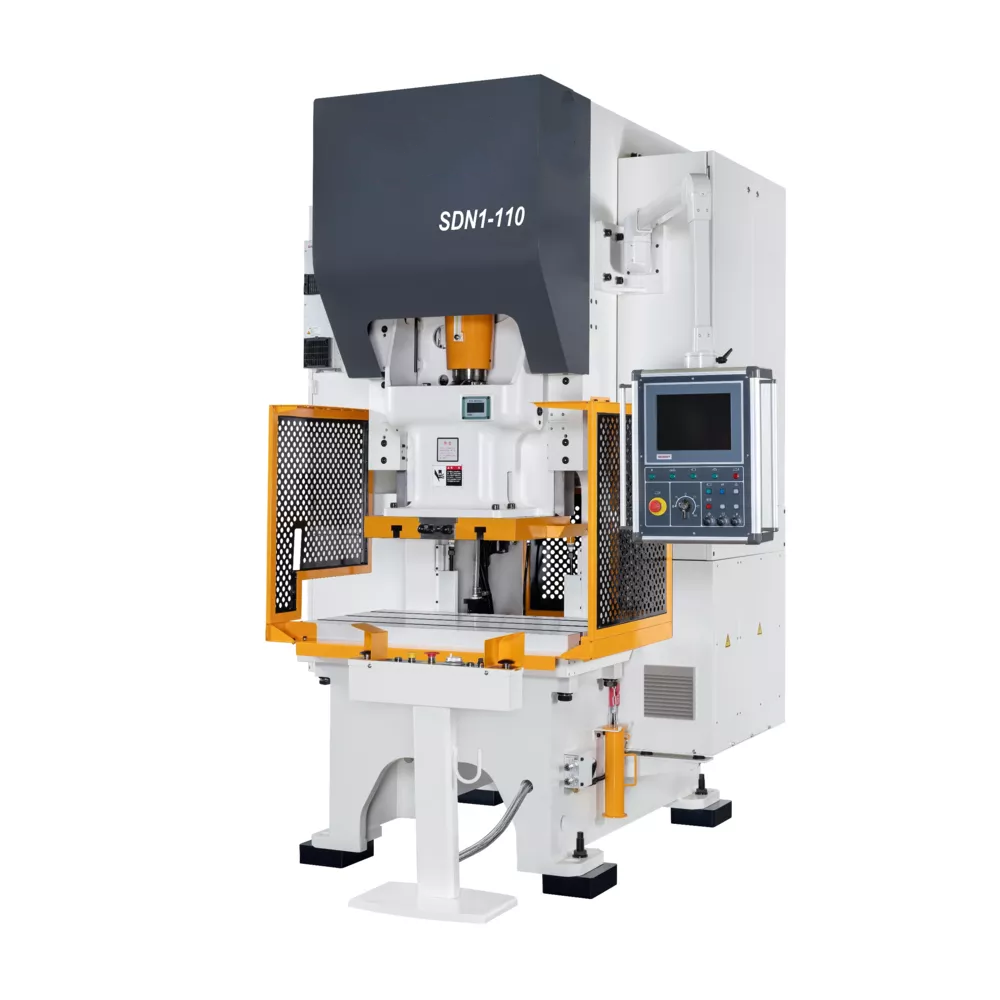
Daily inspections are the first line of defense in maintaining a stable punching machine. Before starting the shift, operators should perform a quick visual check of the main control panel and the external wiring. Look for any signs of physical damage, such as crushed cables or exposed wires that may have occurred during the previous shift’s operation. Ensuring that all emergency stop buttons are accessible and functional is a non-negotiable daily task that sets the tone for a safe working environment.
Monitoring the machine’s interface for error codes is another critical daily activity. Modern CNC punching machines are equipped with sophisticated diagnostic software that can flag minor electrical anomalies before they become major issues. If an error code appears, it should be documented and investigated immediately rather than simply cleared. Understanding the frequency and nature of these codes can help maintenance teams identify patterns that point toward specific component degradation.
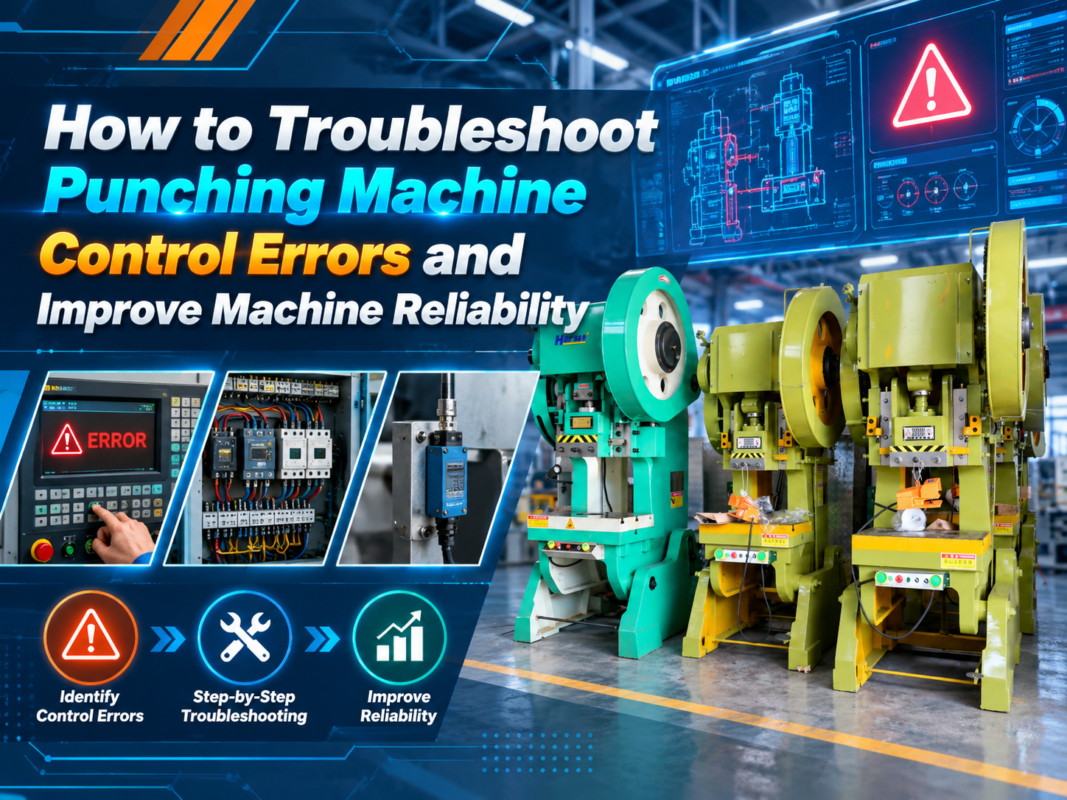
Temperature management is also a daily concern. The electrical cabinet should be kept at an optimal operating temperature. Check that cooling fans are spinning freely and that air intake filters are not clogged with dust or metal shavings. If the cabinet feels excessively hot to the touch, it is a clear indicator that the ventilation system is failing, which can lead to the premature failure of sensitive circuit boards and power supplies.
Lastly, ensure that the machine’s grounding system is secure. A loose ground connection can lead to electrical noise, which interferes with signal transmission between the controller and the actuators. A quick check of the grounding lug and the main power cable connection can prevent a host of intermittent issues that are notoriously difficult to diagnose. By making these checks a part of the daily startup routine, you create a culture of vigilance that significantly boosts machine uptime.
Comprehensive Hydraulic, Electrical, and Mechanical Checks
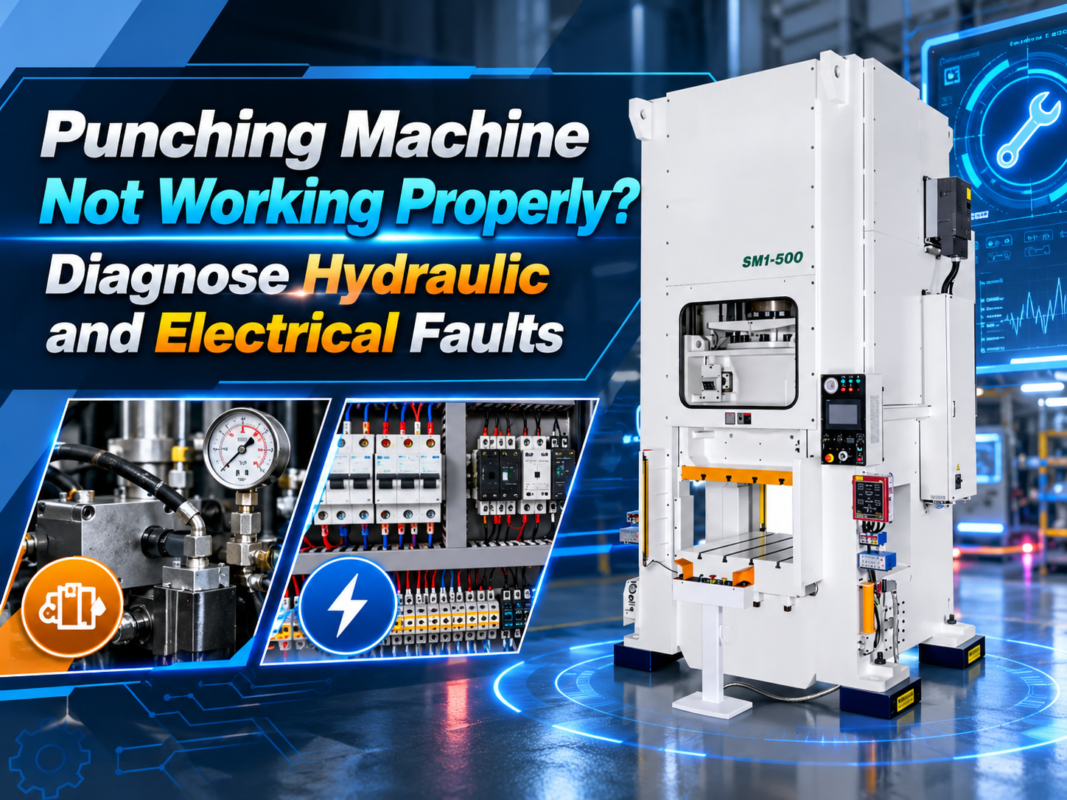
While this guide focuses on electrical systems, it is important to recognize that the electrical, hydraulic, and mechanical systems of a punching machine are deeply interconnected. For instance, a hydraulic pump motor that is drawing excessive current due to mechanical resistance will eventually cause an electrical overload. Therefore, a holistic approach to maintenance is required to ensure stable running. Regularly checking the hydraulic pressure levels and ensuring that the oil is free of contaminants is vital, as hydraulic sensors rely on clean signals to report accurate data to the PLC.
Mechanical alignment directly impacts electrical load. If the punch and die are not perfectly aligned, the machine must exert more force, which increases the current draw on the servo motors. Over time, this extra load can lead to overheating and premature wear of the motor windings. Maintenance teams should periodically check the mechanical tolerances of the ram and the tool turret to ensure that the machine is operating with minimal resistance, thereby reducing the strain on the electrical drive system.
Electrical connections should be tightened on a monthly basis. Vibration is a constant factor in metal fabrication, and it can cause terminal screws to loosen over time. A loose connection creates resistance, which generates heat, potentially melting insulation or causing intermittent signal loss. Using a calibrated torque screwdriver to check all terminal blocks within the control cabinet is a best practice that prevents these hidden issues from disrupting production.
Finally, inspect the cable tracks (drag chains) for signs of wear. Cables that move with the machine are subject to constant flexing. Over time, the internal copper strands can break, leading to intermittent connectivity. Inspecting these cables for kinks, cracks, or signs of fatigue ensures that the signal path remains intact. Replacing a cable before it fails completely is far more cost-effective than dealing with the downtime associated with a mid-production electrical failure.
Developing a Robust Lubrication Plan
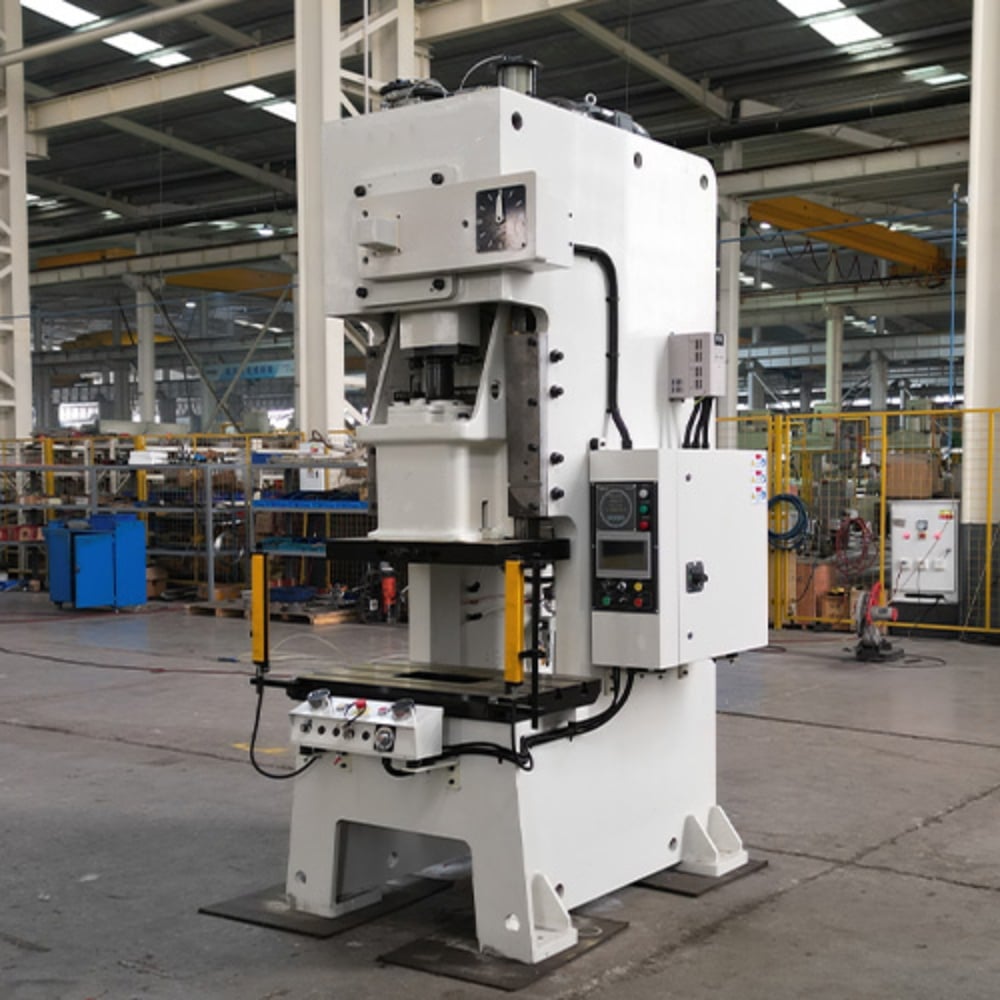
Lubrication is often viewed as a mechanical task, but it has significant electrical implications. Proper lubrication reduces the friction that the servo motors must overcome. When a machine is well-lubricated, the motors operate at their intended current levels, preventing the thermal stress that leads to electrical component degradation. A structured lubrication plan should be integrated into your overall maintenance schedule, ensuring that every grease point is serviced at the manufacturer-recommended intervals.
Use only high-quality lubricants specified by HARSLE. Using the wrong type of grease can lead to gumming or insufficient protection, both of which increase the mechanical load on the machine. Keep a detailed log of when each component was lubricated, the type of lubricant used, and the technician responsible. This documentation is invaluable for troubleshooting and for maintaining the warranty status of your equipment.
Pay special attention to the lubrication of the ball screws and guide rails. These components are the primary points of friction in the machine’s movement. If they are not properly lubricated, the increased torque required to move the axes will cause the servo drives to work harder, leading to increased heat generation in the electrical cabinet. This heat, in turn, accelerates the aging of capacitors and other electronic parts.
Automated lubrication systems should be checked for proper flow. Ensure that the pump is delivering the correct volume of lubricant to all points and that the lines are not blocked. A failure in the automated lubrication system is a silent killer of machine precision and electrical efficiency. By verifying the system’s operation during your routine maintenance checks, you ensure that the machine remains in peak condition for years to come.
Troubleshooting Signals and Warning Signs
Recognizing the early warning signs of electrical failure is a critical skill for any maintenance team. One of the most common indicators is the presence of “electrical noise” or interference, which can manifest as erratic machine behavior, phantom alarms, or inconsistent punching depth. This is often caused by poor shielding or grounding issues. If you notice the machine behaving unpredictably, check the integrity of the cable shielding and ensure that signal cables are routed away from high-voltage power lines.
Another warning sign is the smell of ozone or burning plastic. This is an immediate red flag that indicates arcing or overheating components. If this odor is detected, the machine should be shut down immediately, and the electrical cabinet should be inspected for charred terminals, melted insulation, or discolored circuit boards. Never ignore these sensory cues; they are often the only warning you will get before a major component failure occurs.
Frequent tripping of circuit breakers or blown fuses is another symptom that requires investigation. While it is tempting to simply replace the fuse or reset the breaker, this only addresses the symptom, not the cause. A breaker that trips repeatedly is signaling an overcurrent condition, which could be caused by a failing motor, a short circuit, or a mechanical bind. Use a clamp meter to measure the current draw during operation and compare it to the machine’s specifications to identify the source of the overload.
Finally, pay attention to the responsiveness of the HMI (Human-Machine Interface). If the screen becomes sluggish or displays flickering graphics, it may indicate a failing power supply or an issue with the communication bus. Keeping the software updated and ensuring that the communication cables are secure can often resolve these issues. By staying alert to these subtle signals, you can maintain the stable running of your punching machine and avoid the high costs of emergency repairs.
Maintenance Schedule Table
| Frequency | Task | Description |
|---|---|---|
| Daily | Visual Inspection | Check for loose wires, error codes, and cabinet temperature. |
| Weekly | Filter Cleaning | Clean or replace air intake filters on the electrical cabinet. |
| Monthly | Terminal Tightening | Use a torque tool to secure all electrical connections. |
| Quarterly | Cable Inspection | Check drag chains and cables for wear, kinks, or damage. |
| Bi-Annually | Grounding Check | Verify the integrity of the machine’s grounding system. |
| Annually | Deep Cleaning | Vacuum the interior of the cabinet to remove dust and debris. |
Frequently Asked Questions (FAQ)
How often should I clean the electrical cabinet?
We recommend a light inspection weekly, with a thorough vacuuming and cleaning of the interior at least once every six months to prevent dust buildup, which can cause overheating.
Why is my punching machine showing intermittent error codes?
Intermittent errors are often caused by electrical noise, loose connections, or failing sensors. Start by checking the grounding and tightening all terminal blocks.
Can I use any lubricant for my punching machine?
No, always use the specific lubricants recommended in your HARSLE operation manual to ensure optimal performance and prevent mechanical drag that stresses the electrical system.
What should I do if I smell burning from the electrical cabinet?
Shut down the machine immediately, disconnect the main power, and inspect the cabinet for signs of arcing, charred wires, or melted components. Do not restart until the issue is resolved.
How does mechanical alignment affect electrical maintenance?
Poor mechanical alignment increases the load on servo motors, causing them to draw more current and generate excess heat, which can lead to premature electrical component failure.
Is it necessary to check grounding every six months?
Yes, grounding is essential for signal integrity. Over time, connections can corrode or loosen due to vibration, making regular checks vital for stable operation.
What is the best way to prevent electrical noise?
Ensure that all signal cables are properly shielded and that signal lines are physically separated from high-voltage power lines within the cable tracks.
How can I extend the life of my servo motors?
Keep the machine well-lubricated to reduce mechanical resistance and ensure the electrical cabinet is kept cool and free of dust to prevent thermal stress on the motor drives.