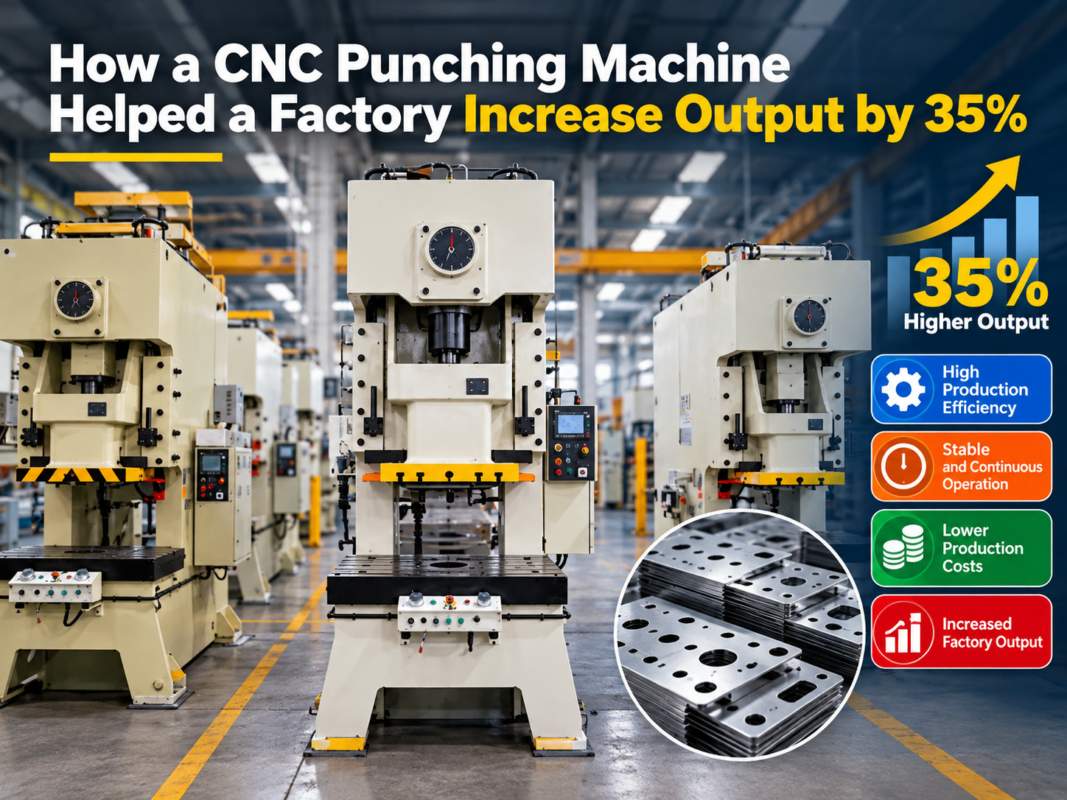
Reducing Lead Time with an Automatic Punching Machine in Custom Fabrication: A HARSLE Guide


Introduction: The Competitive Edge in Custom Fabrication
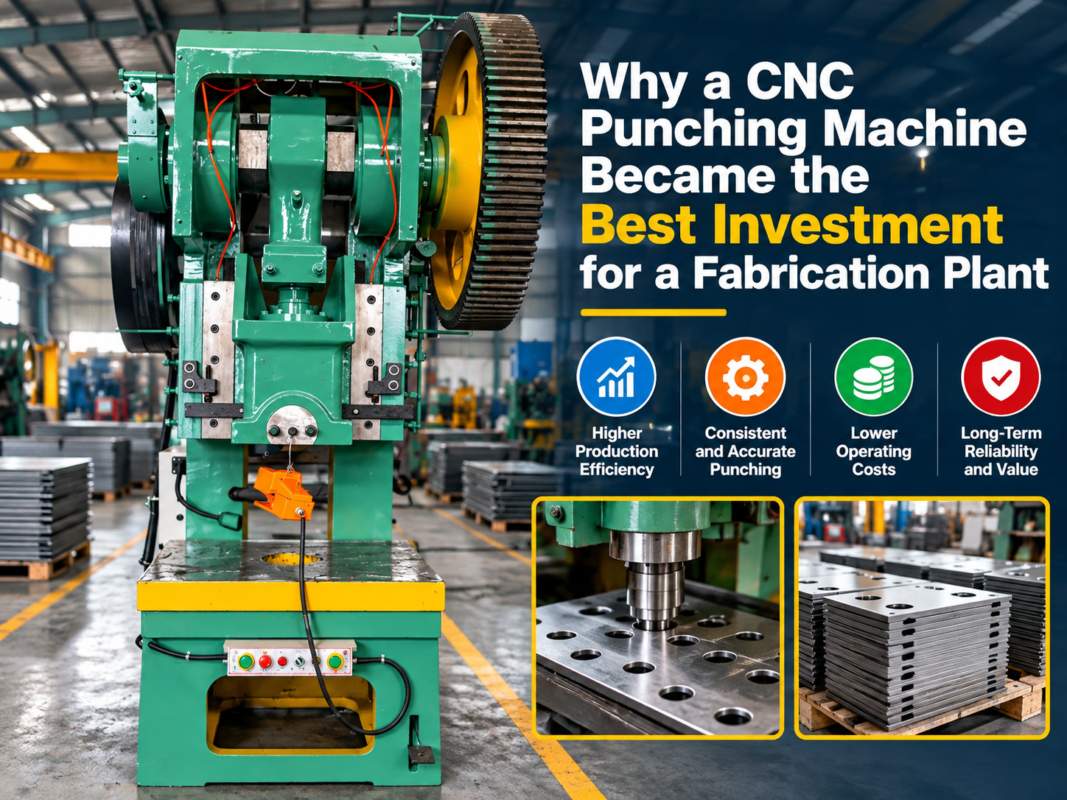
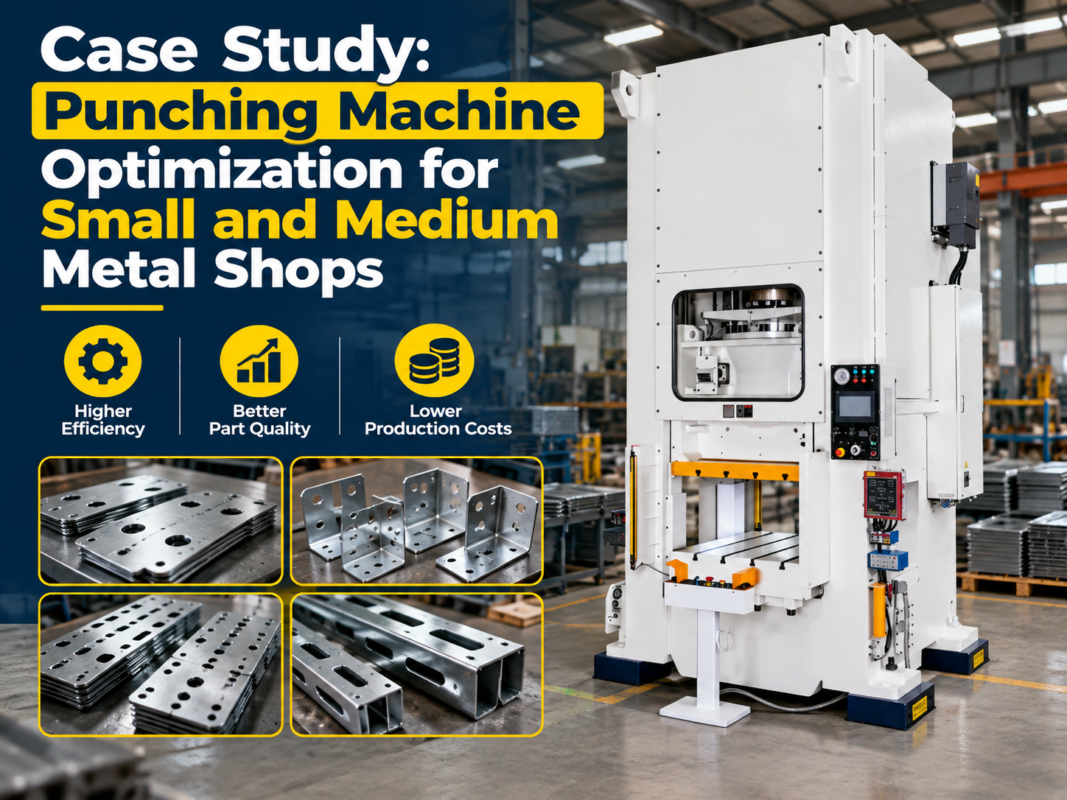
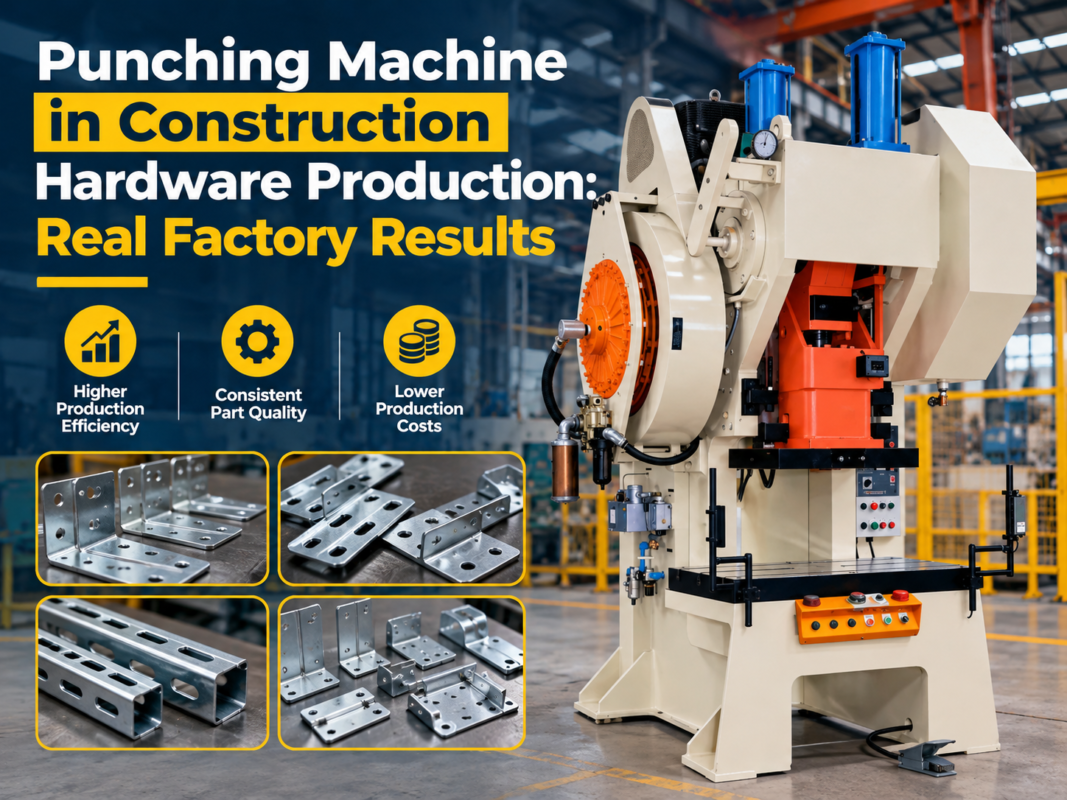
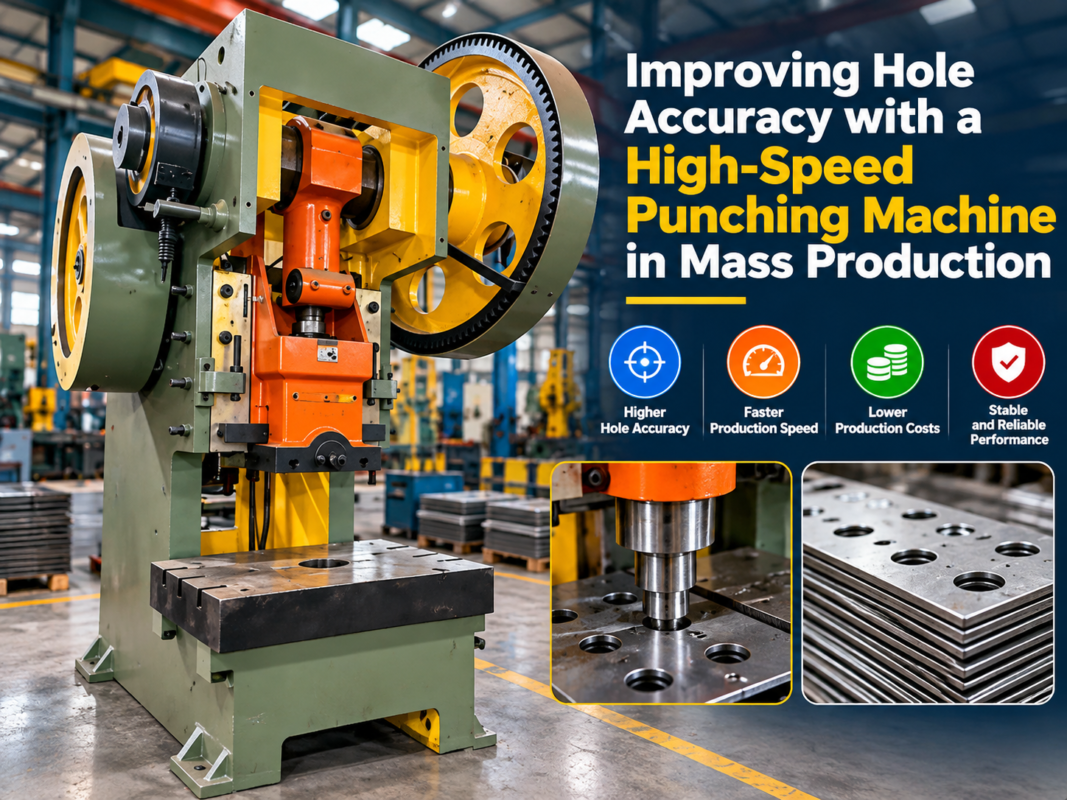
In the fast-paced world of custom metal fabrication, speed is often the primary differentiator between winning a contract and losing it to a competitor. As client demands for shorter turnaround times increase, fabricators are constantly seeking ways to optimize their workflows. Reducing lead time with an automatic punching machine in custom fabrication has emerged as one of the most effective strategies for shops looking to scale their output without compromising on quality or precision.
HARSLE understands that the modern fabrication floor requires more than just raw power; it requires intelligent automation. Traditional manual punching or outdated hydraulic systems often create bottlenecks that ripple through the entire production schedule. By integrating high-speed, automated punching solutions, fabricators can transition from labor-intensive processes to streamlined, lights-out manufacturing capabilities that keep projects moving on time, every time.
This article explores the technical advantages, operational efficiencies, and strategic benefits of adopting automatic punching technology. Whether you are a small job shop or a large-scale industrial manufacturer, understanding how to leverage these machines is essential for maintaining a competitive edge in an increasingly demanding market.
Key Considerations for Workflow Optimization
When evaluating the impact of machinery on lead times, it is vital to look at the entire production lifecycle. Reducing lead time with an automatic punching machine in custom fabrication is not just about the speed of the punch; it is about the reduction of non-value-added time. This includes setup, material handling, tool changes, and the elimination of secondary finishing processes that often delay shipping.
One of the primary considerations is the reduction of setup times. In custom fabrication, where batch sizes are often small and varied, the time spent changing tools can account for a significant portion of the production day. Modern automatic punching machines feature turret systems that hold a vast array of tools, allowing the machine to switch between operations in seconds rather than minutes or hours. This flexibility is critical for high-mix, low-volume production environments.
Another key factor is the integration of software with hardware. HARSLE machines utilize advanced nesting software that optimizes material usage while simultaneously planning the most efficient tool path. By reducing the distance the sheet travels and minimizing the number of tool changes, the machine operates at peak efficiency. This software-driven approach ensures that the machine is always working, reducing idle time and maximizing throughput.
Finally, consider the reduction of human error. Manual processes are prone to mistakes that require rework, which is the single biggest enemy of lead time. An automatic punching machine ensures that every part is produced to the exact specifications of the digital file. By eliminating the need for manual layout and marking, fabricators can move directly from design to production, shaving days off the project timeline.
Technical Details: How Automation Drives Efficiency
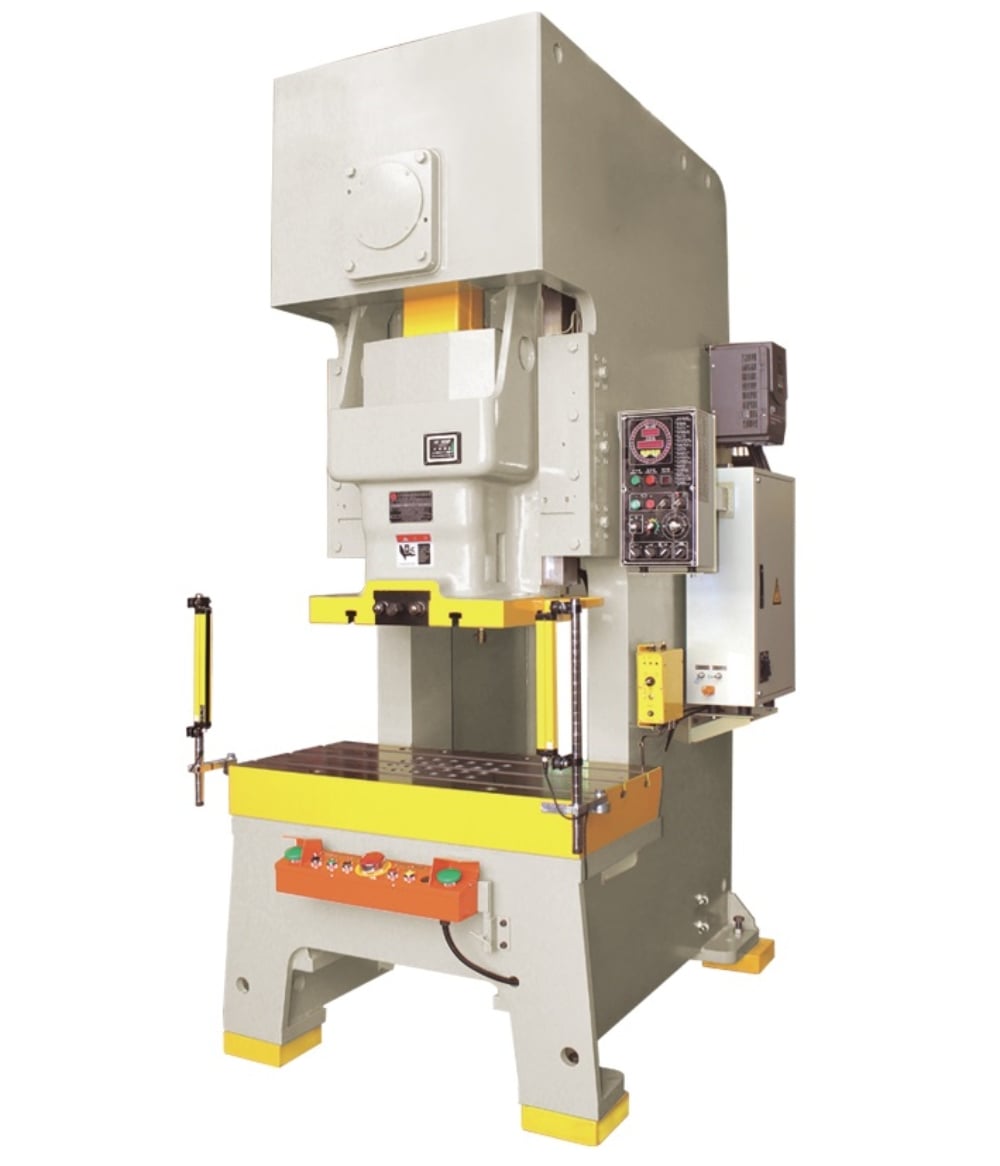
The technical superiority of HARSLE automatic punching machines lies in their servo-driven systems and robust frame construction. Unlike traditional mechanical presses, servo-electric punching machines provide precise control over the ram stroke, speed, and pressure. This level of control allows for complex forming, embossing, and tapping operations to be completed in a single setup, effectively combining multiple production steps into one.
The turret design is another critical technical component. HARSLE systems are engineered for rapid tool indexing. By utilizing a high-speed turret, the machine can rotate to the required tool station while the sheet is still moving to the next coordinate. This overlapping of movements—known as ‘flying’ tool changes—drastically reduces the cycle time per part, allowing for higher parts-per-hour metrics.
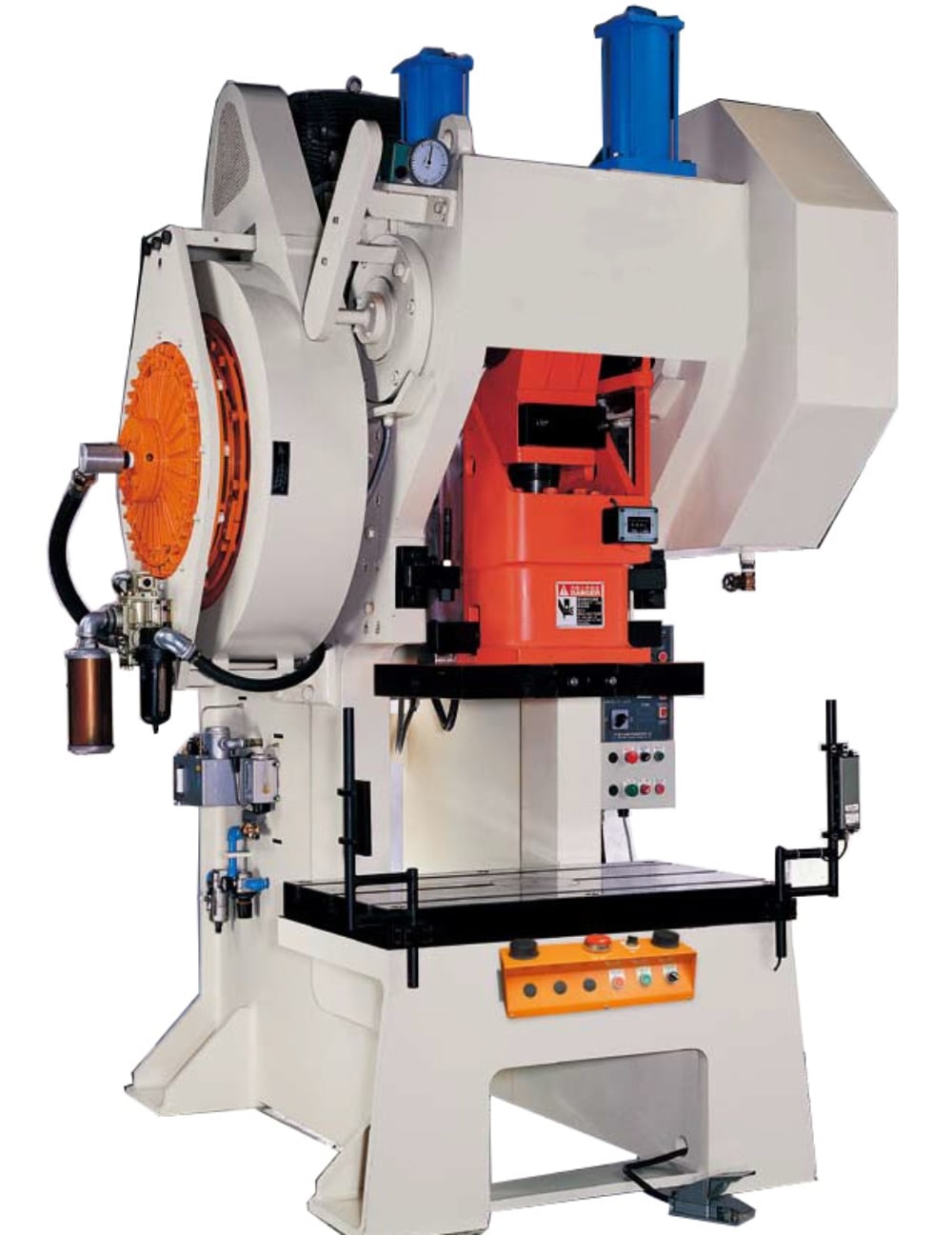
Material handling automation is the next frontier in reducing lead time. By incorporating automatic loading and unloading systems, a HARSLE punching machine can operate autonomously for extended periods. This means that a shop can continue production during lunch breaks, shift changes, or even overnight. The ability to run ‘lights-out’ is a game-changer for fabricators struggling to meet tight deadlines with limited staff.
Furthermore, the rigidity of the machine frame is essential for maintaining accuracy at high speeds. HARSLE uses stress-relieved, heavy-duty steel frames that dampen vibrations during high-frequency punching. This stability ensures that the machine can operate at its maximum rated speed without sacrificing the precision required for high-end custom components, ensuring that parts are ready for assembly immediately upon exiting the machine.
Strategic Implementation: Beyond the Machine
To truly master the art of reducing lead time with an automatic punching machine in custom fabrication, shop managers must look at the peripheral processes. The machine is the heart, but the arteries are the material flow and data management systems. Implementing a Just-in-Time (JIT) inventory system alongside your punching machine ensures that raw materials are available exactly when the machine is ready, preventing the “waiting for material” bottleneck.
Furthermore, consider the impact of predictive maintenance. Modern HARSLE machines are equipped with sensors that monitor tool wear and hydraulic pressure. By replacing a punch or die before it fails, you avoid the catastrophic downtime associated with unexpected machine failure. This proactive stance is a cornerstone of lean manufacturing and is essential for maintaining a consistent, predictable lead time for your customers.
Data-driven decision-making is also vital. By tracking machine utilization rates and cycle times through the HARSLE control interface, managers can identify which parts are the most time-consuming and adjust their quoting strategies accordingly. This transparency allows for better scheduling and more accurate delivery estimates, which in turn builds trust with your client base.
Selection Advice: Choosing the Right Equipment
Selecting the right automatic punching machine requires a deep understanding of your current and future production needs. When looking at reducing lead time with an automatic punching machine in custom fabrication, you must first analyze your typical material thickness and sheet size requirements. A machine that is too small will limit your project scope, while one that is too large may be inefficient for your standard batch sizes.
Consider the tool capacity of the turret. If your custom fabrication work involves a wide variety of shapes, holes, and forming operations, a larger turret with more stations will be a significant advantage. It allows you to keep your most frequently used tools permanently loaded, eliminating the need for constant tool changes and significantly reducing setup time between different jobs.
Evaluate the software compatibility. The best hardware is only as good as the software driving it. Ensure that the machine’s control system integrates seamlessly with your existing CAD/CAM software. HARSLE provides intuitive interfaces that allow operators to quickly import designs, nest parts, and generate tool paths, minimizing the time between receiving a customer’s drawing and starting the machine.
Finally, look for a partner, not just a vendor. The support, training, and maintenance services provided by the manufacturer are just as important as the machine itself. HARSLE offers comprehensive training to ensure your team can maximize the machine’s potential from day one. Regular maintenance schedules and the availability of spare parts are critical to ensuring that your machine remains a reliable asset that helps you meet your lead time goals year after year.
FAQ: Common Questions About Punching Automation
- How much can an automatic punching machine reduce lead time? Many fabricators report a 30% to 50% reduction in lead time by eliminating manual tool changes and secondary operations.
- Is it difficult to train operators on HARSLE punching machines? HARSLE machines are designed with user-friendly interfaces. Most operators can become proficient with basic operations within a few days of training.
- Can these machines handle different types of metal? Yes, HARSLE punching machines are versatile and can process a wide range of materials, including mild steel, stainless steel, and aluminum, with the appropriate tooling.
- What is the maintenance requirement for an automatic punch? Regular lubrication, turret cleaning, and software updates are essential. HARSLE provides detailed maintenance guides to ensure longevity.
- Does automation replace the need for skilled labor? No, it elevates the role of the operator. Instead of manual labor, operators focus on programming, quality control, and process optimization.
- How does nesting software affect lead time? Efficient nesting minimizes scrap material and reduces the total distance the punch head travels, which directly translates to faster cycle times per sheet.
Conclusion: Investing in the Future of Fabrication
Reducing lead time with an automatic punching machine in custom fabrication is a strategic investment that pays dividends in both efficiency and customer satisfaction. By automating the most time-consuming aspects of the punching process—setup, tool changes, and material handling—fabricators can achieve a level of productivity that manual methods simply cannot match. HARSLE remains committed to providing the industrial machinery necessary to help businesses thrive in a competitive landscape.
As you look to the future, consider how your production floor can evolve. The transition to automated punching is not just about buying a new machine; it is about adopting a mindset of continuous improvement. With the right technology, the right software, and a commitment to operational excellence, you can transform your fabrication shop into a high-speed, high-precision powerhouse that consistently delivers on time and exceeds client expectations. The path to shorter lead times is clear: invest in automation, prioritize software integration, and partner with a manufacturer that understands the nuances of modern metal fabrication.