
The Role of Press Brakes in Industrial Chassis and Frame Manufacturing: A Comprehensive Guide


Introduction
In the modern landscape of heavy-duty manufacturing, the structural integrity of vehicles, machinery, and industrial equipment relies heavily on the precision of their chassis and frames. The Role Of Press Brakes In Industrial Chassis Frame Manufacturing is foundational, serving as the primary technology for transforming flat metal sheets into complex, load-bearing components. As industries demand higher strength-to-weight ratios and tighter tolerances, the press brake has evolved from a simple bending tool into a sophisticated, computer-controlled powerhouse.
HARSLE, as a leader in metal fabrication equipment, recognizes that the chassis is the backbone of any industrial application. Whether it is for automotive assembly, agricultural machinery, or heavy construction equipment, the bending process determines the structural performance and safety of the final product. This article explores how modern press brakes facilitate the creation of high-performance frames, ensuring that every bend meets the rigorous standards required for industrial durability.
The integration of CNC technology and advanced hydraulic systems has revolutionized how manufacturers approach frame production. By automating the bending sequence, fabricators can achieve consistent results across large production runs, minimizing material waste and reducing labor costs. Understanding the technical nuances of these machines is essential for any facility looking to optimize its production line and maintain a competitive edge in the global market.
Throughout this guide, we will delve into the technical specifications, selection criteria, and operational best practices that define the role of press brakes in the fabrication industry. By leveraging the right equipment, manufacturers can ensure that their chassis and frame components are not only accurate but also produced with maximum efficiency and safety in mind.
Key Considerations in Chassis and Frame Fabrication
When manufacturing chassis and frames, the primary challenge lies in managing thick, high-strength materials while maintaining extreme dimensional accuracy. The Role Of Press Brakes In Industrial Chassis Frame Manufacturing involves handling large-scale workpieces that require significant tonnage and precise control over the bending angle. Fabricators must consider the material’s spring-back characteristics, which vary depending on the alloy and thickness of the steel used in frame construction.
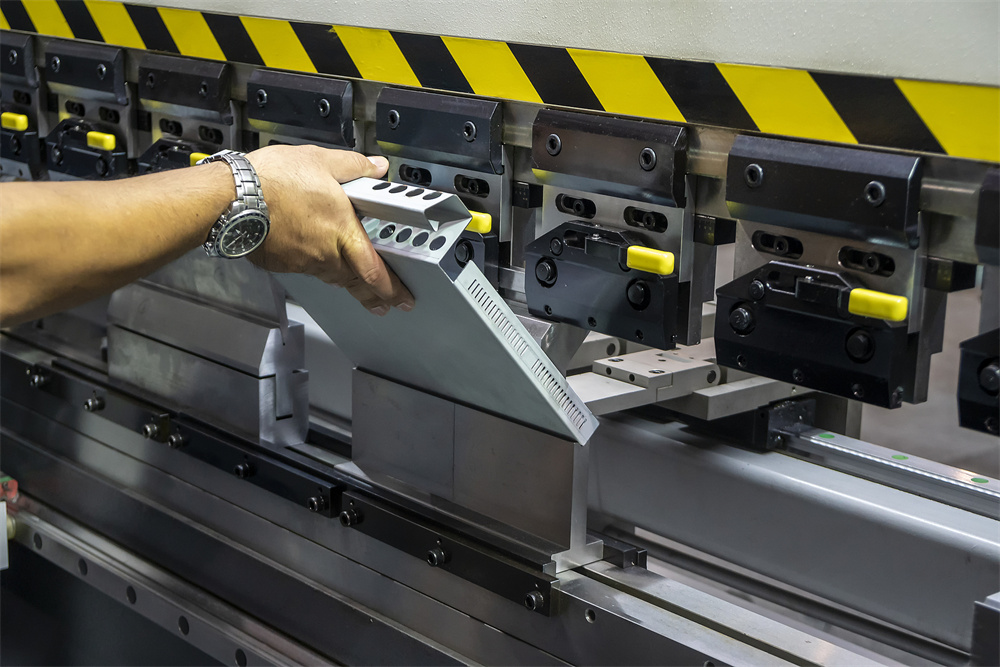
Material handling is another critical consideration. Chassis components are often long, heavy, and cumbersome, requiring specialized support systems to ensure the workpiece remains stable during the bending cycle. Without proper support, the weight of the material can cause deflection, leading to inaccurate bends and potential safety hazards for the operator. HARSLE press brakes are designed with advanced backgauge systems and support arms to mitigate these risks.
The complexity of the frame design often necessitates multi-stage bending. A single chassis rail might require multiple bends at different angles to accommodate engine mounts, suspension points, and structural reinforcements. The ability of a press brake to store and execute complex bending programs is vital for maintaining throughput. Modern CNC controllers allow operators to sequence these bends efficiently, reducing the need for manual adjustments and minimizing the risk of human error.
Finally, safety and ergonomics cannot be overlooked. Because chassis manufacturing involves large, heavy sheets, the interaction between the operator and the machine must be strictly controlled. Light curtains, laser safety systems, and automated tool clamping are essential features that protect the workforce while ensuring that the machine operates at peak performance. Investing in high-quality, safety-compliant equipment is a non-negotiable aspect of modern industrial fabrication.
Technical Details of Modern Press Brakes
The technical sophistication of a press brake is measured by its ability to deliver consistent force across the entire length of the bed. In chassis manufacturing, where frames can span several meters, the issue of bed deflection is a major concern. HARSLE utilizes advanced crowning systems—either manual or motorized—to compensate for the natural deformation of the machine frame under load, ensuring that the bend angle remains uniform from one end of the workpiece to the other.
Hydraulic systems have also seen significant advancements. Modern machines utilize proportional valve technology, which allows for precise control over the ram’s position and speed. This level of control is crucial when working with high-tensile steels that require specific bending speeds to prevent cracking or surface defects. By fine-tuning the pressure and speed, fabricators can achieve high-quality results even with the most challenging materials.
The CNC controller serves as the brain of the operation. Modern controllers support 3D simulation, allowing engineers to visualize the bending process before a single piece of metal is cut. This simulation capability helps identify potential collisions between the workpiece and the machine tools, saving time and preventing costly mistakes. Furthermore, these controllers can integrate with CAD/CAM software, enabling a seamless transition from design to production.
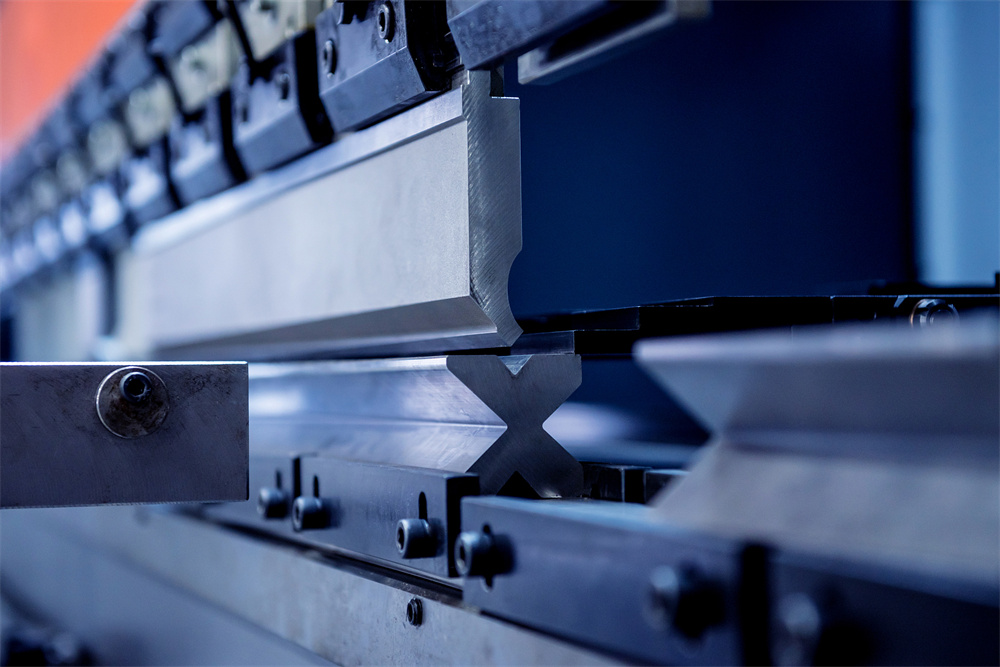
Tooling selection is equally important. For chassis frames, which often involve heavy-gauge plate, the use of hardened, high-durability punches and dies is essential. The geometry of the tool must be matched to the material thickness and the desired bend radius. HARSLE provides a wide range of tooling solutions designed to withstand the high pressures associated with heavy-duty frame fabrication, ensuring longevity and consistent performance.
Selection Advice for Industrial Fabricators
Selecting the right press brake for chassis and frame manufacturing requires a thorough analysis of your production requirements. The first factor to consider is the maximum tonnage required. This is determined by the material thickness, the length of the bend, and the tensile strength of the metal. It is always advisable to select a machine with a slightly higher tonnage capacity than your current needs to allow for future growth and the ability to handle thicker materials.
The bed length is another critical specification. For chassis manufacturing, you need a machine that can accommodate the longest rail you intend to produce. However, it is also important to consider the “daylight” opening and the stroke length. A larger daylight opening provides more flexibility for using tall tools, which is often necessary for complex frame geometries that require deep box-like bends.
Consider the level of automation required for your facility. If you are producing high volumes of identical parts, a robotic bending cell may be the most efficient solution. Robots can handle the heavy lifting and positioning of large chassis components, significantly increasing throughput and reducing the risk of workplace injuries. For smaller, high-mix production runs, a highly flexible CNC press brake with quick-change tooling is a better investment.
Finally, evaluate the support and service provided by the manufacturer. A press brake is a long-term investment, and you need a partner who can provide technical support, spare parts, and training. HARSLE prides itself on offering comprehensive after-sales service, ensuring that your equipment remains operational and productive throughout its lifecycle. When choosing a machine, look for a manufacturer with a proven track record in the heavy fabrication industry.
FAQ: Press Brake Applications in Chassis Manufacturing
- What is the most important factor when bending thick steel for chassis frames? The most important factor is managing the bending force and ensuring the machine has sufficient tonnage and a robust crowning system to prevent deflection.
- How does CNC technology improve frame manufacturing? CNC controllers allow for precise, repeatable bends, complex sequence programming, and 3D simulation, which reduces waste and setup time.
- Why is material spring-back a concern in chassis fabrication? High-strength steels tend to return to their original shape after bending. Modern press brakes use angle-measuring systems to compensate for this, ensuring the final angle is accurate.
- Can a standard press brake handle all chassis components? While many components can be bent on standard machines, specialized tooling and support systems are often required for long, heavy, or complex frame rails.
- How often should a press brake be maintained? Regular maintenance, including hydraulic fluid checks, tool inspection, and calibration, should be performed according to the manufacturer’s schedule to ensure accuracy and safety.
Conclusion
Le Role Of Press Brakes In Industrial Chassis Frame Manufacturing is indispensable. As the primary tool for shaping the structural components that support our world, the press brake must be reliable, precise, and capable of handling the demands of heavy-duty fabrication. By understanding the technical requirements, selecting the right equipment, and prioritizing safety and maintenance, manufacturers can ensure that their chassis and frame production remains efficient and high-quality.
HARSLE remains committed to advancing the capabilities of metal fabrication equipment. Our range of hydraulic press brakes is engineered to meet the challenges of modern industry, providing the power and precision needed to build the frames of tomorrow. Whether you are a small job shop or a large-scale manufacturer, investing in the right technology is the first step toward achieving excellence in your fabrication processes. Explore our full range of solutions and discover how HARSLE can support your production goals.












