
How to Solve Laser Cutting Machine Focus Position Problems: A Comprehensive Guide


Introduction
In the high-precision world of metal fabrication, the laser cutting machine stands as a cornerstone of productivity and accuracy. However, even the most advanced HARSLE fiber laser systems can encounter performance degradation if the focal point is not correctly calibrated. When operators ask how to solve laser cutting machine focus position problems, they are essentially asking how to restore the integrity of their production line. The focal point is the specific location where the laser beam converges to its smallest diameter, concentrating maximum energy density to melt or vaporize material.
If this point is misaligned, the result is immediately visible: poor edge quality, excessive dross, incomplete cuts, or even damage to the nozzle and lens assembly. Understanding the physics behind the focal position is the first step toward mastering your equipment. Whether you are cutting thin stainless steel or thick carbon steel plates, the focus position must be dynamically adjusted to match the material thickness and the specific gas pressure being utilized.
This guide serves as an essential resource for shop floor managers, machine operators, and maintenance technicians. We will delve into the technical nuances of focal length, beam waist, and the automated systems that modern HARSLE machines employ to ensure consistent results. By following these professional insights, you can minimize downtime, reduce material waste, and extend the lifespan of your critical optical components.
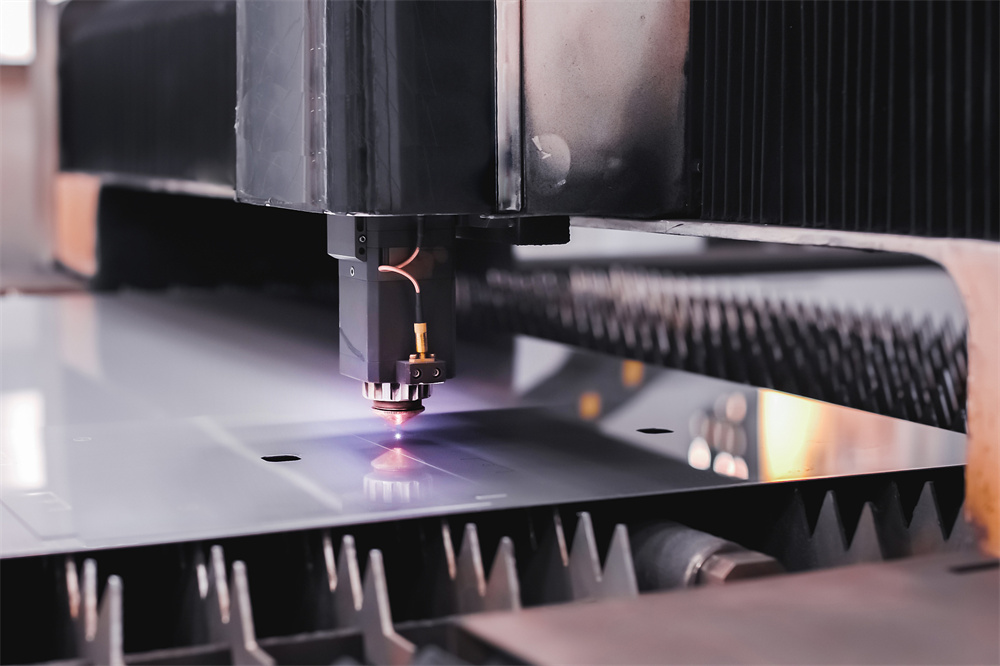
Key Considerations for Laser Focus Accuracy
The primary consideration when addressing focus issues is the distinction between the ‘zero focus’ position and the ‘offset’ position. The zero focus is the point where the beam diameter is at its absolute minimum. In many applications, especially when cutting thicker materials, the focus is intentionally shifted below the surface of the material to ensure the beam penetrates the entire thickness effectively. If your machine is failing to cut through, the first step is to verify that your software settings align with the physical reality of the lens assembly.
Environmental factors also play a significant role in focus stability. Thermal expansion is a common culprit in industrial settings. As the laser head heats up during prolonged operation, the internal components of the cutting head can expand slightly, shifting the focal point. High-quality HARSLE machines are designed with advanced cooling systems to mitigate this, but operators must still perform periodic checks during long shifts to ensure that the focus has not drifted due to heat accumulation.
Nozzle selection and alignment are equally critical. The nozzle is not just a gas delivery component; it is an integral part of the optical path. If the nozzle is damaged, clogged, or misaligned, the gas flow becomes turbulent, which can deflect the laser beam and effectively shift the focal point away from the desired location. Regular inspection of the nozzle tip for concentricity is a mandatory maintenance task for any operator looking to solve laser cutting machine focus position problems.
Finally, consider the state of your protective window. A dirty or pitted protective lens will scatter the laser beam before it reaches the material. This scattering effect prevents the beam from converging at the intended focal point, leading to a wider, less intense cut. Maintaining a clean optical path is the most cost-effective way to prevent focus-related errors. Always use lint-free wipes and optical-grade cleaning solutions to maintain the clarity of your lenses.
Technical Details: Calibrating the Focal Point
To technically solve laser cutting machine focus position problems, one must understand the ‘Focus Test’ procedure. This involves cutting a series of small lines or shapes while incrementally changing the focus position in the software. By observing the width and quality of the kerf (the cut width) for each step, the operator can identify the exact setting where the beam is most concentrated. This ‘sweet spot’ should be recorded in your material library for future reference.
Modern fiber laser machines utilize an auto-focus cutting head. These heads contain internal lenses that move along the Z-axis to adjust the focal position dynamically. If you are experiencing focus issues, the first technical check is to ensure the auto-focus motor is calibrated. If the motor is sluggish or failing to reach the commanded position, the software will report an error, or worse, the machine will continue to cut with an incorrect focus, leading to inconsistent part quality.
Beam divergence is another technical factor. As the laser beam travels from the resonator to the cutting head, it must be perfectly centered through the various mirrors and collimators. If the beam is not centered, it will hit the side of the nozzle, causing the nozzle to heat up and potentially damaging the internal optics. This misalignment often manifests as a focus problem because the beam is no longer hitting the material at the correct angle or intensity.
Furthermore, the gas pressure settings must be synchronized with the focus position. When cutting with high-pressure nitrogen, the gas flow helps clear the molten metal from the kerf. If the focus is too high or too low, the gas flow cannot effectively remove the material, leading to dross accumulation. Adjusting the focus position in conjunction with the gas pressure is a balancing act that requires a deep understanding of the material’s thermal properties and the machine’s specific cutting parameters.
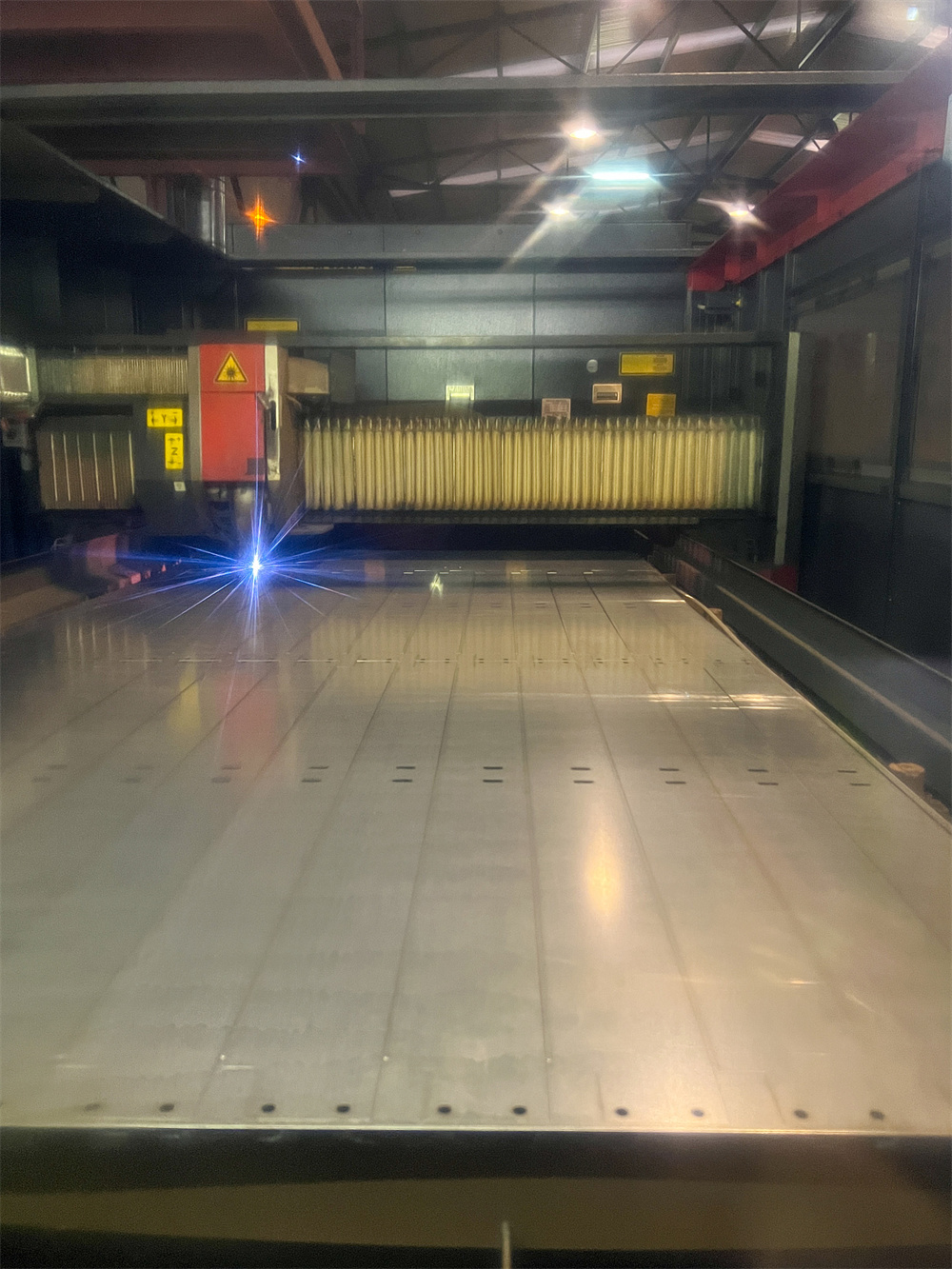
Selection Advice for Optimal Performance
When selecting a laser cutting machine, prioritize models that feature robust, water-cooled auto-focus heads. HARSLE’s range of fiber lasers is engineered with high-precision sensors that monitor the focal position in real-time. Investing in a machine with integrated diagnostic software allows operators to identify focus drift before it results in scrap parts. Look for systems that offer ‘closed-loop’ control, where the machine automatically compensates for minor thermal shifts during operation.
Consider the type of optics used in the machine. High-quality lenses with anti-reflective coatings are essential for maintaining a stable focal point. While cheaper alternatives may seem attractive, they often degrade faster under high-power conditions, leading to frequent focus instability. Always source replacement optics from reputable manufacturers to ensure that the focal length specifications match your machine’s original design parameters.
Another factor in selection is the ease of maintenance. A machine that allows for quick and easy access to the cutting head for lens cleaning and nozzle replacement will naturally have fewer focus-related issues. If the maintenance process is overly complex, operators are more likely to skip it, leading to a gradual decline in machine performance. Choose a system that emphasizes user-friendly maintenance protocols.
Finally, ensure that your machine is equipped with a comprehensive material database. A good database will have pre-programmed focus positions for various thicknesses and materials. This eliminates the guesswork for the operator and ensures that the machine is always running at its optimal focal point. When you purchase a HARSLE machine, you are not just buying hardware; you are gaining access to a wealth of technical expertise and optimized cutting parameters that simplify the entire fabrication process.
FAQ: Solving Common Focus Issues
- Q: Why does my laser cut quality change during a long shift?
A: This is usually due to thermal expansion of the cutting head components. Ensure your chiller is set to the correct temperature and that the cooling system is functioning properly. - Q: How often should I perform a focus test?
A: We recommend performing a focus test whenever you switch to a new material type or thickness, or if you have recently performed maintenance on the cutting head. - Q: Can a dirty nozzle cause focus problems?
A: Absolutely. A dirty or damaged nozzle disrupts the gas flow and can cause the laser beam to scatter, effectively shifting the focal point. - Q: What is the difference between positive and negative focus?
A: Positive focus is when the focal point is above the material surface, often used for thicker materials to improve edge quality. Negative focus is below the surface, often used for piercing or specific cutting requirements. - Q: How do I know if my auto-focus motor is failing?
A: If you notice inconsistent cut quality despite using the correct parameters, or if the machine displays Z-axis limit errors, the auto-focus motor may need calibration or replacement.
Conclusion
Solving laser cutting machine focus position problems is a fundamental skill for any professional in the metal fabrication industry. By understanding the relationship between the laser beam, the cutting head optics, and the material properties, you can ensure that your HARSLE machine consistently delivers high-quality results. Remember that precision is not a one-time setup but a continuous process of monitoring, maintenance, and adjustment.
Regularly cleaning your optics, verifying nozzle alignment, and utilizing the machine’s built-in diagnostic tools will go a long way in preventing the most common focus-related issues. When in doubt, refer to your machine’s manual or contact the HARSLE support team for guidance on specific material parameters. By treating your laser cutting machine with the care and technical attention it deserves, you will maximize your productivity and maintain a competitive edge in the metal fabrication market.
As technology continues to evolve, HARSLE remains committed to providing the most advanced and reliable laser cutting solutions. Whether you are a small job shop or a large-scale manufacturer, mastering the focus position is the key to unlocking the full potential of your equipment. Stay proactive, keep your optics clean, and continue to refine your processes to achieve the perfect cut every single time.












