
Troubleshooting Punching Machine Inconsistent Hole Size In Production: A Comprehensive HARSLE Guide


Introduction to Precision Punching
In the high-stakes world of metal fabrication, precision is the currency of success. For manufacturers relying on HARSLE punching equipment, maintaining consistent hole dimensions is critical to meeting engineering tolerances and ensuring seamless assembly. When a production run begins to show variations in hole diameter or shape, it can lead to significant material waste, increased downtime, and potential failure of the final product. Troubleshooting punching machine inconsistent hole size in production is a systematic process that requires a deep understanding of both mechanical and material variables.
Inconsistent hole sizes are rarely the result of a single catastrophic failure. Instead, they often stem from a cumulative effect of wear, improper setup, or environmental factors affecting the machine’s performance. As a leading provider of metal fabrication equipment, HARSLE emphasizes that proactive maintenance and rigorous diagnostic procedures are the best defenses against these inaccuracies. This guide serves as a comprehensive resource for operators and maintenance engineers to identify, isolate, and rectify the root causes of dimensional instability in punching operations.
Understanding the relationship between the punch, the die, the material, and the machine’s hydraulic or mechanical drive system is essential. When these components work in perfect harmony, the result is a clean, accurate hole. When they drift, the quality suffers. By following the structured troubleshooting steps outlined in this article, you can restore your production line to peak efficiency and ensure that every part meets the required specifications.
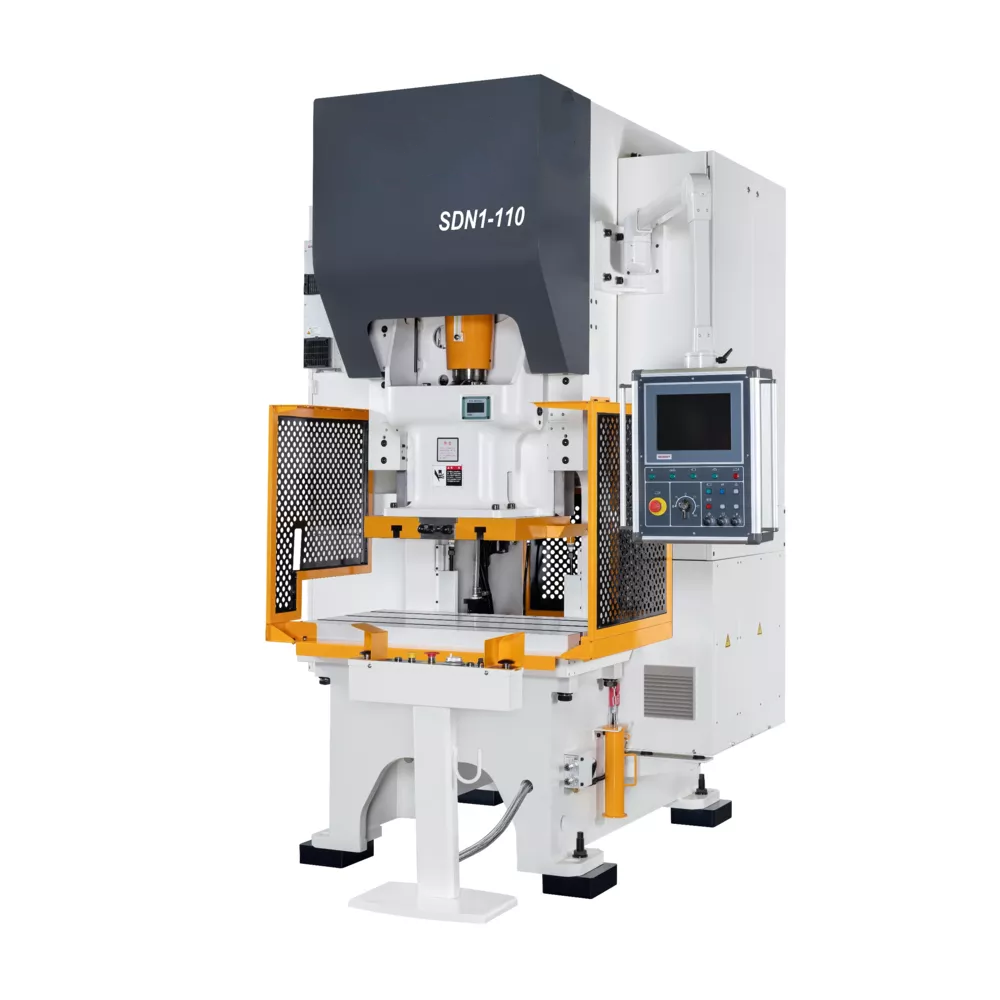
Key Considerations for Hole Consistency
The first step in addressing inconsistent hole sizes is to evaluate the mechanical integrity of the tooling. The punch and die clearance is perhaps the most significant factor in hole quality. If the clearance is too large, the material is pulled into the die, causing burrs and potential deformation that makes the hole appear larger or irregular. Conversely, if the clearance is too tight, the punch may experience excessive friction, leading to heat buildup and premature tool wear, which eventually results in inconsistent sizing as the tool degrades.
Material properties play a massive role in how a hole is formed. Variations in material thickness, hardness, or grain direction can cause the metal to react differently during the punching cycle. For instance, if a batch of steel has a higher carbon content than the previous batch, the punching force required will increase, potentially causing the machine frame to deflect slightly. This deflection, while often microscopic, can be enough to throw off the alignment of the punch and die, leading to inconsistent hole shapes.
The clamping system and material positioning are equally critical. If the sheet metal is not held firmly against the die surface, it can shift during the punching stroke. This movement, known as ‘sheet flutter’ or ‘walking,’ results in elongated or oval-shaped holes rather than the intended circular geometry. Ensuring that your HARSLE machine’s clamps are properly adjusted and that the material is flat is a fundamental troubleshooting step that should never be overlooked.
Finally, consider the environmental and operational conditions of your shop floor. Temperature fluctuations can affect the viscosity of hydraulic oil in hydraulic punching machines. If the oil is too cold, the machine may not reach full operating pressure, leading to sluggish performance and inconsistent stroke depth. Regular monitoring of hydraulic pressure gauges and ensuring the machine is warmed up before starting a production run are simple yet effective ways to maintain consistency.
Technical Details: Diagnosing Mechanical Wear
When troubleshooting punching machine inconsistent hole size in production, you must perform a thorough inspection of the punch and die set. Over time, the cutting edges of the punch become rounded. A dull punch requires more force to penetrate the material, which increases the stress on the machine and can cause the punch to ‘wander’ slightly before it fully pierces the metal. This wandering is a primary cause of hole size variation and poor edge quality.
Inspect the die for signs of chipping or uneven wear. If the die is chipped, the material will not be supported uniformly around the perimeter of the punch, leading to irregular hole shapes. Use a precision micrometer to measure the punch diameter and the die opening. Compare these measurements against the original manufacturer specifications. Even a deviation of a few hundredths of a millimeter can have a compounding effect on the final hole size, especially when working with thin-gauge materials.
The machine’s guide system, including the ram and the tool holders, must be checked for play. If there is excessive clearance in the ram guides, the punch may not enter the die perfectly centered. This misalignment causes the punch to strike the side of the die, leading to ‘nibbling’ of the tool and inconsistent hole diameters. HARSLE machines are designed with high-precision guides, but these require periodic lubrication and adjustment to compensate for natural wear over thousands of cycles.
Check the hydraulic or mechanical drive linkage for any signs of looseness. In hydraulic systems, air in the lines can cause the ram to ‘bounce’ or hesitate, preventing a clean, consistent stroke. Bleeding the hydraulic system and checking for leaks are essential maintenance tasks. For mechanical machines, ensure that the clutch and brake assemblies are functioning correctly. If the brake is slipping, the punch may not stop at the exact bottom dead center, resulting in inconsistent penetration depth and, consequently, inconsistent hole sizes.
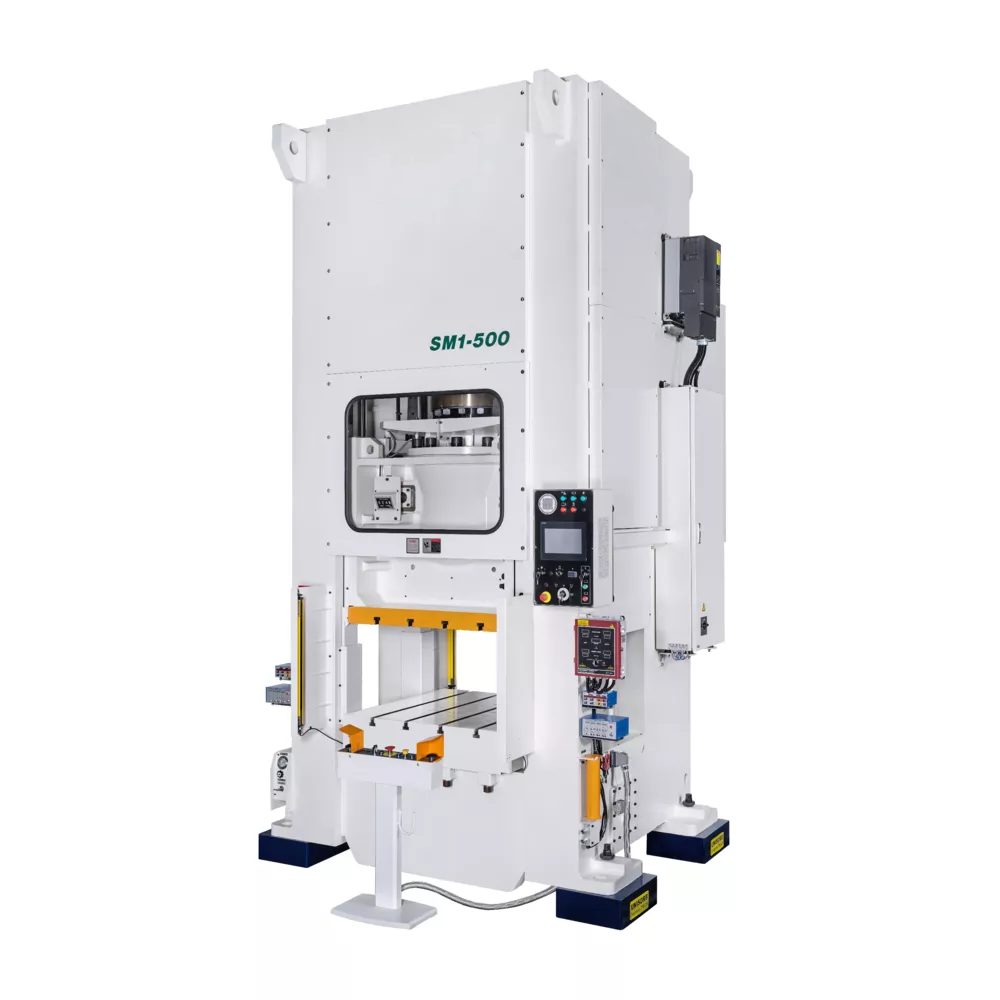
Selection Advice: Choosing the Right Equipment
Selecting the right punching machine for your specific application is the best way to prevent inconsistent hole sizes before they start. If your production involves high-strength alloys or thick plates, you need a machine with a rigid frame and high-tonnage capacity. A machine that is constantly operating at its maximum capacity will experience more frame deflection, leading to the very inconsistencies you are trying to avoid. Always choose a machine with a 20-30% tonnage buffer for your heaviest expected task.
Consider the type of control system integrated into the machine. Modern CNC punching machines offer superior control over stroke speed, dwell time, and positioning accuracy compared to manual or semi-automatic models. If your production requires high-precision holes, investing in a machine with advanced CNC capabilities allows you to program specific parameters for different materials, ensuring that the machine adapts to the task rather than forcing the task to fit the machine’s limitations.
Look for machines that feature automatic tool lubrication and cooling systems. Heat is the enemy of precision. By keeping the tooling cool and lubricated, you significantly extend the life of the punch and die, maintaining their sharpness and dimensional accuracy for much longer periods. HARSLE offers various options for integrated cooling and lubrication that can be tailored to your specific production environment.
Finally, evaluate the availability of support and spare parts. A machine is only as good as the service behind it. When selecting a punching machine, ensure that the manufacturer provides comprehensive documentation, training for your operators, and a reliable supply chain for replacement parts. Having access to high-quality, genuine OEM tooling is crucial for maintaining the tight tolerances required in modern metal fabrication.
FAQ: Common Questions on Punching Accuracy
- Q: How often should I sharpen my punches and dies?
A: The frequency depends on the material type, thickness, and production volume. As a rule of thumb, sharpen tools when you notice an increase in burr height or a slight change in hole dimensions. Do not wait for the tool to fail completely. - Q: Can the material type cause hole size variations?
A: Yes. Different materials have different spring-back characteristics. When punching, the material may expand slightly after the punch is removed. If you switch materials, you may need to adjust your die clearance or punch size to compensate. - Q: Why are my holes oval instead of round?
A: This is usually caused by material movement during the stroke. Check your clamping pressure and ensure the material is held securely. It can also be caused by a punch that is not perfectly aligned with the die. - Q: Does hydraulic oil temperature affect hole size?
A: Yes. Cold oil is more viscous, which can slow down the ram speed and affect the consistency of the punch stroke. Always allow your machine to reach operating temperature before starting a production run. - Q: What is the most common cause of inconsistent hole size?
A: In most cases, it is a combination of dull tooling and improper die clearance. Regularly inspecting these two factors will solve the vast majority of consistency issues.
Conclusion
Troubleshooting punching machine inconsistent hole size in production is a vital skill for any metal fabrication facility. By maintaining a disciplined approach to tool inspection, material handling, and machine maintenance, you can ensure that your HARSLE punching equipment delivers the precision and reliability your customers expect. Remember that consistency is not a one-time achievement but the result of ongoing attention to detail and proactive care.
If you find that you have exhausted these troubleshooting steps and are still experiencing issues, do not hesitate to reach out to the HARSLE technical support team. Our experts are dedicated to helping you optimize your production processes and maximize the lifespan of your equipment. With the right tools, the right knowledge, and a commitment to quality, you can overcome any challenge and maintain a competitive edge in the metal fabrication industry.
Investing in your machine’s health today will save you countless hours of downtime and material waste tomorrow. Keep your tooling sharp, your machine calibrated, and your operators trained, and you will find that consistent, high-quality hole production becomes the standard rather than the exception in your shop.












