Where Shearing Machines Are Used In Electrical Enclosure Manufacturing: A Comprehensive Guide


Introduction to Shearing in Electrical Enclosure Production
In the modern landscape of electrical infrastructure, the demand for high-quality, durable, and precisely engineered enclosures is at an all-time high. Whether housing sensitive telecommunications equipment, industrial control panels, or power distribution units, these enclosures must meet rigorous safety and environmental standards. At the heart of this manufacturing process lies the shearing machine, a fundamental piece of metal fabrication equipment that dictates the initial quality of the final product.
Understanding where shearing machines are used in electrical enclosure manufacturing is essential for fabricators aiming to optimize their production lines. The shearing process is the primary step in transforming raw sheet metal—typically cold-rolled steel, stainless steel, or aluminum—into the flat blanks that will eventually be bent, punched, and welded into a protective housing. Without the precision provided by a high-quality hydraulic shearing machine, the subsequent stages of production would suffer from dimensional inaccuracies and structural weaknesses.
HARSLE has long been a leader in providing robust industrial machinery designed to handle the specific challenges of the electrical enclosure industry. From high-speed cutting to maintaining tight tolerances on thin-gauge materials, our equipment is engineered to ensure that every cut is clean, burr-free, and perfectly square. This article explores the critical roles these machines play, the technical considerations for manufacturers, and how to select the right equipment for your facility.
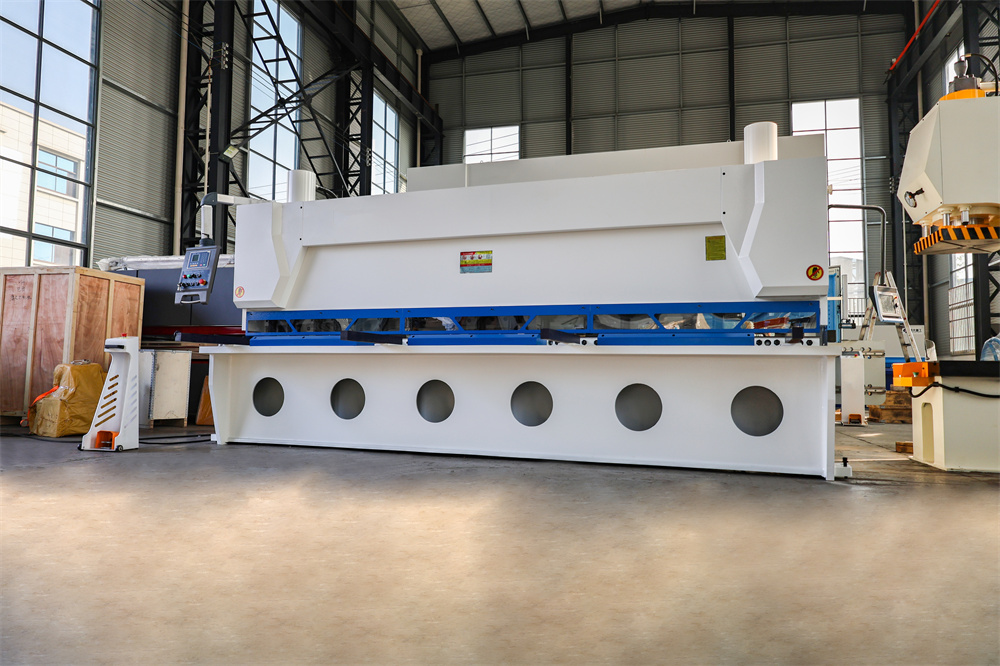
Key Considerations for Electrical Enclosure Fabrication
When analyzing where shearing machines are used in electrical enclosure manufacturing, one must first consider the unique requirements of the industry. Electrical enclosures are often modular, requiring high repeatability. If a side panel is cut even a fraction of a millimeter off-square, the entire assembly may fail to seal correctly, compromising the IP (Ingress Protection) rating of the enclosure. Therefore, the shearing process must be characterized by extreme stability and repeatability.
Material thickness is another critical factor. Most electrical enclosures are manufactured from sheet metal ranging from 1.0mm to 3.0mm in thickness. While this may seem thin, the shearing machine must be capable of handling these materials without causing deformation or excessive edge hardening. The choice of blade clearance is paramount here; incorrect clearance can lead to excessive burrs, which require secondary grinding operations, thereby increasing labor costs and production time.
Efficiency and material utilization are also at the forefront of the manufacturer’s mind. In an industry where raw material costs fluctuate, the ability to nest parts effectively on a sheet and shear them with minimal waste is a competitive advantage. Modern shearing machines, when integrated with advanced backgauge systems, allow operators to perform multiple cuts in a single sequence, significantly reducing the time spent handling material and increasing overall throughput.
Finally, safety and ergonomics cannot be overlooked. Electrical enclosure manufacturing facilities often operate at high volumes. Shearing machines must be equipped with modern safety features, such as light curtains, foot pedals with emergency stops, and rear guarding, to protect operators while maintaining a high pace of production. HARSLE emphasizes these safety standards in all our industrial machinery designs to ensure a secure working environment.
Technical Details: The Role of Shearing in the Workflow
The role of the shearing machine in the electrical enclosure workflow is primarily focused on the ‘blanking’ phase. Before a sheet of metal can be formed into a box or cabinet, it must be cut into specific rectangular or square shapes. This is where the shearing machine excels, providing a straight-line cut that is far more efficient than laser or plasma cutting for simple geometries.
One of the most important technical aspects is the hydraulic system. Hydraulic shearing machines provide consistent cutting force across the entire length of the blade. This is vital for electrical enclosures, which often require long, continuous cuts across large sheets of steel. A hydraulic system ensures that the blade does not ‘bow’ or deflect, which would result in an uneven cut and a poor-quality edge that could interfere with the welding or powder coating processes later on.

The backgauge system is the ‘brain’ of the shearing machine. In the context of electrical enclosure manufacturing, the backgauge must be programmable and highly accurate. Many modern enclosures feature complex internal mounting plates and varying panel sizes. A CNC-controlled backgauge allows the operator to input specific dimensions, and the machine automatically positions the sheet for the next cut. This eliminates manual measurement errors and ensures that every enclosure component is identical to the last.
Blade material and maintenance also play a significant role in technical performance. For cutting stainless steel, which is common in outdoor or corrosive-environment enclosures, the shearing machine must use high-grade, wear-resistant blades. Regular maintenance, including the adjustment of blade clearance and the sharpening of blades, is essential to prevent the ‘tearing’ of the metal edge. A clean, sharp cut reduces the need for deburring, which is a significant time-saver in the finishing department.
Selection Advice: Choosing the Right Shearing Machine
Selecting the right shearing machine for an electrical enclosure manufacturing plant requires a careful assessment of your current and future production needs. The first step is to evaluate the maximum material thickness and length you intend to cut. While it might be tempting to purchase a machine that barely meets your current requirements, it is often more cost-effective to invest in a machine with slightly higher capacity to accommodate future growth or thicker material specifications.
Consider the level of automation required. For high-volume production, a machine with an automatic sheet support system and a scrap separation system can drastically improve efficiency. These features prevent thin sheets from sagging during the cut and automatically separate the finished part from the scrap, allowing the operator to focus on the next cycle without manual intervention. This is a game-changer for companies looking to scale their electrical enclosure production.
Another factor is the control system. If your facility produces a wide variety of enclosure sizes, a CNC controller with a large memory capacity for storing cutting programs is invaluable. This allows for quick changeovers between different jobs, reducing downtime and increasing the flexibility of your fabrication shop. Look for user-friendly interfaces that allow operators to quickly input dimensions and adjust cutting parameters on the fly.
Finally, consider the reputation and support of the manufacturer. HARSLE provides not only high-performance machinery but also comprehensive technical support, spare parts availability, and training. When you invest in a shearing machine, you are entering a long-term partnership. Ensure that your supplier can provide the maintenance services and technical guidance necessary to keep your production line running smoothly for years to come.
Frequently Asked Questions (FAQ)
1. Why is a shearing machine preferred over a laser cutter for electrical enclosures?
While laser cutters are excellent for complex shapes, shearing machines are significantly faster and more cost-effective for straight-line cuts. Since most electrical enclosures are composed of rectangular panels, shearing provides a higher throughput and lower cost-per-part.
2. How do I minimize burrs on the edge of the sheet?
Burrs are usually caused by incorrect blade clearance or dull blades. Ensure your shearing machine is adjusted to the correct clearance for the material thickness being cut, and maintain a regular sharpening schedule for your blades.
3. Can a shearing machine cut stainless steel?
Yes, provided the machine is equipped with the appropriate blade material (typically high-carbon, high-chrome steel) and has sufficient cutting force. Always consult the machine’s specifications for stainless steel capacity, as it is harder than mild steel.
4. What is the importance of the backgauge in enclosure manufacturing?
The backgauge ensures dimensional accuracy. In electrical enclosure manufacturing, where panels must fit together perfectly to maintain IP ratings, the precision of the backgauge is the most critical factor in ensuring the final assembly is square and tight.
5. How often should I perform maintenance on my shearing machine?
Routine maintenance, such as lubricating moving parts and checking hydraulic fluid levels, should be performed weekly. Blade clearance checks and sharpening should be scheduled based on the volume of material processed, typically every few months for high-volume shops.
Conclusion
In the competitive world of electrical enclosure manufacturing, the quality of your output is directly tied to the precision of your initial fabrication steps. Understanding where shearing machines are used in electrical enclosure manufacturing highlights their role as the backbone of the production line. By providing clean, accurate, and efficient cuts, these machines set the stage for successful bending, welding, and assembly.
Investing in a high-quality hydraulic shearing machine from HARSLE ensures that your facility can meet the rigorous demands of the electrical industry while maintaining high productivity and low waste. Whether you are a small shop or a large-scale manufacturer, the right equipment, combined with proper maintenance and operational expertise, will provide a significant return on investment. As you look to optimize your fabrication processes, remember that the precision of your first cut is the key to the integrity of your final product.