
What Is the Price of a Press Brake? Costs, Features, and ROI Explained


Price Range Overview
When investigating the question, “Is price of a press brake? Costs, features, ROI explained,” the first realization for any shop owner is that there is no single price tag. The investment can range from $15,000 for entry-level manual or small hydraulic units to over $500,000 for high-end, fully automated robotic bending cells. Understanding this spectrum is vital for aligning your capital expenditure with your production requirements.
Entry-level machines, often used by small job shops or for prototyping, typically fall in the $15,000 to $40,000 range. These machines usually feature basic CNC controllers and manual backgauges. While they lack the speed and precision of high-end models, they provide a necessary entry point for businesses transitioning from manual bending to automated hydraulic systems.
Mid-range press brakes, which represent the bulk of the industrial market, generally cost between $50,000 and $150,000. These machines are the workhorses of the metal fabrication industry, offering multi-axis backgauges, advanced CNC controllers, and improved hydraulic synchronization. They are designed for high-volume production environments where repeatability and speed are critical to maintaining profit margins.
High-end, specialized press brakes can exceed $200,000. These machines are often custom-engineered for specific applications, such as heavy-plate bending or high-speed production lines. They incorporate advanced features like automatic tool changers, laser angle measurement systems, and integration with robotic loading and unloading systems. Investing in this tier is usually reserved for large-scale manufacturers with high-volume, complex requirements.
Ultimately, the price is a reflection of the machine’s capability to reduce labor costs and increase throughput. A machine that costs more upfront often pays for itself faster by reducing scrap rates and minimizing setup times. When evaluating the price, consider not just the sticker price, but the total cost of ownership over the machine’s ten-to-twenty-year lifespan.
Main Cost Drivers
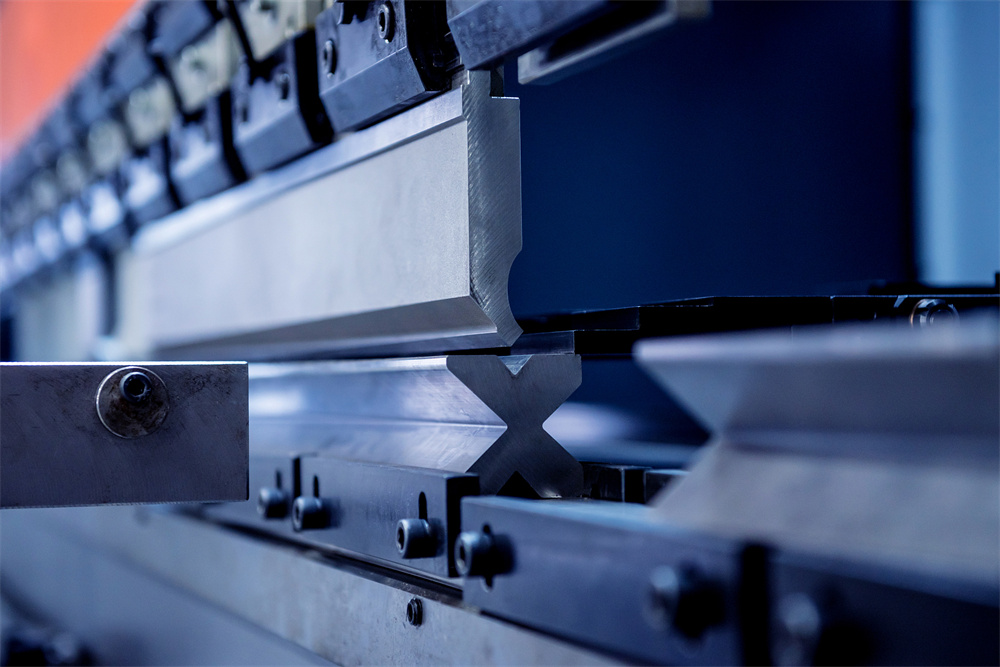
The primary driver of a press brake’s price is its tonnage and bending length. Tonnage determines the thickness and material type the machine can bend, while bending length dictates the size of the workpiece. As these two specifications increase, the structural requirements of the machine frame, the hydraulic system, and the tooling increase exponentially, driving up the cost.
The CNC controller is another significant cost factor. A basic controller may only manage the ram position and backgauge depth, whereas an advanced 3D graphical controller can simulate the entire bending process, detect collisions, and automatically calculate the bend sequence. These advanced controllers reduce the skill level required by the operator and significantly decrease setup time, justifying their higher price point.
Backgauge complexity is a critical differentiator. A simple single-axis backgauge (X-axis) is inexpensive but limits the machine’s versatility. Modern industrial press brakes often feature 4-axis, 6-axis, or even 8-axis backgauges. These allow for complex, multi-stage bending of intricate parts without manual intervention, which is essential for modern lean manufacturing environments.
Hydraulic and electrical components also influence the price. High-quality proportional valves, precision encoders, and reliable servo motors ensure the machine maintains its accuracy over years of operation. Cheaper components may save money initially but often lead to higher maintenance costs and increased downtime, which can quickly negate any initial savings.
Finally, the build quality and structural rigidity of the frame play a major role. A press brake must withstand immense forces without deflecting. Manufacturers that use high-grade steel, stress-relieved frames, and precision-ground components charge more because these features ensure the machine remains accurate under heavy, continuous use. Investing in a robust frame is an investment in the long-term precision of your finished products.
Configuration Impact
Configuration options allow fabricators to tailor a press brake to their specific workflow. One of the most impactful configurations is the crowning system. Hydraulic or mechanical crowning systems compensate for the deflection of the machine bed during the bending process, ensuring a consistent bend angle across the entire length of the part. This feature is essential for high-precision work and adds a premium to the machine cost.
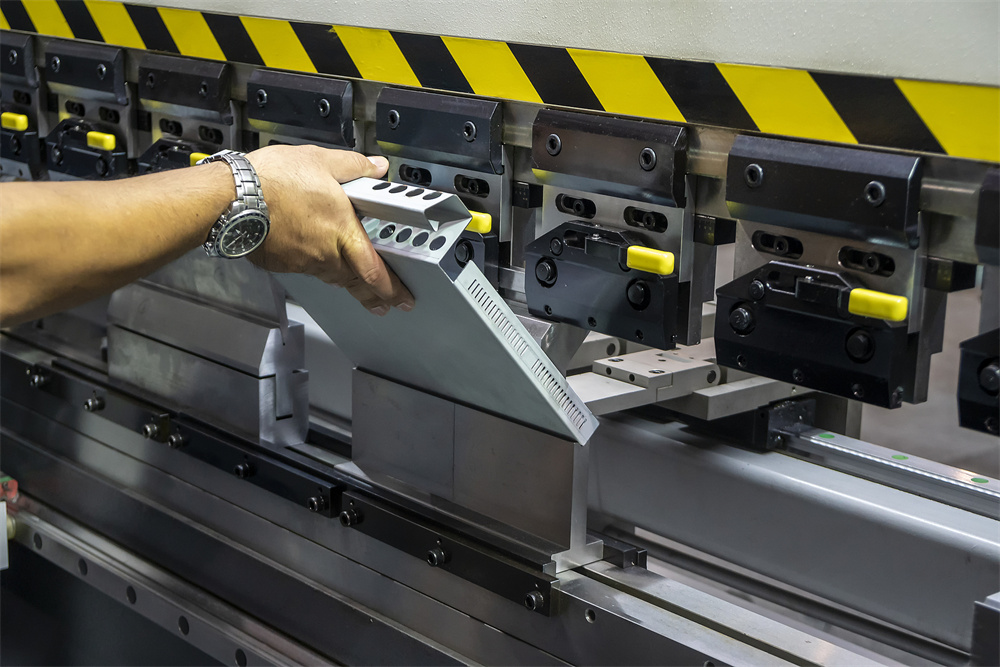
Tooling systems significantly affect both the initial price and the ongoing operational costs. Quick-change clamping systems, such as pneumatic or hydraulic tool clamping, can reduce tool changeover times from hours to minutes. While these systems increase the initial investment, they are indispensable for shops that perform frequent job changes and need to maximize machine uptime.
Safety features are non-negotiable in modern fabrication. Light curtains, laser safety systems, and physical guarding are standard on reputable machines. Advanced laser safety systems, which monitor the bending zone in real-time and stop the ram if an obstruction is detected, are more expensive than basic light curtains but offer superior protection and can actually increase productivity by allowing the operator to work closer to the bending point.
Energy efficiency configurations are becoming increasingly important. Hybrid press brakes, which combine hydraulic and electric drive systems, offer significant energy savings compared to traditional hydraulic machines. These systems only consume power when the ram is moving, reducing electricity costs and heat generation. While the initial purchase price of a hybrid machine is higher, the lower operating costs and reduced maintenance requirements often lead to a lower total cost of ownership.
Automation integration is the final frontier of configuration. Whether it is a simple sheet follower that supports large parts during the bend or a full robotic cell that handles loading, bending, and unloading, these additions can double or triple the price of the machine. However, for shops struggling with labor shortages or needing to run lights-out production, these configurations are often the only way to remain competitive.
Hidden Costs
When budgeting for a press brake, many buyers focus solely on the machine price, overlooking the hidden costs that can add 20% to 40% to the total project budget. Shipping, rigging, and installation are the first of these. Large press brakes are heavy and require specialized transport and crane services to move into the facility. Professional installation and calibration are essential to ensure the machine meets its accuracy specifications from day one.
Tooling is a major hidden cost. A press brake is useless without punches and dies. Depending on the complexity of your parts, you may need a variety of specialized tools. High-quality, hardened, and ground tooling is expensive but necessary for precision. Many shops underestimate the cost of building a comprehensive tooling library, which is essential for handling diverse customer requirements.
Maintenance and consumables represent ongoing costs. Hydraulic oil, filters, seals, and electrical components will eventually need replacement. Furthermore, regular preventative maintenance is required to keep the machine in peak condition. Failing to account for these costs can lead to unexpected downtime and expensive emergency repairs that disrupt production schedules.
Training is another often-overlooked expense. A sophisticated press brake is only as effective as the operator using it. Investing in professional training for your staff ensures they can utilize the machine’s advanced features, program complex parts efficiently, and perform basic maintenance. Without proper training, you are essentially paying for high-end features that your team cannot use, leading to poor ROI.
Finally, consider the cost of software and integration. If you plan to use offline programming software to design parts and simulate bends before they reach the shop floor, you will need to purchase licenses and provide training for your engineering team. Integrating the press brake with your existing ERP or CAD/CAM systems can also require additional investment in software and IT support.
ROI Calculation
Calculating the Return on Investment (ROI) for a press brake requires a holistic view of your production costs. The formula is straightforward: (Annual Savings + Increased Profit) / Total Investment. However, the variables within this formula are complex. Start by calculating the labor savings. If a new machine reduces setup time by 50% and increases bending speed by 30%, how many additional parts can you produce per shift? Multiply this by your profit margin per part to determine the increased annual profit.
Next, consider the reduction in scrap and rework. Older machines often struggle with consistency, leading to wasted material and time spent fixing bad parts. A new, high-precision press brake with advanced crowning and angle measurement can virtually eliminate these issues. Calculate the cost of your current scrap rate and factor in the savings from a more reliable machine.
Factor in the reduction in labor skill requirements. If your new machine allows a less experienced operator to produce parts that previously required a master fabricator, you can optimize your labor costs. This is particularly valuable in markets where skilled labor is scarce and expensive. The ability to maintain production levels with a smaller or less specialized team is a significant financial benefit.
Don’t forget to include tax incentives and depreciation. Many governments offer tax credits or accelerated depreciation schedules for capital investments in manufacturing equipment. These can significantly improve the cash flow and shorten the payback period of your investment. Consult with your accountant to understand how these financial tools can be applied to your purchase.
Finally, consider the competitive advantage. A faster, more precise press brake allows you to take on more complex jobs, offer shorter lead times, and improve your overall service quality. This can lead to increased customer loyalty and the ability to win higher-margin contracts. While harder to quantify, these strategic benefits are often the most significant drivers of long-term ROI.
Buying Advice
When you are ready to purchase, start by defining your current and future needs. Don’t buy a machine that is too small for your future growth, but avoid over-specifying if you don’t need the extra capacity. A common mistake is buying a machine with too much tonnage, which can actually be less accurate for bending thin materials. Work with a reputable manufacturer like HARSLE to analyze your part portfolio and determine the optimal machine configuration.
Always request a demonstration or visit a facility where the machine is in operation. Seeing the machine in action allows you to evaluate its build quality, ease of use, and speed. Pay attention to how the operator interacts with the controller and how quickly the machine can be set up for a new job. Ask about the availability of spare parts and the quality of technical support.
Check the manufacturer’s reputation for service and support. A press brake is a long-term investment, and you need a partner who will support you throughout the machine’s life. Ask for references from other shops in your industry and inquire about their experience with the manufacturer’s service team. A machine is only as good as the support behind it.
Consider the total cost of ownership, not just the purchase price. Ask for a detailed breakdown of maintenance requirements and the cost of common spare parts. A slightly more expensive machine with lower maintenance requirements and higher energy efficiency will almost always be the better financial decision over the long term.
Finally, ensure that the machine meets all safety regulations in your region. Safety is not just about protecting your employees; it is also about protecting your business from liability and ensuring compliance with labor laws. A machine that is not compliant can lead to heavy fines and operational shutdowns, which are far more expensive than the cost of proper safety equipment.
FAQ
- What is the average lifespan of a press brake? With proper maintenance, a high-quality industrial press brake can last 15 to 25 years.
- How often should I perform maintenance? Daily checks are recommended, with comprehensive professional maintenance performed every 6 to 12 months.
- Can I use my old tooling on a new machine? Often yes, but you may need adapters. However, new machines perform best with modern, precision-ground tooling.
- How does tonnage affect the price? Higher tonnage requires a heavier frame and more powerful hydraulics, which increases the manufacturing cost and the final price.
- Is it better to buy new or used? New machines offer the latest technology, warranties, and support. Used machines can be cost-effective but carry risks regarding wear and lack of modern safety features.
- What is the most important feature to look for? The CNC controller and the backgauge system are the most critical for productivity and precision.












