
Punching Machine Safety and Maintenance Tips for Plant Operators: A Comprehensive Guide


The Critical Importance of Punching Machine Maintenance
In the high-stakes environment of modern metal fabrication, the punching machine serves as the backbone of production efficiency. For plant operators, understanding Punching Machine Safety Maintenance Tips for Plant Operators is not merely a procedural requirement; it is a fundamental aspect of operational excellence. When a machine is neglected, the consequences extend far beyond simple downtime. They manifest as compromised product quality, increased energy consumption, and, most critically, severe safety hazards for the workforce.
Regular maintenance acts as a preventative shield against the inevitable wear and tear caused by high-tonnage operations. By adhering to a structured maintenance regimen, operators can identify micro-fractures in tooling, hydraulic pressure fluctuations, or electrical inconsistencies before they escalate into catastrophic failures. This proactive approach ensures that the HARSLE punching machine remains a reliable asset, capable of delivering precision cuts and complex geometries consistently over its operational lifespan.
Furthermore, maintenance is intrinsically linked to safety. A well-maintained machine operates smoothly, reducing the vibration and noise levels that contribute to operator fatigue. When safety guards, emergency stops, and light curtains are inspected and tested daily, the risk of workplace accidents is significantly mitigated. Investing time in maintenance is, in essence, an investment in the safety and longevity of the entire production facility.
Ultimately, the goal of these Punching Machine Safety Maintenance Tips for Plant Operators is to foster a culture of ownership. When operators understand the mechanical and electrical nuances of their equipment, they become the first line of defense against inefficiency. This guide provides the technical framework necessary to keep your metal fabrication equipment in peak condition, ensuring that your facility remains competitive and safe.
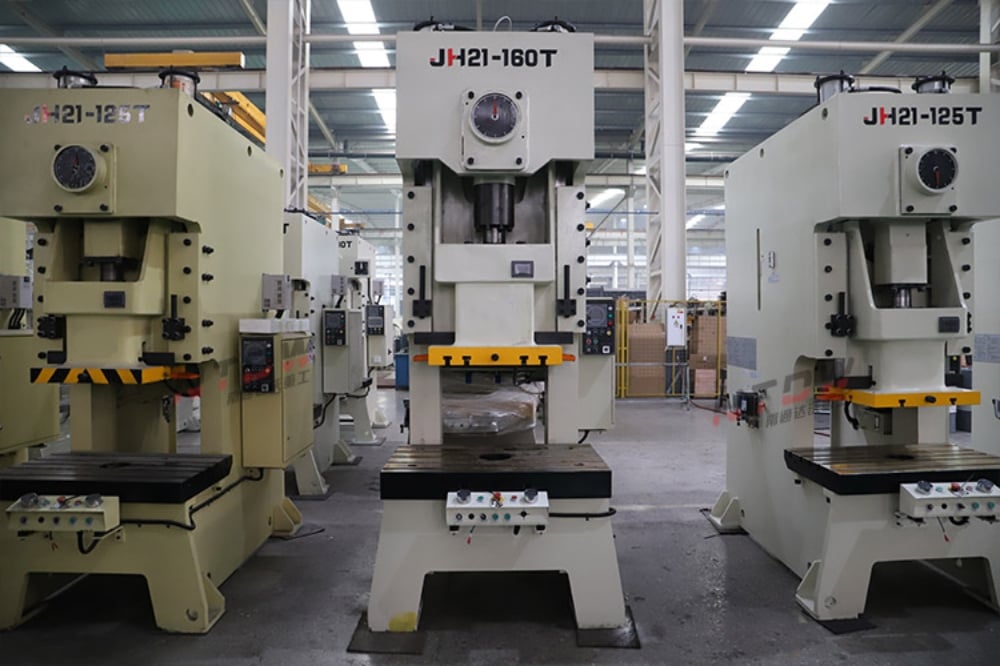
Daily Inspection Protocols for Plant Operators
The foundation of any robust maintenance strategy is the daily inspection. Before the first sheet of metal is fed into the machine, operators must conduct a systematic walkthrough. This routine should be documented in a logbook to track performance trends over time. Start by checking the external environment; ensure the area around the machine is clear of debris, oil spills, or loose tools that could cause tripping hazards or interfere with the machine’s movement.
Next, inspect the tooling and the die set. Look for signs of chipping, dullness, or misalignment. A dull punch requires more force to penetrate the material, which puts unnecessary strain on the hydraulic system and can lead to burrs on the finished part. If the tooling shows signs of excessive wear, it must be sharpened or replaced immediately to maintain the integrity of the fabrication process.
Check the safety systems, including light curtains, foot pedals, and emergency stop buttons. These components are non-negotiable. Test the emergency stop to ensure it cuts power instantly. If the light curtains are obstructed or failing to register, the machine must not be operated until the issue is resolved. These daily checks are the most effective Punching Machine Safety Maintenance Tips for Plant Operators to prevent accidents.
Finally, observe the machine during a dry run. Listen for unusual noises, such as grinding, knocking, or high-pitched squeals. These sounds are often the first indicators of internal mechanical issues. By catching these early, you can schedule repairs during planned downtime rather than suffering through an unexpected and costly production halt.
Hydraulic, Electrical, and Mechanical Checks
The hydraulic system is the heart of a punching machine. Operators must monitor oil levels, temperature, and pressure gauges daily. Hydraulic fluid should be clean and free of contaminants; if the oil appears milky or dark, it may indicate moisture ingress or thermal degradation. Regularly check hoses and fittings for leaks, as even a minor drip can lead to a significant loss of pressure and potential environmental hazards.
Electrical systems require a different set of precautions. Ensure that all control panels are free of dust and that cooling fans are operational. Overheating is a common cause of PLC (Programmable Logic Controller) failures. Check the wiring for signs of fraying or loose connections, especially in areas subject to vibration. Always ensure that the electrical cabinet is locked and that only authorized personnel perform internal adjustments.
Mechanical components, such as the ram, guide rails, and drive mechanisms, must be inspected for alignment. Over time, the constant impact of punching can cause slight shifts in the machine’s geometry. Use precision measuring tools to verify that the punch and die are perfectly aligned. Misalignment not only ruins the workpiece but also causes uneven wear on the machine’s internal bearings and slides.
Pay close attention to the lubrication points. Modern punching machines rely on automated lubrication systems, but these are not infallible. Verify that the pump is delivering oil to all critical points and that the reservoir is topped up. If a specific joint or slide appears dry, investigate the lubrication line for blockages or kinks immediately.
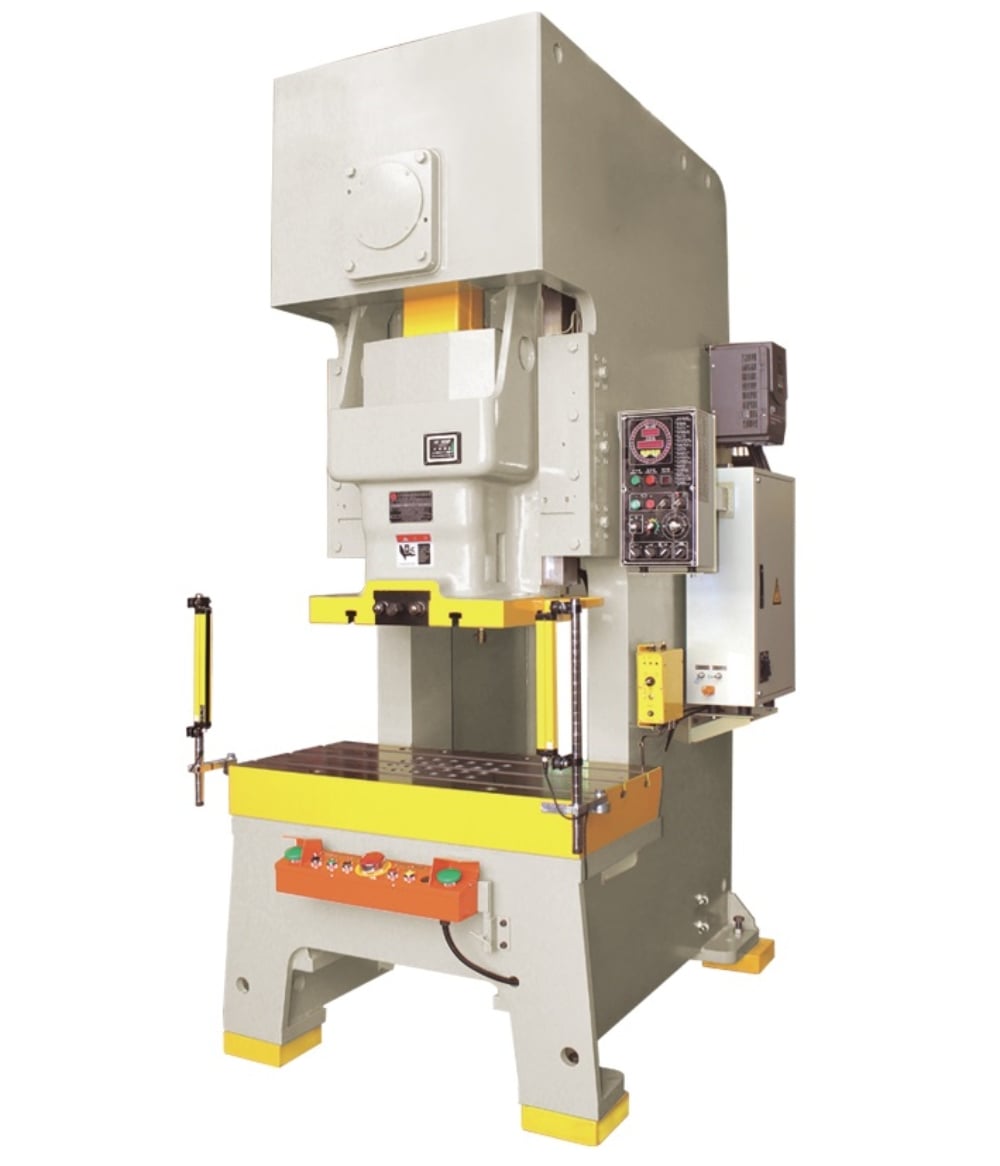
Developing a Comprehensive Lubrication Plan
A lubrication plan is more than just applying grease; it is a strategic approach to friction management. Friction is the primary enemy of moving parts in metal fabrication equipment. Without adequate lubrication, metal-on-metal contact leads to galling, overheating, and eventual seizure of the machine’s components. A well-documented lubrication schedule should specify the type of lubricant, the frequency of application, and the exact location of every grease nipple and oil port.
When selecting lubricants, always follow the manufacturer’s specifications. Using the wrong viscosity or chemical composition can do more harm than good. For high-speed punching operations, synthetic lubricants are often preferred due to their superior thermal stability and resistance to breakdown under high pressure. Keep a detailed log of when each point was last lubricated to ensure no component is overlooked.
Cleanliness is paramount when lubricating. Before applying grease, wipe the nipple or port clean to prevent dirt and grit from being forced into the bearing or slide. Contamination is a leading cause of premature component failure. If you notice that a particular area is consistently dry, it may indicate a leak or a blocked line that requires immediate attention.
Finally, train your operators on the importance of the lubrication plan. When the team understands that proper lubrication extends the life of the machine and reduces the effort required for maintenance, they are more likely to adhere to the schedule. This collective responsibility is a cornerstone of effective Punching Machine Safety Maintenance Tips for Plant Operators.
Troubleshooting Signals and Warning Signs
Even with the best maintenance, machines will occasionally signal that something is wrong. Operators must be trained to recognize these warning signs early. A change in the sound of the punch—such as a metallic “clunk” instead of a clean “snap”—often indicates that the clearance between the punch and die is incorrect or that the material is not being held securely.
Vibration is another critical indicator. If the machine begins to vibrate excessively during the punching cycle, check the mounting bolts and the leveling of the machine. An unlevel machine will experience uneven stress distribution, leading to cracked frames and damaged guide rails. Similarly, if the machine is struggling to reach its rated tonnage, check the hydraulic pressure settings and the condition of the pump.
Electrical warnings often manifest as error codes on the HMI (Human-Machine Interface). Never ignore these codes or attempt to bypass them. Each code corresponds to a specific fault, whether it is a sensor failure, a communication error, or a safety interlock issue. Consult the machine’s manual or contact the HARSLE support team to diagnose the root cause before attempting to reset the system.
Lastly, monitor the quality of the finished parts. If you notice burrs, deformation, or inconsistent hole sizes, the machine is telling you that its precision is compromised. These quality issues are often the result of worn tooling, loose clamps, or misaligned guides. By treating these quality signals as maintenance triggers, you can prevent the production of scrap and maintain high throughput.
Maintenance Schedule Table
| Frequency | Task | Description |
|---|---|---|
| Daily | Safety Check | Test emergency stops, light curtains, and guards. |
| Daily | Visual Inspection | Check for oil leaks, loose bolts, and debris. |
| Weekly | Lubrication | Grease all specified points and check oil levels. |
| Monthly | Tooling Check | Inspect punch and die for wear, chips, or dullness. |
| Quarterly | Hydraulic System | Check hydraulic fluid quality and filter condition. |
| Bi-Annually | Electrical Audit | Inspect wiring, connections, and control cabinet. |
| Annually | Full Calibration | Professional alignment check and structural inspection. |
Frequently Asked Questions (FAQ)
How often should I change the hydraulic oil in my punching machine?
Typically, hydraulic oil should be changed every 2,000 to 4,000 operating hours, or annually, depending on the intensity of use and the environment. Always check the oil quality for signs of oxidation or contamination.
What should I do if the light curtain triggers unexpectedly?
First, ensure there is no debris or obstruction in the path of the light beam. If the area is clear, check the alignment of the transmitter and receiver units. If the issue persists, consult the electrical manual for sensor diagnostic procedures.
Can I sharpen my own punching tools?
Yes, but only if you have the proper grinding equipment and expertise. Improper sharpening can change the geometry of the tool, leading to poor part quality and increased machine stress. When in doubt, use professional tool sharpening services.
Why is my machine making a loud knocking sound?
A knocking sound often indicates a loose mechanical component, such as a drive link or a worn bearing. Stop the machine immediately and inspect the drive mechanism for play or damage.
How do I know if my punching machine is level?
Use a precision spirit level on the machine bed. If the machine is not level, it can cause the ram to bind and lead to uneven wear on the guide rails. Re-leveling should be performed by qualified maintenance personnel.












