
Best Value Press Brake Machines: How to Choose the Right Price Point


Price Range Overview: Navigating the Market
Investing in a press brake is one of the most significant capital expenditures a metal fabrication shop will undertake. When searching for the best value press brake machines: choose price point strategies, it is essential to understand that the market is segmented into three primary tiers: entry-level, mid-range, and high-end industrial systems. Entry-level machines, often manual or basic NC-controlled, are designed for smaller shops or specialized, low-volume tasks. These machines prioritize affordability and simplicity, often sacrificing advanced automation features for a lower initial investment.
Mid-range press brakes represent the sweet spot for many growing fabrication businesses. These machines typically feature robust CNC controllers, multi-axis backgauges, and high-quality hydraulic systems. They offer a balance between speed, precision, and cost, making them ideal for job shops that handle a diverse range of materials and bending requirements. The price point here reflects the inclusion of essential productivity-enhancing features that reduce setup time and operator error.
High-end industrial press brakes are engineered for 24/7 production environments where precision and throughput are non-negotiable. These machines often incorporate advanced features like automatic crowning, laser angle measurement, and robotic integration capabilities. While the initial price point is significantly higher, the value is realized through extreme repeatability, reduced scrap rates, and the ability to handle complex, high-tolerance parts that lower-tier machines simply cannot manage.
Understanding where your specific production needs fall within these tiers is the first step in identifying the best value. A shop focusing on simple, long-run brackets does not necessarily need a high-end machine with complex 3D simulation software. Conversely, a shop specializing in aerospace or medical components cannot afford to compromise on precision for the sake of a lower price point. Aligning your budget with your actual production requirements prevents over-spending on unused features while ensuring you don’t under-invest in critical capabilities.
Furthermore, the global market for press brakes has evolved, with manufacturers like HARSLE providing high-performance machines that bridge the gap between cost and capability. By evaluating the price-to-performance ratio rather than just the sticker price, fabricators can identify machines that offer the best long-term value. This involves looking beyond the initial purchase price to consider the total cost of ownership, including energy consumption, maintenance intervals, and the availability of spare parts.
Main Cost Drivers: What You Are Really Paying For
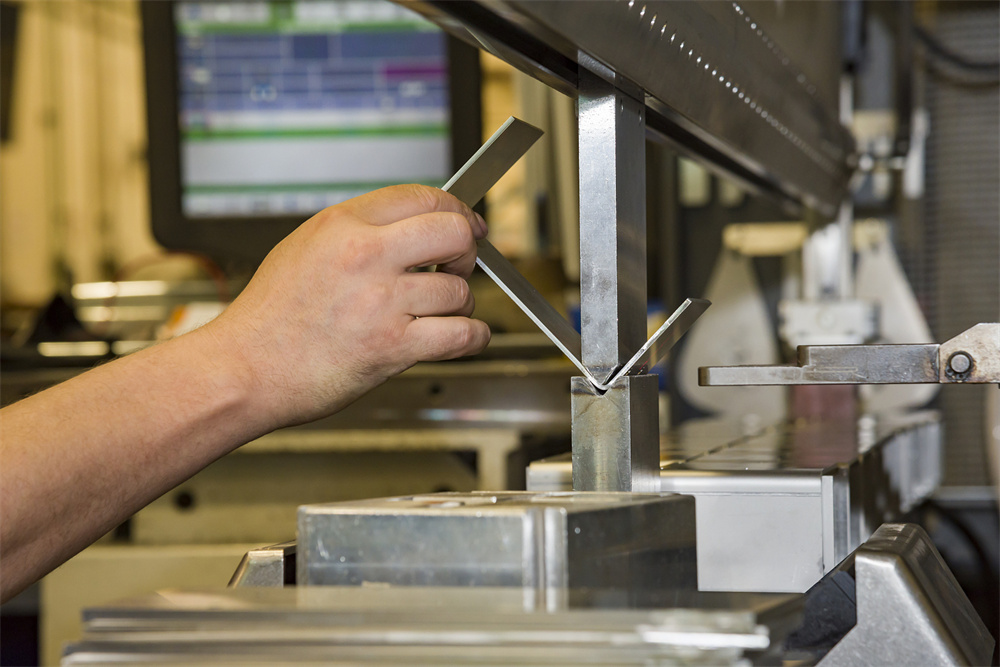
The price of a press brake is determined by several core components that dictate its performance and longevity. The most significant cost driver is the frame construction and structural rigidity. A heavy-duty, stress-relieved steel frame is essential for maintaining accuracy under high tonnage. Cheaper machines may use lighter steel, which can lead to frame deflection and inconsistent bend angles over time. When you pay for a premium machine, you are paying for the engineering that ensures the machine remains stable under maximum load for years.
The hydraulic system and the synchronization technology are the next major cost factors. High-value press brakes utilize sophisticated proportional valve technology and high-resolution linear encoders to ensure the ram remains perfectly parallel to the bed throughout the stroke. This synchronization is what allows for high-precision bending. In lower-cost machines, this synchronization may be less responsive or rely on mechanical linkages that are prone to wear, leading to increased maintenance costs and reduced part quality.
The CNC controller is the “brain” of the machine and a significant contributor to the price. Advanced controllers offer intuitive programming, 3D visualization, and seamless integration with CAD/CAM software. These features drastically reduce setup time and allow operators to simulate bends before the metal ever touches the die. While a basic controller might suffice for simple tasks, the investment in a high-end controller often pays for itself through increased throughput and reduced operator training time.
Backgauge complexity is another critical cost driver. A simple one-axis backgauge is inexpensive but limits the types of parts you can produce. Modern, high-value machines often come with 4, 6, or even 8-axis backgauges. These allow for complex, multi-step bending sequences without the need for manual repositioning. The ability to move the backgauge fingers in multiple planes is a game-changer for productivity, and it is a feature that justifies a higher price point for shops dealing with complex geometries.
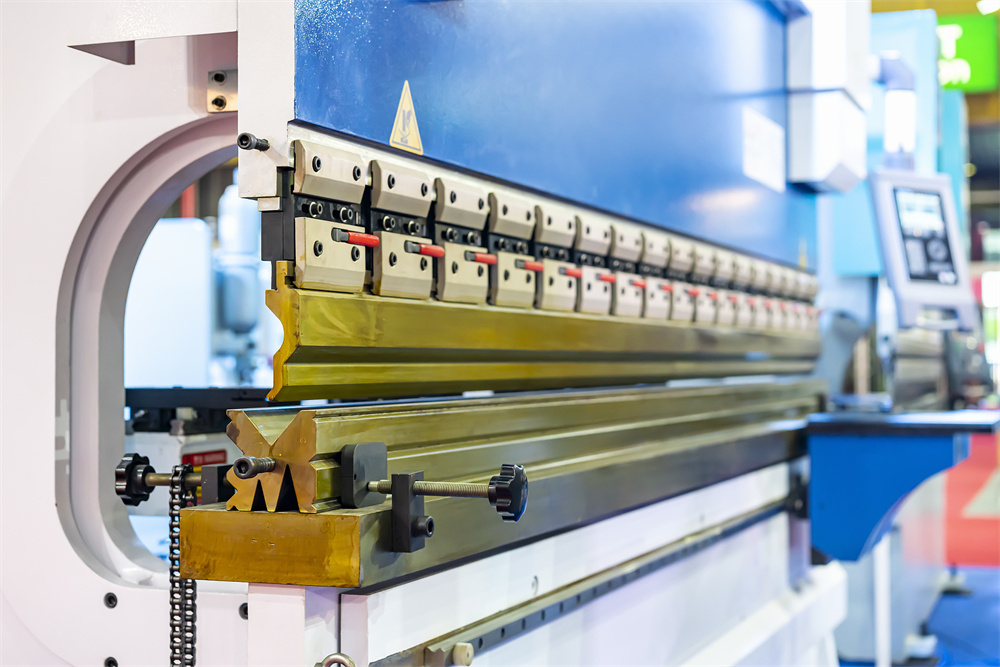
Finally, the tooling and clamping systems significantly impact the total cost. High-quality, hardened, and ground tooling ensures consistent bend radii and long service life. Quick-change clamping systems, such as hydraulic or pneumatic tool clamping, are essential for shops that perform frequent job changes. While these systems add to the initial cost, they eliminate hours of downtime per week, making them a vital component of the best value equation for any high-mix, low-volume fabrication shop.
Configuration Impact: Tailoring to Your Needs
Choosing the right configuration is the most effective way to optimize your investment. Many buyers make the mistake of purchasing a machine with excessive tonnage or bed length, which increases both the purchase price and the operating costs. For example, if your typical work involves bending 3mm mild steel, purchasing a 300-ton machine is an inefficient use of capital. Matching the machine’s capacity to your specific material thickness and bend length requirements is the first step in ensuring you are paying for what you actually need.
The integration of automatic crowning systems is a configuration choice that directly impacts part quality. Crowning compensates for the deflection of the machine bed and ram during the bending process, ensuring a consistent bend angle across the entire length of the part. For shops producing long, thin parts, an automatic crowning system is not a luxury; it is a necessity. Choosing a machine without this feature to save money often results in higher scrap rates and time-consuming manual adjustments.
Consider the importance of energy-saving features. Modern hydraulic press brakes often include variable frequency drives (VFDs) or servo-hydraulic systems that only consume power when the ram is in motion. These systems significantly reduce electricity costs and noise levels in the shop. While these configurations carry a higher upfront cost, the energy savings over the life of the machine can be substantial, making them a hallmark of the best value press brake machines.
Safety configurations are non-negotiable but vary in sophistication. Standard light curtains are the baseline, but advanced laser safety systems, such as those that monitor the bending zone in real-time, offer superior protection and can even increase productivity by allowing the ram to move at high speeds closer to the workpiece. Investing in advanced safety is an investment in your workforce and your company’s liability protection, which should be factored into your total value assessment.
Lastly, consider the software ecosystem. Does the machine integrate with your existing ERP or production management software? Can it import files directly from your design department? A machine that is isolated from your digital workflow will always be less efficient than one that is fully integrated. When evaluating price points, prioritize machines that offer robust software support and connectivity, as these features will streamline your entire production process from design to finished part.
Hidden Costs: Beyond the Sticker Price
When calculating the true cost of a press brake, many buyers focus exclusively on the purchase price, ignoring the “hidden” costs that can quickly erode the value of a seemingly cheap machine. Installation and commissioning costs, including foundation work, electrical upgrades, and specialized rigging, can add thousands to the final bill. Always request a comprehensive quote that includes these services to avoid unpleasant surprises after the machine arrives at your facility.
Maintenance and spare parts availability are perhaps the most significant long-term hidden costs. A machine that is inexpensive to buy but requires proprietary, hard-to-source parts will eventually become a liability. When evaluating a manufacturer, research their local support network, the availability of service technicians, and the lead time for critical components. A slightly more expensive machine from a manufacturer with excellent local support is almost always a better value than a cheaper machine that sits idle for weeks waiting for a part from overseas.
Operator training is another often-overlooked expense. A high-end machine with complex software is useless if your team cannot operate it to its full potential. Factor in the cost of professional training sessions, either on-site or at the manufacturer’s facility. Investing in your operators’ skills ensures that you are getting the maximum return on your equipment investment and helps to prevent damage caused by improper machine operation.
Consumables, specifically tooling, should be viewed as an ongoing operational cost. Low-quality tooling wears out quickly, leading to inconsistent bends and the need for frequent replacements. High-quality, hardened tooling may cost more upfront, but it lasts significantly longer and maintains its precision, reducing the total cost of ownership over the life of the machine. Always include a budget for a comprehensive initial tooling package that covers your most common bending requirements.
Finally, consider the resale value. A well-maintained, reputable brand press brake will retain a significant portion of its value, whereas an obscure or low-quality machine may be difficult to sell at any price. When you view your press brake as an asset rather than just an expense, the importance of buying a machine with a strong brand reputation and proven reliability becomes clear. The best value is often found in a machine that performs reliably for years and remains a desirable asset on the secondary market.
ROI Calculation: Making the Business Case
To justify the price point of a new press brake, you must perform a thorough Return on Investment (ROI) analysis. Start by calculating your current cost per part, including labor, energy, scrap, and setup time. Then, estimate the improvements you expect with the new machine. For example, if a new CNC press brake reduces setup time by 50% and scrap rates by 20%, calculate the annual savings in labor and material costs. These savings are the foundation of your ROI.
Consider the impact on throughput. If your current machine is a bottleneck, a new, faster press brake can increase your overall shop capacity, allowing you to take on more work or reduce lead times for existing customers. This increase in revenue-generating capacity is a powerful argument for investing in a higher-performance machine. When calculating ROI, be sure to include the potential for new business that was previously out of reach due to capacity or precision limitations.
Factor in the reduction in labor costs. Modern press brakes with advanced features like automatic angle measurement and intuitive controllers require less operator intervention and can be operated by less experienced staff, freeing up your senior fabricators for more complex tasks. This optimization of your workforce is a significant, though sometimes intangible, benefit that should be included in your business case.
Don’t forget to include tax incentives and depreciation. Many governments offer tax credits or accelerated depreciation schedules for capital investments in manufacturing equipment. Consult with your accountant to understand how these financial benefits can offset the initial cost of the machine and improve your overall ROI. These financial tools can make a high-end machine much more affordable than the sticker price suggests.
Finally, compare the ROI of different machines. Create a spreadsheet that lists the purchase price, estimated annual savings, and the payback period for each option you are considering. You will often find that a machine with a higher initial price point offers a shorter payback period due to its superior efficiency and lower operating costs. This data-driven approach removes emotion from the decision-making process and ensures you are making the best financial choice for your business.
Buying Advice: A Checklist for Success
Before finalizing your purchase, create a checklist of your absolute requirements versus your “nice-to-have” features. Start by defining your maximum material thickness, maximum bend length, and the types of materials you work with most frequently. This will narrow down your search to machines that are physically capable of handling your workload. Do not be swayed by sales pitches for features that do not directly address your production needs.
Request a demonstration or a visit to a shop currently using the machine you are considering. Seeing the machine in action is the best way to evaluate its build quality, ease of use, and performance. Talk to the operators—they are the best source of information regarding the machine’s reliability, the quality of the software, and the level of support provided by the manufacturer. Their honest feedback is worth more than any brochure.
Evaluate the manufacturer’s commitment to the market. Are they a long-term player with a proven track record? Do they have a local presence or a reliable distributor network? A manufacturer that invests in local training, spare parts inventory, and technical support is a partner in your success. Avoid “fly-by-night” suppliers who offer low prices but cannot provide the necessary support to keep your machine running over the long term.
Review the warranty and service contract terms in detail. What is covered, and for how long? Is there a 24/7 support line? Are there preventative maintenance programs available? A comprehensive service contract can provide peace of mind and protect your investment from unexpected repair costs. Ensure that the terms are clear and that you understand your obligations regarding routine maintenance.
Finally, trust your gut, but back it up with data. If a deal seems too good to be true, it probably is. The best value press brake machines are not necessarily the cheapest; they are the ones that provide the right balance of performance, reliability, and support for your specific business needs. Take your time, do your research, and choose a partner who is as committed to your success as you are.
FAQ: Frequently Asked Questions
- How do I determine the correct tonnage for my press brake? Tonnage is determined by material thickness, tensile strength, and the width of the V-die opening. Consult a standard bending force chart or use an online calculator provided by the manufacturer to ensure you select the right capacity.
- Is a CNC press brake worth the extra cost compared to an NC machine? Yes, for most shops. CNC controllers offer significantly faster setup, better repeatability, and the ability to handle complex parts, which quickly offsets the higher initial investment through increased productivity.
- How often should I perform maintenance on my press brake? Regular maintenance should be performed according to the manufacturer’s schedule, typically every 500 to 1,000 operating hours. This includes checking hydraulic fluid levels, cleaning filters, and inspecting the ram and backgauge for wear.
- What is the difference between up-acting and down-acting press brakes? Down-acting machines are the industry standard, offering better precision and easier integration with safety systems. Up-acting machines are less common today but may be used in specific, heavy-duty applications.
- Can I use different brands of tooling on my press brake? Yes, as long as the tooling style (e.g., European, American, Wila) matches the clamping system on your machine. However, it is generally recommended to use high-quality, compatible tooling to ensure performance and safety.
- How long should a high-quality press brake last? With proper maintenance and regular service, a high-quality industrial press brake can easily provide 15 to 20 years of reliable service in a standard fabrication environment.












