
How to Troubleshoot Laser Cutting Machine Assist Gas Issues: A Comprehensive Guide


Introduction
In the high-precision world of metal fabrication, the laser cutting machine stands as the backbone of productivity. However, even the most advanced HARSLE fiber laser systems are only as effective as their auxiliary components. One of the most critical, yet frequently overlooked, elements of the cutting process is the assist gas. Whether you are using oxygen, nitrogen, or compressed air, the assist gas is responsible for blowing away molten material, protecting the lens, and facilitating the chemical reaction necessary for a clean cut.
When your cut quality begins to degrade—manifesting as heavy dross, burrs, or inconsistent edge finishes—the culprit is often found within the gas delivery system. Learning how to troubleshoot laser cutting machine assist gas issues is an essential skill for any operator or maintenance technician. By understanding the relationship between gas pressure, purity, and nozzle alignment, you can significantly reduce downtime and improve the longevity of your consumables.
This guide provides a deep dive into the technical aspects of assist gas management. We will explore the common symptoms of gas-related failures, the diagnostic steps required to isolate the problem, and the best practices for maintaining a consistent gas supply. Whether you are working with stainless steel, carbon steel, or aluminum, mastering these troubleshooting techniques will ensure your HARSLE equipment operates at peak performance.
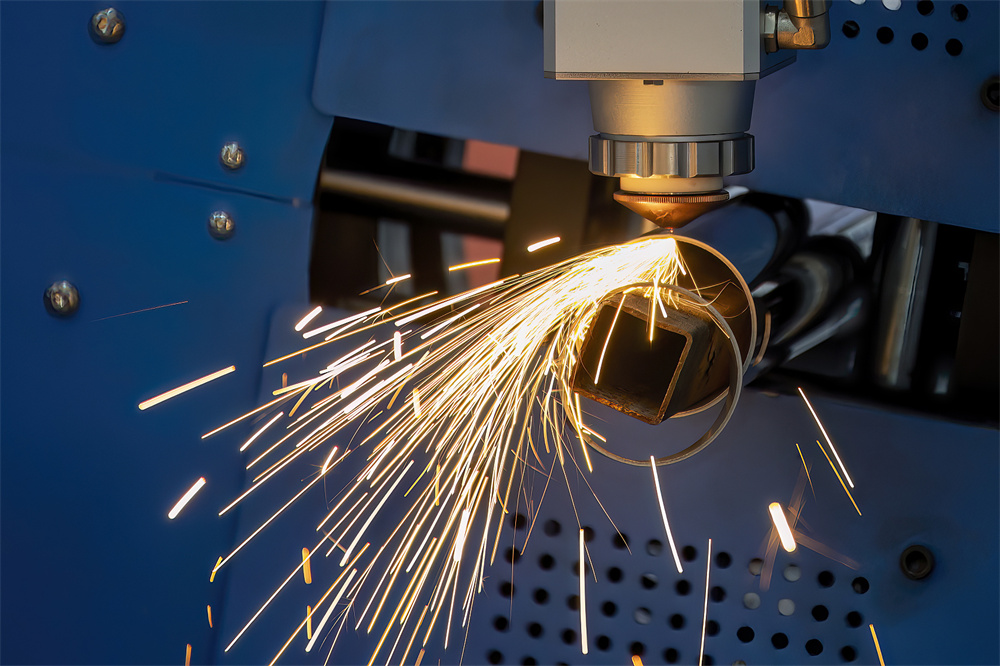
Key Considerations for Assist Gas Systems
Before diving into specific troubleshooting steps, it is important to understand the role of the three primary assist gases used in modern laser cutting. Oxygen is typically used for carbon steel, where it acts as an exothermic agent, adding heat to the process and allowing for thicker cuts. Nitrogen, conversely, is an inert gas used to prevent oxidation, resulting in a clean, silver-colored edge on stainless steel and aluminum. Compressed air is a cost-effective alternative for thinner materials, though it requires high-quality filtration to prevent contamination.
The first consideration in any troubleshooting scenario is the purity of the gas. Contaminated gas, particularly moisture or oil in the lines, can wreak havoc on the laser optics. If your nitrogen supply has even a small percentage of impurity, you will notice discoloration on the cut edge. Similarly, if your oxygen purity drops below 99.9%, the exothermic reaction will be inconsistent, leading to jagged edges and increased dross accumulation.
Pressure stability is another critical factor. Laser cutting machines require a constant, steady flow of gas. If your facility’s main supply line experiences pressure drops—perhaps due to other equipment drawing from the same compressor or tank—the laser will lose its ability to clear the kerf effectively. Installing a dedicated surge tank or a high-capacity regulator near the machine can often mitigate these fluctuations.
Finally, consider the condition of your delivery hoses and fittings. Over time, rubber hoses can degrade, leading to microscopic leaks that are difficult to detect but detrimental to performance. Regularly checking for pressure decay when the machine is idle is a simple yet effective way to ensure the integrity of your gas delivery system. Always ensure that the fittings are rated for the high pressures required by modern fiber laser cutting machines.
Technical Details: Diagnosing Gas-Related Cut Defects
When you encounter cut defects, the first step is to categorize the issue. Is the dross localized to one side, or is it present on the entire perimeter? If the dross is heavy and clings to the bottom of the plate, it often indicates insufficient gas pressure or an incorrect nozzle size. When the gas pressure is too low, the molten metal is not expelled from the kerf quickly enough, causing it to re-solidify on the underside of the workpiece.
Conversely, if the gas pressure is too high, it can cause turbulence within the kerf. This turbulence disrupts the laser beam’s focus and prevents the gas from effectively cooling the edges. You might notice a “wavy” or “rippled” appearance on the cut surface. Adjusting the pressure in small increments—typically 0.1 to 0.2 bar at a time—is the best way to find the “sweet spot” for your specific material thickness and nozzle diameter.
Nozzle alignment is another technical factor that is frequently misdiagnosed as a gas pressure issue. If the laser beam is not perfectly centered within the nozzle orifice, the gas flow will be asymmetrical. This leads to uneven cooling and inconsistent dross patterns. Using a nozzle centering tool or a piece of masking tape to check the beam’s position should be a standard part of your daily startup routine. If the beam is off-center, the gas will be forced to one side, causing the cut to be wider on one side than the other.
Furthermore, the nozzle distance (stand-off height) plays a vital role in gas dynamics. If the nozzle is too far from the material, the gas loses its velocity before it reaches the cut zone. If it is too close, you risk damaging the nozzle or causing a back-pressure spike that can damage the laser head. HARSLE machines are equipped with advanced capacitive height sensors; ensure these are calibrated correctly to maintain the optimal stand-off distance throughout the entire cutting cycle.

Selection Advice: Choosing the Right Gas and Nozzle
Selecting the correct assist gas and nozzle combination is the foundation of efficient metal fabrication. For carbon steel, oxygen is the industry standard. However, the pressure required depends heavily on the thickness of the plate. For thin sheets, lower pressure is often sufficient to prevent burning, while thicker plates require higher pressure to push the molten slag through the kerf. Always consult the HARSLE cutting parameter library provided with your machine as a starting point.
When it comes to nozzle selection, the diameter is the most critical variable. A larger nozzle diameter allows for a higher volume of gas, which is necessary for thicker materials. However, a larger nozzle also requires more gas consumption, which can be costly. For thin materials, a smaller nozzle diameter provides a more concentrated gas stream, resulting in a narrower kerf and higher precision. If you are struggling with cut quality, try switching to a nozzle with a different diameter to see if it improves the gas flow dynamics.
Material quality also dictates your gas choice. If you are cutting low-grade steel with high sulfur or silicon content, you may find that even with perfect gas settings, the cut quality remains poor. In such cases, the issue is not the machine, but the material itself. Always ensure that your raw material is free from heavy rust, scale, or oil, as these contaminants can react with the assist gas and cause flare-ups or inconsistent cutting.
Finally, consider the gas delivery infrastructure. If you are using nitrogen, a liquid nitrogen tank with a high-pressure vaporizer is generally more cost-effective and reliable than individual cylinders. For compressed air, a multi-stage filtration system—including a refrigerated dryer and an oil-water separator—is non-negotiable. Moisture in the air line is the leading cause of lens damage and poor cut quality in air-cutting applications.
Troubleshooting Checklist for Operators
- Check Gas Pressure: Verify that the pressure at the machine matches the programmed value. Check for fluctuations during the cut.
- Inspect Nozzle Alignment: Use a centering tool to ensure the laser beam is perfectly centered in the nozzle orifice.
- Verify Gas Purity: If using nitrogen, check the purity levels. Even 0.5% oxygen contamination can ruin a stainless steel cut.
- Examine the Nozzle: Look for physical damage, such as nicks or debris inside the nozzle tip. Replace if necessary.
- Check for Leaks: Use a leak detection spray on all fittings and hoses between the gas source and the laser head.
- Calibrate Height Sensor: Ensure the capacitive height sensor is accurately tracking the material surface to maintain the correct stand-off distance.
- Clean Optics: While not directly a gas issue, dirty optics can cause the beam to scatter, which mimics the symptoms of poor gas flow.
FAQ: Common Questions About Assist Gas
Q: Why is my stainless steel cut turning yellow?
A: A yellow or brownish tint on the edge of stainless steel usually indicates oxidation. This happens when the nitrogen purity is too low or the gas pressure is insufficient to shield the cut zone from the atmosphere.
Q: How often should I replace my nozzle?
A: Nozzles should be replaced whenever you notice physical damage, such as a deformed orifice or slag buildup that cannot be removed. In high-production environments, many operators replace the nozzle daily to ensure consistent quality.
Q: Can I use shop air for all my cutting?
A: While shop air is cost-effective, it is generally not suitable for high-quality stainless steel or thick carbon steel. It is best reserved for thin-gauge materials where a slight oxidation or discoloration is acceptable.
Q: What is the most common cause of dross?
A: The most common cause is incorrect gas pressure. If the pressure is too low, the molten metal isn’t cleared; if it is too high, the gas flow becomes turbulent and ineffective.
Conclusion
Troubleshooting laser cutting machine assist gas issues is a systematic process that requires attention to detail and a thorough understanding of your equipment. By monitoring gas purity, maintaining optimal pressure, and ensuring that your nozzle is clean and correctly aligned, you can overcome the majority of cut quality challenges. Remember that the assist gas is not just a consumable; it is a vital component of the cutting process that directly impacts your bottom line.
At HARSLE, we are committed to providing our customers with the knowledge and support needed to maximize the potential of their metal fabrication equipment. If you have followed these troubleshooting steps and are still experiencing issues, do not hesitate to contact our technical support team. Regular maintenance and a proactive approach to gas management will ensure that your laser cutting machine remains a reliable and profitable asset for years to come.












