
Why Press Brakes Are Essential for Electrical Cabinet and Enclosure Fabrication


Introduction: The Backbone of Modern Electrical Infrastructure
In the rapidly evolving landscape of industrial manufacturing, the demand for high-quality electrical cabinets and enclosures has reached unprecedented levels. As data centers, renewable energy grids, and smart manufacturing facilities expand, the need for robust, precise, and aesthetically pleasing enclosures is paramount. At the heart of this production process lies the press brake—a machine that has become the cornerstone of modern metal fabrication. Understanding why press brakes are essential for electrical cabinet and enclosure fabrication is key to optimizing production workflows and ensuring the longevity of sensitive electrical components.
Electrical enclosures serve as the protective shell for complex circuitry, switchgear, and control systems. These components are often exposed to harsh environments, requiring enclosures that are not only structurally sound but also sealed against dust, moisture, and electromagnetic interference. The fabrication process involves transforming flat sheet metal into complex, three-dimensional shapes with tight tolerances. Without the precision and versatility offered by modern press brakes, achieving these standards would be impossible, leading to compromised safety and operational failures.
HARSLE, as a leader in metal fabrication technology, recognizes that the transition from a flat sheet to a finished cabinet is a journey of precision. A press brake provides the force and control necessary to execute intricate bends, flanges, and folds that define the structural integrity of an enclosure. Whether it is a small junction box or a massive server rack, the press brake is the primary tool that dictates the quality of the final product.
This article explores the critical role of press brakes in the electrical enclosure industry, examining the technical requirements, selection criteria, and operational advantages that make these machines indispensable. By leveraging advanced bending technology, manufacturers can reduce waste, improve assembly speed, and ensure that every cabinet meets the rigorous demands of the electrical industry.
Key Considerations in Enclosure Fabrication
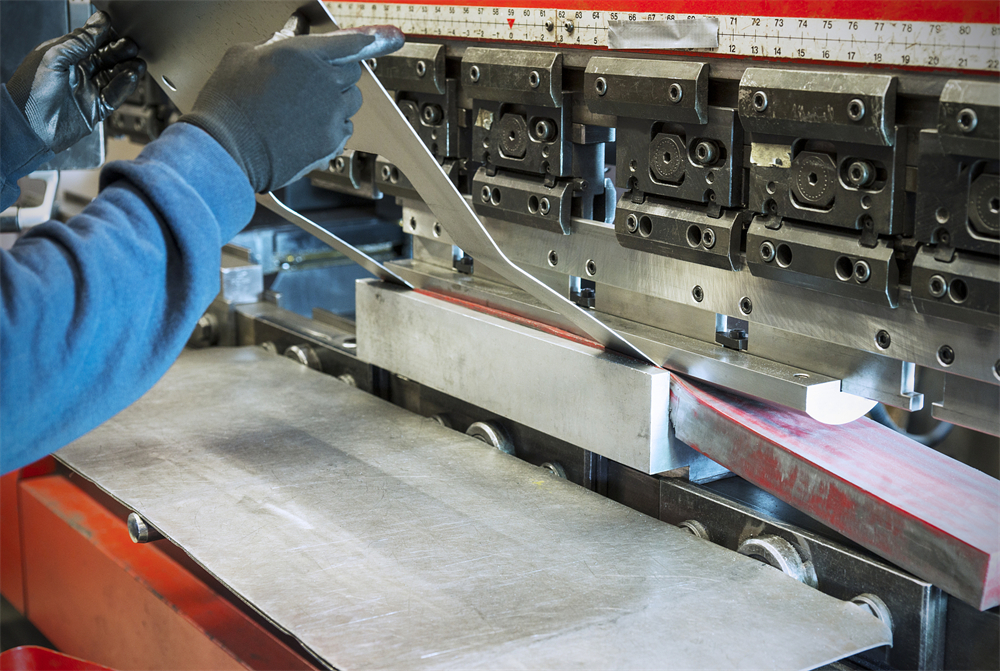
When manufacturing electrical cabinets, precision is not merely a preference; it is a requirement. The primary consideration is the accuracy of the bend angle. Even a deviation of a fraction of a degree can lead to misalignment during the assembly of doors, panels, and frames. This misalignment can compromise the IP (Ingress Protection) rating of the enclosure, allowing contaminants to enter and potentially causing catastrophic electrical failures. Press brakes equipped with advanced CNC controllers allow for real-time angle correction, ensuring consistent results across entire production runs.
Material thickness and type also play a significant role in the fabrication process. Electrical enclosures are typically manufactured from cold-rolled steel, stainless steel, or aluminum. Each material reacts differently to bending forces, exhibiting varying degrees of springback. A high-quality press brake allows operators to program compensation factors for these materials, ensuring that the final bend matches the design specifications perfectly. This capability is essential for maintaining the structural rigidity required to support heavy electrical components.
Efficiency and throughput are equally critical. In a competitive market, manufacturers must produce high volumes of enclosures with minimal lead times. Modern press brakes feature quick-change tooling systems and automated backgauges that significantly reduce setup times. By streamlining the bending process, fabricators can handle diverse product designs without the need for extensive downtime, allowing for greater flexibility in responding to customer orders.
Finally, safety and ergonomics cannot be overlooked. Electrical cabinet fabrication involves handling large, often heavy sheets of metal. Modern press brakes are designed with advanced safety features, such as laser light curtains and ergonomic foot pedals, which protect operators while facilitating efficient material handling. By prioritizing these considerations, manufacturers can create a safer, more productive environment that consistently delivers superior enclosures.
Technical Details: How Press Brakes Deliver Precision
The technical sophistication of a press brake is what separates a standard enclosure from a high-performance one. At the core of the machine is the hydraulic or electric drive system, which provides the tonnage required to bend metal. For electrical enclosures, which often feature multiple bends in a single sheet, the ability to control the ram position with micron-level accuracy is essential. This is achieved through high-resolution encoders and closed-loop hydraulic systems that monitor the ram’s position throughout the entire bending cycle.
The backgauge system is another critical technical component. In enclosure fabrication, the backgauge determines the location of the bend relative to the edge of the sheet. Modern press brakes utilize multi-axis backgauges (X, R, Z1, Z2) that allow for complex, non-parallel bends. This is particularly useful for creating the flanges and stiffeners that provide the enclosure with its structural strength. By automating the positioning of the backgauge, the machine ensures that every bend is perfectly aligned, reducing the need for manual measurement and rework.
Tooling selection is equally vital. The choice of punch and die geometry determines the bend radius and the quality of the bend. For electrical cabinets, which often require sharp, clean corners for aesthetic and functional reasons, specialized tooling is used to minimize marking and ensure a consistent radius. HARSLE offers a wide range of tooling options designed specifically for the thin-to-medium gauge materials commonly used in the electrical industry, ensuring that the finish of the enclosure remains pristine.
Furthermore, the integration of CNC software allows for offline programming. Designers can import 3D CAD models directly into the press brake controller, which then calculates the optimal bending sequence. This simulation capability helps identify potential collisions or material interference before the actual bending begins, saving time and preventing costly material waste. This level of technical integration is why press brakes are essential for electrical cabinet and enclosure fabrication in the modern era.
Selection Advice: Choosing the Right Machine for Your Needs
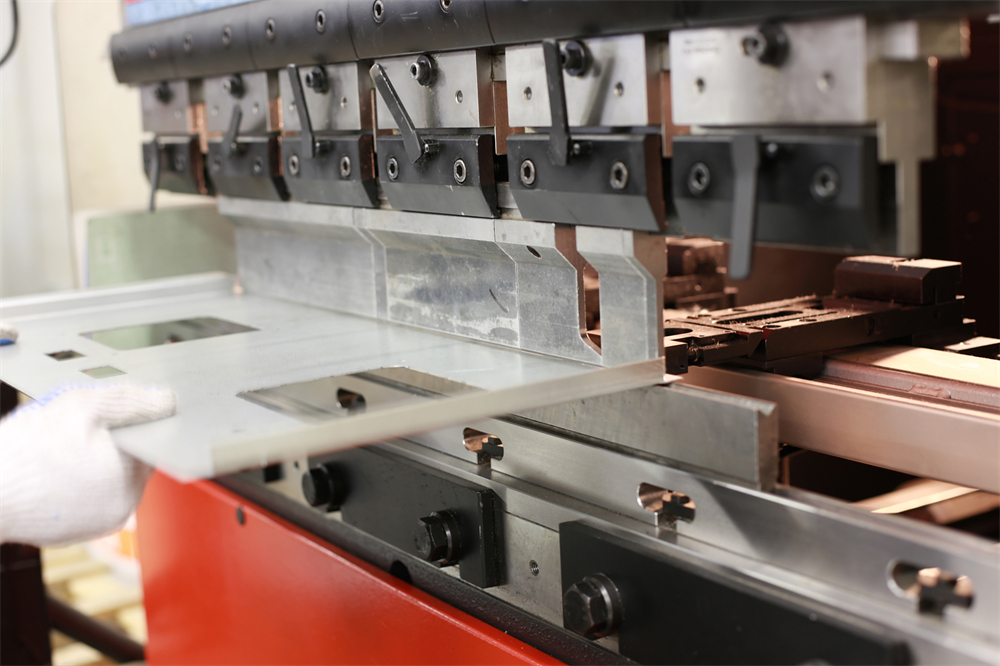
Selecting the right press brake for electrical enclosure fabrication requires a careful evaluation of your specific production needs. The first factor to consider is the required tonnage. While electrical enclosures are typically made from thinner gauge materials, the length of the bends can be significant. A machine with insufficient tonnage will struggle to achieve consistent bends across the full length of the sheet, leading to “bowing” or uneven angles. It is always advisable to choose a machine with a slightly higher tonnage capacity than your current requirements to accommodate future growth and thicker materials.
The bed length is another crucial specification. Enclosures come in various sizes, from small wall-mounted boxes to large floor-standing cabinets. Your press brake must have a bed length that exceeds the longest bend you intend to perform. Additionally, consider the daylight opening and stroke length, as these determine the size of the parts you can form and the complexity of the shapes you can achieve. A machine with a deeper throat depth also provides more flexibility for bending large, bulky enclosures.
Automation level is a major differentiator. For high-volume production, a press brake with automated tool changing and robotic material handling can drastically increase output. However, for smaller shops or custom fabrication, a manual or semi-automated machine with a user-friendly CNC interface may be more cost-effective. HARSLE provides a range of solutions, from entry-level hydraulic press brakes to fully automated bending cells, allowing you to scale your investment based on your production volume and budget.
Finally, consider the support and service provided by the manufacturer. A press brake is a long-term investment, and having access to reliable technical support, spare parts, and training is essential. HARSLE prides itself on providing comprehensive after-sales service, ensuring that your equipment remains operational and productive for years to come. When evaluating potential suppliers, look for a track record of reliability and a commitment to customer success.
Maintenance and Operational Best Practices
To ensure that your press brake continues to deliver the precision required for electrical enclosure fabrication, a rigorous maintenance schedule is essential. Regular lubrication of the ram guides and hydraulic system is critical to prevent wear and ensure smooth operation. Additionally, the hydraulic oil should be checked and replaced according to the manufacturer’s recommendations to maintain system pressure and prevent contamination.
The backgauge and tooling should also be inspected regularly for signs of damage or misalignment. Even minor debris on the die surface can cause imperfections in the finished enclosure, so keeping the work area clean is a simple yet effective way to maintain quality. Operators should be trained to perform daily checks, such as verifying the accuracy of the bend angle on a test piece before starting a production run.
Software updates are another often-overlooked aspect of maintenance. Modern CNC controllers receive periodic updates that can improve performance, add new features, and enhance security. Keeping your machine’s software up to date ensures that you are taking advantage of the latest advancements in bending technology. Furthermore, regular training for operators helps them stay proficient with the machine’s capabilities, leading to safer and more efficient operation.
Finally, document your maintenance activities. Keeping a detailed log of all service, repairs, and adjustments helps in tracking the machine’s performance over time and can be invaluable for troubleshooting if issues arise. By treating your press brake as a precision instrument rather than just a piece of heavy machinery, you ensure that it remains a reliable asset in your fabrication facility.
FAQ: Frequently Asked Questions
1. Why is a press brake better than other methods for bending electrical enclosures?
Press brakes offer unmatched precision, repeatability, and versatility. Unlike manual bending methods, they provide the consistent force needed for high-quality, repeatable bends, which is essential for the tight tolerances required in electrical cabinet assembly.
2. How does material thickness affect the choice of a press brake?
Material thickness directly influences the required tonnage. Thicker materials require more force to bend. Choosing a press brake with the correct tonnage capacity ensures that the machine can handle your material range without overloading, preventing damage and ensuring consistent bend quality.
3. What role does the CNC controller play in enclosure fabrication?
The CNC controller automates the bending process, managing the ram position, backgauge movement, and bend angle. It allows for complex, multi-bend sequences to be programmed and executed with high accuracy, significantly reducing human error and production time.
4. Can a press brake handle different types of metal?
Yes, modern press brakes are highly versatile. By adjusting the bending parameters and using the correct tooling, they can effectively bend various materials, including cold-rolled steel, stainless steel, and aluminum, all of which are common in electrical enclosure manufacturing.
5. How often should I perform maintenance on my press brake?
Maintenance should be performed according to the manufacturer’s schedule, typically involving daily, weekly, and monthly checks. Regular lubrication, hydraulic system monitoring, and tooling inspections are vital to keep the machine in peak condition.
Conclusion: Investing in Quality Fabrication
The role of the press brake in the electrical cabinet and enclosure industry cannot be overstated. As the demand for high-performance enclosures grows, the ability to produce precise, durable, and aesthetically pleasing products is a key competitive advantage. By understanding the technical requirements, selecting the right equipment, and maintaining it with care, manufacturers can ensure that their production lines remain efficient and capable of meeting the highest industry standards.
HARSLE is dedicated to providing the metal fabrication industry with the tools necessary to succeed. Our range of press brakes is designed with the specific needs of electrical enclosure fabricators in mind, combining power, precision, and ease of use. Whether you are a small shop or a large-scale manufacturer, investing in high-quality bending technology is an investment in the future of your business.
Ultimately, the success of your electrical enclosure fabrication depends on the reliability of your equipment. By choosing a press brake that offers the right balance of performance and features, you can streamline your workflow, reduce waste, and deliver products that your customers can rely on. Explore the HARSLE range today and discover how our solutions can elevate your fabrication capabilities to the next level.












