
How Press Brakes Help Manufacturers Reduce Waste In Metal Forming Applications


Introduction: The Imperative of Efficiency in Modern Metal Fabrication
In the competitive landscape of modern industrial manufacturing, the ability to minimize material waste is not just an environmental goal—it is a critical financial necessity. As raw material costs fluctuate and supply chains face increasing pressure, fabricators are constantly seeking ways to maximize the yield from every sheet of metal. This is where the role of advanced machinery becomes paramount. Specifically, how press brakes help manufacturers reduce waste in metal forming applications has become a central theme in operational optimization.
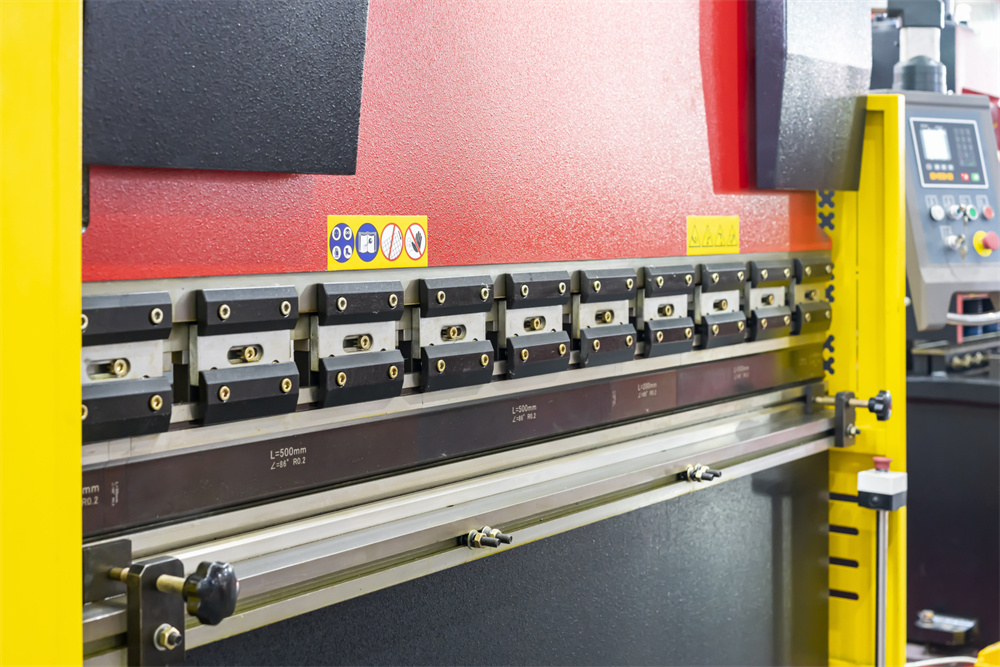
A press brake is the backbone of any sheet metal fabrication shop. While its primary function is to bend metal into precise shapes, its secondary, and perhaps more impactful, function is to act as a gatekeeper for material integrity. By utilizing high-precision CNC controls, modern press brakes ensure that every bend is executed with exactitude, drastically reducing the scrap rate that often plagues traditional, manual bending methods.
For manufacturers, waste reduction translates directly into higher profit margins and a smaller carbon footprint. When a machine can consistently produce parts within tight tolerances, the need for re-work or the disposal of failed components is virtually eliminated. This article explores the technical, operational, and strategic ways that HARSLE press brakes empower manufacturers to achieve lean production goals through superior metal forming technology.
As we delve into the mechanics of waste reduction, it is essential to understand that the modern press brake is no longer just a hydraulic ram. It is a sophisticated, data-driven system. From automated backgauges to real-time angle measurement sensors, the technology integrated into these machines is designed to eliminate the ‘trial and error’ phase of production, ensuring that the first part off the line is as perfect as the last.

Key Considerations for Minimizing Material Scrap
Reducing waste begins long before the metal enters the press brake. It starts with the design phase and the selection of the right equipment. One of the most significant contributors to scrap in metal forming is the ‘trial bend’ process. In older systems, operators often had to bend several test pieces to calibrate the machine for a specific material thickness or spring-back characteristic. This process wastes both time and expensive raw material.
Modern press brakes mitigate this by utilizing advanced software that simulates the bending process before a single piece of metal is touched. By inputting material properties—such as tensile strength, thickness, and grain direction—into the CNC controller, the machine calculates the exact force and depth required. This predictive capability ensures that the very first piece is a finished product, effectively reducing scrap to near zero.
Another key consideration is the consistency of the bending force across the entire length of the die. If a press brake suffers from deflection, the bend angle will vary from the center to the edges of the sheet. This inconsistency often leads to parts that do not meet quality control standards, forcing the manufacturer to discard them. HARSLE press brakes utilize advanced crowning systems to compensate for this deflection, ensuring uniform bends across the entire workpiece.
Furthermore, the integration of automated backgauges plays a vital role in waste reduction. A backgauge that is not perfectly aligned or that lacks the necessary axes of movement can lead to skewed bends. When a bend is skewed, the entire part is often rendered useless. High-end press brakes feature multi-axis backgauges that position the workpiece with micron-level accuracy, ensuring that every bend is perfectly square and aligned with the design specifications.
Technical Details: How Precision Engineering Drives Waste Reduction
The technical architecture of a modern press brake is designed to eliminate human error and mechanical inconsistency. One of the most critical components in this regard is the hydraulic system. Modern hydraulic press brakes use proportional valve technology to control the movement of the ram with extreme precision. This allows for ‘active’ control of the bending process, where the machine can adjust its position in real-time based on feedback from sensors.
Angle measurement systems are another technological leap forward. These systems use laser or optical sensors to measure the actual bend angle of the metal while it is being formed. If the material exhibits unexpected spring-back, the machine detects this deviation instantly and adjusts the ram position to compensate. This ‘closed-loop’ feedback system is perhaps the most effective way that press brakes help manufacturers reduce waste in metal forming applications, as it accounts for material variability that would otherwise cause a part to be rejected.
Tooling selection also plays a massive role in waste reduction. Using the wrong die radius or punch geometry can cause surface marring or cracking, which often necessitates the scrapping of the part. HARSLE provides a wide range of precision-ground tooling designed to match specific material types and thicknesses. When the tooling is perfectly matched to the application, the stress on the metal is minimized, and the structural integrity of the bend is maximized.
Finally, the software ecosystem surrounding the press brake—often referred to as offline programming—allows for nesting and simulation. By nesting parts efficiently on a sheet of metal, manufacturers can ensure that the maximum amount of material is used for production, leaving only minimal skeleton scrap. When this is combined with the precision of the press brake, the entire fabrication workflow becomes a model of efficiency.
Selection Advice: Choosing the Right Equipment for Your Shop
When selecting a press brake to minimize waste, the first step is to analyze your specific production requirements. Are you bending thin-gauge aluminum or thick, high-tensile steel? The tonnage and bed length of the machine must be perfectly matched to your typical workload. An undersized machine will struggle to maintain precision, while an oversized machine may be inefficient for smaller parts.
Consider the level of automation required. For high-volume production, robotic press brake cells are the gold standard for waste reduction. Robots eliminate the variability of manual handling, ensuring that the workpiece is presented to the machine in the exact same orientation every time. This consistency is the enemy of waste and the best friend of high-quality output.
Look for machines that offer user-friendly, intuitive CNC interfaces. If the programming process is overly complex, operators are more likely to make mistakes. A machine that allows for quick setup, easy tool changes, and simple program loading will naturally lead to fewer errors. HARSLE’s control systems are designed with the operator in mind, reducing the learning curve and minimizing the potential for human-induced scrap.
Maintenance is also a critical factor in long-term waste reduction. A machine that is not properly maintained will eventually lose its precision. Look for manufacturers that provide comprehensive support, easy access to spare parts, and clear maintenance schedules. Regular calibration of the backgauges and hydraulic systems is essential to ensure that the machine continues to operate within its design tolerances over its entire service life.
FAQ: Common Questions About Press Brake Efficiency
How does a press brake reduce material scrap?
By using CNC precision, real-time angle measurement, and predictive simulation software, modern press brakes eliminate the need for trial bends and ensure that every part is formed correctly on the first attempt.
What is the role of crowning in waste reduction?
Crowning compensates for the natural deflection of the press brake bed under load. By ensuring the bending force is uniform across the entire length of the die, crowning prevents inconsistent bend angles that would otherwise lead to rejected parts.
Can older press brakes be upgraded to reduce waste?
While some older machines can be retrofitted with modern CNC controllers or backgauges, the most effective way to reduce waste is to invest in a modern, integrated system designed for high-precision, closed-loop operation.
How does material spring-back affect waste?
Spring-back is the tendency of metal to return to its original shape after bending. If not accounted for, it leads to inaccurate angles. Modern press brakes use sensors to detect spring-back and automatically adjust the ram to achieve the desired final angle.
Conclusion: Investing in a Sustainable Future
The question of how press brakes help manufacturers reduce waste in metal forming applications is answered by the convergence of precision engineering, intelligent software, and robust hardware. By moving away from manual, error-prone processes and embracing the capabilities of modern CNC press brakes, manufacturers can significantly lower their scrap rates, reduce their raw material costs, and improve their overall operational efficiency.
HARSLE remains committed to providing the metal fabrication industry with the tools necessary to thrive in an era where efficiency is the primary driver of success. Whether you are a small job shop or a large-scale production facility, the right press brake is an investment in quality and sustainability. By focusing on precision, investing in the right technology, and maintaining your equipment, you can ensure that your metal forming applications are as lean and productive as possible.
As the industry continues to evolve, the integration of smart manufacturing and automated systems will only become more important. By choosing a partner like HARSLE, you are not just buying a machine; you are gaining access to the expertise and technology needed to stay ahead of the curve, minimize your environmental impact, and maximize your profitability in the competitive world of metal fabrication.












