
Punching Machine Safety: Essential Rules for Operators and Managers


Technical Overview of Punching Machine Safety
In the modern metal fabrication landscape, the punching machine stands as a cornerstone of productivity. However, the immense force generated by these machines—often ranging from 30 to over 300 tons—presents significant risks if not managed with rigorous safety protocols. Punching machine safety: essential rules for operators and managers is not merely a regulatory requirement; it is a fundamental pillar of operational excellence and employee welfare.
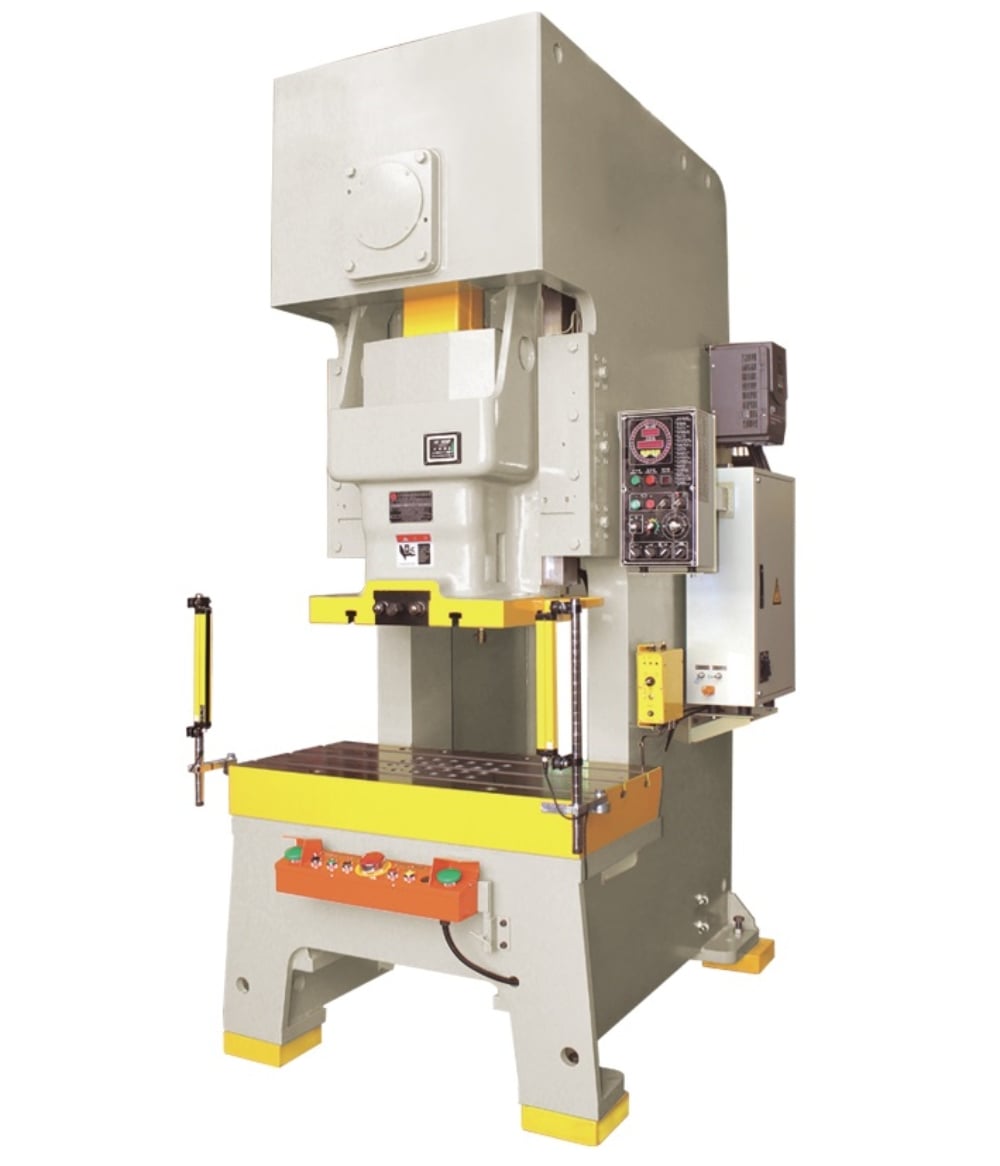
At its core, a punching machine utilizes a punch and die set to shear or form metal sheets. The kinetic energy involved in this process is substantial. Modern HARSLE punching machines incorporate advanced hydraulic systems and CNC controls to improve precision, but the mechanical danger remains. Safety systems, including light curtains, physical barriers, and emergency stop mechanisms, are designed to mitigate these risks, yet they are only as effective as the personnel operating and maintaining them.
Managers must understand that safety is a holistic culture. It involves the integration of machine guarding, regular inspection schedules, and comprehensive training programs. When safety is prioritized, downtime is reduced, tool life is extended, and the overall quality of the fabricated parts improves. This guide explores the technical and procedural requirements necessary to maintain a safe environment in any metal fabrication facility.
The evolution of punching technology has seen a shift from purely mechanical flywheels to sophisticated hydraulic and servo-driven systems. While these newer systems offer better control, they require specialized knowledge. Operators must be trained not just on how to produce parts, but on how to recognize the warning signs of mechanical fatigue or sensor failure. Understanding the machine’s technical limitations is the first step toward preventing catastrophic accidents.
Core Parameters for Safe Operation
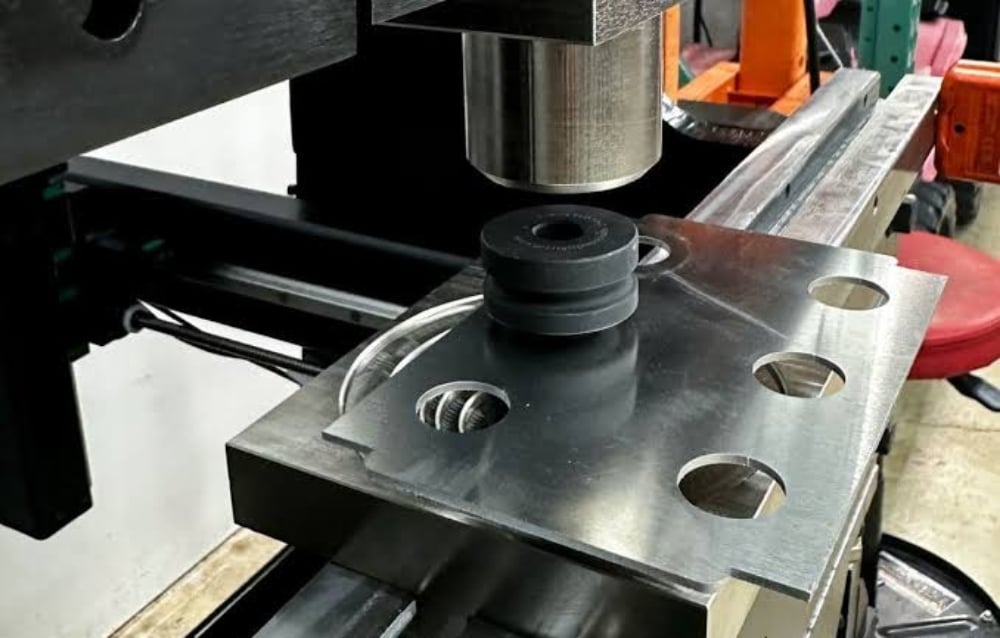
To ensure punching machine safety: essential rules for operators and managers, one must first master the core parameters that dictate machine behavior. The most critical parameter is the tonnage capacity. Operating a machine beyond its rated tonnage not only damages the frame and tooling but also creates unpredictable stress points that can lead to structural failure or flying debris.
Stroke length and speed are equally vital. High-speed punching increases the risk of vibration-induced loosening of fasteners. Operators must ensure that the stroke settings are calibrated to the specific thickness and material type of the workpiece. Incorrect stroke settings can lead to “snap-through” or “break-through” shock, which puts undue strain on the machine’s hydraulic cylinders and the operator’s physical safety.
Die clearance is a parameter that directly impacts both safety and quality. If the clearance between the punch and the die is too tight, the machine requires excessive force, increasing the risk of tool breakage. If the clearance is too wide, the material may not shear cleanly, leading to burrs that can cause injury during handling. Proper clearance settings are a non-negotiable aspect of daily machine setup.
Finally, the clamping force of the work-holding system must be monitored. If a sheet is not properly secured, it can shift during the punching cycle, leading to tool collision or the sheet being ejected from the machine bed. Managers should implement a checklist that requires operators to verify clamping pressure against the material’s surface area and weight before initiating any cycle.
Calculation Method for Safe Tonnage
Calculating the required punching force is a critical safety step that prevents machine overload. The formula for determining the force (P) required is: P = L × t × S × k. In this equation, ‘L’ represents the perimeter of the shape being punched, ‘t’ is the thickness of the material, ‘S’ is the shear strength of the material, and ‘k’ is a safety factor (typically 1.2 to 1.5 to account for tool dullness).
By calculating this force, managers can ensure that the machine selected for a specific job is well within its safe operating limits. For example, punching a 50mm diameter hole in 5mm mild steel requires significantly less force than a complex multi-hole pattern. Ignoring these calculations leads to “tonnage creep,” where the machine is consistently pushed to its limit, accelerating wear and increasing the risk of sudden mechanical failure.
Operators should be provided with a reference chart or a digital calculator integrated into the HARSLE CNC interface. This removes the guesswork from the process. When an operator knows the exact force required, they can better identify when a machine is struggling—such as when a tool becomes dull and requires more force than the calculated baseline—and take corrective action before an accident occurs.
Furthermore, the calculation method must account for the material’s tensile strength. Stainless steel, for instance, requires significantly more force than aluminum. Managers must ensure that the material database in the machine’s software is updated regularly. This technical rigor is a key component of punching machine safety: essential rules for operators and managers.
Parameter Table for Standard Operations
| Parameter | Recommended Range | Safety Impact |
|---|---|---|
| Tonnage Utilization | 60% – 80% of Max | Prevents structural fatigue |
| Die Clearance | 5% – 10% of Material Thickness | Reduces tool stress and burrs |
| Hydraulic Oil Temp | 40°C – 60°C | Ensures consistent valve response |
| Cycle Speed | Adjust per material type | Prevents sheet vibration/ejection |
| Clamping Pressure | Verify per sheet weight | Prevents material slippage |
Common Engineering Mistakes in Safety Management
One of the most common mistakes in metal fabrication is the bypassing of safety interlocks. Operators under pressure to meet production quotas may attempt to disable light curtains or physical guards to speed up the loading process. This is a catastrophic error. Managers must enforce a zero-tolerance policy regarding the modification of safety hardware, as these systems are the last line of defense against life-altering injuries.
Another frequent mistake is the neglect of tool maintenance. A dull punch requires more force, generates more heat, and creates more vibration. This cycle of degradation leads to premature machine wear and increases the risk of the punch shattering under load. A proactive tool sharpening schedule is not just a quality control measure; it is a vital safety protocol that reduces the mechanical stress on the entire system.
Inadequate training on emergency stop procedures is also a major oversight. Many operators know where the E-stop is, but they do not practice the reaction time required to use it effectively. Regular drills should be conducted to ensure that every operator can react instinctively to a malfunction. Furthermore, the E-stop must be tested at the start of every shift to ensure the electrical circuit is functioning correctly.
Finally, poor housekeeping around the machine bed is a silent hazard. Metal scraps, oil spills, and loose tools create a dangerous environment. Slips, trips, and falls are common in fabrication shops, and when they occur near an active punching machine, the consequences are severe. Maintaining a clean, organized workspace is a fundamental rule for both operators and managers to ensure long-term safety.
Selection Checklist for Safe Equipment
When investing in new metal fabrication equipment, safety must be the primary selection criterion. Use this checklist to evaluate potential HARSLE punching machines:
- Integrated Safety Sensors: Does the machine feature high-resolution light curtains that automatically stop the cycle if an obstruction is detected?
- Dual-Hand Controls: Are the activation buttons positioned to ensure the operator’s hands are clear of the punch zone during the cycle?
- Emergency Stop Accessibility: Are there multiple, easily reachable E-stop buttons located around the machine perimeter?
- Tooling Protection: Does the machine have software-based collision detection to prevent the punch from striking the die?
- Ergonomic Design: Is the loading height appropriate to reduce operator fatigue, which is a leading cause of human error?
- Compliance Certification: Does the machine meet international safety standards such as CE or OSHA requirements?
By following this checklist, managers can ensure that the equipment they purchase is designed with safety as a priority. Investing in high-quality, safety-certified machinery reduces long-term liability and fosters a culture of professional responsibility.
FAQ: Punching Machine Safety
Q: How often should I test the light curtains on my punching machine?
A: Light curtains should be tested at the beginning of every shift. Use the manufacturer-provided test rod to ensure the machine stops immediately when the beam is broken.
Q: What is the most common cause of punching machine accidents?
A: The most common causes are unauthorized bypassing of safety guards, lack of proper training, and operator fatigue leading to poor decision-making.
Q: Can I use a punching machine to process materials outside of its rated thickness?
A: No. Attempting to punch material thicker than the machine’s rating can cause catastrophic mechanical failure, including frame cracking and hydraulic system rupture.
Q: How does tool dullness affect safety?
A: Dull tools increase the force required for punching, which puts excessive strain on the machine components and increases the risk of tool breakage and flying metal shards.
Q: What role does the manager play in daily safety?
A: Managers are responsible for enforcing safety protocols, ensuring regular maintenance, providing ongoing training, and fostering a culture where safety is never sacrificed for speed.
By adhering to these guidelines, facilities can maintain high productivity while ensuring that every operator returns home safely. Punching machine safety: essential rules for operators and managers is a commitment that pays dividends in both human lives and operational efficiency.












