
How to Fix Inaccurate Cutting in a Laser Cutting Machine: A Comprehensive Troubleshooting Guide


Introduction
In the high-stakes world of metal fabrication, precision is the currency of success. When your laser cutting machine begins to produce parts that fall outside of tolerance, it doesn’t just waste material—it disrupts your entire production schedule and compromises the quality of your finished products. Learning how to fix inaccurate cutting in a laser cutting machine is a critical skill for any operator or maintenance technician working with high-performance industrial equipment.
At HARSLE, we understand that a laser cutting machine is a complex synergy of optics, motion control, and software. When one of these components drifts, the result is often seen in jagged edges, dimensional errors, or inconsistent kerf widths. This guide is designed to walk you through the systematic process of diagnosing and resolving these issues, ensuring your equipment returns to peak performance levels.
Whether you are operating a high-power fiber laser or a specialized CO2 system, the principles of accuracy remain largely the same. By focusing on mechanical stability, optical alignment, and software parameters, you can systematically isolate the root cause of inaccuracy. This article serves as your comprehensive roadmap to restoring the precision your metal fabrication projects demand.
Key Considerations for Laser Accuracy
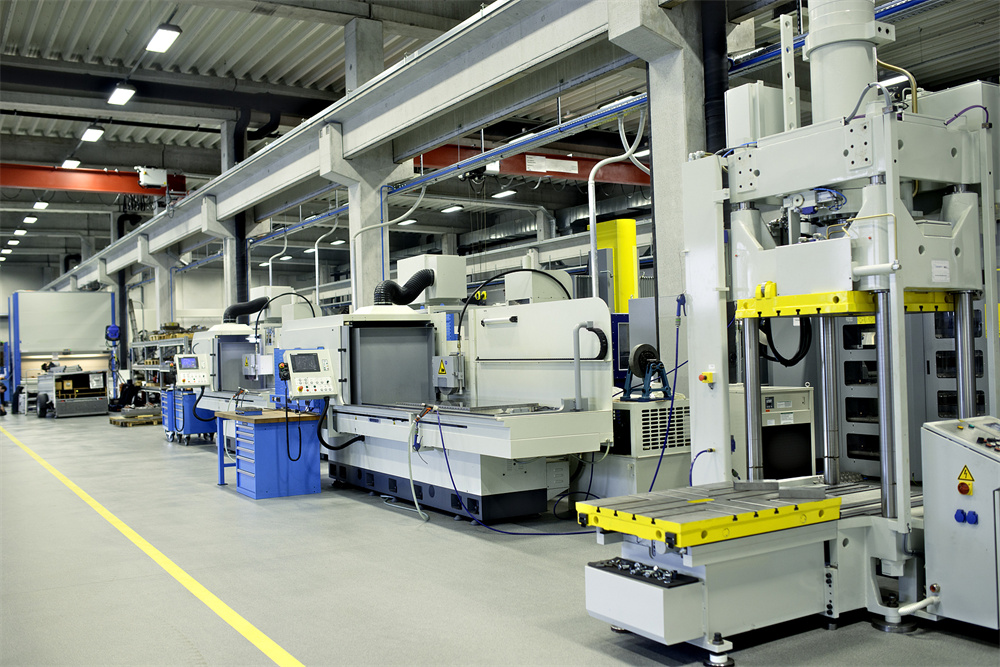
Before diving into technical repairs, it is essential to understand the environmental and operational factors that influence cutting accuracy. Many operators assume a mechanical failure when the issue is actually rooted in external variables. The first consideration is the stability of the machine bed. If the foundation is uneven or the machine is not properly leveled, the gantry may experience subtle vibrations or misalignments that manifest as cutting errors.
Thermal expansion is another silent enemy of precision. Laser cutting machines generate significant heat during operation. If the machine is not allowed to reach a stable operating temperature, or if the cooling system is malfunctioning, the structural components may expand or contract, leading to dimensional drift. Always ensure that your chiller unit is operating within the manufacturer’s specified temperature range before beginning high-precision tasks.
Material quality and preparation also play a pivotal role. If your metal sheets are warped, oxidized, or contaminated with heavy oil, the laser beam may scatter or fail to penetrate consistently. This inconsistency is often mistaken for a machine calibration issue. Always inspect your raw materials and ensure that the clamping system is holding the workpiece securely in place to prevent any movement during the cutting process.
Finally, consider the role of the assist gas. The purity and pressure of your nitrogen, oxygen, or compressed air are vital. If the gas pressure fluctuates or if the gas contains moisture or oil contaminants, the cutting quality will suffer immediately. Regularly checking your gas supply lines and filters is a fundamental part of maintaining the accuracy of your laser cutting machine.
Technical Details: Diagnosing and Fixing Inaccuracies
When you need to fix inaccurate cutting in a laser cutting machine, you must adopt a methodical approach. Start by checking the optical path. In fiber lasers, the beam delivery is enclosed, but the focus lens and protective windows are susceptible to dust and debris. A dirty lens will cause the beam to diffuse, resulting in a wider kerf and poor edge quality. Clean your optics using only manufacturer-approved cleaning agents and lint-free materials.
Next, examine the mechanical motion system. The rack and pinion or ball screw systems must be free of debris and properly lubricated. If you notice “stepping” or “stuttering” during movement, check the servo motor tuning. Sometimes, the parameters in the CNC controller need to be adjusted to compensate for mechanical wear. Ensure that the belts are tensioned correctly; a loose belt will cause backlash, which is a common culprit for inaccurate dimensions in circular or complex shapes.
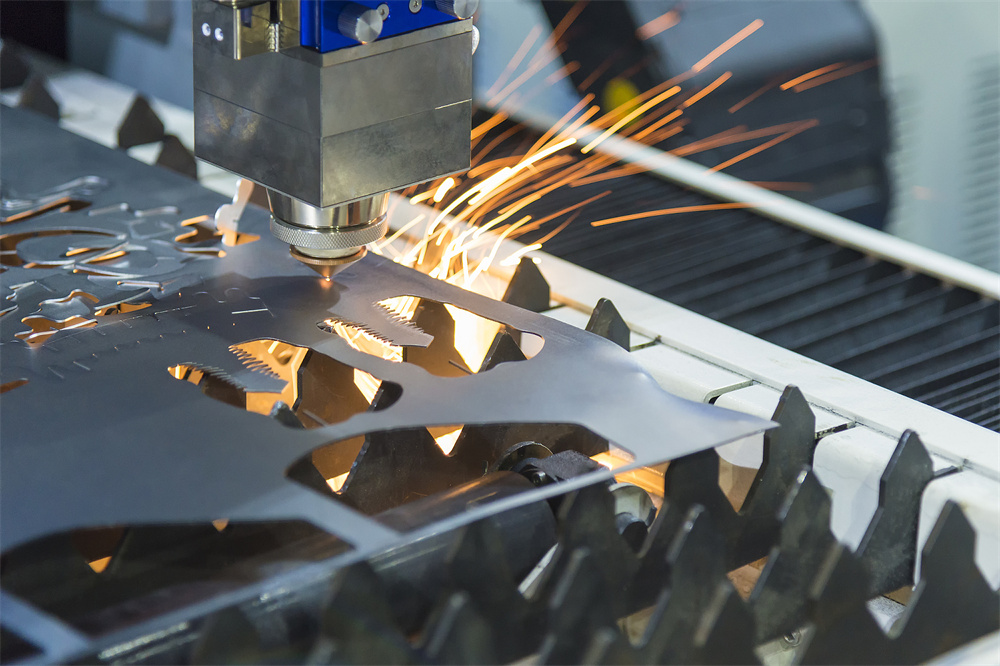
The nozzle alignment is perhaps the most frequent point of failure. If the laser beam is not perfectly centered in the nozzle, the gas flow will be asymmetrical, causing the cut to be slanted or burred. Use a centering tool to verify that the beam passes through the exact center of the nozzle orifice. If it is off-center, adjust the beam alignment screws on the laser head until the beam is perfectly concentric.
Software parameters, specifically the focus position and the lead-in/lead-out settings, must be optimized for the material thickness. If the focus position is incorrect, the energy density at the point of contact will be insufficient, leading to incomplete cuts or tapered edges. Consult your HARSLE operation manual to verify the correct focal length settings for the specific material and thickness you are currently processing.
Selection Advice for Reliable Performance
When investing in new metal fabrication equipment, choosing a machine with robust design features is the best way to prevent future accuracy issues. Look for machines that feature heavy-duty, stress-relieved frames. A rigid frame is less susceptible to vibrations and thermal deformation, which are the primary enemies of long-term cutting precision. HARSLE machines are engineered with high-strength steel structures to ensure stability under continuous industrial loads.
Consider the quality of the motion control system. High-end servo motors and precision-ground racks provide the repeatability required for tight-tolerance work. When comparing machines, ask about the repeatability specifications rather than just the positioning accuracy. Repeatability ensures that every part you cut is identical to the last, which is critical for batch production in metal fabrication.
The integration of automatic calibration features can significantly reduce the time spent on manual adjustments. Modern fiber laser machines often include auto-focusing heads and automatic nozzle cleaning stations. These features minimize human error and ensure that the machine is always operating at its optimal configuration. Investing in these technologies pays for itself by reducing scrap rates and increasing throughput.
Finally, prioritize the availability of technical support and spare parts. Even the best machines require maintenance. Choosing a manufacturer that offers comprehensive training, remote diagnostics, and a reliable supply chain for consumables ensures that when you do encounter an issue, you can resolve it quickly. At HARSLE, we provide end-to-end support to ensure your equipment remains a reliable asset for years to come.
Frequently Asked Questions (FAQ)
Why is my laser cutting machine producing tapered edges?
Tapered edges are often caused by an incorrect focal position or a nozzle that is not perfectly centered. Ensure your focus is set to the middle of the material thickness and verify the beam alignment within the nozzle.
How often should I clean the laser optics?
The frequency depends on your operating environment. In a clean facility, a weekly inspection is sufficient. However, if you are cutting materials that produce significant smoke or debris, you should inspect and clean the protective windows daily.
Can software updates fix cutting inaccuracies?
While software updates can improve motion control algorithms and machine efficiency, they cannot fix mechanical issues like loose belts or misaligned optics. Always perform a mechanical inspection before assuming a software solution is required.
What is the impact of assist gas purity on cut quality?
Low-purity gas can lead to oxidation on the cut edge and inconsistent penetration. Always use high-purity industrial gases and ensure your filtration system is free of moisture and oil.
How do I know if my servo motors need tuning?
If you notice that the machine is not hitting its target coordinates or if you hear unusual vibrations during high-speed movements, it may be time to recalibrate the servo parameters. Consult your HARSLE technical manual for the specific tuning procedure.
Conclusion
Learning how to fix inaccurate cutting in a laser cutting machine is an essential aspect of maintaining a competitive edge in the metal fabrication industry. By systematically addressing the mechanical, optical, and software components of your machine, you can ensure consistent, high-quality results. Remember that precision is not a one-time setup but a continuous process of monitoring and maintenance.
At HARSLE, we are committed to providing the tools and knowledge necessary for your success. From high-performance fiber laser systems to expert troubleshooting guidance, we stand by our customers to ensure that every cut is as accurate as the first. If you continue to experience issues despite following these steps, do not hesitate to reach out to our technical support team for professional assistance. Keep your machinery in top condition, and your production line will continue to deliver excellence.












