
Punching Machine Electrical Maintenance Tips for Fewer Unexpected Failures: A Comprehensive Guide


The Critical Importance of Proactive Maintenance in Metal Fabrication
In the high-stakes world of metal fabrication, the punching machine serves as the backbone of production. Whether you are operating a high-speed CNC turret punch or a heavy-duty hydraulic punching station, the electrical system is the nervous system that dictates precision, speed, and safety. Implementing consistent Punching Machine Electrical Maintenance Tips for Fewer Unexpected Failures is not merely a suggestion; it is a fundamental operational strategy to ensure longevity and profitability.
Unexpected downtime caused by electrical faults can cost a fabrication shop thousands of dollars per hour in lost production, missed deadlines, and wasted raw materials. When a machine stops mid-cycle due to a sensor failure, a blown relay, or a loose connection, the ripple effect impacts the entire supply chain. By prioritizing electrical health, shop managers can transition from reactive ‘firefighting’ to a structured, predictive maintenance model that keeps the shop floor running at peak efficiency.
Furthermore, electrical components in punching machines are subjected to harsh industrial environments. Metal dust, vibration, temperature fluctuations, and oil mist all contribute to the degradation of sensitive electronics. Without a rigorous maintenance schedule, these factors lead to intermittent errors that are notoriously difficult to diagnose. Understanding the relationship between environmental stressors and electrical performance is the first step toward achieving the goal of fewer unexpected failures.
HARSLE emphasizes that maintenance is an investment, not an expense. A well-maintained electrical system ensures that the machine operates within its design parameters, reducing the strain on motors, drives, and controllers. This holistic approach to machine care extends the life of the equipment, maintains high resale value, and ensures that the machine consistently meets the tolerances required by modern engineering standards.
Daily Inspection Protocols for Electrical Integrity
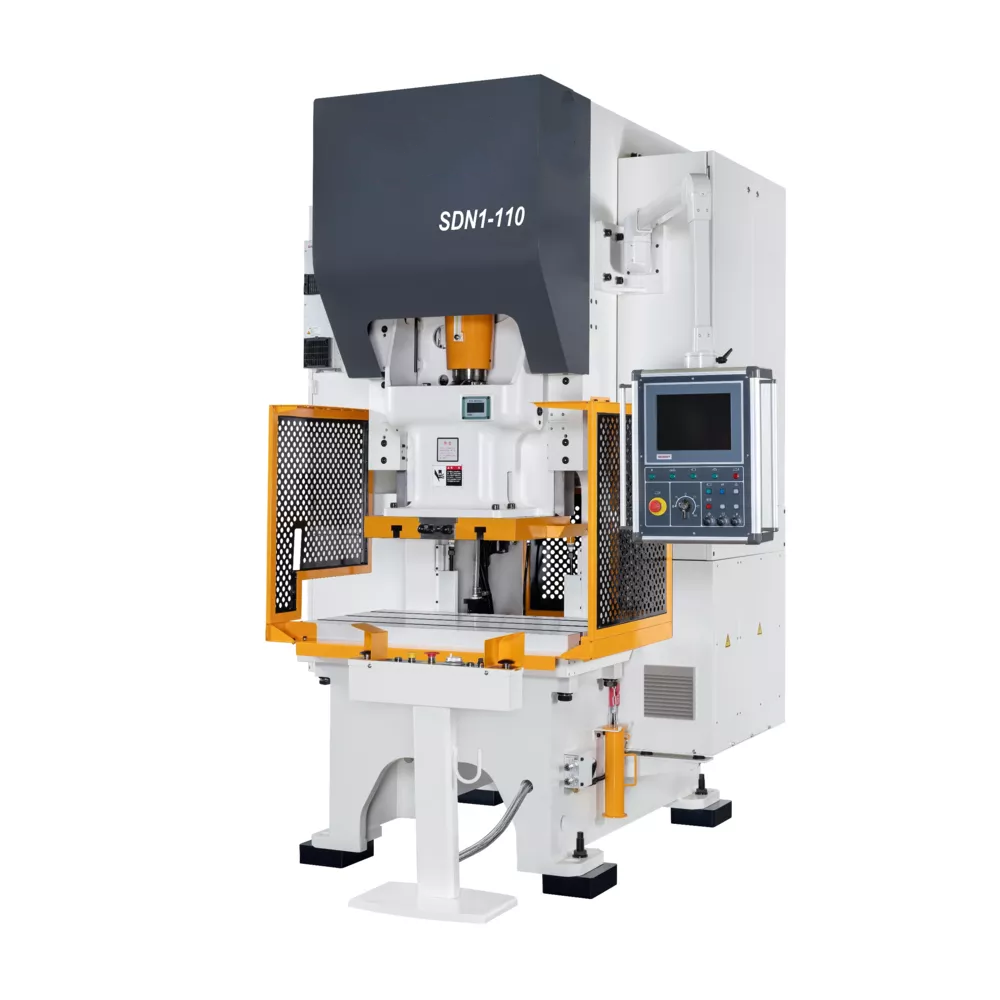
The foundation of any successful maintenance program is the daily inspection. Before the first shift begins, operators should perform a ‘walk-around’ that focuses on the electrical interface. This includes checking the control panel for any warning lights, unusual error codes, or flickering displays. A quick visual check of the emergency stop buttons and safety light curtains ensures that the primary safety systems are fully functional before the machine is engaged.
Operators should also inspect the cable tracks and conduits for signs of wear or damage. In a punching machine, the movement of the turret or the ram puts constant stress on the wiring harnesses. Look for frayed insulation, pinched cables, or loose connectors that may have vibrated out of place during the previous shift. Identifying these issues early prevents short circuits that could damage the PLC or the main drive board.
Cleanliness is a critical component of daily electrical maintenance. Ensure that the electrical cabinet is properly sealed and that the cooling fans are free of dust and debris. If the cabinet filters are clogged, the internal temperature of the electronics will rise, leading to premature component failure. A clean cabinet is a cool cabinet, and heat is the primary enemy of sensitive electronic components like capacitors and microprocessors.
Finally, verify the grounding connections. A punching machine generates significant vibration and electromagnetic interference. If the grounding is compromised, the machine may experience erratic behavior, such as ‘ghost’ signals or communication errors between the controller and the servo drives. A daily check of the grounding strap and the main power input connection ensures that the machine remains stable throughout the production day.
Hydraulic, Electrical, and Mechanical Synergy
While this guide focuses on electrical maintenance, it is vital to recognize that the electrical system is inextricably linked to hydraulic and mechanical performance. For instance, a hydraulic pump motor draws more current if the hydraulic system is struggling with contaminated oil or a failing valve. By monitoring the electrical load of the motors, operators can often detect mechanical issues before they result in a catastrophic failure.
The electrical system controls the solenoid valves that manage hydraulic pressure. If these solenoids are not receiving clean, consistent voltage, the timing of the punch stroke can become inconsistent. This leads to poor part quality and increased wear on the punching tools. Regularly checking the voltage output at the solenoid terminals is a key part of our Punching Machine Electrical Maintenance Tips for Fewer Unexpected Failures.
Mechanical vibration is another factor that impacts electrical components. Loose mechanical fasteners can lead to excessive vibration, which in turn causes electrical connectors to loosen over time. A comprehensive maintenance plan must include checking the tightness of electrical terminals inside the control cabinet. Vibration-induced loosening is a leading cause of intermittent electrical faults that are often misdiagnosed as software bugs.
Lastly, consider the role of the lubrication system. Many modern punching machines use electronically controlled lubrication pumps. If the electrical signal to the pump fails, the machine will not receive the necessary lubrication, leading to rapid mechanical wear. Monitoring the status of the lubrication system via the HMI (Human Machine Interface) is essential for maintaining the synergy between the electrical, hydraulic, and mechanical subsystems.
Developing a Robust Lubrication and Environmental Plan
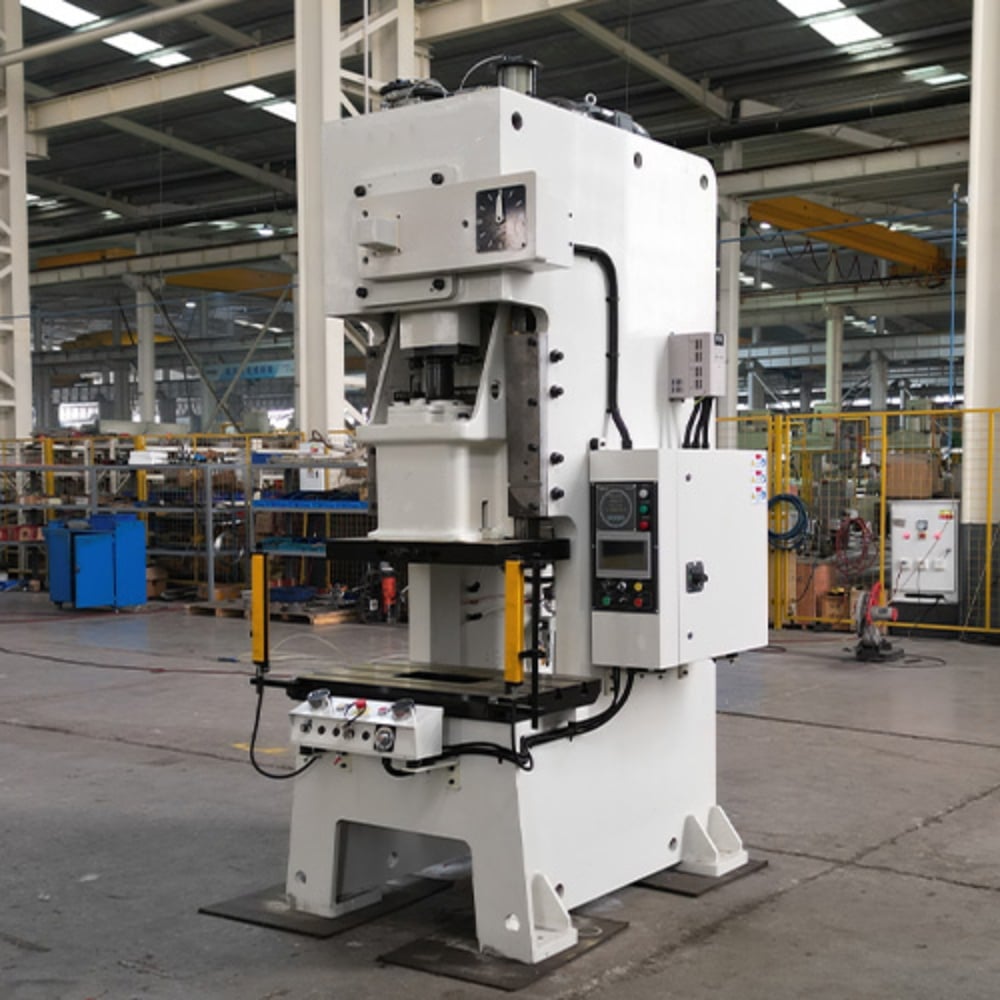
While lubrication is often viewed as a mechanical task, it has significant electrical implications. Over-lubrication can lead to oil mist entering electrical enclosures, where it mixes with metal dust to create a conductive paste. This paste can cause tracking or short circuits on circuit boards. Therefore, the lubrication plan must be strictly managed to ensure that only the required amount of lubricant is applied to the machine components.
The environment surrounding the punching machine should be controlled as much as possible. If the machine is located near a welding station or a grinding area, the electrical cabinet must be pressurized or fitted with high-efficiency air filters. Maintaining a positive pressure inside the cabinet prevents the ingress of conductive dust, which is one of the most common causes of unexpected electrical failures in metal fabrication shops.
Temperature control is equally important. If the ambient temperature in the shop exceeds the operating range of the machine’s electronics, the lifespan of the components will be drastically reduced. Consider installing industrial-grade air conditioning units on the electrical cabinets if the shop environment is consistently hot. This simple upgrade can prevent the thermal degradation of sensitive electronic parts.
Finally, document the lubrication and cleaning history. A logbook or a digital maintenance management system (CMMS) should track when filters were changed, when the cabinet was vacuumed, and when electrical connections were tightened. This data allows maintenance teams to identify trends and perform preventive maintenance before a failure occurs, directly supporting the goal of fewer unexpected failures.
Troubleshooting Signals: Interpreting Machine Warnings
Modern punching machines are equipped with sophisticated diagnostic systems that provide early warning signals. Ignoring these signals is a recipe for disaster. When the HMI displays a warning, it is often a precursor to a more serious electrical fault. Operators should be trained to interpret these codes and take immediate action, rather than simply clearing the alarm and continuing production.
Common electrical warning signs include intermittent communication errors between the CNC controller and the servo drives, unexpected ‘E-Stop’ triggers without physical activation, and fluctuating voltage readings on the power supply monitor. These signals often point to loose connections, failing power supplies, or electromagnetic interference (EMI) issues. Addressing these symptoms early is a core tenet of our Punching Machine Electrical Maintenance Tips for Fewer Unexpected Failures.
Another critical signal is the behavior of the machine during operation. If the machine seems sluggish, makes unusual noises, or produces inconsistent punch depths, it may be an electrical issue related to the motor drives or the feedback sensors. Encoder errors, for example, can cause the machine to lose its position, leading to tool crashes. Regularly testing the feedback loops and verifying the encoder signals is essential for high-precision fabrication.
If the machine experiences a ‘hard’ failure, such as a blown fuse or a tripped circuit breaker, do not simply replace the fuse and restart. This is a symptom of an underlying problem, such as a short circuit or a motor drawing excessive current. Always investigate the root cause of the electrical trip before resuming operation. Using a multimeter to check for continuity and resistance is a standard procedure for identifying the source of the fault.
Maintenance Schedule Table
| Frequency | Task | Objective |
|---|---|---|
| Daily | Inspect E-Stop and Safety Curtains | Ensure operator safety |
| Daily | Check Cabinet Filters/Fans | Prevent overheating |
| Weekly | Tighten Electrical Terminals | Prevent vibration-induced faults |
| Monthly | Vacuum Electrical Cabinet | Remove conductive dust |
| Quarterly | Check Power Supply Voltage | Ensure stable operation |
| Bi-Annually | Inspect Cable Tracks/Harnesses | Prevent wire fatigue |
| Annually | Full System Calibration | Maintain precision and accuracy |
Frequently Asked Questions (FAQ)
Why does my punching machine keep blowing fuses?
Frequent fuse blowing usually indicates a short circuit, a failing motor, or an overloaded power supply. Check for damaged wiring, moisture in the electrical cabinet, or a motor that is drawing more current than its rated capacity. Never replace a fuse with a higher amperage rating, as this can lead to fire hazards.
How often should I clean the electrical cabinet?
In a standard fabrication environment, the electrical cabinet should be vacuumed and the filters replaced every month. If your shop is particularly dusty or humid, you may need to perform this task bi-weekly to prevent the buildup of conductive debris.
What are the signs of a failing servo drive?
Signs include erratic machine movement, ‘following error’ alarms on the controller, unusual humming or buzzing sounds from the motor, and the machine failing to reach the commanded position. If you suspect a drive failure, check the diagnostic LEDs on the drive unit itself.
Can electromagnetic interference (EMI) cause machine failures?
Yes, EMI can cause communication errors, sensor malfunctions, and erratic behavior. Ensure that all signal cables are properly shielded and that the shielding is grounded at one end. Keep high-voltage power cables separated from low-voltage signal cables to minimize interference.
How do I prevent cable fatigue in the cable tracks?
Ensure that the cables are not being pulled too tightly and that they have enough slack to move freely within the track. Use high-flex industrial cables designed for continuous motion. Periodically inspect the tracks for debris that could pinch or cut the cables.
By following these Punching Machine Electrical Maintenance Tips for Fewer Unexpected Failures, you can ensure that your HARSLE equipment remains a reliable asset for years to come. Consistency, cleanliness, and proactive monitoring are the keys to success in the competitive metal fabrication industry.












