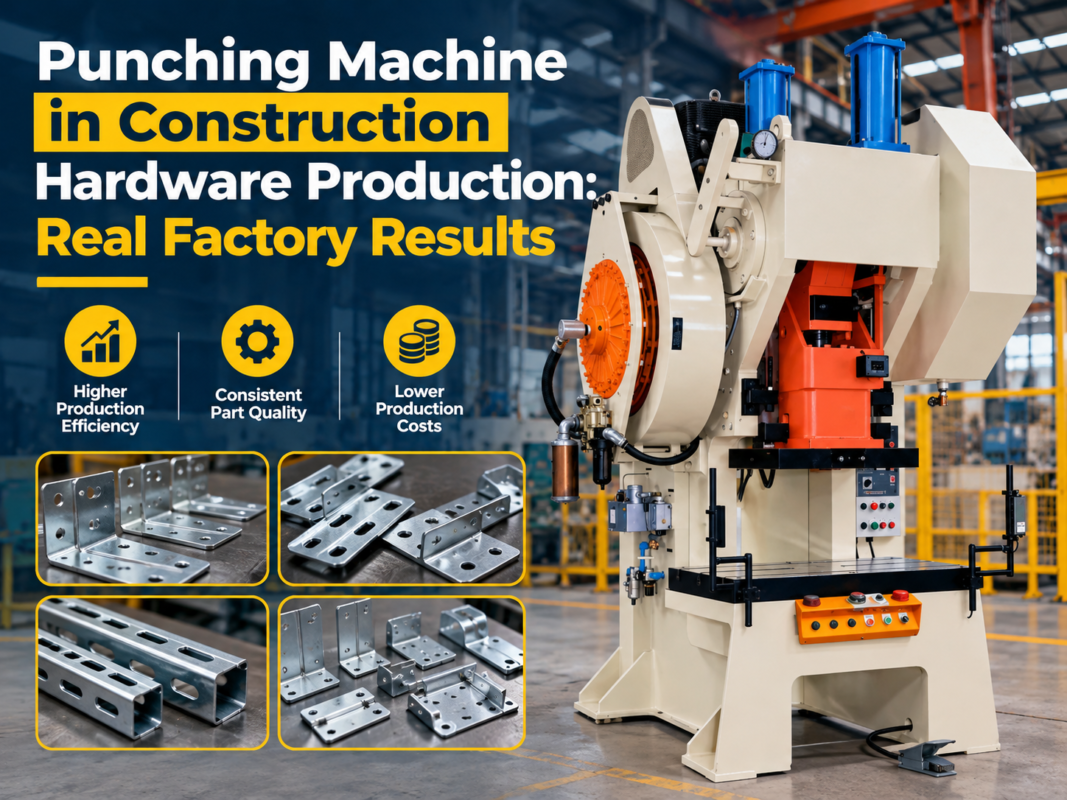
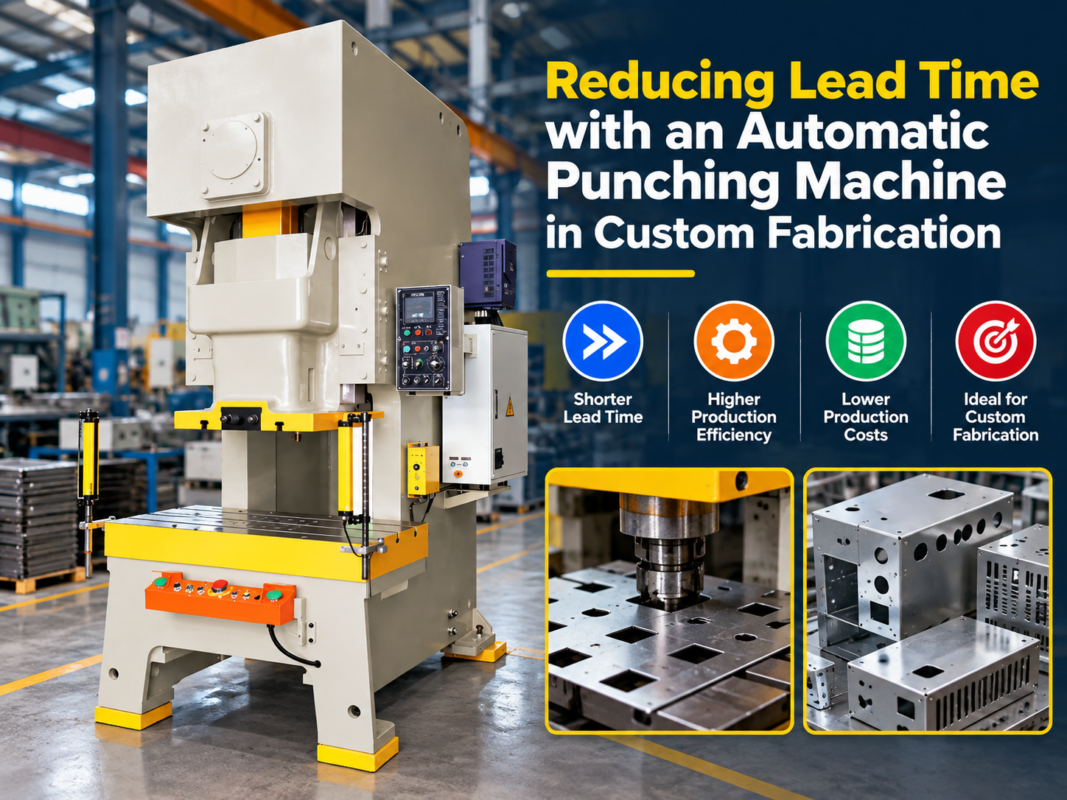
How a CNC Punching Machine Helped a Factory Increase Output by 35%


Introduction: The Evolution of Modern Metal Fabrication
In the highly competitive landscape of modern metal fabrication, efficiency is the primary currency. For many small-to-medium enterprises (SMEs), the transition from manual or semi-automatic processes to fully integrated CNC technology represents the single most significant leap in operational capability. This article explores the transformative journey of a mid-sized metal fabrication facility that revolutionized its workflow, proving exactly how a CNC punching machine helped a factory increase output by 35% within just six months of implementation.
The factory in question, a long-standing player in the enclosure and cabinetry market, faced a common industrial bottleneck: manual turret punching and outdated hydraulic presses. These legacy systems were not only labor-intensive but also prone to human error, leading to high scrap rates and inconsistent lead times. By investing in HARSLE’s advanced CNC punching technology, they were able to redefine their production capacity.
This case study serves as a blueprint for manufacturers looking to scale their operations. We will delve into the technical nuances, the strategic shift in workflow, and the specific operational advantages that allowed this factory to achieve such a substantial gain in productivity. Understanding these mechanics is essential for any shop floor manager or business owner aiming to optimize their metal fabrication equipment.
As we navigate through the technical details and selection criteria, it is important to recognize that a 35% increase in output is not merely a result of faster machine cycles. It is the cumulative effect of reduced setup times, minimized material handling, and the elimination of secondary finishing processes. This article will break down these components to provide a comprehensive guide for your own facility’s upgrade.
Key Considerations for Scaling Production
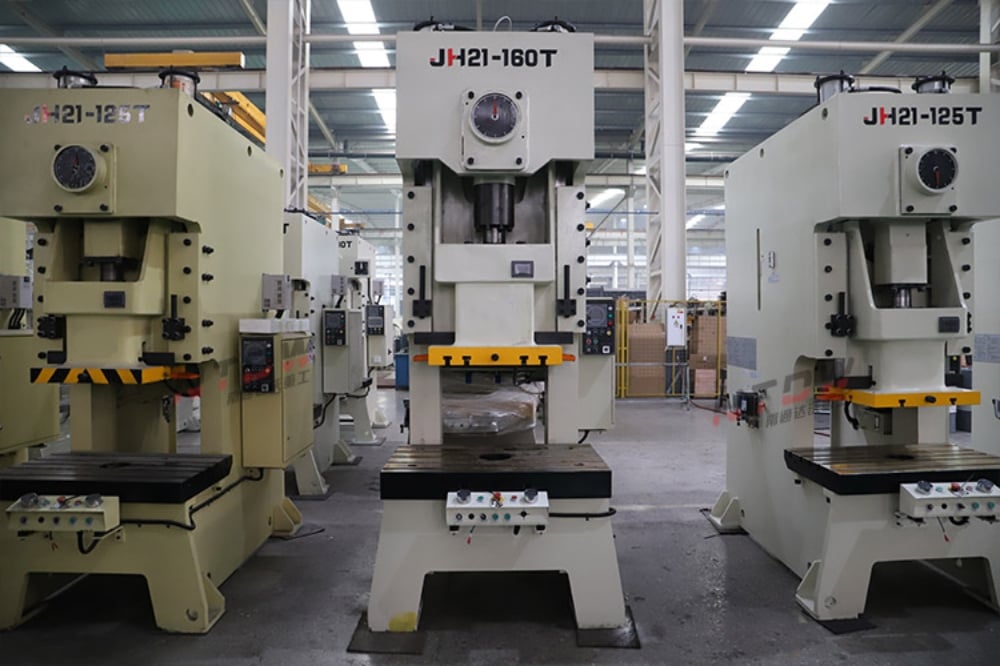
Before integrating a high-speed CNC punching machine, a factory must evaluate its current production bottlenecks. The factory in our case study identified three primary areas of concern: excessive tool changeover times, inconsistent sheet positioning, and the reliance on skilled labor for repetitive, low-value tasks. By addressing these, they paved the way for the 35% output increase.
The first consideration is the integration of software with hardware. Modern CNC punching machines are not standalone units; they are part of a digital ecosystem. By utilizing CAD/CAM software to nest parts efficiently, the factory reduced raw material waste by 12% while simultaneously increasing the speed of the punching cycle. This digital synergy is the backbone of modern manufacturing.
Secondly, the factory had to consider the physical layout of the shop floor. Moving from a disorganized manual workflow to a streamlined cell-based production system allowed for better material flow. The CNC punching machine was positioned to minimize the distance between raw material storage and the next stage of the fabrication process, such as bending or powder coating.
Thirdly, the human element cannot be ignored. While the machine handles the heavy lifting, the workforce must be trained to manage the CNC interface. The transition required a shift from manual machine operation to supervisory roles, where operators focused on quality control and predictive maintenance rather than manual labor. This shift in responsibility is a critical component of how a CNC punching machine helped a factory increase output by 35%.
Finally, the factory evaluated the long-term ROI of the equipment. By choosing a HARSLE machine with high-speed turret indexing and robust hydraulic systems, they ensured that the machine could handle high-volume production without frequent downtime. This reliability is the foundation upon which the 35% output increase was built.
Technical Details: Why CNC Punching Outperforms Manual Methods
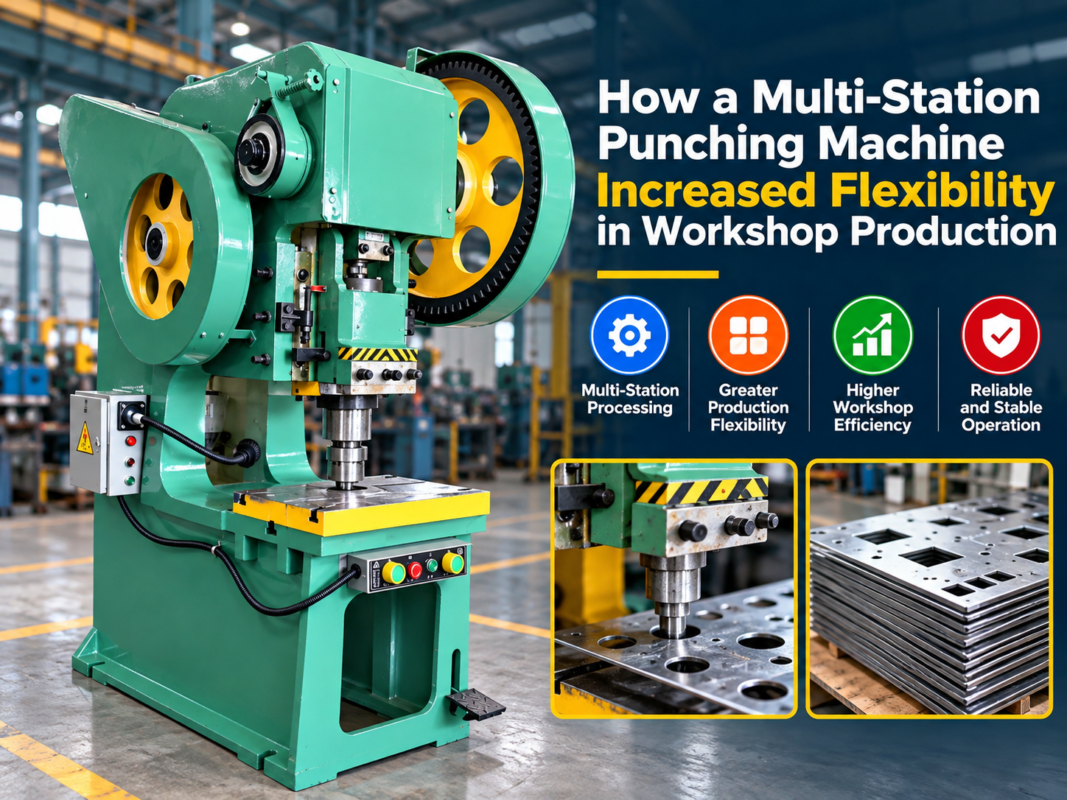
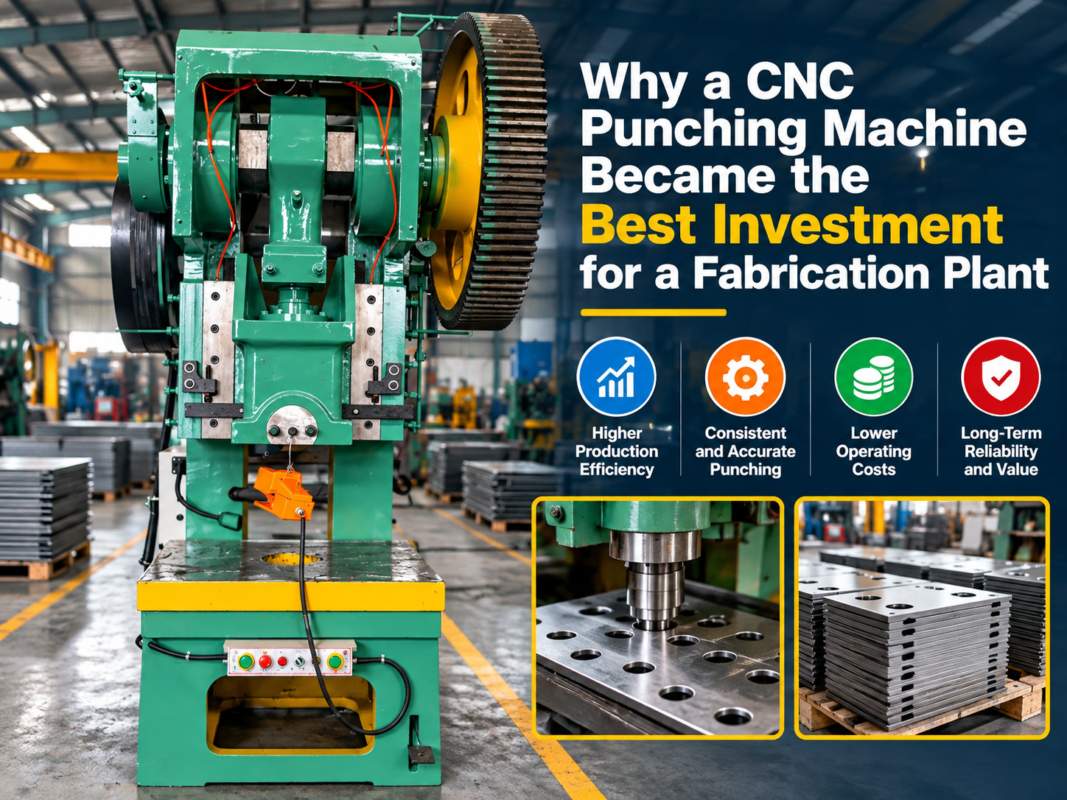
The technical superiority of a CNC punching machine lies in its ability to execute complex patterns with extreme repeatability. Unlike manual punching, which requires physical templates and constant repositioning, a CNC system uses a high-precision servo-driven turret to index tools in milliseconds. This speed is the primary driver of the increased output observed in our case study.
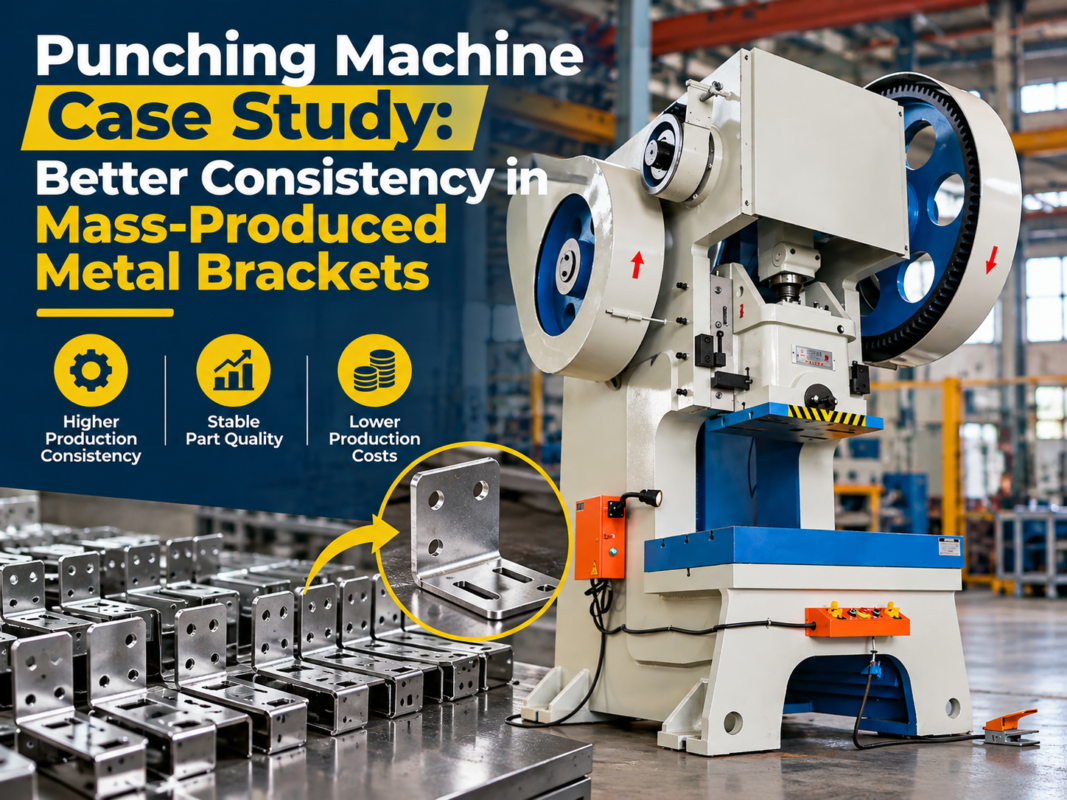
HARSLE CNC punching machines utilize advanced hydraulic or servo-electric systems that allow for variable stroke control. This means the machine can adjust the speed and force of the punch based on the material thickness and type. This level of control prevents material deformation and ensures that every hole, notch, or form is perfectly executed, drastically reducing the need for rework.
Another technical advantage is the automatic tool changer (ATC) and the multi-tool turret configuration. In the factory’s previous setup, changing a tool meant stopping the machine, manually removing the die, and recalibrating the depth. With the new CNC system, the machine automatically rotates the turret to the required tool station, allowing for a diverse range of operations—from louvers to knockouts—in a single setup.
Furthermore, the integration of advanced sensors and real-time monitoring allows the CNC controller to detect tool wear before it becomes a quality issue. By tracking the number of hits per tool, the system alerts the operator when a punch needs sharpening. This proactive maintenance approach prevents the catastrophic failures that often plague manual shops, ensuring that the machine remains operational for longer periods.
Selection Advice: Choosing the Right Machine for Your Factory
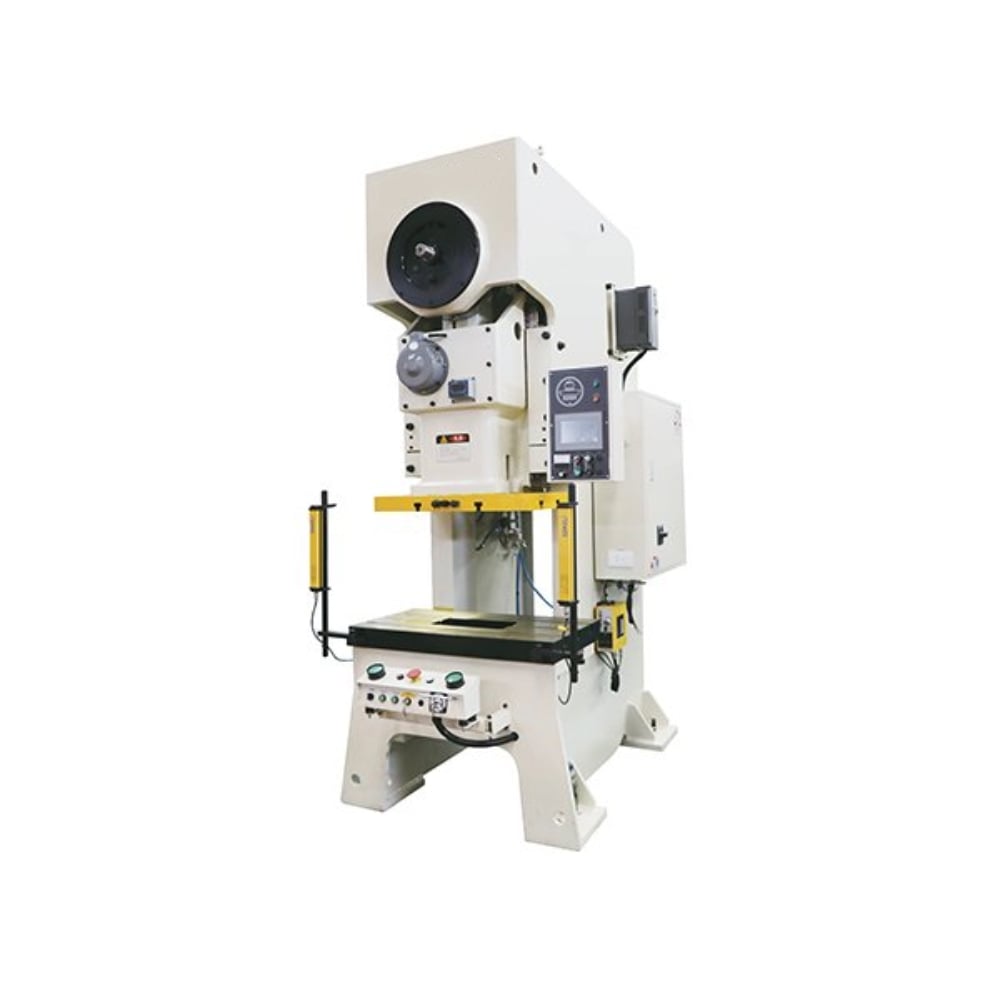
Selecting the right CNC punching machine is a strategic decision that goes beyond price. When looking at how a CNC punching machine helped a factory increase output by 35%, it becomes clear that the machine must match the specific production requirements of the facility. For high-mix, low-volume shops, a machine with a large tool capacity is essential.
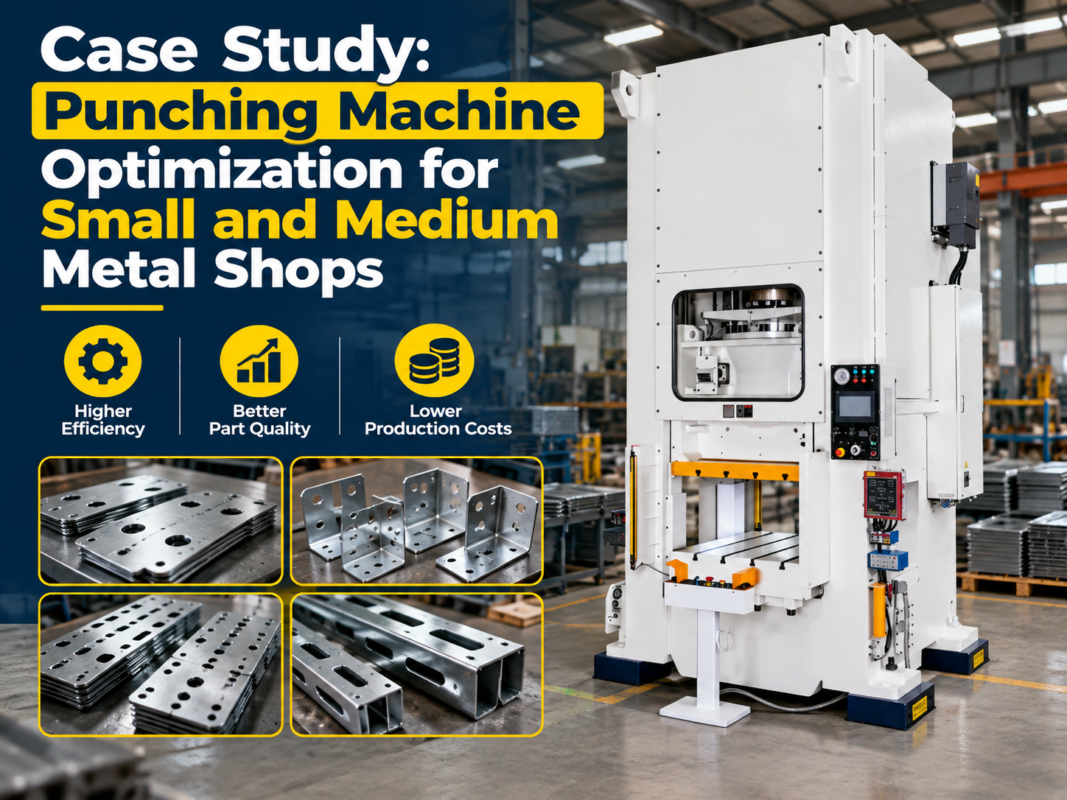
Consider the tonnage requirements of your typical projects. If your factory primarily works with thin-gauge sheet metal, a 20-ton to 30-ton machine is often sufficient. However, if you frequently process thicker plates or require heavy-duty forming, you may need a machine with higher tonnage capacity. HARSLE offers a range of models designed to balance speed and power for various industrial applications.
The size of the work table is another critical factor. A machine that can handle larger sheet sizes allows for better nesting, which reduces scrap and increases the number of parts produced per sheet. This directly impacts the overall output efficiency. Always ensure that the machine’s X and Y axis travel distances accommodate your largest standard sheet sizes without requiring repositioning, as repositioning adds time to the cycle.
Finally, look for a manufacturer that provides comprehensive support and training. The success of the factory in our case study was largely due to the seamless integration and training provided by the HARSLE technical team. A machine is only as good as the support behind it, so prioritize suppliers who offer remote diagnostics, spare parts availability, and ongoing software updates.
Buyer’s Checklist for CNC Punching Equipment
- Tonnage Capacity: Ensure it matches your thickest material requirements.
- Turret Configuration: Look for multi-tool stations to maximize versatility.
- Software Compatibility: Ensure the controller integrates with your existing CAD/CAM software.
- Energy Efficiency: Modern servo-driven machines consume less power than older hydraulic models.
- Maintenance Accessibility: Choose a design that allows for easy access to the turret and hydraulic components.
FAQ: Common Questions About CNC Punching
Q: How long does it take to see a return on investment with a CNC punching machine?
A: Most factories, like the one in our study, see a significant ROI within 18 to 24 months. The increase in output, combined with reduced labor costs and lower scrap rates, accelerates the payback period.
Q: Is specialized training required for operators?
A: While the machines are user-friendly, basic training on the CNC controller and software is necessary. HARSLE provides comprehensive training programs to ensure your team can operate the machine at peak efficiency.
Q: Can a CNC punching machine handle complex shapes?
A: Yes, modern CNC punching machines are capable of executing intricate patterns, including louvers, hinges, and complex cutouts, which would be impossible or prohibitively expensive to produce manually.
Q: How does the machine handle tool wear?
A: Most CNC controllers track the number of hits per tool. By setting maintenance intervals, you can sharpen tools before they cause burrs or quality issues, maintaining high production standards.
Conclusion: The Path to Increased Productivity
The story of how a CNC punching machine helped a factory increase output by 35% is not an anomaly; it is the natural result of adopting technology that aligns with modern manufacturing demands. By replacing manual bottlenecks with automated precision, the factory was able to scale its operations, improve product quality, and significantly reduce its lead times. For any metal fabrication business, the transition to CNC punching is a vital step toward long-term sustainability and growth.
Investing in HARSLE equipment provides more than just a machine; it provides a competitive edge. With the right selection, proper training, and a commitment to digital integration, your factory can achieve similar, if not greater, gains in productivity. As the industry continues to evolve, those who embrace automation will be the ones leading the market. Start your journey toward higher output today by evaluating your current processes and identifying where CNC technology can bridge the gap between your current capacity and your future goals.