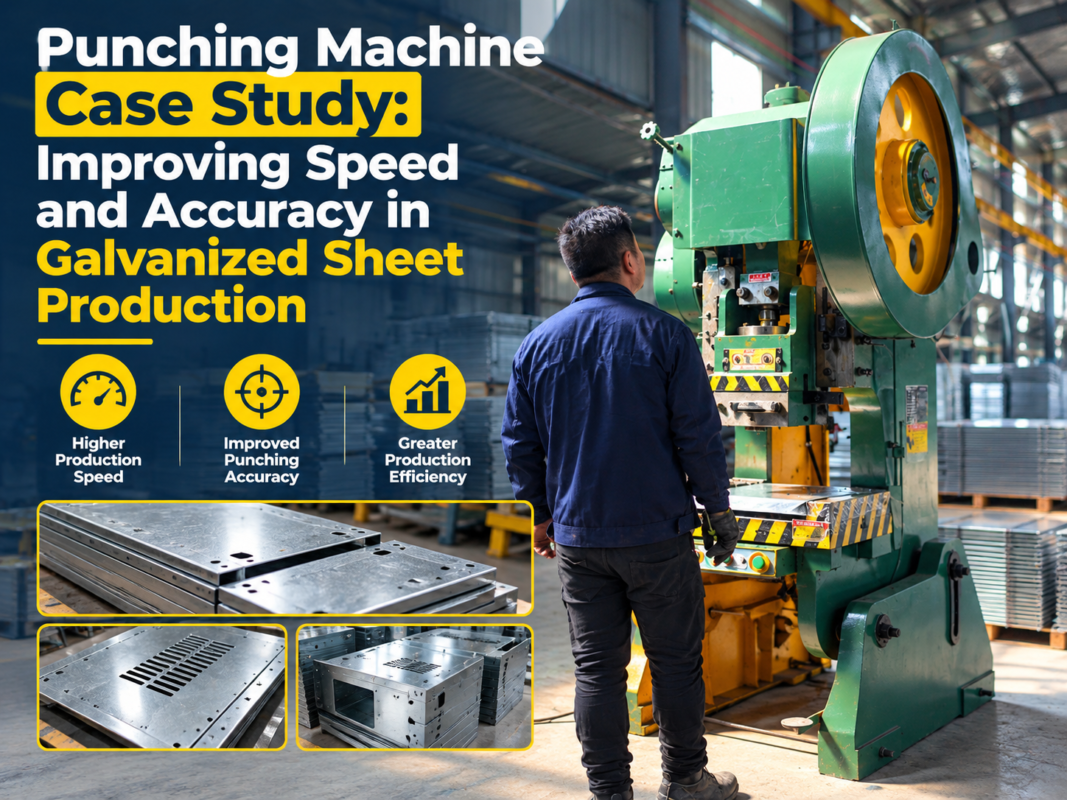
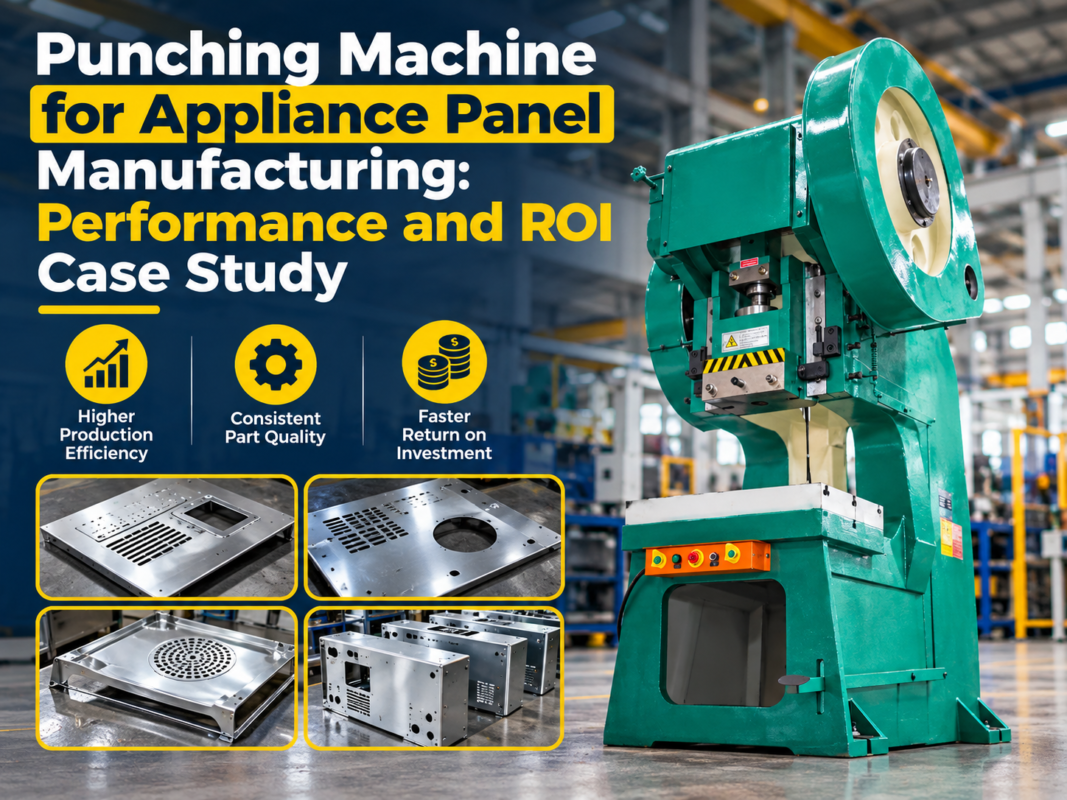
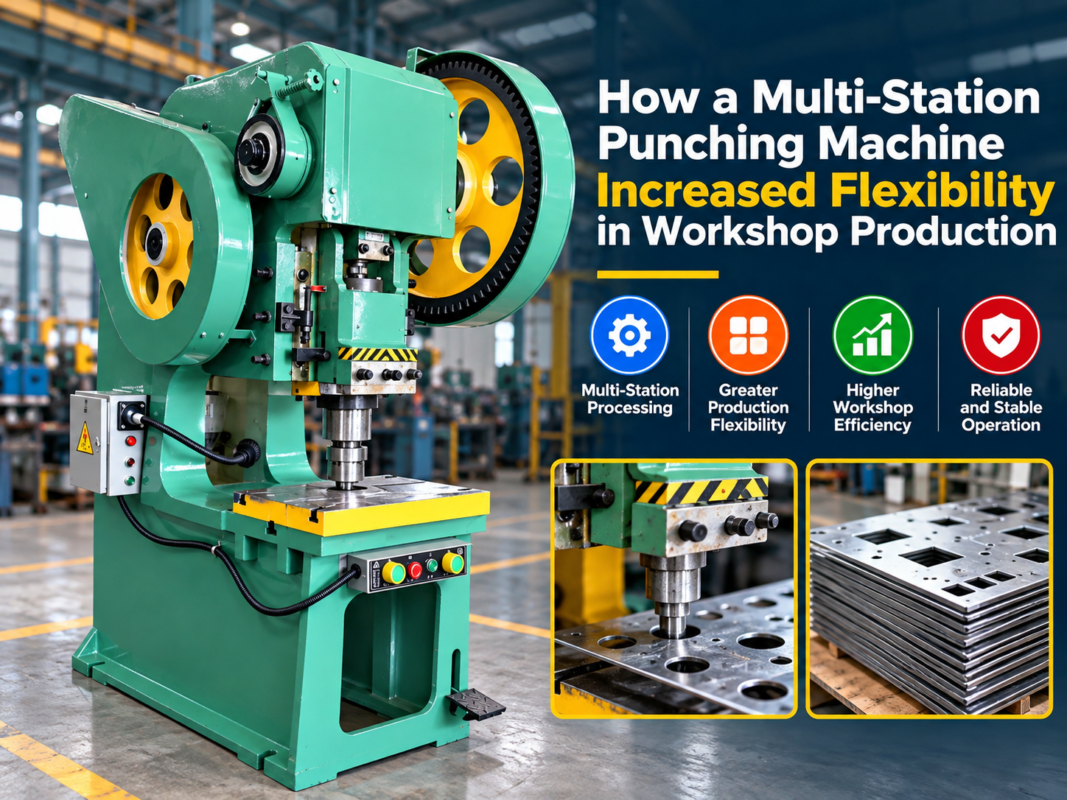
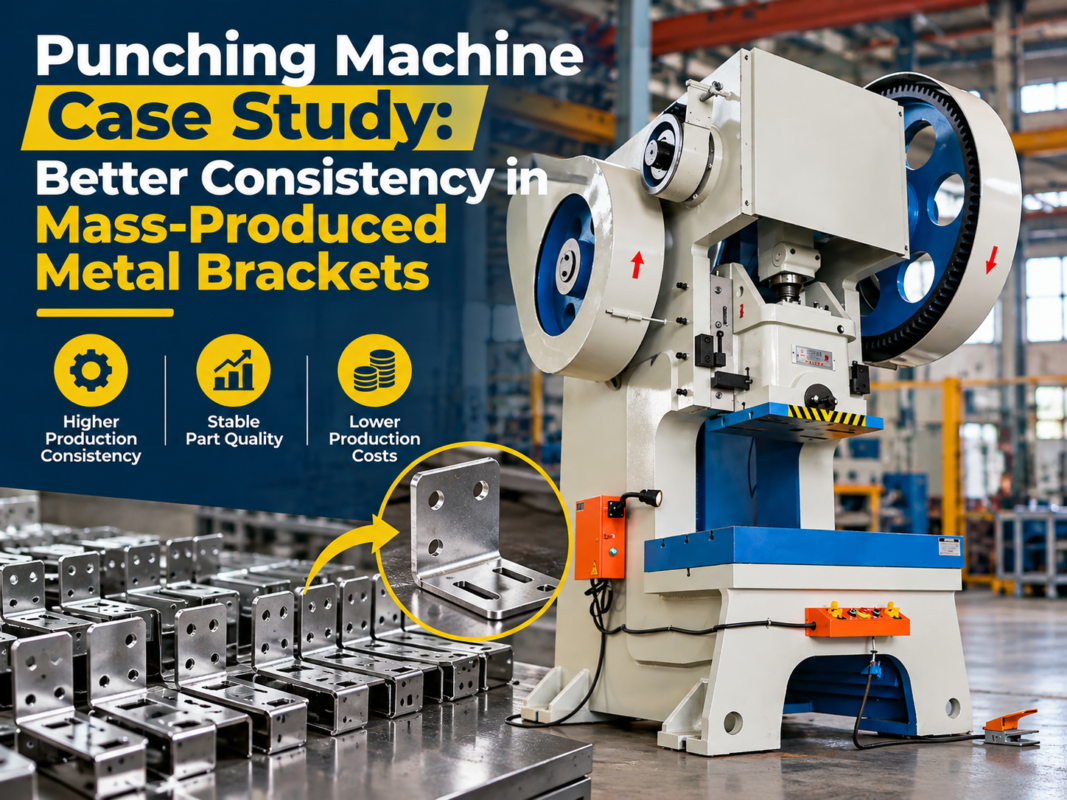
Punching Machine Application In Automotive Parts Manufacturing: A Case Study


Introduction
The automotive industry stands as one of the most demanding sectors for metal fabrication, requiring extreme precision, high-speed production, and unwavering consistency. As vehicle designs evolve toward lighter, more complex structures, the role of the Punching Machine Application In Automotive Parts Manufacturing: A Case Study becomes increasingly vital. HARSLE has been at the forefront of this evolution, providing advanced CNC punching solutions that allow manufacturers to meet the rigorous standards of modern automotive engineering.
In this comprehensive analysis, we examine how high-performance punching machinery transforms raw sheet metal into critical automotive components. From chassis brackets to complex interior structural panels, the ability to punch, form, and emboss in a single cycle is a game-changer for production efficiency. This article serves as an industrial guide for manufacturers looking to optimize their production lines using HARSLE technology.
The integration of automated punching systems has significantly reduced lead times and material waste in automotive plants worldwide. By utilizing turret punching technology, manufacturers can handle a wide variety of hole patterns and shapes without the need for frequent tool changes. This flexibility is essential in an industry where model variations and design updates occur with increasing frequency.
Through this case study, we will explore the technical nuances of punching operations, the selection criteria for heavy-duty machinery, and the long-term benefits of investing in high-quality metal fabrication equipment. Whether you are a tier-one supplier or a specialized component manufacturer, understanding these processes is key to maintaining a competitive edge in the global automotive market.
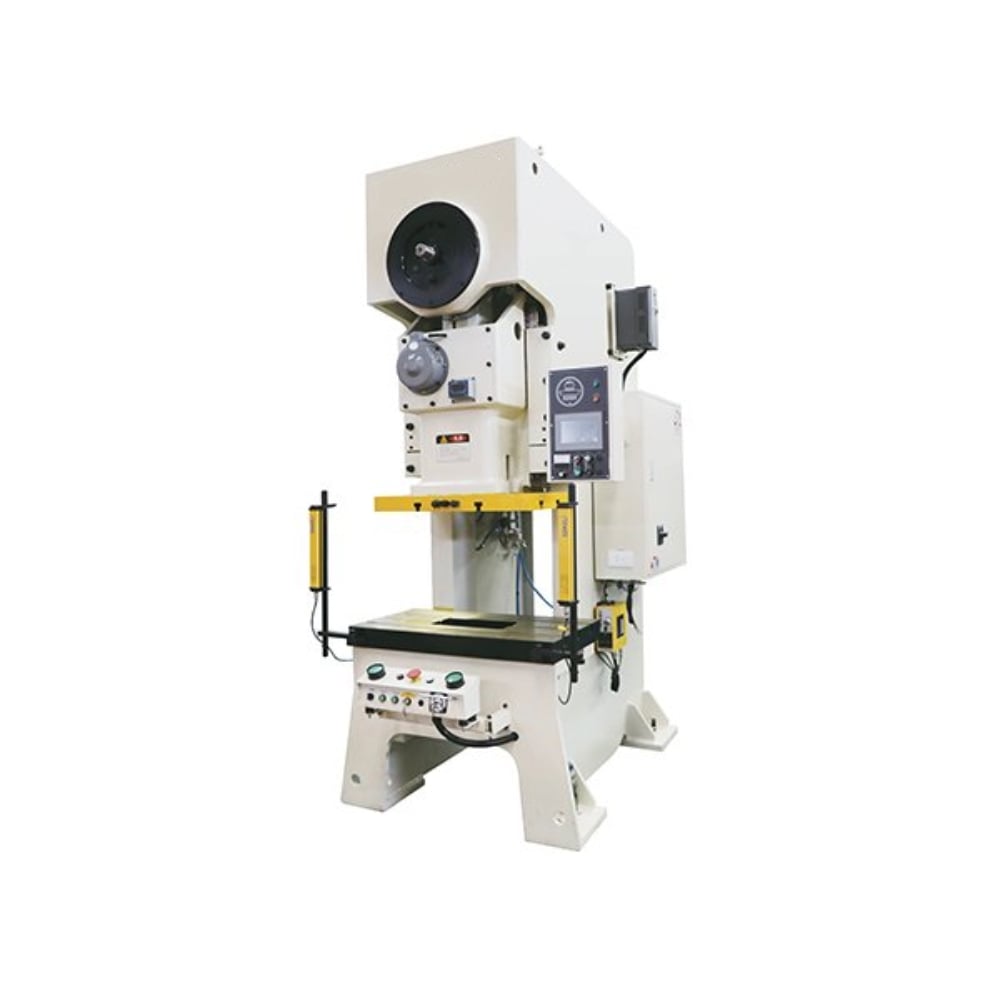
Key Considerations for Automotive Punching
When implementing a Punching Machine Application In Automotive Parts Manufacturing: A Case Study, the first consideration is material compatibility. Automotive parts are increasingly made from high-strength steel (HSS), aluminum alloys, and advanced composite-ready metals. These materials require punching machines with high tonnage capacity and robust frame structures to prevent deflection and ensure clean, burr-free edges.
Speed and throughput are the next critical factors. Automotive manufacturing relies on ‘just-in-time’ production schedules. A punching machine must be capable of high hit rates—often exceeding 600 hits per minute—to keep pace with assembly lines. HARSLE machines are engineered with high-speed servo-hydraulic systems that balance force with rapid cycle times, ensuring that production targets are met without compromising part quality.
Tooling management is another pillar of successful automotive fabrication. The complexity of automotive parts often requires a diverse array of punches and dies. Modern turret punching machines offer large tool magazines, allowing for the storage of dozens of tools. This reduces downtime associated with manual tool changes, enabling the machine to switch between different part geometries seamlessly.
Finally, integration with Industry 4.0 standards is non-negotiable. Modern automotive plants require machines that can communicate with ERP and MES systems. Real-time monitoring of tool wear, energy consumption, and production output allows managers to make data-driven decisions, reducing unplanned downtime and optimizing the overall equipment effectiveness (OEE) of the fabrication cell.
Technical Details of HARSLE Punching Solutions
HARSLE punching machines utilize advanced CNC controllers that provide unparalleled control over the punching stroke. By adjusting the ram speed and position with micro-millimeter accuracy, operators can perform specialized operations such as tapping, embossing, and louvre forming. These secondary operations, when integrated into the punching cycle, eliminate the need for additional machines, thereby reducing the total footprint of the production line.
The structural integrity of the machine frame is paramount. HARSLE utilizes finite element analysis (FEA) to design frames that minimize vibration and stress concentration. This rigidity is essential when punching thick automotive plates, as it ensures that the punch and die remain perfectly aligned, extending tool life and preventing premature wear on the machine’s internal components.
Energy efficiency is a major technical focus for modern automotive manufacturers. HARSLE’s servo-driven punching systems consume power only during the actual punching stroke, unlike traditional hydraulic systems that run continuously. This leads to significant energy savings over the machine’s lifecycle, aligning with the sustainability goals of major automotive OEMs who prioritize low-carbon manufacturing processes.
Furthermore, the software interface allows for complex nesting, which maximizes material utilization. By arranging parts on the sheet in the most efficient pattern, manufacturers can reduce scrap rates by up to 20%. This is a critical factor in automotive manufacturing, where the cost of raw materials like aluminum and high-strength steel can significantly impact the bottom line.
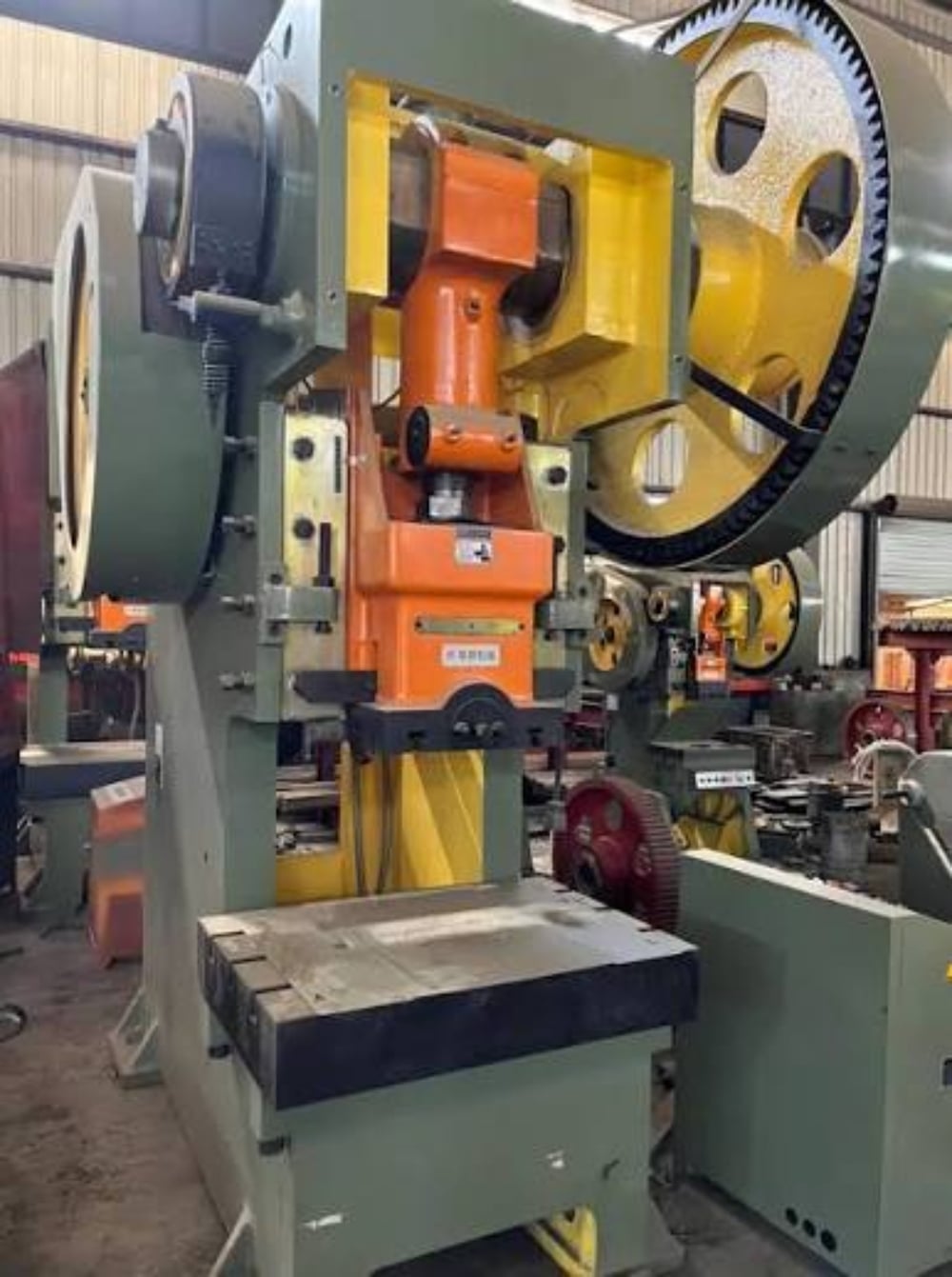
Selection Advice: Choosing the Right Equipment
Selecting the right punching machine for automotive parts manufacturing requires a thorough assessment of your current and future production needs. Start by analyzing the material thickness and type you process most frequently. If your production involves a high volume of thin-gauge brackets, a high-speed turret punch is ideal. Conversely, if you are working with thicker structural components, a machine with higher tonnage and a more robust drive system is necessary.
Consider the automation level required for your facility. For high-volume automotive lines, HARSLE offers automated loading and unloading systems that allow for ‘lights-out’ manufacturing. These systems can handle raw sheets and stack finished parts, significantly reducing labor costs and increasing safety by keeping operators away from the active punching zone.
Evaluate the availability of service and support. Metal fabrication equipment is a long-term investment. Choosing a manufacturer like HARSLE ensures access to a global network of technicians, spare parts, and software updates. A machine is only as good as the support behind it, so prioritize suppliers who offer comprehensive training programs for your maintenance and operations teams.
Finally, look at the flexibility of the tooling system. Automotive designs change rapidly. Ensure that the machine you select is compatible with standard tooling systems, allowing you to source punches and dies from various suppliers if necessary. A machine that is ‘locked’ into a proprietary tooling ecosystem can become a liability as your production requirements evolve over time.
FAQ: Frequently Asked Questions
- What makes a punching machine suitable for automotive parts? Automotive parts require high precision, repeatability, and the ability to handle high-strength materials. HARSLE machines offer the tonnage, speed, and software integration needed to meet these specific industrial requirements.
- How does a CNC punching machine reduce material waste? Through advanced nesting software, CNC punching machines optimize the layout of parts on a sheet, minimizing the space between cuts and maximizing the use of raw material.
- Can punching machines perform operations other than cutting holes? Yes, modern turret punching machines can perform forming, embossing, tapping, and louvre cutting, which are essential for creating complex automotive structural components.
- What is the typical maintenance schedule for a punching machine? Routine maintenance includes checking hydraulic fluid levels, lubricating guide rails, inspecting tool wear, and performing software updates. HARSLE provides detailed maintenance manuals to ensure longevity.
- Is automation necessary for automotive punching? While not strictly required, automation is highly recommended for high-volume automotive production to increase throughput, improve safety, and ensure consistent quality across long production runs.
Conclusion
The Punching Machine Application In Automotive Parts Manufacturing: A Case Study demonstrates that the right equipment is the backbone of a successful automotive supply chain. By leveraging HARSLE’s advanced punching technology, manufacturers can achieve the high-speed, high-precision results required to stay competitive in a rapidly evolving market. From the structural rigidity of the machine frame to the intelligence of the CNC control software, every aspect of the HARSLE system is designed to solve the unique challenges of automotive fabrication.
Investing in high-quality metal fabrication equipment is not just about purchasing a machine; it is about building a foundation for future growth. As the automotive industry shifts toward electric vehicles and lighter, more efficient designs, the demand for versatile and reliable punching solutions will only grow. By prioritizing efficiency, precision, and automation, manufacturers can ensure they are well-positioned to meet the challenges of tomorrow.
We encourage manufacturers to evaluate their current production lines and consider how upgrading to modern, servo-driven punching technology can improve their bottom line. With the right partner and the right equipment, the possibilities for innovation in automotive parts manufacturing are limitless. HARSLE remains committed to providing the tools and expertise necessary to drive the future of the automotive industry forward.