How to Eliminate Dross and Slag in Laser Cutting Machine Operations: A Comprehensive Guide


Introduction
In the precision-driven world of metal fabrication, achieving a clean, burr-free edge is the hallmark of quality. For operators of HARSLE laser cutting machines, the appearance of dross and slag—the solidified molten metal that clings to the underside of a cut—is a common challenge that can compromise part integrity and increase secondary processing costs. Understanding how to eliminate dross and slag in laser cutting machine operations is essential for maximizing productivity and ensuring that your finished components meet strict industrial standards.
Dross is essentially the byproduct of incomplete material removal during the laser cutting process. When the laser beam melts the metal, the assist gas is responsible for blowing that molten material out of the kerf. If the energy balance, gas pressure, or feed rate is misaligned, the metal cools before it can be ejected, resulting in slag. This guide explores the technical intricacies of this phenomenon and provides actionable strategies to optimize your HARSLE equipment for superior edge quality.
Achieving a dross-free cut is not merely about adjusting a single knob; it is a holistic process involving material science, gas dynamics, and machine calibration. Whether you are working with mild steel, stainless steel, or aluminum, the principles of fluid dynamics and thermal management remain constant. By mastering these variables, operators can significantly reduce post-processing labor, such as grinding or filing, thereby increasing the overall throughput of their fabrication facility.
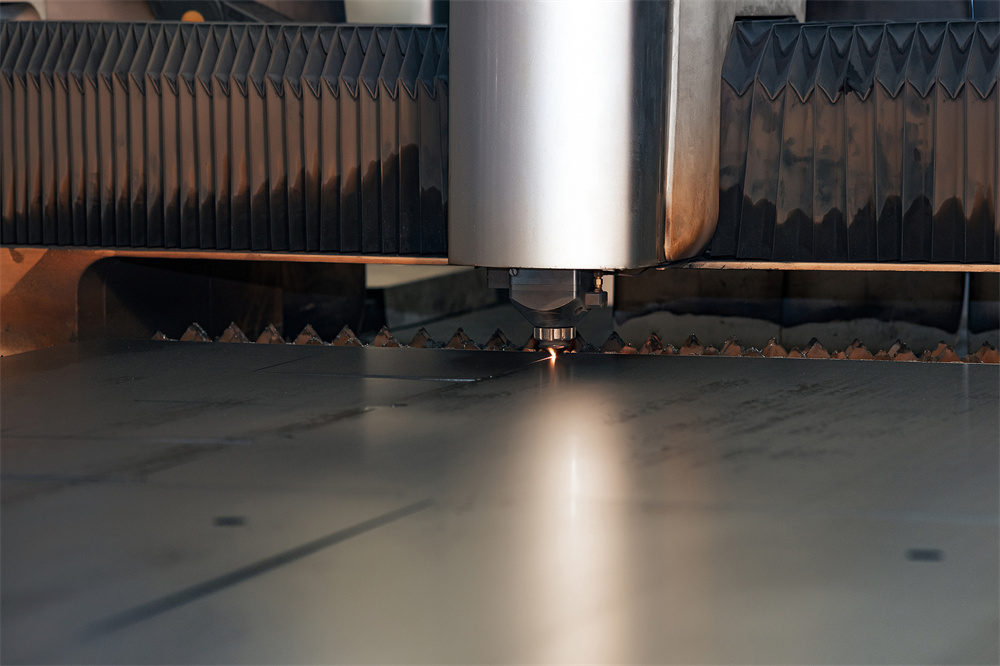
This comprehensive guide will walk you through the key considerations, technical adjustments, and maintenance protocols required to eliminate dross and slag in laser cutting machine operations. We will examine how nozzle selection, focal position, and gas purity interact to create the perfect cut, providing you with the knowledge to troubleshoot common issues effectively.
Key Considerations for Dross-Free Cutting
The first step in addressing dross is understanding the material properties. Different metals react differently to laser energy. For instance, mild steel cutting often utilizes oxygen as an assist gas, which creates an exothermic reaction that aids the cutting process. Conversely, stainless steel and aluminum typically require nitrogen or argon to prevent oxidation, which changes the cooling dynamics significantly. Recognizing these differences is the foundation of effective laser cutting machine operations.
Another critical factor is the condition of the laser optics. A dirty or damaged protective lens can scatter the laser beam, leading to a wider kerf and inconsistent energy distribution. When the beam quality is compromised, the laser cannot effectively melt the material in a uniform manner, leading to localized overheating and the formation of slag. Regular inspection and cleaning of the optical path are non-negotiable for high-quality results.
The assist gas pressure and flow rate must be calibrated to the thickness of the material. If the gas pressure is too low, it lacks the kinetic energy to push the molten metal out of the cut zone. If it is too high, it may create turbulence that disrupts the cutting front. Finding the “sweet spot” for your specific material thickness is a process of iterative testing, but once established, it should be saved in your HARSLE machine’s material library for future use.
Finally, the feed rate—or cutting speed—is the most dynamic variable. If the machine moves too fast, the laser does not have enough time to melt the material completely, leaving behind a jagged edge. If it moves too slow, the heat input becomes excessive, causing the material to melt beyond the kerf and creating heavy dross. Balancing speed with power is the ultimate goal of any experienced operator looking to eliminate dross and slag in laser cutting machine operations.
Technical Details: Optimizing the Cutting Process
To effectively eliminate dross and slag in laser cutting machine operations, one must look closely at the nozzle geometry. The nozzle is responsible for focusing the assist gas stream. A damaged or clogged nozzle will cause the gas to exit in a non-laminar flow, which is detrimental to slag removal. Always ensure that your nozzle is centered correctly relative to the laser beam; a misaligned nozzle will cause the gas to hit the side of the kerf rather than the bottom, leading to uneven cutting and heavy slag accumulation.
Focal position is another technical parameter that requires precision. The focal point should be adjusted based on the material thickness. For thin sheets, a focal point at or slightly above the surface is often ideal. For thicker plates, the focal point may need to be moved deeper into the material to ensure that the energy density is maintained throughout the entire thickness of the cut. Experimenting with focal position shifts can often resolve persistent dross issues that speed and pressure adjustments cannot fix.
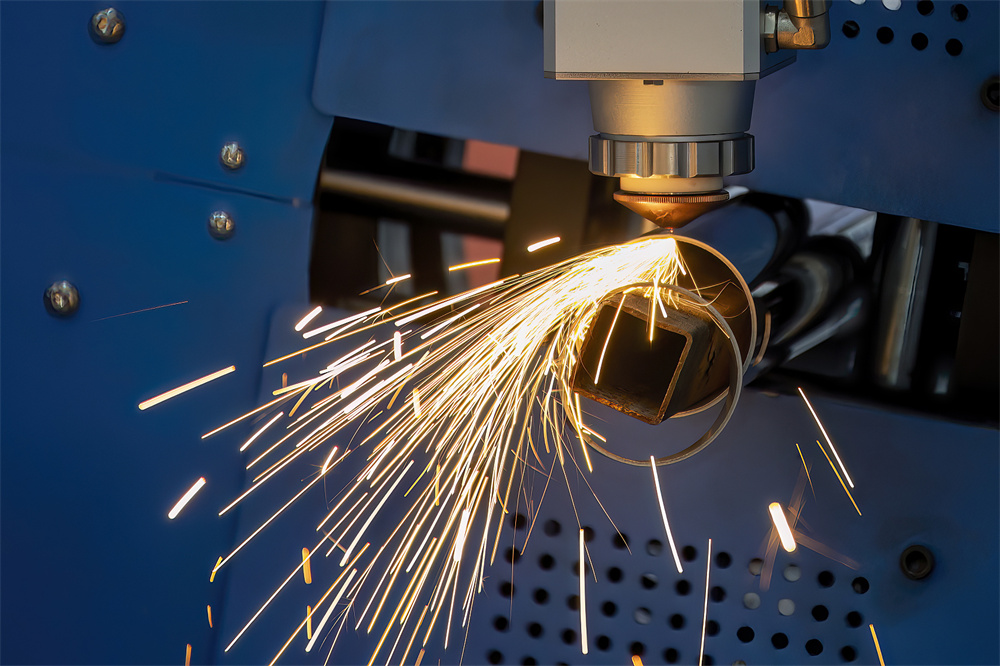
The purity of the assist gas is often overlooked. When using nitrogen for stainless steel, even a small amount of oxygen contamination can lead to oxidation, which increases the viscosity of the molten metal and makes it harder to blow away. Ensure that your gas supply lines are free of leaks and that you are using high-purity gas grades. Investing in a high-quality gas filtration system can pay dividends in reducing dross and improving the aesthetic quality of your parts.
Lastly, consider the pulse frequency and duty cycle. In many modern HARSLE laser cutting machines, you can adjust the pulse parameters to manage heat input. By using a pulsed beam rather than a continuous wave, you can reduce the total heat load on the workpiece, which helps prevent the material from melting excessively and forming slag. This is particularly useful when cutting intricate geometries or sharp corners where heat accumulation is most likely to occur.
Selection Advice: Choosing the Right Equipment
When selecting a laser cutting machine, it is vital to consider the power source and the control system. A higher-wattage fiber laser provides more flexibility in cutting thicker materials with cleaner edges. However, power alone is not enough; the machine’s software must be capable of precise control over the cutting parameters. HARSLE machines are designed with advanced CNC controllers that allow for granular adjustments, making it easier to eliminate dross and slag in laser cutting machine operations.
Consider the automation features available for your machine. Automatic nozzle changers and height sensors can significantly improve consistency. A height sensor ensures that the nozzle maintains a constant distance from the material surface, even if the sheet is slightly warped. This consistency is crucial for preventing dross, as variations in the standoff distance will lead to fluctuations in gas pressure and cutting efficiency.
Look for machines that offer comprehensive material databases. A machine that comes pre-loaded with optimized cutting parameters for various materials and thicknesses will save you hours of trial and error. As you gain experience, you can customize these settings to suit your specific shop environment, but having a solid starting point is invaluable for maintaining high production standards.
Finally, evaluate the support and training provided by the manufacturer. Eliminating dross is a skill that develops with experience and proper guidance. Choosing a partner like HARSLE ensures that you have access to technical support and training resources that can help you troubleshoot complex cutting issues and keep your equipment running at peak performance.
FAQ: Common Questions About Dross and Slag
- Q: Why does my laser cut have dross only on the corners?
A: This is usually due to heat accumulation. When the machine slows down to navigate a corner, the laser dwells too long on one spot. Try reducing the power or increasing the speed at corners using your controller’s corner-compensation settings. - Q: Does the type of assist gas affect dross?
A: Absolutely. Oxygen promotes an exothermic reaction that can help clear dross in mild steel, but it leaves an oxidized edge. Nitrogen is inert and provides a cleaner, non-oxidized edge, but it requires higher pressure to clear the molten metal. - Q: How often should I change my nozzle?
A: You should inspect your nozzle daily. If you notice any deformation, scratches, or buildup, replace it immediately. A damaged nozzle is the primary cause of inconsistent gas flow and dross formation. - Q: Can a dirty protective lens cause slag?
A: Yes. A dirty lens causes the laser beam to defocus or scatter, reducing the energy density at the cutting point. This leads to incomplete melting and increased slag. Clean your optics regularly according to the manufacturer’s instructions. - Q: Is there a way to remove dross without manual grinding?
A: While proper machine settings should eliminate dross, some materials are inherently prone to it. If dross persists, consider using a chemical deburring process or a mechanical vibratory tumbler for batch parts.
Conclusion
Eliminating dross and slag in laser cutting machine operations is a journey of continuous improvement. By focusing on the fundamentals—nozzle maintenance, gas purity, focal position, and feed rate—you can achieve the high-quality, burr-free edges that your customers demand. HARSLE laser cutting machines are engineered to provide the precision and control necessary to master these variables, but the operator’s expertise remains the most critical component of the process.
Remember that every material and thickness combination is unique. Do not be afraid to experiment with your machine’s settings, document your findings, and build your own library of optimized parameters. By taking a systematic approach to troubleshooting and maintenance, you will not only reduce secondary processing costs but also extend the lifespan of your equipment and enhance the reputation of your fabrication shop. Invest the time to understand your machine, and the results will speak for themselves in every clean, precise cut you produce.