
How a Laser Cutting Machine Helped a Fabrication Company Handle Custom Orders More Profitably


How a Laser Cutting Machine Helped a Fabrication Company Handle Custom Orders More Profitably
In the competitive landscape of modern metal fabrication, the ability to pivot quickly between high-volume production and intricate custom orders is the hallmark of a successful enterprise. Many fabrication shops find themselves trapped in a cycle of low-margin, high-labor work because they rely on outdated cutting methods like plasma or mechanical shearing. However, the integration of advanced technology has changed the game. This article explores how a laser cutting machine helped a fabrication company handle custom orders more profitably, providing a blueprint for shops looking to scale their operations and improve their bottom line.
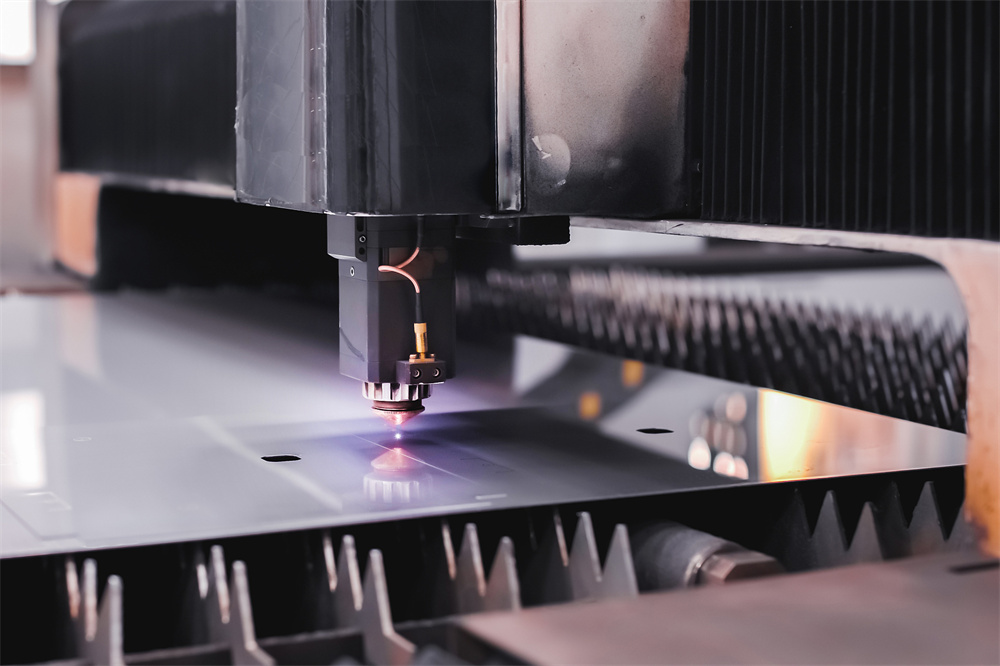
Key Considerations for Transitioning to Laser Technology
The decision to invest in a laser cutting machine is not merely a capital expenditure; it is a strategic shift in business model. For a fabrication company, the primary consideration is the transition from manual or semi-automated processes to a fully digital workflow. When a company moves to laser cutting, they are essentially moving from a labor-intensive environment to a data-driven one. This shift allows for the nesting of parts, which significantly reduces material waste—a critical factor in profitability for custom, small-batch orders.
Another key consideration is the versatility of the equipment. Custom orders often involve varying thicknesses of materials, ranging from thin-gauge aluminum to thick structural steel. A high-quality fiber laser cutting machine offers the flexibility to switch between these materials with minimal setup time. Unlike waterjet or plasma cutting, which may require significant nozzle changes or calibration, fiber lasers provide a “plug-and-play” experience that keeps the machine running and the revenue flowing.
Labor costs are perhaps the most significant hurdle for custom fabrication shops. Custom orders require frequent design changes and machine re-tooling. By utilizing a laser cutting machine, the company can automate the transition between different job files. This means that a skilled operator can manage the machine while the software handles the complex geometry of the custom parts, effectively reducing the need for specialized manual labor for every individual project.
Finally, the speed of delivery is a major competitive advantage. Clients requesting custom metal parts are often working against tight deadlines. By implementing a laser cutting system, a fabrication company can reduce lead times from weeks to days. This speed allows the company to charge a premium for “rush” custom orders, further increasing the profitability of each project. The ability to deliver high-quality, burr-free parts without secondary finishing processes is a massive value-add that customers are willing to pay for.
Technical Details of Modern Fiber Laser Systems
At the heart of the transformation for many fabrication companies is the fiber laser source. Unlike older CO2 lasers, fiber lasers are more energy-efficient, require less maintenance, and offer superior beam quality. The beam is delivered through a flexible fiber optic cable, which eliminates the need for complex mirror alignment systems. This technical simplicity translates into higher uptime and lower operational costs, which are essential when handling the unpredictable nature of custom fabrication.
The integration of CNC (Computer Numerical Control) software is what truly unlocks the potential of these machines. Modern software allows for “common line cutting,” where the laser cuts the shared edge of two parts simultaneously. This not only saves time but also maximizes material utilization. For a company handling custom orders, this means that even if a client only needs a few pieces, the scrap rate is kept to an absolute minimum, directly impacting the profit margin of the order.
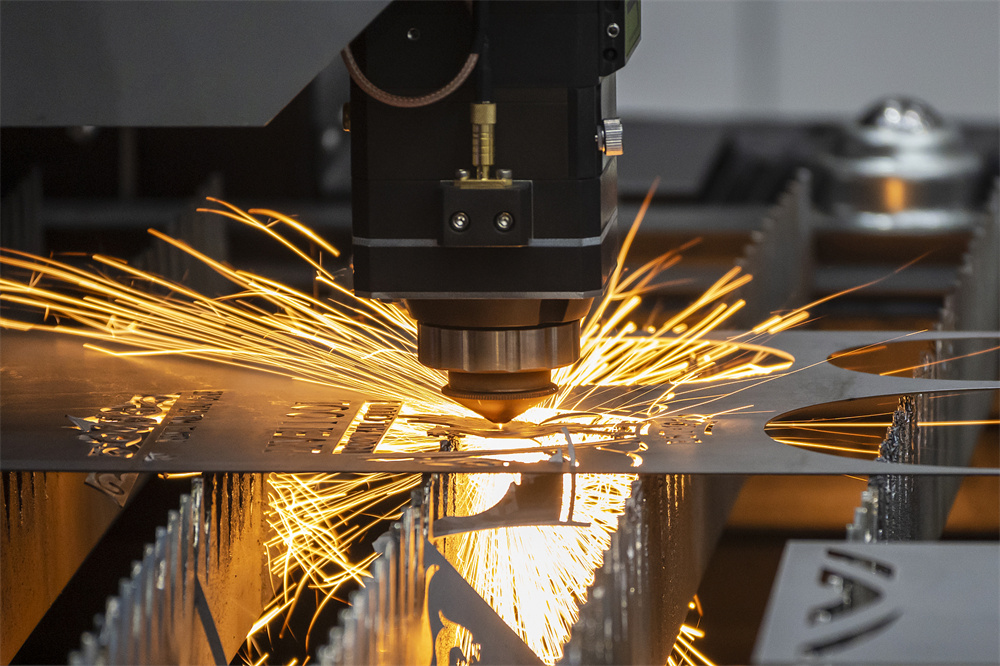
Another technical aspect is the use of automated pallet changers. In a custom shop, the machine is often idle while the operator loads and unloads sheets. With a dual-pallet system, the laser can continue cutting on one table while the operator clears the finished parts and loads new material on the other. This continuous operation is vital for maintaining high throughput, ensuring that the machine is always generating value rather than sitting idle.
Gas assist technology also plays a crucial role in the quality of the cut. By using nitrogen or oxygen as an assist gas, the laser can produce clean, oxidation-free edges on stainless steel and aluminum. This eliminates the need for grinding or sandblasting, which are time-consuming and costly secondary processes. When a fabrication company can deliver a finished part straight from the laser bed to the customer, the profit margin per part increases significantly.
Selection Advice: Choosing the Right Machine for Your Shop
When looking to replicate the success of companies that have scaled through laser technology, the selection process is paramount. First, evaluate your typical material thickness. If your custom orders primarily involve thin sheets, a 3kW or 4kW fiber laser may be sufficient. However, if you frequently handle heavy plate, you should look toward 6kW, 10kW, or even higher power sources to ensure you can maintain high cutting speeds without compromising edge quality.
Consider the footprint and the automation capabilities of the machine. If your shop space is limited, look for compact designs that do not sacrifice the bed size. Furthermore, consider the future-proofing of the machine. Can the laser source be upgraded later? Does the software support integration with ERP systems to track job costs in real-time? These are questions that will determine the long-term ROI of your investment.
Support and service are often overlooked during the purchasing phase. A laser cutting machine is a complex piece of equipment that requires regular maintenance, such as lens cleaning and chiller checks. Choose a manufacturer like HARSLE that provides comprehensive training, remote diagnostic support, and a reliable supply of spare parts. A machine that is down for a week due to a lack of parts is a machine that is losing money every hour.
Finally, look at the user interface. The best machines are those that allow operators to quickly import CAD files, nest them, and start cutting with minimal input. If the software is too complex, you will face a steep learning curve that will hinder your initial productivity. Prioritize systems with intuitive controls that allow your existing team to transition to the new technology with ease.
Domande frequenti (FAQ)
How does a laser cutting machine reduce material waste?
Laser cutting machines use advanced nesting software that arranges parts on a sheet of metal in the most efficient way possible. This minimizes the gaps between parts, allowing for more pieces to be cut from a single sheet compared to manual or mechanical cutting methods.
Is a fiber laser better than a CO2 laser for custom orders?
Yes, for most custom fabrication shops, fiber lasers are superior. They are more energy-efficient, have lower maintenance requirements, and can cut reflective materials like copper and brass much more effectively than CO2 lasers.
Can a laser cutting machine handle different material thicknesses?
Modern fiber lasers are highly versatile. By adjusting the power, frequency, and gas pressure, a single machine can cut everything from thin-gauge sheet metal to thick steel plates, making it ideal for shops with diverse custom order requirements.
How long does it take to train staff on a new laser cutter?
With modern, user-friendly interfaces, most operators can learn the basics of machine operation within a few days. Advanced nesting and maintenance training may take a few weeks, but the productivity gains are usually realized almost immediately.
What is the primary maintenance requirement for a fiber laser?
The primary maintenance involves keeping the optics clean, checking the cooling system, and ensuring the assist gas supply is consistent. Regular preventative maintenance schedules provided by the manufacturer are essential to keep the machine running at peak performance.
Conclusion
The transition to laser technology is a transformative step for any fabrication company. As we have explored, a laser cutting machine helped a fabrication company handle custom orders more profitably by reducing labor costs, minimizing material waste, and drastically improving delivery times. By investing in high-quality equipment and leveraging the power of modern CNC software, shops can move away from the “race to the bottom” on pricing and instead compete on quality, speed, and reliability.
Whether you are a small job shop or a larger manufacturing facility, the principles remain the same: efficiency is the key to profitability. By automating the cutting process and reducing secondary finishing requirements, you free up your team to focus on higher-value tasks, such as complex assembly and design. If you are ready to take your fabrication business to the next level, now is the time to explore the latest advancements in laser cutting technology and see how they can work for your specific needs.


