
Laser Cutting Machine Applications In Electrical Enclosure Manufacturing And Custom Panels


Introduction to Laser Cutting in Electrical Enclosure Manufacturing
The electrical enclosure industry demands extreme precision, high repeatability, and rapid turnaround times. As modern infrastructure relies on increasingly complex control systems, the demand for custom panels and protective housings has skyrocketed. HARSLE laser cutting machines have emerged as the cornerstone of this sector, providing manufacturers with the ability to process complex geometries, intricate cutouts, and varying material thicknesses with unparalleled accuracy. By integrating advanced fiber laser technology, fabricators can now meet the stringent standards required for NEMA and IP-rated enclosures.
Laser Cutting Machine Applications In Electrical Enclosure Manufacturing Custom Panels represent a significant shift from traditional mechanical punching and shearing methods. While traditional methods often require expensive, custom-made dies for every unique enclosure design, laser technology offers a flexible, software-driven approach. This transition allows manufacturers to pivot between different enclosure sizes and configurations without the downtime associated with tooling changes. Consequently, the agility provided by these machines is a critical competitive advantage in today’s fast-paced industrial market.
Furthermore, the aesthetic and functional quality of electrical enclosures is paramount. Laser cutting ensures clean, burr-free edges, which reduces the need for secondary finishing processes like grinding or deburring. This not only saves labor costs but also ensures that gaskets and seals fit perfectly, maintaining the integrity of the enclosure against environmental factors. As we explore the technical capabilities of HARSLE equipment, it becomes clear why laser cutting is the preferred choice for high-end electrical panel production.
In this comprehensive guide, we will delve into the specific advantages, technical requirements, and strategic selection criteria for implementing laser cutting solutions in your facility. Whether you are producing standard junction boxes or complex, multi-door control cabinets, understanding the synergy between fiber laser technology and enclosure design is essential for optimizing your production workflow.
Key Considerations for Electrical Enclosure Production
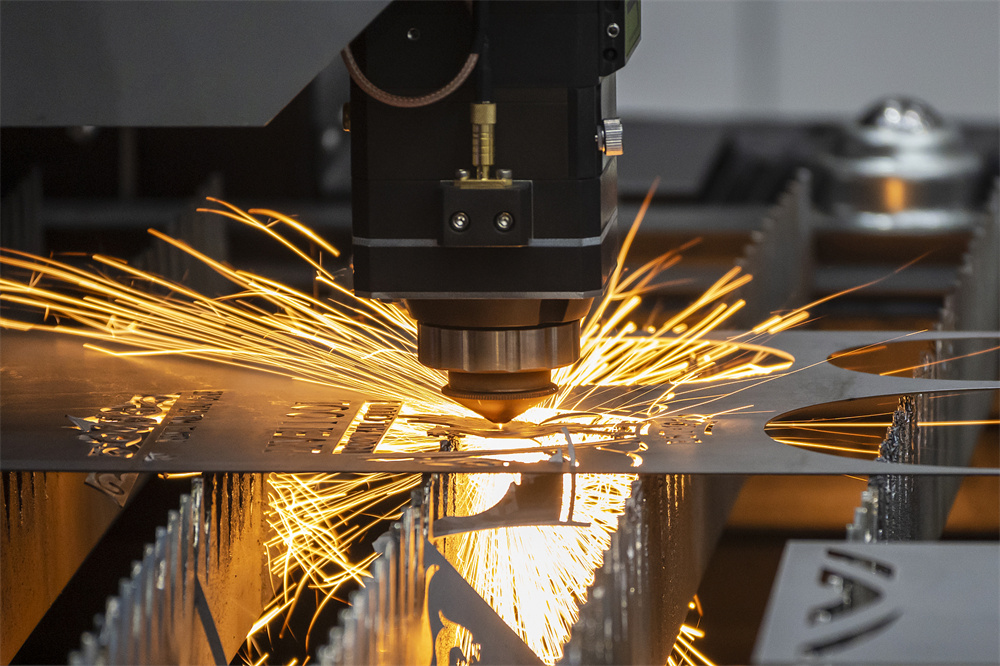
When integrating a laser cutting machine into an electrical enclosure manufacturing line, the first consideration is material versatility. Electrical panels are typically fabricated from cold-rolled steel, stainless steel, or aluminum. Each material reacts differently to laser energy, requiring precise control over gas pressure, focal length, and cutting speed. HARSLE machines are engineered to handle these diverse materials, ensuring that the thermal impact is minimized to prevent warping, which is critical when maintaining the structural integrity of a cabinet frame.
Another vital factor is the complexity of the design. Modern enclosures often feature intricate ventilation patterns, cable entry knockouts, and mounting holes for DIN rails or electrical components. Laser cutting machines excel at these tasks, as they can execute complex nesting patterns that maximize material utilization. By reducing scrap rates, manufacturers can significantly lower their raw material costs—a major expense in the fabrication of large-scale electrical panels.
The integration of CAD/CAM software is also a key consideration. The ability to import design files directly from engineering software into the laser cutting controller streamlines the production process. This digital thread ensures that the final product matches the engineering specifications exactly, reducing the risk of human error. For custom panel manufacturers, this means that even one-off designs can be produced with the same efficiency as mass-produced units.
Finally, production throughput and automation must be addressed. High-volume enclosure manufacturers often require automated loading and unloading systems to keep the laser running continuously. HARSLE offers modular automation solutions that can be scaled according to the factory’s output requirements. By minimizing manual handling, manufacturers can improve safety, reduce labor costs, and ensure a consistent flow of parts to the subsequent bending and welding stations.
Technical Details of HARSLE Laser Cutting Systems
HARSLE fiber laser cutting machines utilize high-power laser sources that deliver a concentrated beam of light to the workpiece. This beam melts or vaporizes the metal with extreme precision. The fiber laser source is particularly advantageous for electrical enclosure manufacturing because it offers high wall-plug efficiency, low maintenance requirements, and the ability to cut reflective materials like aluminum and stainless steel with ease. The wavelength of the fiber laser is ideally suited for the thin-to-medium gauge sheet metal typically used in enclosure construction.
The machine’s motion system is equally important. HARSLE utilizes high-precision rack and pinion drives combined with servo motors to achieve high acceleration and positioning accuracy. This ensures that even when cutting complex shapes for custom panels, the machine maintains tight tolerances. A stable machine bed, often stress-relieved and precision-machined, prevents vibrations that could otherwise compromise the quality of the cut, ensuring that every enclosure meets the necessary industrial standards.
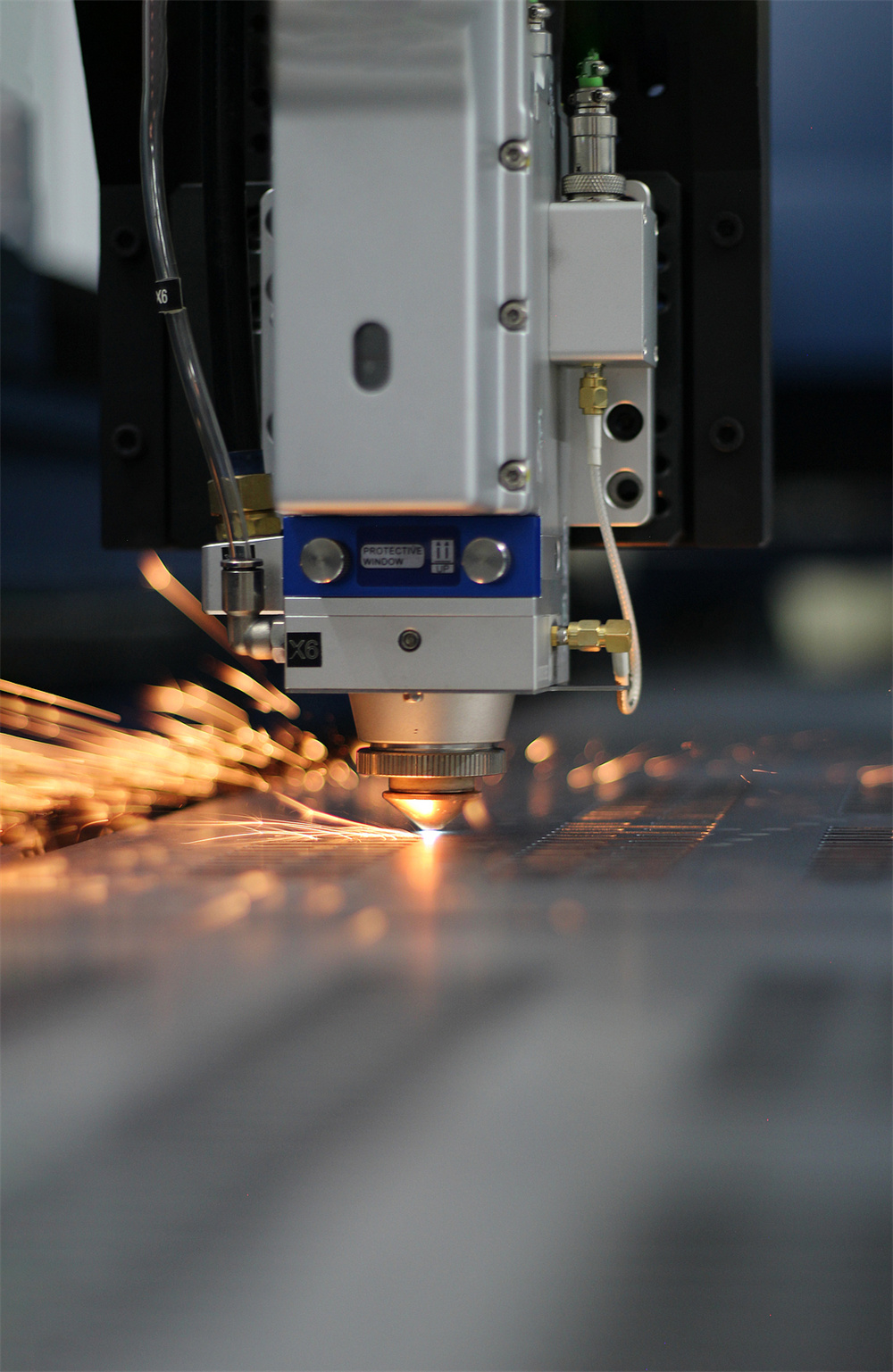
Gas assist systems play a critical role in the quality of the cut. For steel, oxygen is often used to assist the cutting process through an exothermic reaction, while nitrogen is used for stainless steel and aluminum to prevent oxidation and ensure a clean, bright edge. HARSLE machines feature intelligent gas control systems that automatically adjust pressure based on the material type and thickness, ensuring optimal results without manual intervention.
Advanced software features, such as automatic edge detection and common-line cutting, further enhance the technical capabilities of these machines. Common-line cutting allows the laser to share a cut path between two adjacent parts, which not only saves time but also drastically reduces material waste. These technical refinements are what make HARSLE equipment a leader in the field of Laser Cutting Machine Applications In Electrical Enclosure Manufacturing Custom Panels.
Selection Advice: Choosing the Right Machine
Selecting the right laser cutting machine for your electrical enclosure business requires a careful assessment of your current and future production needs. Start by analyzing the maximum thickness and sheet size of the materials you process most frequently. While a 3kW laser might be sufficient for thin-gauge junction boxes, a 6kW or 10kW machine may be necessary if you frequently work with thicker structural steel for heavy-duty industrial cabinets.
Consider the footprint of the machine and the layout of your facility. HARSLE offers various bed sizes, from standard 1.5m x 3m to larger formats for oversized panels. Ensure that your floor space can accommodate not only the machine but also the material handling equipment and the necessary safety enclosures. Proper ventilation and dust extraction systems are also mandatory to maintain a safe working environment and comply with environmental regulations.
Look for a manufacturer that provides robust technical support and training. The complexity of modern laser systems means that your operators will need comprehensive training to maximize the machine’s potential. HARSLE prides itself on offering extensive after-sales support, including remote diagnostics and on-site maintenance, ensuring that your production line remains operational with minimal downtime.
Finally, evaluate the total cost of ownership rather than just the initial purchase price. This includes energy consumption, consumables like nozzles and protective lenses, and the cost of maintenance. A machine that is slightly more expensive upfront but offers higher energy efficiency and lower maintenance requirements will often provide a better return on investment over its operational lifespan. Always request a sample cut of your specific enclosure designs to verify the machine’s performance before making a final decision.
FAQ: Laser Cutting in Enclosure Manufacturing
- Q: Why is fiber laser preferred over CO2 lasers for electrical enclosures?
A: Fiber lasers are more energy-efficient, require less maintenance, and have a smaller footprint. They are also superior at cutting thin-to-medium gauge metals, which are standard in the enclosure industry. - Q: Can laser cutting machines handle custom panel designs?
A: Yes, laser cutting is ideal for custom panels because it is software-driven. You can easily upload new CAD designs and begin production without the need for physical tooling or dies. - Q: How does laser cutting affect the powder coating process?
A: Laser cutting produces clean, smooth edges that are ideal for powder coating. Unlike mechanical punching, which can leave sharp burrs that are difficult to coat, laser-cut edges provide a uniform surface for excellent paint adhesion. - Q: What maintenance is required for a HARSLE laser machine?
A: Regular maintenance includes cleaning the protective lens, checking the cooling system, inspecting the nozzle, and ensuring the motion system is lubricated. HARSLE provides a detailed maintenance schedule to ensure long-term reliability. - Q: Is it possible to automate the loading process?
A: Absolutely. HARSLE offers various automation solutions, including pallet changers and automated loading/unloading towers, which can significantly increase throughput for high-volume enclosure production.
Conclusion
The implementation of HARSLE laser cutting technology is a transformative step for any manufacturer involved in electrical enclosure production. By leveraging the precision, speed, and flexibility of these machines, companies can produce high-quality, custom panels that meet the most demanding industry standards. From reducing material waste to eliminating secondary finishing processes, the benefits are clear and measurable.
As the electrical industry continues to evolve, the ability to adapt quickly to new design requirements will be the key to success. HARSLE remains committed to providing the metal fabrication equipment necessary to stay ahead of the curve. By investing in a high-performance laser cutting machine, you are not just purchasing a piece of hardware; you are securing the future efficiency and profitability of your manufacturing operations. Explore the full range of HARSLE solutions today to find the perfect fit for your production needs.


