How to Prevent Frequent Nozzle Damage in Laser Cutting Machine Workflows


Introduction
Operators often face a recurring challenge that threatens both output quality and operational costs: the premature degradation of the cutting nozzle. To prevent frequent nozzle damage in laser cutting machine workflows, one must understand the intricate relationship between gas pressure, beam alignment, and material interaction. When a nozzle is damaged, the laser beam’s focus is compromised, leading to burrs, inconsistent cut widths, and potential damage to the expensive laser head itself.
At KAVDO, we emphasize that the nozzle is not merely a consumable; it is a critical optical component that dictates the efficiency of the entire cutting process. Frequent replacements are not just an expense—they are a symptom of underlying issues in the machine’s setup or maintenance routine. By addressing these root causes, fabricators can significantly extend the lifespan of their components and ensure that their laser cutting machine applications remain profitable and reliable.
This guide explores the technical nuances of nozzle health, providing actionable insights for operators and maintenance managers. Whether you are running a high-speed fiber laser or a specialized CO2 system, the principles of nozzle preservation remain consistent. We will delve into the technical details of gas dynamics, the importance of calibration, and the best practices for material handling to ensure your workflow remains uninterrupted.
Key Considerations for Nozzle Longevity
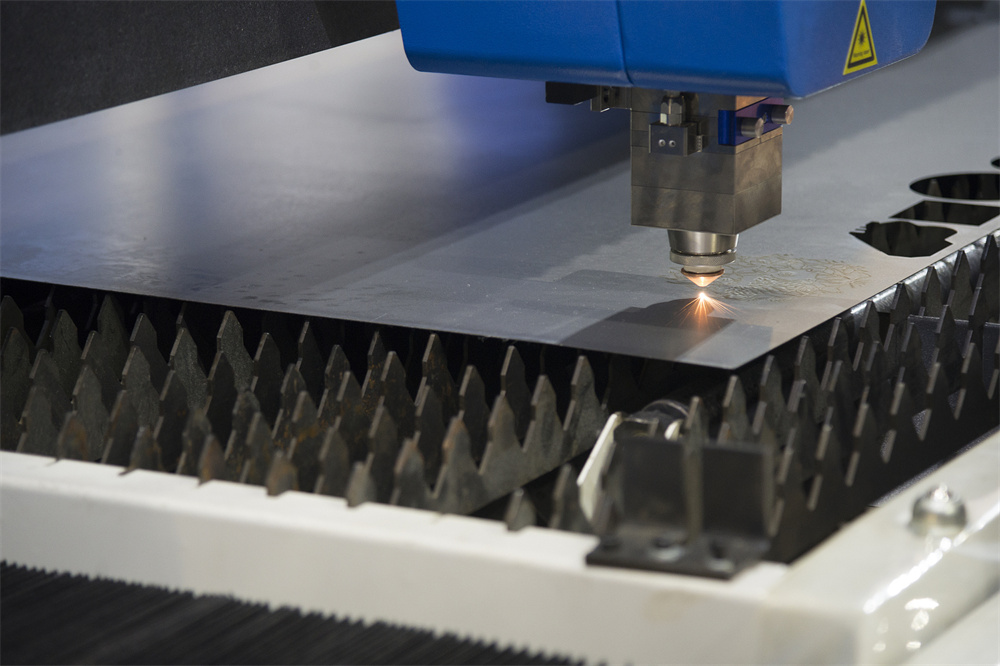
The first step to prevent frequent nozzle damage in laser cutting machine workflows is recognizing the environmental and operational factors that lead to failure. The most common culprit is the “back-spatter” phenomenon. During the piercing process, molten metal can be ejected upward toward the nozzle. If the nozzle is positioned too close to the workpiece or if the piercing parameters are incorrectly set, this molten material adheres to the nozzle tip, causing thermal deformation and flow disruption.
Another critical consideration is the quality of the assist gas. Impurities in the oxygen or nitrogen supply, such as moisture or oil particles, can contaminate the nozzle interior. This contamination alters the gas flow profile, creating turbulence that prevents the laser beam from being properly shielded. Over time, this turbulence causes the nozzle to overheat, leading to rapid wear and the need for frequent replacement.
Mechanical collisions represent a significant risk factor in industrial environments. Even a minor bump against a warped metal sheet can deform the nozzle orifice. Because the orifice is engineered to micron-level tolerances, even a microscopic dent can cause the laser beam to strike the side of the nozzle. This leads to “nozzle burning,” where the laser energy is absorbed by the nozzle material rather than the workpiece, resulting in catastrophic failure within seconds.
Finally, the selection of the nozzle material and design must match the application. Using a copper nozzle for high-power applications where a chrome-plated or specialized alloy nozzle is required can lead to accelerated thermal fatigue. Operators must ensure that the nozzle type is compatible with the specific laser power and material thickness being processed to avoid unnecessary stress on the component.
The Science of Nozzle Performance
To effectively prevent frequent nozzle damage in laser cutting machine workflows, one must master the technical parameters of the laser head. The concentricity between the laser beam and the nozzle orifice is paramount. If the beam is not perfectly centered, it will graze the inner wall of the nozzle. This not only damages the nozzle but also causes the beam to diverge, resulting in poor cut quality and increased energy consumption. Regular calibration using centering paper or digital alignment tools is a mandatory maintenance step.
Gas pressure dynamics play a dual role in both cutting quality and nozzle protection. The assist gas serves to blow away molten material and cool the nozzle. If the pressure is too low, the molten metal is not cleared effectively, increasing the risk of back-spatter. Conversely, if the pressure is too high, it can create shockwaves that destabilize the melt pool and cause excessive vibration in the nozzle tip. Finding the “sweet spot” for each material thickness is essential for long-term component health.
The standoff distance—the gap between the nozzle tip and the material surface—is a critical variable. Modern laser cutting machines utilize capacitive height sensing to maintain this distance. If the sensor is poorly calibrated or if the nozzle tip is dirty, the machine may lose its height reference, leading to a collision. Ensuring that the height sensing system is clean and responsive is a technical prerequisite for preventing physical damage to the nozzle.
Thermal management is the final technical pillar. High-power fiber lasers generate immense heat at the focal point. The nozzle must be able to dissipate this heat effectively. Using high-quality, high-conductivity copper nozzles is recommended. Furthermore, ensuring that the cooling water system for the laser head is operating at the correct temperature and flow rate prevents the heat from the laser head from transferring into the nozzle, which would otherwise soften the metal and make it susceptible to deformation.
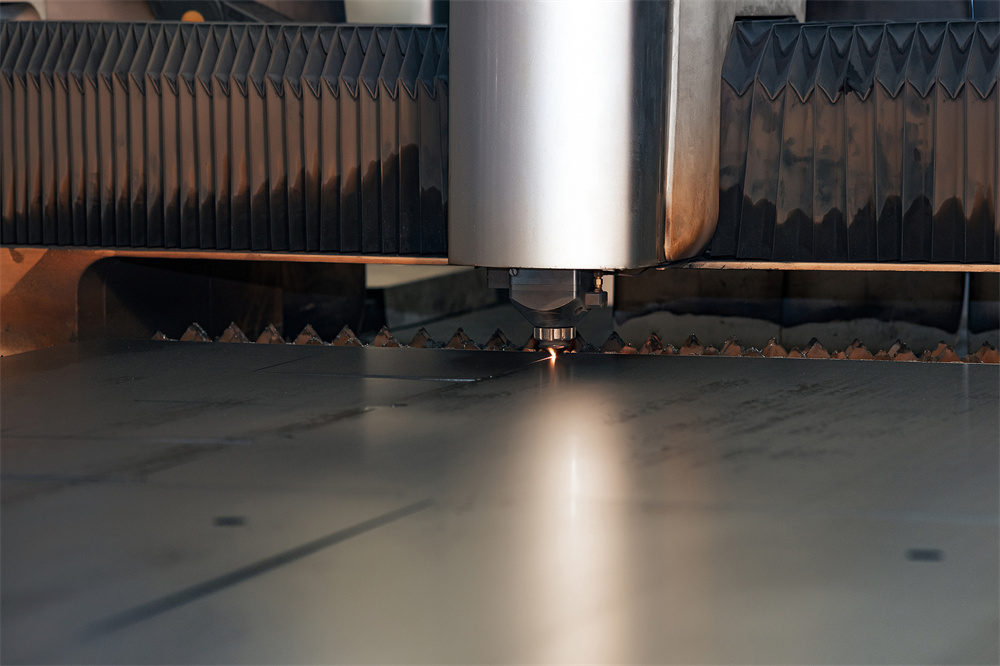
Choosing the Right Nozzle
When looking to prevent frequent nozzle damage in laser cutting machine workflows, the selection process is just as important as the maintenance routine. Not all nozzles are created equal. For high-speed cutting of thin sheets, single-layer nozzles are typically preferred as they provide a high-velocity gas stream that effectively clears the kerf. For thicker materials, double-layer nozzles are often used to provide a more stable, diffused gas flow that improves the quality of the cut edge.
Material composition of the nozzle is another factor. While standard copper nozzles are cost-effective, they may not be the best choice for high-duty-cycle environments. Chrome-plated nozzles offer superior resistance to heat and spatter adhesion. By investing in higher-quality materials, fabricators can reduce the frequency of changeovers, thereby increasing the overall uptime of their metal fabrication equipment.
Consider the orifice diameter carefully. A nozzle with an orifice that is too small for the required gas flow will lead to excessive backpressure and overheating. Conversely, an orifice that is too large will result in inefficient gas consumption and poor cutting precision. Always consult the manufacturer’s cutting charts to match the nozzle size to the laser power and material thickness. KAVDO provides comprehensive documentation to assist operators in making these selections.
Finally, source your nozzles from reputable manufacturers. Cheap, third-party nozzles often lack the precision machining required for high-end laser systems. Inconsistent orifice geometry or poor thread quality can lead to leaks and misalignment, which are the primary drivers of nozzle failure. Stick to OEM-certified parts or high-quality aftermarket alternatives that meet strict industrial standards to ensure your machine performs as intended.
FAQ: Common Questions on Nozzle Maintenance
- How often should I check my nozzle for damage?
You should inspect the nozzle tip before every shift and after any piercing operation on thick material. Look for signs of discoloration, deformation, or spatter buildup. - Can I clean a damaged nozzle?
Minor spatter can be removed with specialized cleaning tools, but if the orifice is deformed or the nozzle is burnt, it must be replaced. Attempting to use a damaged nozzle will compromise the laser head. - Why does my nozzle keep burning during piercing?
This is usually due to incorrect piercing parameters or a standoff distance that is too low. Review your machine’s piercing sequence to ensure the laser is not dwelling too long in one spot. - Does gas purity affect nozzle life?
Yes, absolutely. Contaminated gas can cause internal oxidation of the nozzle, leading to premature failure. Always use high-purity industrial gases and ensure your filtration system is maintained. - What is the best way to store nozzles?
Store nozzles in a clean, dry environment, preferably in their original packaging to prevent dust and oil contamination. Handle them with care to avoid scratching the orifice.
Conclusion
To prevent frequent nozzle damage in laser cutting machine workflows, one must adopt a proactive approach that combines rigorous maintenance, precise calibration, and informed component selection. By understanding the mechanical and thermal stresses placed on the nozzle, operators can implement strategies that significantly extend the life of these critical parts. Remember that the nozzle is the final point of contact between your machine’s advanced technology and the raw material; treating it with the care it deserves will pay dividends in cut quality, reduced downtime, and lower operational costs.
KAVDO remains committed to supporting your metal fabrication journey with high-performance machinery and expert guidance. By following the practices outlined in this guide, you can ensure that your laser cutting machine operates at peak efficiency, delivering the precision and speed that your customers demand. If you continue to experience issues, do not hesitate to reach out to our technical support team for a deeper analysis of your specific workflow and machine configuration.
Investing time in nozzle maintenance is not just about saving money on parts; it is about optimizing your entire production line. When your laser cutting machine runs smoothly, your throughput increases, your scrap rate decreases, and your reputation for quality is solidified. Stay diligent, keep your equipment clean, and continue to refine your processes to stay ahead in the competitive world of industrial metal fabrication.