
Punching Machine Cost Guide for Sheet Metal Processing Plants: A Comprehensive Investment Analysis


Price Range Overview: Understanding the Investment Landscape
For modern sheet metal processing plants, the decision to acquire a new punching machine is a significant capital expenditure that requires careful financial planning. The punching machine cost for sheet metal processing plants varies drastically depending on the technology, tonnage, and automation level. Generally, entry-level mechanical punching machines can start as low as $15,000 to $30,000, while high-end, fully automated CNC turret punching systems can easily exceed $250,000 to $500,000.
Understanding these price tiers is essential for shop owners. The lower end of the spectrum typically involves manual or semi-automatic machines suitable for small-batch production or specialized workshops. These machines offer basic functionality but lack the speed and precision required for high-volume industrial environments. As you move into the mid-range, you encounter hydraulic and servo-driven CNC machines that balance cost with throughput, making them the workhorses of many medium-sized fabrication facilities.
At the top tier, the investment reflects advanced features such as automatic tool changers, integrated loading/unloading systems, and complex software compatibility. These machines are designed for 24/7 operation in high-output environments where downtime is not an option. When evaluating the punching machine cost for sheet metal processing plants, it is vital to look beyond the sticker price and consider the total cost of ownership, including energy consumption, tooling costs, and maintenance requirements.
Market volatility and global supply chain factors also play a role in current pricing. Raw material costs for heavy-duty steel frames and the availability of high-precision electronic components can cause fluctuations in the market. HARSLE recommends that procurement managers request detailed quotes that break down the base machine cost versus optional upgrades, ensuring that the final investment aligns with the specific production requirements of the facility.
Main Cost Drivers: What Influences the Price Tag?
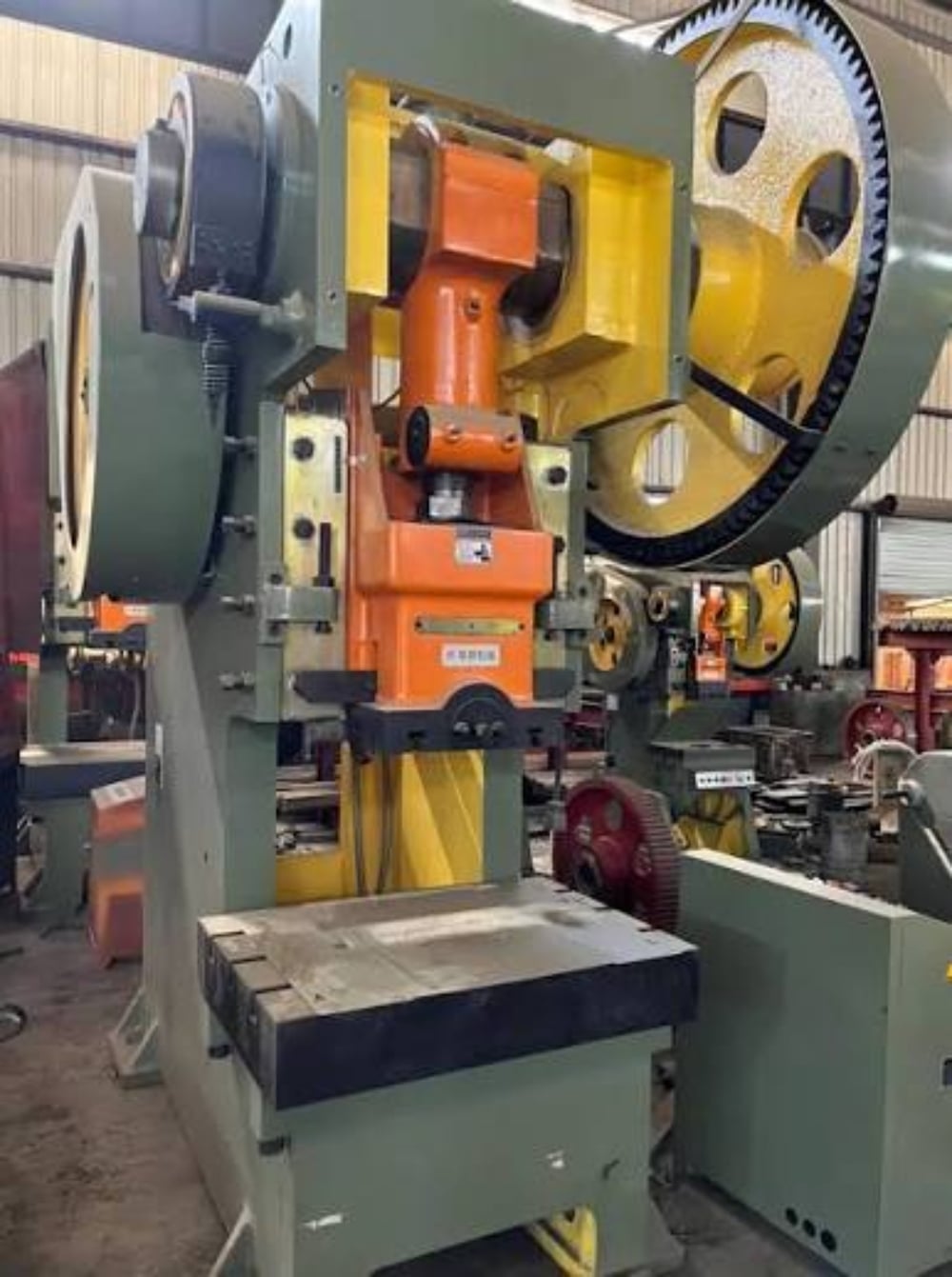
Several technical specifications act as primary cost drivers when purchasing a punching machine. The most significant factor is the drive system. Mechanical punching machines are generally the most affordable but offer less control over the ram stroke. Hydraulic systems provide higher force and versatility, while servo-electric systems, though more expensive, offer superior energy efficiency, higher speed, and reduced maintenance costs over the machine’s lifespan.
Tonnage capacity is another critical driver. A machine’s tonnage determines the thickness and type of material it can process. Higher tonnage requires a more robust frame, larger motors, and reinforced components, all of which increase the manufacturing cost. It is a common mistake for plants to over-spec their tonnage, leading to unnecessary capital expenditure. Conversely, under-specifying can lead to machine fatigue and poor part quality, ultimately costing more in the long run.
The complexity of the turret configuration significantly impacts the price. A turret with more tool stations allows for more complex parts to be produced without manual tool changes, which increases productivity but adds to the initial cost. Furthermore, the inclusion of auto-indexing stations—which allow tools to rotate to any angle—adds a layer of mechanical complexity that commands a premium price compared to fixed-station turrets.
Finally, the control system and software integration capabilities are major cost factors. Modern CNC punching machines rely on sophisticated software to optimize nesting, tool paths, and machine diagnostics. Investing in a machine with an open-architecture controller that integrates seamlessly with existing ERP or CAD/CAM systems can save thousands in labor and programming time, though these advanced controllers represent a higher upfront investment.
Configuration Impact: Customizing for Efficiency
The configuration of your punching machine should be dictated by your specific production needs. For plants focusing on high-mix, low-volume production, a machine with a large turret capacity and quick-change tooling is essential. While this increases the initial punching machine cost for sheet metal processing plants, the reduction in setup time provides a faster return on investment by keeping the machine running rather than sitting idle during tool swaps.
Automation is perhaps the most impactful configuration choice. Adding a sheet loading and unloading system can transform a standalone machine into an automated cell. While this can add 20% to 50% to the base price, it drastically reduces labor costs and allows for lights-out manufacturing. For high-volume plants, this automation is often the difference between profitability and stagnation.
Another configuration aspect is the inclusion of specialized features like tapping, forming, or marking stations. If your facility currently performs these operations on secondary machines, integrating them into the punching process can eliminate material handling steps and reduce the total cost per part. While these features add to the machine’s complexity and price, they streamline the workflow and improve overall plant efficiency.
Energy efficiency configurations, such as regenerative braking systems in servo-driven machines, are becoming increasingly important. Although these features may increase the initial purchase price, they significantly lower the operational costs over the machine’s 10-to-15-year lifespan. When evaluating quotes, always ask about the power consumption profile of the machine under typical load conditions to understand the long-term financial impact.
Costi nascosti: oltre al prezzo di acquisto
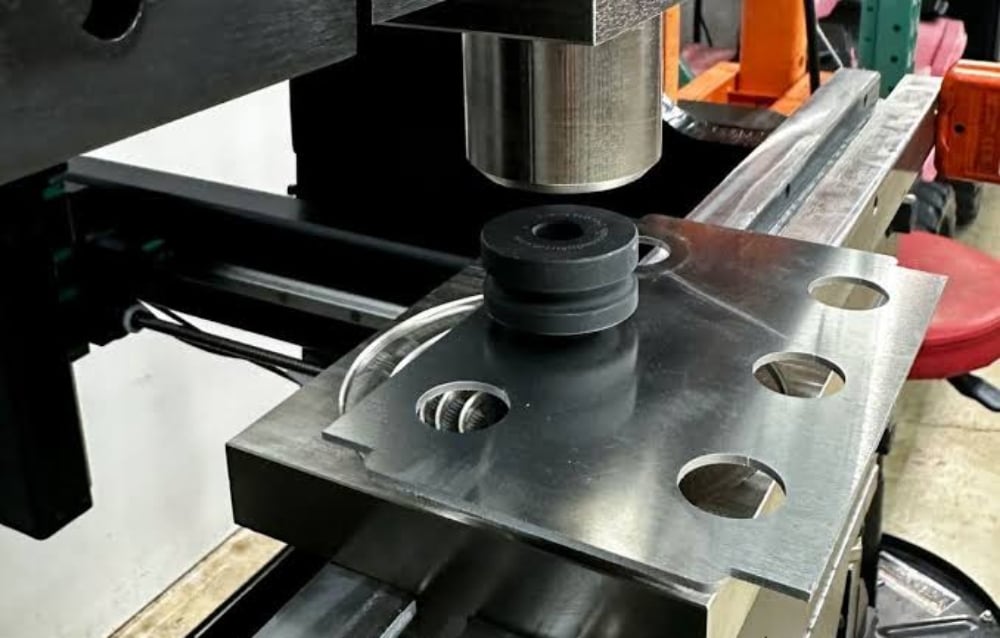
Many procurement managers focus exclusively on the machine price, but the total punching machine cost for sheet metal processing plants includes several hidden expenses. Installation and commissioning are often overlooked. This includes site preparation, such as reinforced concrete flooring, electrical upgrades to support high-voltage requirements, and pneumatic line installations. These costs can range from a few thousand to tens of thousands of dollars depending on the facility’s existing infrastructure.
Tooling is another major hidden cost. A punching machine is only as effective as its tooling. High-quality, long-lasting punches and dies are expensive, and a comprehensive starter set is rarely included in the base machine price. Furthermore, the cost of regular tool sharpening and replacement must be factored into the annual operating budget. Neglecting to budget for high-quality tooling will lead to poor edge quality and increased machine wear.
Training and software licensing are also significant. Your operators need specialized training to handle modern CNC controls, and your programmers need proficiency in the latest CAD/CAM software. If your team is not adequately trained, the machine will operate at a fraction of its potential capacity. Additionally, annual software maintenance fees and updates can add up over the life of the machine.
Finally, consider the cost of maintenance and spare parts. While reputable manufacturers like HARSLE provide excellent support, you must account for the cost of preventative maintenance kits, hydraulic oil, filters, and potential emergency repairs. Establishing a service contract or training in-house maintenance staff is a necessary expense that ensures the longevity of your investment and prevents costly unplanned downtime.
Calcolo del ROI: Giustificare l'Investimento
Calculating the Return on Investment (ROI) for a new punching machine requires a thorough analysis of your current production metrics. Start by calculating the current cost per part, including labor, material waste, energy, and secondary operations. Compare this to the projected cost per part using the new machine, accounting for higher throughput, reduced scrap rates, and the elimination of secondary processes.
Labor savings are usually the most significant contributor to ROI. If a new machine allows one operator to manage two cells or reduces the time required for a complex part from 10 minutes to 2 minutes, the labor cost savings are substantial. When calculating this, use your fully burdened labor rate, which includes benefits, taxes, and overhead, rather than just the hourly wage.
Reduced scrap rates also play a major role. Modern CNC punching machines offer superior precision and repeatability compared to older or manual equipment. By reducing the number of rejected parts, you save on raw material costs and the energy used to produce those parts. Over a year, even a 2% reduction in scrap can result in significant savings that contribute directly to the machine’s ROI.
Finally, consider the opportunity cost of not upgrading. If your current equipment is prone to frequent breakdowns, the cost of downtime—including missed deadlines, customer dissatisfaction, and overtime pay to catch up—can be astronomical. A new, reliable machine provides peace of mind and the ability to take on more complex, higher-margin projects that your current equipment might not be able to handle.
Buying Advice: Selecting the Right Machine
When selecting a punching machine, start by defining your production requirements. Are you processing thin-gauge aluminum or thick-gauge stainless steel? Do you need high-speed production of simple parts or the ability to create complex, multi-formed components? Defining these parameters will help you narrow down the options and avoid paying for features you do not need.
Always request a demonstration or a test run of your specific parts. Seeing the machine in action allows you to evaluate its speed, accuracy, and ease of use. It also gives you a chance to assess the noise levels and the ergonomics for the operator. A machine that is difficult to operate will lead to operator fatigue and increased error rates, regardless of its technical specifications.
Evaluate the manufacturer’s support network. A machine is a long-term commitment, and you need a partner who can provide timely technical support, spare parts, and training. Research the manufacturer’s reputation in the industry, read customer reviews, and ask for references from other sheet metal processing plants that have purchased similar equipment. HARSLE prides itself on providing comprehensive after-sales support to ensure our clients get the most out of their investment.
Finally, consider the future-proofing of your purchase. As your business grows, your production needs will change. Look for a machine that offers modularity or the ability to add automation at a later date. Investing in a platform that can evolve with your business is a smarter financial decision than buying a machine that meets your current needs but will be obsolete in three years.
FAQ: Common Questions About Punching Machine Costs
How much does a standard CNC punching machine cost?
A standard CNC punching machine typically ranges from $60,000 to $150,000, depending on the tonnage, turret capacity, and brand. High-end models with full automation can exceed $300,000.
What is the most expensive part of a punching machine?
The drive system (servo-electric or hydraulic) and the CNC control unit are generally the most expensive components. Additionally, the frame construction and the turret mechanism contribute significantly to the cost.
How often should I budget for machine maintenance?
You should budget for preventative maintenance at least twice a year. Additionally, set aside 5-10% of the machine’s initial cost annually for spare parts and potential repairs to ensure continuous operation.
Is it better to buy new or used?
New machines offer the latest technology, warranties, and reliability, which is crucial for high-volume plants. Used machines can be a cost-effective entry point for smaller shops, but they carry risks regarding wear and lack of modern software integration.
How long does it take to see an ROI on a punching machine?
Depending on the volume of work and the efficiency gains, most plants see a return on investment within 18 to 36 months. High-volume, automated cells can sometimes achieve ROI in under 18 months.


