
Guida alla Pressa da Officina: Dimensioni (10–50 Ton), Tipi di Pompa, Usi e Come Scegliere

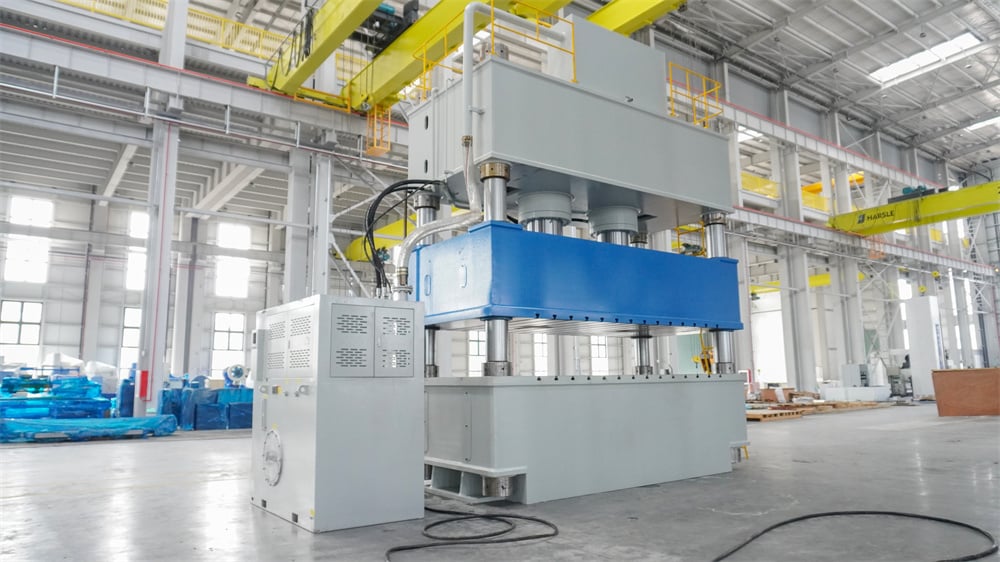
Short answer: a shop press is a simple H-frame hydraulic press for workshops, usually 10–50 tons, with a manual, air-over-hydraulic or electric pump. It is used for pressing bearings and bushings, straightening, bending small parts and general repair. For occasional maintenance, a 20-ton press covers most jobs; choose 30–50 tons for trucks, farm equipment and heavier straightening. For production forming, punching or tight tolerances, choose an industrial press with a guided ram and powered hydraulics instead.
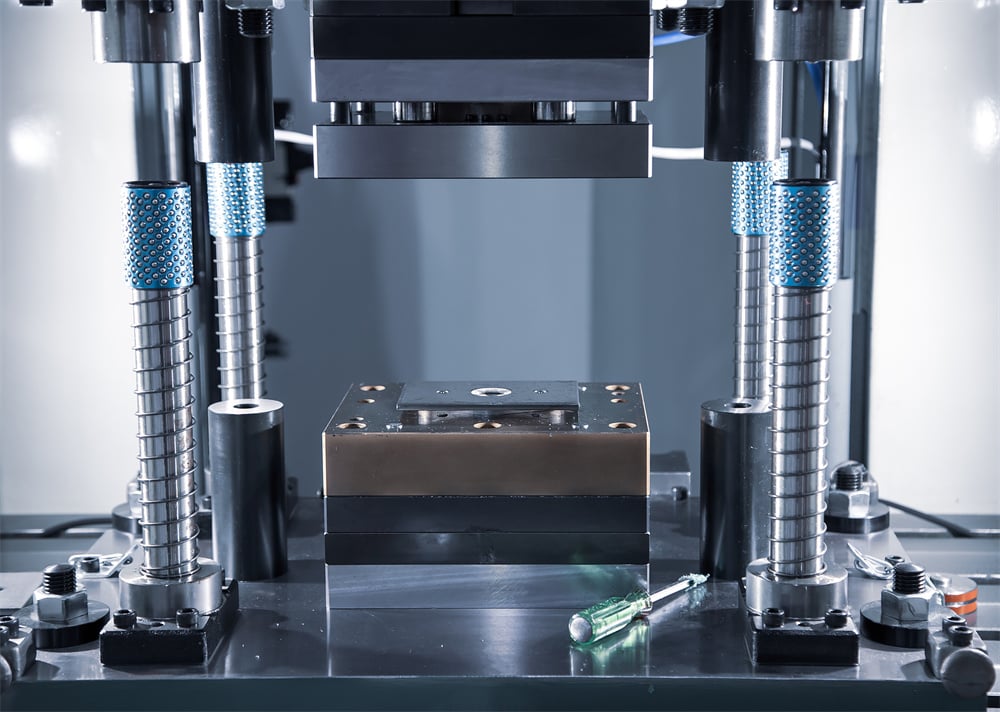
Shop Press Sizes and Typical Uses
| Capacity | Typical uses |
|---|---|
| 10–12 t | Small bearings, bushings, light hobby and garage work |
| 20 t | Car wheel bearings, ball joints, U-joints, general repair: the most popular size |
| 30 t | Light trucks, larger bearings, straightening small shafts and brackets |
| 50 t | Heavy trucks, agricultural and construction equipment, heavier straightening |
| 100 t and above | Industrial maintenance; usually electric pump, larger frame |
Pump Types
| Pompa | Pros | Cons |
|---|---|---|
| Manual (hand pump / bottle jack) | Cheapest, no power needed | Slow, tiring for repeated work |
| Air-over-hydraulic | Fast with shop air; foot or hand control | Needs a compressor |
| Electric pump | Fast, consistent, best for frequent use | Higher cost; needs power |
Shop Press vs Industrial H-Frame Press
| Shop press | Industrial H-frame / frame press | |
|---|---|---|
| Ram | Bottle jack or simple cylinder, not guided | Guided slide, parallel to the bed |
| Controllo | Manual valve | PLC, pressure and position control |
| Accuracy | Low; not for precision forming | High, repeatable |
| Duty | Occasional repair | Continuous production |
| Sicurezza | Basic guards | Light curtains, two-hand control, interlocks |
See also C-frame vs H-frame hydraulic press E types of hydraulic press.
What to Look for When Buying
- Capacity with margin: 20–30% above your heaviest job.
- Working height and width between the uprights for your largest parts.
- Adjustable bed height with strong pins.
- Pressure gauge to see the force you’re applying.
- Accessories: press plates (arbor plates), V-blocks, bearing separators and adapters.
- Safety: a guard or shield, and stable floor mounting.
Safe Use
- Wear eye protection; parts can shatter or shoot out under load.
- Center the load under the ram and use proper press plates.
- Never exceed the rated capacity; watch the gauge.
- Keep the bed pins fully inserted.
Common Shop Press Problems
- Won’t lift / no pressure: release valve open, low oil, air in the jack.
- Won’t retract: release valve not open, weak return springs, overfilled jack. See ram not returning.
- Sinks under load: internal valve leakage; reseal or replace the jack.
- Oil: use hydraulic jack oil. See the oil guide.
Check shop press capacity at the actual working position
Confirm the approved load, daylight and fixture access for the intended bearing, bushing or forming job. Inspect the load path and record whether the pump and controls suit the task.
Domande frequenti
What size shop press do I need?
20 tons covers most car and light repair work. Choose 30–50 tons for trucks, farm and construction equipment.
Can a shop press bend metal?
Yes, for small brackets and straightening, using V-blocks or simple dies. For accurate, repeatable bending, use a press brake.
What oil goes in a shop press?
Hydraulic jack oil (typically ISO 15–32). Don’t use engine oil or brake fluid.
From Workshop to Production
When you outgrow a shop press, KAVDO’s C-frame, four-column E frame hydraulic presses offer guided slides, PLC control and production safety. See the hydraulic press price guide, or contact us.
