Used Press Brake Price Guide: What to Expect and What to Check


Price Range Overview: Understanding the Used Press Brake Market
Entering the market for a used press brake can be a daunting task for any metal fabrication shop. The used press brake price: expect check process requires a deep understanding of how age, brand reputation, and technological integration influence market value. Generally, entry-level used hydraulic press brakes from the 1990s or early 2000s can be found in the $15,000 to $30,000 range, depending on tonnage and bed length. These machines are often workhorses but may lack the precision of modern CNC systems.
Moving into the mid-range, machines manufactured within the last 10 to 15 years with basic CNC controllers typically command prices between $40,000 and $80,000. At this price point, buyers are looking for reliable repeatability and decent backgauge functionality. These machines are ideal for job shops that need to handle a variety of materials without the extreme overhead of a brand-new, high-end European or Japanese press brake.
High-end used press brakes, particularly those from premium manufacturers with advanced 3D graphical controllers and multi-axis backgauges, can range from $100,000 to over $200,000. While this may seem steep for “used” equipment, these machines often feature advanced safety light curtains, energy-efficient servo-hydraulic systems, and high-speed operation that can significantly outperform newer, lower-tier machines.
It is essential to recognize that the used press brake price: expect check strategy is not just about the sticker price. It is about the total cost of ownership. A machine that costs $20,000 but requires $15,000 in immediate repairs and calibration is effectively a $35,000 machine. Always factor in the cost of shipping, rigging, and professional installation when budgeting for your purchase.
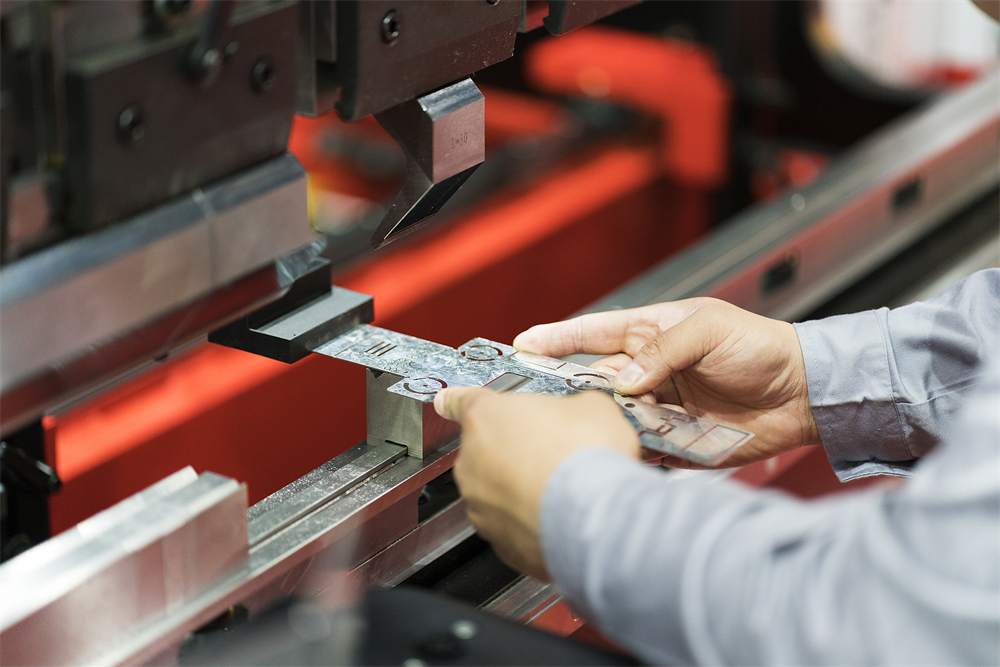
Main Cost Drivers: Why Prices Vary So Dramatically
The primary driver of any used press brake price is the machine’s tonnage and bending length. A 100-ton machine with a 3-meter bed will naturally be priced differently than a 400-ton machine with a 6-meter bed. Tonnage dictates the thickness of the material you can bend, while the bed length dictates the size of the parts you can process. If you are buying a machine that is “over-spec” for your current needs, you are paying for capacity you may never utilize.
Brand reputation plays a massive role in depreciation. Machines from globally recognized manufacturers tend to hold their value better because parts are readily available, and service technicians are familiar with the architecture. While a lesser-known brand might offer a lower initial price, the long-term cost of sourcing proprietary parts or finding a qualified technician can quickly negate those initial savings.
The condition of the hydraulic system and the frame is the next major cost driver. A press brake that has been well-maintained, with regular oil changes and seal replacements, will command a premium. Conversely, machines that show signs of hydraulic leaks, rusted cylinders, or structural welding repairs to the frame should be viewed with extreme caution, as these issues often indicate a history of overloading or neglect.
Finally, the controller technology is a significant value multiplier. A machine with a modern, user-friendly CNC controller that supports offline programming and CAD/CAM integration is worth significantly more than a machine with a manual or basic digital readout (DRO) system. In today’s competitive fabrication environment, the ability to program complex bends quickly is a major productivity booster that justifies a higher purchase price.
Configuration Impact: How Features Influence Value
When evaluating a used press brake price: expect check, you must look closely at the configuration. The backgauge is the heart of the press brake’s accuracy. A simple one-axis backgauge (X-axis) is standard on older machines, but a multi-axis backgauge (X, R, Z1, Z2) allows for complex, tapered, and non-parallel bends. If your production involves intricate parts, a machine with a sophisticated backgauge is worth the extra investment.
The crowning system is another critical feature. Mechanical or hydraulic crowning compensates for the deflection of the bed and ram during the bending process. Without an effective crowning system, you will struggle to achieve consistent bend angles across the entire length of the bed, especially when working with thicker materials. Machines equipped with automatic crowning systems are highly sought after and command higher prices in the secondary market.
Tooling compatibility is often overlooked. Does the machine use a standard European-style tool holder, or is it a proprietary system? If the machine requires specialized, hard-to-find tooling, your ongoing operational costs will be significantly higher. Always check if the machine comes with a set of punches and dies, as a full set of quality tooling can be worth several thousand dollars on its own.
Safety features are non-negotiable in modern fabrication. A used press brake that lacks modern light curtains, laser safety guards, or dual-hand controls may be cheaper, but it will likely require expensive retrofitting to meet current OSHA or local safety standards. Never compromise on safety; ensure the machine you are considering can be brought up to current safety codes without exceeding your total budget.
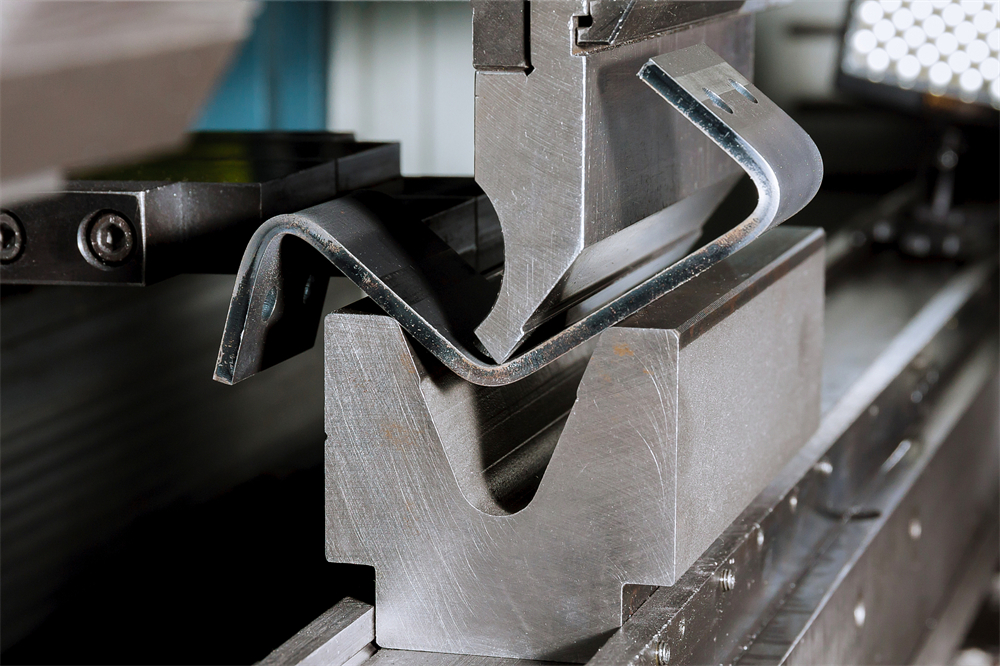
Hidden Costs: What to Look for Beyond the Price Tag
The used press brake price: expect check process must include a thorough assessment of hidden costs. Shipping and rigging are the most immediate expenses. Moving a 10-ton press brake requires specialized flatbed transport and professional rigging services to safely load and unload the machine. Depending on the distance, this can add anywhere from $2,000 to $10,000 to your total investment.
Installation and commissioning are often underestimated. Even if you have an in-house maintenance team, a press brake requires precise leveling and anchoring to ensure the frame does not twist under load. If the machine is not perfectly level, you will experience uneven bending, premature tool wear, and potential damage to the hydraulic cylinders. Budget for a professional technician to perform the initial setup and calibration.
Electrical requirements can also be a hidden hurdle. Many industrial press brakes require high-voltage, three-phase power. If your facility is not already equipped with the necessary electrical infrastructure, upgrading your power supply can be a significant capital expenditure. Always verify the machine’s electrical specifications against your facility’s capabilities before finalizing the purchase.
Finally, consider the cost of training. If your operators are used to manual machines, transitioning to a CNC-controlled press brake will require a learning curve. Factor in the cost of training programs or the time lost during the initial transition period. A machine that sits idle because no one knows how to program it is a liability, not an asset.
ROI Calculation: Is the Used Machine Worth It?
To determine if a used press brake is a sound investment, you must calculate the Return on Investment (ROI). Start by estimating the hourly rate you can charge for the parts produced on the machine. Subtract the hourly operating costs, including electricity, tooling wear, maintenance, and operator wages. The difference is your gross margin per hour.
Next, estimate the number of hours the machine will be running per year. If you are a high-volume shop, a used machine that is down for repairs 20% of the time will quickly lose its cost advantage compared to a new machine with a warranty. Calculate the “cost of downtime”—the revenue lost every hour the machine is not producing parts—and include this in your ROI analysis.
Consider the tax implications. In many jurisdictions, you can take advantage of accelerated depreciation on capital equipment, which can significantly improve your cash flow. Consult with your accountant to see how a used equipment purchase fits into your overall tax strategy. Sometimes, the tax benefits of buying a newer used machine outweigh the lower price of an older, less efficient model.
Finally, compare the ROI of the used machine against the cost of outsourcing your bending needs. If you are currently paying a third party to bend your parts, calculate how many years of outsourcing costs it would take to pay off the used press brake. If the payback period is under three years, it is generally considered a strong investment.
Buying Advice: The Ultimate Checklist for Buyers
When you are ready to inspect a machine, follow this used press brake price: expect check checklist to avoid common pitfalls:
- Check the Ram Parallelism: Use a dial indicator to check if the ram is parallel to the bed across the entire length.
- Inspect the Hydraulic Cylinders: Look for signs of oil leaks around the seals and check the piston rods for scoring or pitting.
- Test the Backgauge: Move the backgauge through its full range of motion. Listen for unusual noises and check for repeatability.
- Examine the Bed and Ram: Look for any signs of welding, cracks, or excessive wear on the tool clamping surfaces.
- Verify the Controller: Power up the machine and run a test program. Ensure the screen is clear and all buttons are responsive.
- Review Maintenance Logs: Ask the seller for service records. A machine with a documented maintenance history is significantly lower risk.
- Check Safety Systems: Ensure all emergency stops and light curtains are functional and compliant with current safety regulations.
- Test Under Load: If possible, bring a piece of scrap metal and perform a test bend. This is the only way to truly verify the machine’s performance.
By following these steps, you can move forward with confidence, knowing that you have performed the necessary due diligence to secure a reliable piece of metal fabrication equipment for your shop.
FAQ: Frequently Asked Questions
1. How long should a used press brake last?
With proper maintenance, a high-quality hydraulic press brake can last 20 to 30 years or more. The longevity depends heavily on the frequency of use, the material thickness processed, and the quality of the preventative maintenance program.
2. Is it better to buy a used press brake or a new entry-level model?
This depends on your budget and production requirements. A new entry-level model offers a warranty and the latest technology, while a used premium model may offer higher tonnage and better build quality for the same price. Evaluate your specific needs for precision and throughput.
3. What is the most common failure point in used press brakes?
The hydraulic system, particularly the seals and valves, is the most common point of failure. Additionally, electronic components in older CNC controllers can become obsolete and difficult to replace.
4. Can I upgrade the controller on an old press brake?
Yes, many companies specialize in retrofitting older press brakes with modern CNC controllers. This can be a cost-effective way to bring an older, mechanically sound machine up to modern productivity standards.
5. How do I know if a press brake has been overloaded?
Signs of overloading include cracks in the side frames, a bowed bed or ram, or hydraulic systems that struggle to reach the required pressure. Always inspect the frame for any signs of structural repair.
6. Should I buy from a dealer or a private seller?
Dealers often provide a level of service, inspection, and sometimes a short-term warranty, which reduces your risk. Private sellers may offer lower prices but provide no guarantees, making the inspection process even more critical.