Sheet Metal Punching Machine Applications for Precision Parts Production: A Comprehensive Guide


Introduction to Precision Punching Technology
In the modern landscape of metal fabrication, the demand for high-speed, high-accuracy components has never been greater. Sheet metal punching machine applications for precision parts production represent the backbone of industries ranging from automotive and aerospace to electronics and HVAC. As manufacturers strive for tighter tolerances and faster turnaround times, understanding the capabilities of advanced punching technology is essential for maintaining a competitive edge.
HARSLE has long been at the forefront of engineering robust, high-performance machinery designed to meet these exact requirements. A sheet metal punching machine is not merely a tool for creating holes; it is a sophisticated system capable of complex forming, embossing, and contouring. By utilizing CNC (Computer Numerical Control) technology, these machines transform raw sheet metal into intricate parts with repeatable accuracy that manual methods simply cannot match.
The evolution of punching technology has moved from simple mechanical presses to highly automated, energy-efficient servo-electric systems. This transition has allowed fabricators to achieve precision levels previously reserved for laser cutting, while retaining the unique benefits of mechanical punching, such as the ability to create 3D features like louvers, bridges, and countersinks in a single setup. This article explores the technical depth and strategic application of these machines in modern production environments.
For businesses looking to optimize their production lines, integrating the right punching equipment is a strategic investment. Whether you are producing small batches of custom brackets or high-volume electrical enclosures, the versatility of a modern punching machine is unmatched. Throughout this guide, we will delve into the technical specifications, selection criteria, and operational best practices that define successful precision parts production.
Key Considerations for Precision Parts Production
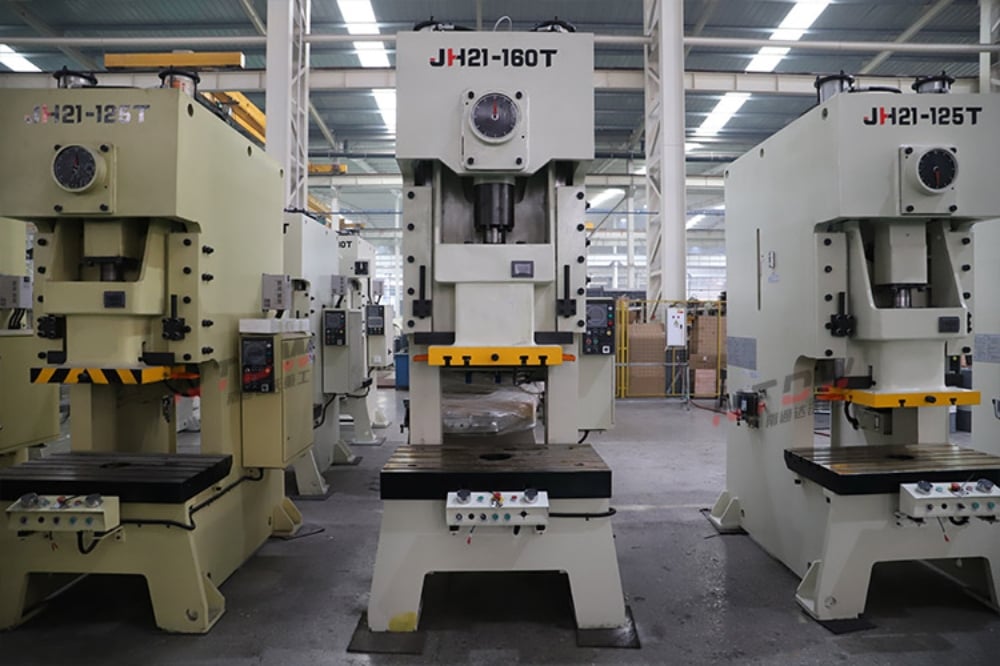
Achieving precision in sheet metal fabrication requires a holistic approach that considers material properties, tooling quality, and machine calibration. The first consideration is material behavior. Different metals, such as stainless steel, aluminum, and mild steel, react differently under the stress of a punch. Understanding the yield strength and ductility of the material is crucial for preventing deformation and ensuring the final part meets dimensional specifications.
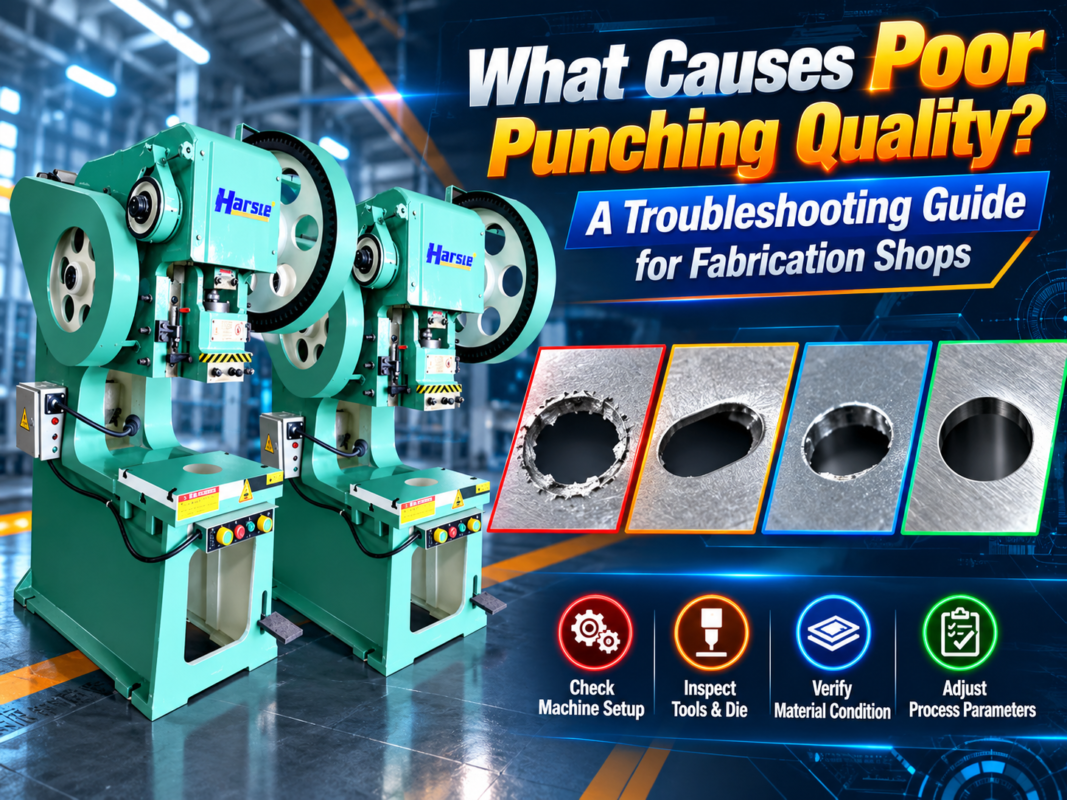
Tooling integrity is the second pillar of precision. Even the most advanced HARSLE punching machine will fail to produce accurate parts if the punch and die clearance is not optimized. Proper clearance is determined by the material thickness and type; incorrect settings lead to burrs, excessive tonnage, and premature tool wear. Investing in high-quality, coated tooling can significantly extend the life of your equipment and improve the finish of your parts.
The third consideration involves the programming and nesting software. Modern punching machines rely on sophisticated CAD/CAM integration to optimize tool paths and minimize scrap. By nesting parts efficiently, manufacturers not only reduce material waste but also minimize the heat and stress applied to the sheet, which helps maintain the structural integrity of the precision parts. Effective software management ensures that the machine operates at peak efficiency during every cycle.
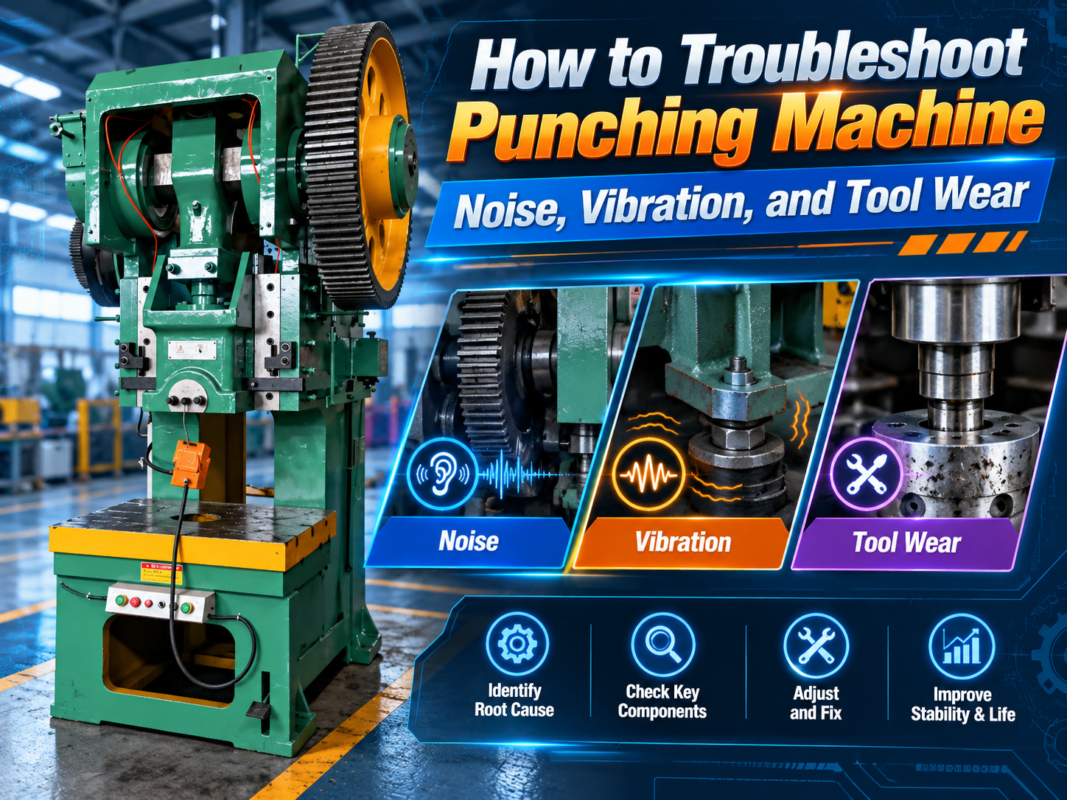
Finally, environmental stability and maintenance play a vital role. Precision parts production is sensitive to vibrations and temperature fluctuations. Ensuring that the machine is installed on a stable foundation and that the hydraulic or servo systems are regularly serviced is non-negotiable. A well-maintained machine provides the consistent force and positioning accuracy required for high-tolerance components, reducing the need for secondary finishing operations.
Technical Details of Modern Punching Systems
Modern sheet metal punching machines utilize advanced drive systems to achieve high hit rates and positioning accuracy. Servo-hydraulic or all-electric drives have replaced older mechanical clutch systems, offering superior control over the ram stroke. This control allows for variable ram speeds, which is essential when working with delicate materials or performing complex forming operations that require a slower, more controlled descent.
The turret design is another critical technical component. A high-capacity turret allows for a wide range of tools to be loaded simultaneously, reducing the need for frequent tool changes. HARSLE punching machines often feature multi-tool stations, which further increase the number of available punches. This capability is particularly beneficial for precision parts production, as it allows for the creation of complex geometries without stopping the machine to swap out dies.
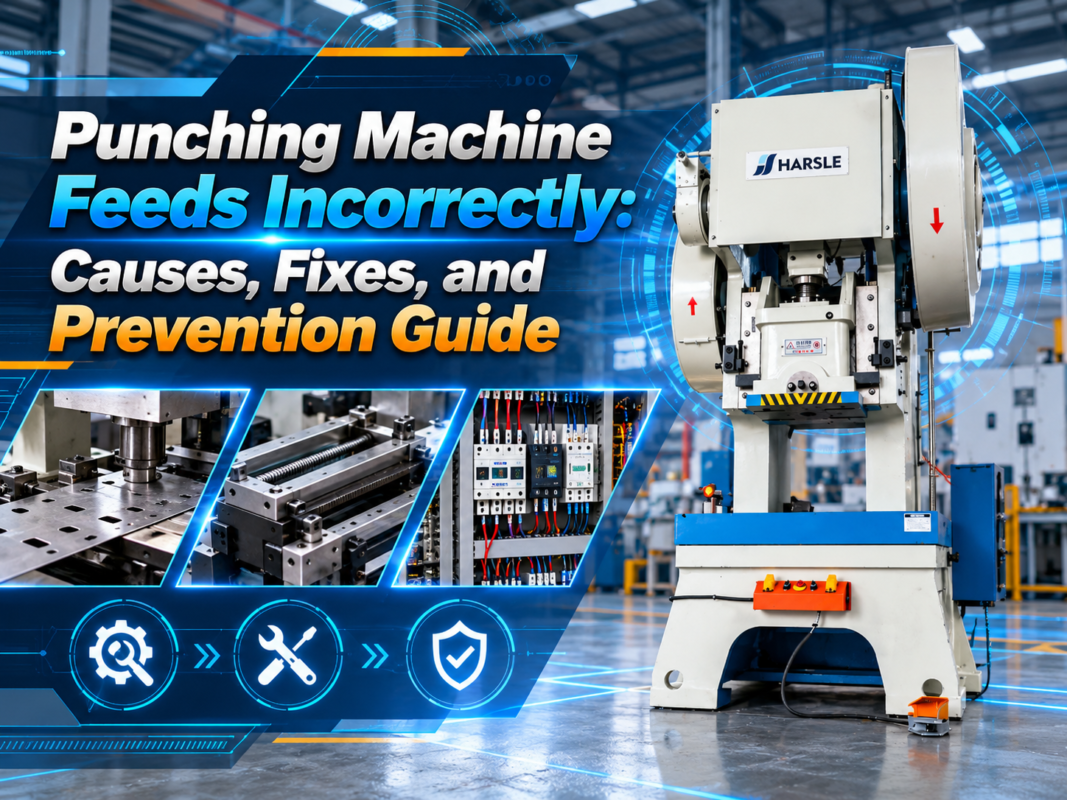
Positioning accuracy is achieved through high-precision ball screws and linear guides. These components ensure that the sheet is moved with micron-level precision under the punch head. When combined with an automatic sheet repositioning system, these machines can process sheets much larger than the working area of the table, allowing for the production of large-format parts without sacrificing accuracy or requiring manual intervention.
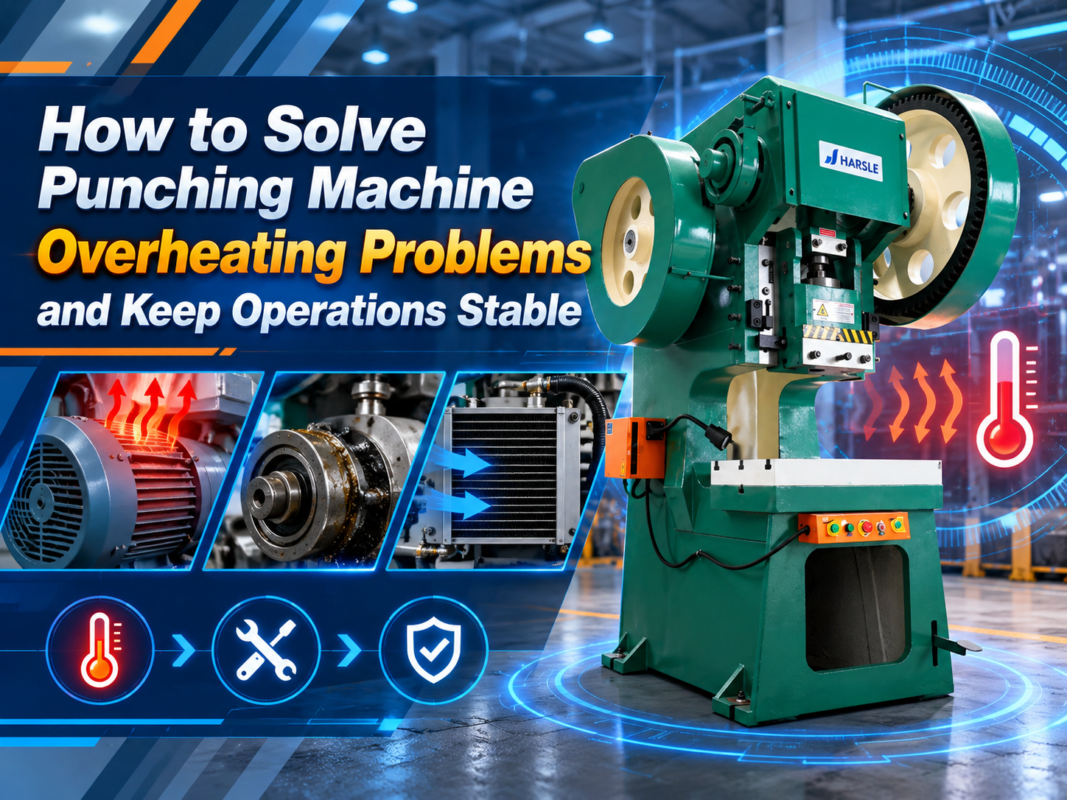
Advanced punching machines also incorporate sophisticated lubrication and cooling systems. These systems are designed to reduce friction between the punch and the guide, preventing galling and ensuring that the tool remains cool during high-speed operation. By maintaining optimal operating temperatures, the machine prevents thermal expansion, which is a common cause of dimensional inaccuracies in long-run production cycles.
Selection Advice for Fabricators
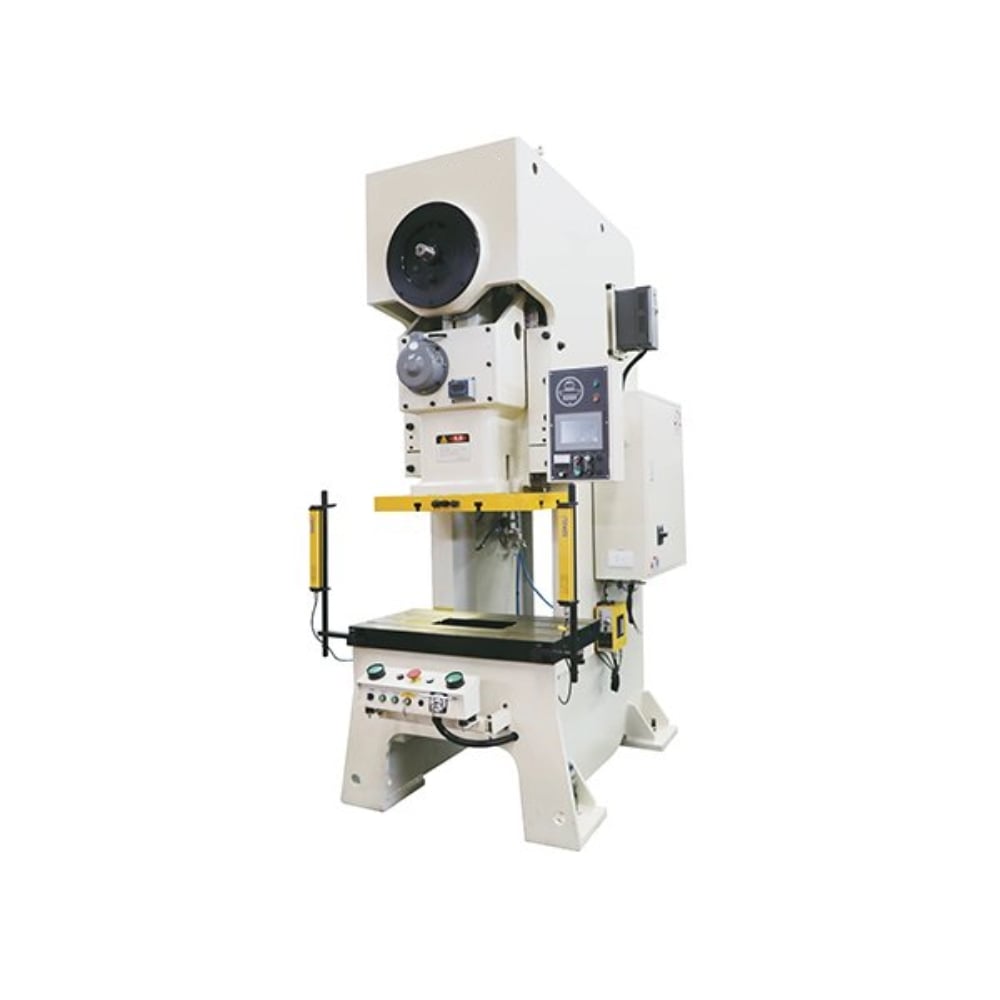
Selecting the right punching machine requires a clear understanding of your production volume and the complexity of your parts. For high-volume production, a machine with an automatic tool changer and high-speed indexing is essential. These features minimize downtime and maximize the number of parts produced per hour. If your production involves high-mix, low-volume work, prioritize a machine with a large turret capacity and user-friendly software that allows for rapid job changeovers.
Consider the tonnage requirements of your typical projects. While a 30-ton machine is sufficient for most standard sheet metal applications, heavier gauge materials or complex forming operations may require higher tonnage. It is always better to have a slight surplus of capacity than to push a machine to its limits, as operating at maximum capacity consistently can lead to increased maintenance costs and reduced machine lifespan.
Evaluate the software ecosystem of the manufacturer. HARSLE provides comprehensive support for CAD/CAM integration, ensuring that your design files translate seamlessly into machine code. Look for features like automatic nesting, tool path optimization, and real-time machine monitoring. These digital tools are just as important as the physical hardware when it comes to achieving precision and efficiency in a modern factory.
Finally, consider the after-sales support and availability of spare parts. A punching machine is a long-term asset. Partnering with a manufacturer that offers robust technical support, training for your operators, and a reliable supply chain for consumables ensures that your production line remains operational. Always request a demonstration or a case study that mirrors your specific production needs before making a final purchasing decision.
Common Applications in Industry
- Automotive Industry: Production of brackets, chassis components, and heat shields requiring high repeatability.
- Electronics Enclosures: Creating precise ventilation patterns, mounting holes, and grounding points for server racks and control panels.
- HVAC Systems: Fabrication of ductwork components, filter frames, and complex airflow panels.
- Furniture Manufacturing: Punching decorative patterns and structural joints in metal office furniture and shelving units.
- Aerospace Components: High-precision, lightweight parts that require strict adherence to material integrity and dimensional tolerances.
Frequently Asked Questions (FAQ)
What is the main advantage of using a CNC punching machine over a laser cutter?
While laser cutters are excellent for complex contours, CNC punching machines are significantly faster for creating repetitive holes and standard shapes. Additionally, punching machines can perform forming operations like louvers and embossing, which laser cutters cannot do.
How often should I perform maintenance on my punching machine?
Daily maintenance should include cleaning the turret and checking lubrication levels. Weekly checks should focus on tool condition and hydraulic fluid levels. A comprehensive professional service should be scheduled at least annually to ensure long-term precision.
Can a punching machine handle stainless steel?
Yes, but it requires specific tooling and higher tonnage compared to mild steel. It is important to use the correct punch-to-die clearance to prevent work hardening and ensure a clean edge.
What software is required to run a HARSLE punching machine?
HARSLE machines are compatible with industry-standard CAD/CAM software that supports G-code generation. We provide specific post-processors to ensure seamless integration with your existing design workflow.
Conclusion
Sheet metal punching machine applications for precision parts production remain a cornerstone of industrial manufacturing. By leveraging the speed, versatility, and accuracy of modern CNC punching technology, fabricators can produce high-quality components that meet the rigorous demands of today’s market. From selecting the right tonnage to optimizing tool paths and maintaining equipment, every detail contributes to the success of your production line.
HARSLE is committed to providing the machinery and expertise necessary for your business to excel. By focusing on precision, efficiency, and reliability, our punching solutions empower manufacturers to push the boundaries of what is possible in metal fabrication. As you evaluate your equipment needs, remember that the right machine is a partner in your growth, enabling you to deliver superior products to your customers consistently.