How CNC Punching Machines Support Custom Metal Fabrication: A Comprehensive Guide


Introduction
In the rapidly evolving landscape of modern manufacturing, the ability to produce complex, high-precision components with speed and repeatability is the hallmark of a successful fabrication shop. As industries demand increasingly intricate designs and shorter lead times, the role of advanced technology becomes paramount. This is where CNC punching machines support custom metal fabrication, serving as the backbone for shops that prioritize versatility and precision.
HARSLE has long been at the forefront of providing industrial solutions that empower fabricators to push the boundaries of what is possible. A CNC punching machine is not merely a tool for creating holes; it is a sophisticated, computer-controlled system capable of forming, embossing, louvring, and cutting complex geometries from sheet metal. By integrating these machines into a production workflow, fabricators can transition from prototype to mass production with unparalleled ease.
The shift toward custom fabrication requires equipment that can adapt to varying material thicknesses, complex patterns, and unique customer specifications. Unlike traditional manual methods, CNC technology ensures that every piece produced is identical to the last, minimizing waste and maximizing material utilization. This article explores the technical nuances, operational advantages, and strategic importance of utilizing CNC punching technology in a custom fabrication environment.
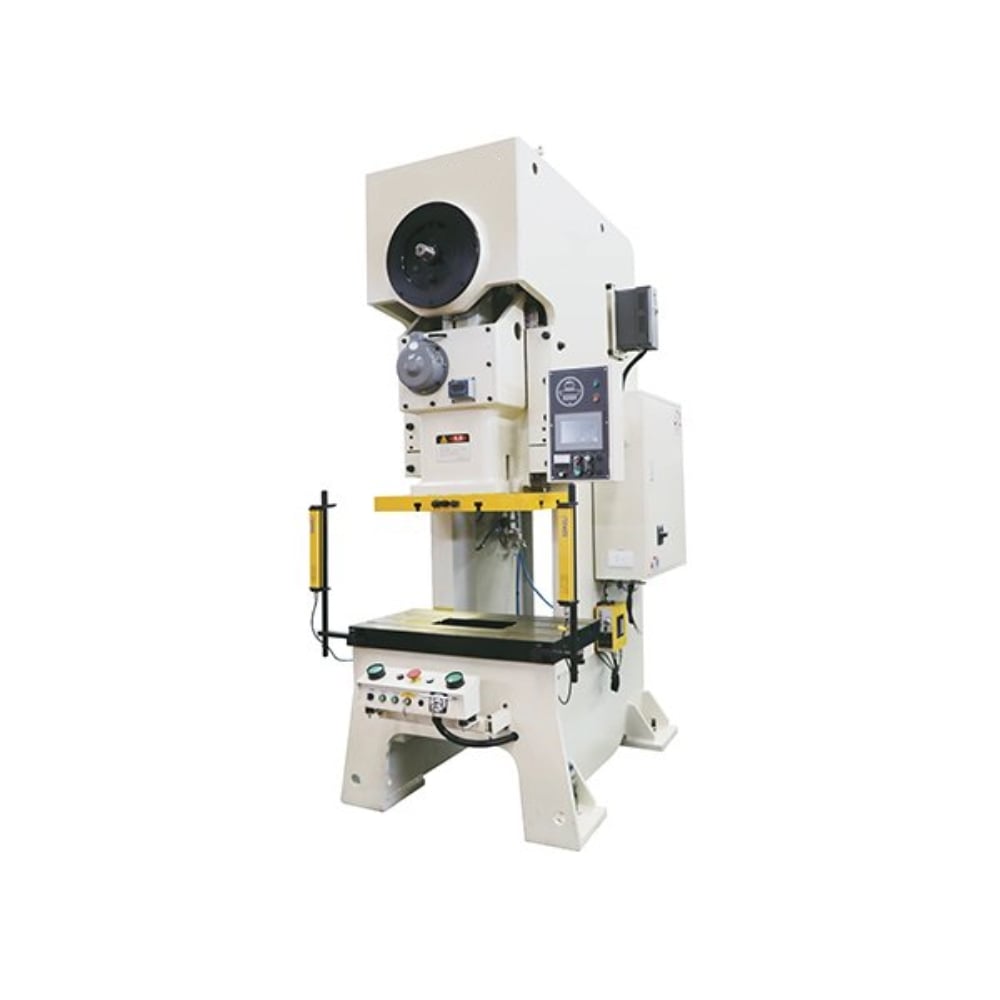
Key Considerations for Custom Metal Fabrication
When a shop decides to invest in or upgrade its punching capabilities, several key considerations must be addressed to ensure the equipment aligns with business goals. Custom fabrication is inherently unpredictable; therefore, the machinery must be flexible enough to handle a wide range of jobs, from small-batch prototypes to large-scale production runs.
Material versatility is the first major consideration. Custom fabricators often work with a variety of metals, including mild steel, stainless steel, aluminum, and copper. A high-quality CNC punching machine must be able to handle these materials without excessive tool wear or deformation. The machine’s tonnage capacity, typically ranging from 20 to 50 tons, determines the thickness of the material it can process effectively.
Another critical factor is the turret configuration. The turret holds the punching tools and determines how many different shapes and sizes can be produced without manual intervention. For custom shops, a turret with a high number of stations—including auto-index stations—is essential. Auto-index stations allow the machine to rotate tools to any angle, enabling the creation of complex shapes and patterns that would otherwise require expensive, custom-made dies.
Software integration is the final pillar of a successful fabrication strategy. Modern CNC punching machines rely on advanced CAD/CAM software to translate digital designs into machine code. This software must be compatible with the shop’s existing design tools to ensure a seamless workflow from the initial concept to the finished part. Efficient nesting software, which optimizes the layout of parts on a sheet of metal, is also vital for reducing scrap and lowering material costs.
Technical Details of CNC Punching Systems
To understand how CNC punching machines support custom metal fabrication, one must look at the mechanical and electronic components that drive these systems. At the heart of the machine is the hydraulic or servo-electric ram, which delivers the force required to punch through the metal. Servo-electric systems, in particular, have gained popularity due to their energy efficiency, lower maintenance requirements, and superior control over the punching stroke.
The punching process involves a punch and a die. The punch is mounted in the upper turret, while the die is mounted in the lower turret. When the ram descends, the punch forces the metal into the die, creating a clean hole or shape. In a CNC environment, the X and Y axes of the machine move the sheet metal with extreme precision, positioning it under the punch in milliseconds. This rapid movement is what allows for high-speed production cycles.
Tooling management is a sophisticated aspect of CNC punching. Modern machines often feature quick-change tooling systems that allow operators to swap out punches and dies in seconds. This is crucial for custom fabrication, where job changeovers occur frequently throughout the day. By minimizing downtime, shops can maintain a high throughput even when handling a high mix of low-volume orders.
Furthermore, many CNC punching machines are equipped with advanced features such as forming capabilities. By using specialized tools, the machine can create louvers, bridge lances, countersinks, and embossments. This capability allows fabricators to add structural integrity or aesthetic features to a part during the punching process, eliminating the need for secondary operations and significantly reducing total production time.
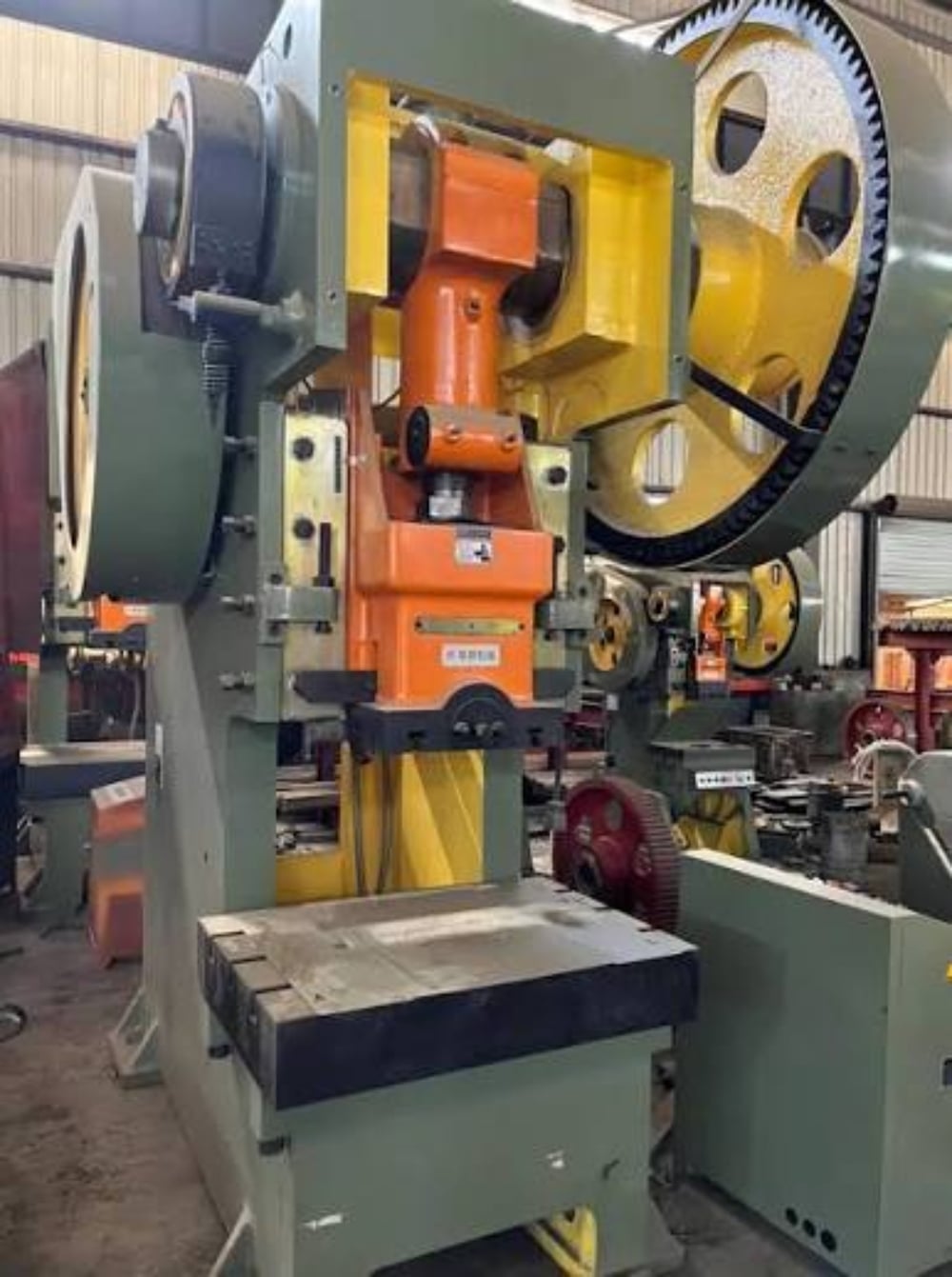
Selection Advice for Fabricators
Choosing the right CNC punching machine is a significant capital investment that requires careful planning. Fabricators should start by analyzing their current product mix and projecting future growth. If the shop primarily produces thin-gauge electrical enclosures, a high-speed, lower-tonnage machine might be ideal. Conversely, if the shop handles heavy-duty structural components, a more robust, high-tonnage machine is necessary.
Consider the footprint of the machine in relation to the shop floor. While larger machines offer more turret stations and larger sheet capacity, they also require more space. It is important to balance the need for capacity with the physical constraints of the facility. Additionally, consider the automation options available. Loading and unloading systems can transform a standalone machine into a 24/7 production cell, drastically increasing output without requiring additional labor.
Maintenance support is another vital selection criterion. A machine is only as good as the support provided by the manufacturer. Look for suppliers like HARSLE that offer comprehensive training, readily available spare parts, and responsive technical support. Regular maintenance, such as lubricating the turret, checking hydraulic fluid levels, and sharpening tools, is essential to prolonging the life of the machine and ensuring consistent performance.
Finally, evaluate the total cost of ownership. This includes not just the purchase price, but also energy consumption, tooling costs, and maintenance expenses. A machine that is slightly more expensive upfront but offers better energy efficiency and longer tool life will often prove to be more cost-effective over the long term. Always request a demonstration or a test run of your specific material to verify the machine’s performance before finalizing the purchase.
FAQ: Understanding CNC Punching
What are the primary benefits of using a CNC punching machine over a laser cutter?
While laser cutters are excellent for complex contours, CNC punching machines are significantly faster for creating large numbers of holes, louvers, and forms. They are also more energy-efficient and can perform secondary forming operations that lasers cannot.
How often should I sharpen my punching tools?
Tool life depends on the material type, thickness, and the number of hits. As a general rule, tools should be inspected regularly for signs of wear, such as burrs on the finished part. Proactive sharpening prevents damage to the machine and ensures high-quality edges.
Can a CNC punching machine handle stainless steel?
Yes, but it requires specific tooling and higher tonnage. Stainless steel is harder than mild steel, so it is important to use high-quality, hardened tool steel and to ensure the machine is rated for the required force.
What is an auto-index station?
An auto-index station is a turret position that can rotate the tool to any angle. This allows the machine to punch shapes at various orientations without needing a different tool for each angle, greatly increasing flexibility.
Is it difficult to learn how to operate a CNC punching machine?
Modern CNC machines feature user-friendly interfaces and intuitive software. While there is a learning curve, most operators can become proficient with proper training and support from the manufacturer.
Conclusion
In the competitive world of custom metal fabrication, efficiency, precision, and versatility are the keys to success. CNC punching machines support custom metal fabrication by providing a robust, automated, and highly adaptable solution for a wide range of manufacturing challenges. From the ability to perform complex forming operations to the speed of high-volume hole production, these machines are indispensable assets for any modern fabrication shop.
By carefully considering factors such as turret configuration, material capacity, software integration, and long-term maintenance, fabricators can select the right equipment to meet their specific needs. HARSLE remains committed to providing the industry with the technology and support necessary to excel in this demanding field. Investing in the right CNC punching technology is not just about buying a machine; it is about investing in the future of your business and ensuring that you can meet the evolving demands of your customers with confidence and precision.
As technology continues to advance, the integration of smart features and automation will only further enhance the capabilities of CNC punching machines. Staying informed and choosing reliable partners will ensure that your shop remains at the cutting edge of the metal fabrication industry for years to come.