
Laser Cutting Machine Case Study: Lowering Scrap Rates and Improving Part Accuracy in Mass Production


Wstęp
In the competitive landscape of modern metal fabrication, the margin for error is razor-thin. Manufacturers are constantly seeking ways to optimize their production lines, reduce material waste, and ensure that every part produced meets stringent quality standards. This Laser Cutting Machine Case Study: Lowering Scrap Rates Improving Part Accuracy In Mass Production highlights how HARSLE’s advanced fiber laser technology transforms high-volume manufacturing environments. By transitioning from legacy cutting methods to precision-engineered fiber lasers, companies can achieve unprecedented levels of consistency and profitability.
The primary challenge for many fabrication shops is the balance between speed and precision. In mass production, even a slight deviation in cut quality can lead to thousands of dollars in wasted raw materials and labor costs. This article explores the technical nuances of how modern laser systems mitigate these risks. We will examine the integration of automated material handling, advanced software optimization, and the mechanical stability required to maintain tight tolerances over long production runs.
HARSLE has consistently pushed the boundaries of what is possible in sheet metal processing. By focusing on the synergy between the laser source, the motion control system, and the cutting head, our machines provide a holistic solution to common manufacturing bottlenecks. Whether you are dealing with thin-gauge stainless steel or thick carbon plates, the principles of scrap reduction remain the same: precision, repeatability, and intelligent monitoring.
As we delve into this case study, we will look at real-world scenarios where HARSLE equipment replaced outdated plasma or mechanical cutting systems. The results consistently show a drastic reduction in scrap rates and a significant improvement in part accuracy. This guide serves as a roadmap for plant managers and engineers looking to modernize their facilities and gain a competitive edge in the global market.
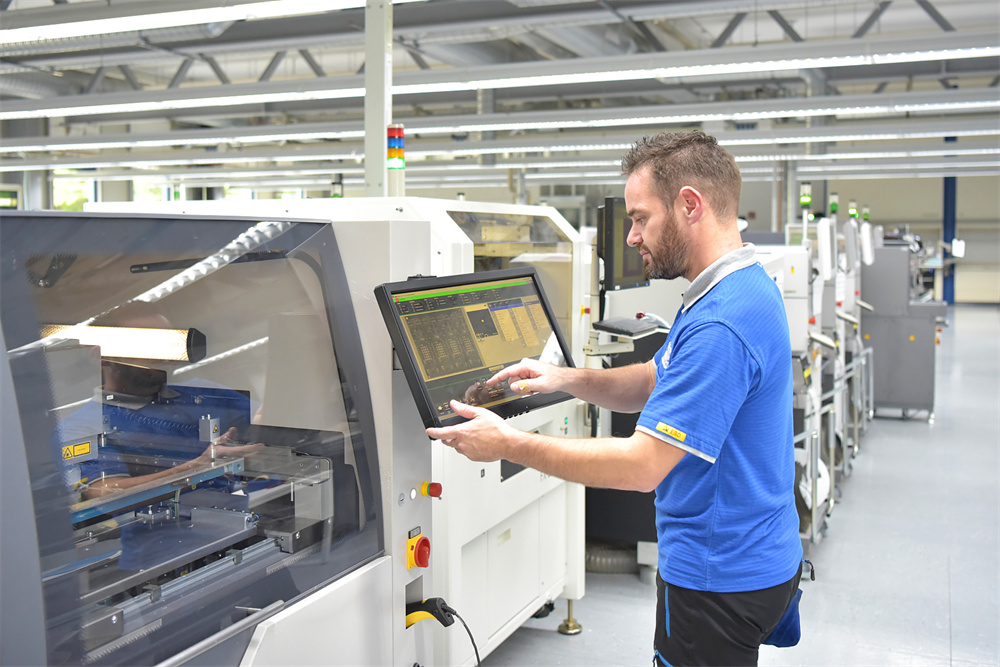
Key Considerations for Mass Production Efficiency
When evaluating a Laser Cutting Machine Case Study: Lowering Scrap Rates Improving Part Accuracy In Mass Production, the first factor to consider is the material utilization rate. In mass production, the cost of raw material often accounts for the largest portion of the total production cost. Efficient nesting software is essential here. By utilizing advanced algorithms, HARSLE machines can arrange parts in a way that minimizes the gap between components, effectively turning scrap into usable material.
Another critical consideration is the thermal impact on the material. Traditional cutting methods often introduce excessive heat, leading to warping or the creation of a large heat-affected zone (HAZ). This distortion can render parts unusable, forcing them into the scrap bin. Fiber laser technology, by contrast, delivers a highly concentrated beam that cuts quickly and cleanly, significantly reducing the HAZ and ensuring that parts remain flat and within tolerance.
The stability of the machine frame is equally important. During high-speed mass production, the rapid acceleration and deceleration of the cutting head can induce vibrations. If the machine bed is not sufficiently rigid, these vibrations will manifest as ripples or inaccuracies in the cut edge. HARSLE utilizes heavy-duty, stress-relieved steel frames designed to dampen these vibrations, ensuring that the laser remains perfectly focused throughout the entire cutting cycle.
Finally, the human element cannot be ignored. Even the best machine requires proper operation and maintenance. Training staff to understand the relationship between gas pressure, nozzle size, and cutting speed is vital. When operators are empowered with the right knowledge, they can fine-tune the machine for specific materials, further reducing the likelihood of errors and scrap. HARSLE provides comprehensive training programs to ensure that your team can extract the maximum value from your investment.
Technical Details: How Fiber Lasers Improve Accuracy
The core of the improvement in part accuracy lies in the fiber laser source itself. Unlike CO2 lasers, which rely on complex mirror systems that require frequent alignment, fiber lasers deliver the beam through a flexible fiber optic cable. This design eliminates the need for beam path maintenance and ensures that the laser power remains consistent from the first part to the millionth part. This consistency is the cornerstone of high-accuracy mass production.
The cutting head technology has also seen massive advancements. Modern HARSLE laser cutting machines feature auto-focusing heads that adjust the focal point in real-time based on the material thickness and type. This dynamic adjustment is crucial for maintaining a clean, perpendicular edge. If the focal point is even slightly off, the cut quality degrades, leading to burrs or slag that require secondary finishing—a process that adds time and cost to the production cycle.
Motion control systems are the ‘brain’ of the laser cutting machine. HARSLE integrates high-precision servo motors and rack-and-pinion drives that offer micron-level accuracy. These systems are capable of handling complex geometries and intricate patterns without sacrificing speed. By synchronizing the laser power with the movement of the head, the machine ensures that corners are cut with the same precision as straight lines, preventing ‘burn-through’ or rounding at sharp angles.
Furthermore, the integration of intelligent sensors allows for real-time monitoring of the cutting process. If the system detects a potential issue, such as a nozzle obstruction or a drop in assist gas pressure, it can automatically pause or adjust parameters to prevent the part from being ruined. This level of automation is what separates a standard machine from a high-performance production system designed for the rigors of modern industry.
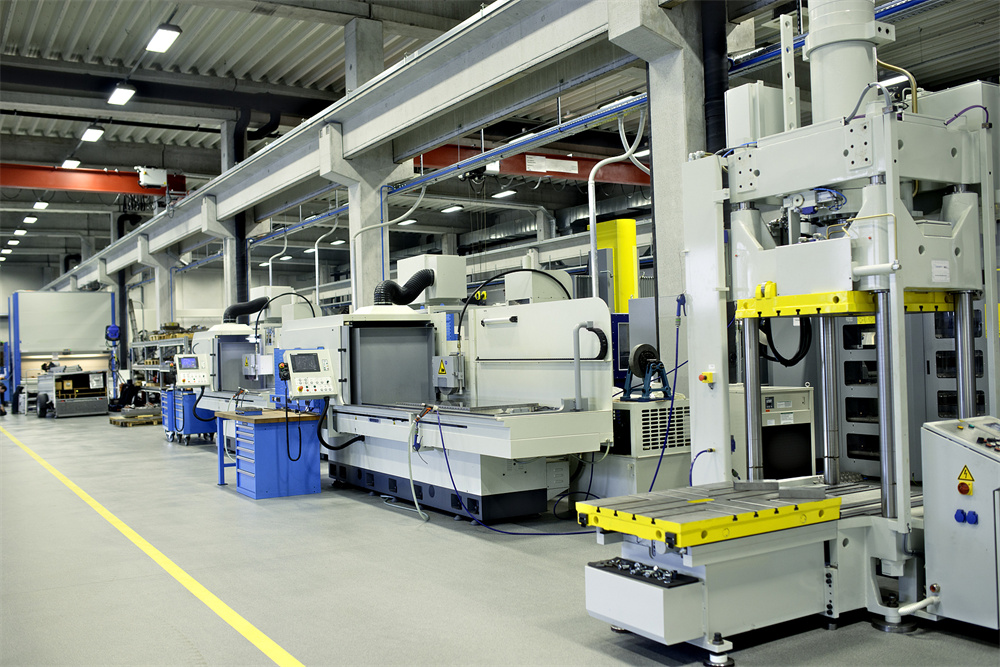
Selection Advice: Choosing the Right Equipment
Selecting the right laser cutting machine is a strategic decision that impacts your business for years. The first step is to define your production requirements. Are you cutting thin sheets for electronics, or thick plates for heavy machinery? The power output of the laser source—measured in kilowatts—should be matched to your material range. A 3kW laser might be perfect for thin gauge, but a 6kW or 12kW system will be necessary for high-speed, high-thickness production.
Consider the automation capabilities of the machine. For mass production, manual loading and unloading are major bottlenecks. HARSLE offers various automation solutions, including automatic pallet changers, loading/unloading robots, and tower storage systems. These features allow the machine to run unattended for long periods, significantly increasing throughput and reducing the labor cost per part.
Software compatibility is another vital factor. Your laser cutting machine should integrate seamlessly with your existing CAD/CAM workflow. The ability to import files directly, perform automatic nesting, and simulate the cutting path before the machine starts can save hours of setup time. HARSLE’s software suite is designed to be intuitive, allowing operators to quickly optimize cutting parameters for different materials and thicknesses.
Finally, look at the support and service infrastructure. A laser cutting machine is a significant investment, and downtime can be costly. Choose a manufacturer that offers local support, readily available spare parts, and remote diagnostic capabilities. HARSLE prides itself on its global service network, ensuring that our clients receive the technical assistance they need to keep their production lines running smoothly and efficiently.
FAQ: Common Questions About Laser Cutting
How does a laser cutting machine reduce scrap rates?
Laser cutting machines reduce scrap through high-precision beam control and advanced nesting software. By minimizing the kerf width (the amount of material removed by the laser) and optimizing the layout of parts on the sheet, manufacturers can fit more components onto a single sheet of metal, drastically reducing waste.
What is the role of assist gas in part accuracy?
Assist gas (such as nitrogen, oxygen, or compressed air) is used to blow molten metal out of the cut path. The correct gas pressure and purity are essential for achieving a clean, burr-free edge. Proper gas management prevents oxidation and ensures that the part dimensions remain within the specified tolerances.
How often should a laser cutting machine be calibrated?
While modern fiber lasers are highly stable, it is recommended to perform routine checks on the cutting head alignment and the motion system’s accuracy every few months, or more frequently if the machine is running 24/7. Regular maintenance schedules provided by HARSLE help ensure long-term accuracy.
Can a laser cutting machine handle reflective materials?
Yes, modern fiber laser machines are well-suited for reflective materials like aluminum, copper, and brass. Advanced beam delivery systems and specialized cutting parameters allow these machines to process reflective metals without damaging the laser source, a common issue with older laser technologies.
Wniosek
The Laser Cutting Machine Case Study: Lowering Scrap Rates Improving Part Accuracy In Mass Production demonstrates that achieving excellence in manufacturing is not just about the machine itself, but about the integration of technology, software, and operational expertise. By choosing a HARSLE laser cutting machine, manufacturers gain access to the precision and reliability required to thrive in today’s demanding market.
Reducing scrap rates is not merely an environmental goal; it is a fundamental business strategy that directly impacts your bottom line. By minimizing material waste and eliminating the need for secondary finishing, you can significantly lower your production costs while simultaneously increasing your output. The accuracy provided by our fiber laser systems ensures that your parts meet the highest quality standards, building trust with your customers and opening doors to new, high-value contracts.
As you look to the future of your fabrication facility, consider how HARSLE can partner with you to optimize your processes. From initial consultation and machine selection to installation and ongoing technical support, we are committed to your success. Invest in the right technology today, and experience the difference that precision engineering can make in your mass production operations.
For more information on our range of metal fabrication equipment, including fiber laser cutters, press brakes, and shearing machines, please contact the HARSLE team. We are ready to help you transform your production line and achieve the efficiency and accuracy you need to lead your industry.


