
Laser Cutting Machine Applications In Medical Device Manufacturing For High-Precision Parts


Introduction to Laser Cutting in the Medical Industry
The medical device manufacturing sector is one of the most demanding industries in the world, requiring absolute precision, sterility, and material integrity. As technology advances, the need for miniaturized, complex, and highly reliable components has skyrocketed. Laser cutting machine applications in medical device manufacturing for high-precision parts have become the gold standard for producing everything from cardiovascular stents to orthopedic implants and surgical instruments. HARSLE provides advanced fiber laser solutions that meet these stringent requirements, ensuring that every cut is clean, burr-free, and dimensionally accurate.
In the past, traditional machining methods like mechanical stamping or milling often struggled with the delicate geometries required for modern medical devices. These methods frequently introduced mechanical stress or heat-affected zones that could compromise the biocompatibility of the metal. Laser cutting, by contrast, utilizes a highly focused beam of light to vaporize material, allowing for intricate designs that were previously impossible to manufacture at scale. This shift has revolutionized the production of life-saving equipment.
HARSLE’s commitment to innovation in metal fabrication equipment ensures that manufacturers can achieve the tight tolerances required by international medical standards. Whether working with stainless steel, titanium, or specialized alloys, our laser systems provide the repeatability necessary for mass production without sacrificing the quality of individual components. This article explores the technical nuances, selection criteria, and strategic advantages of integrating laser technology into medical device production lines.
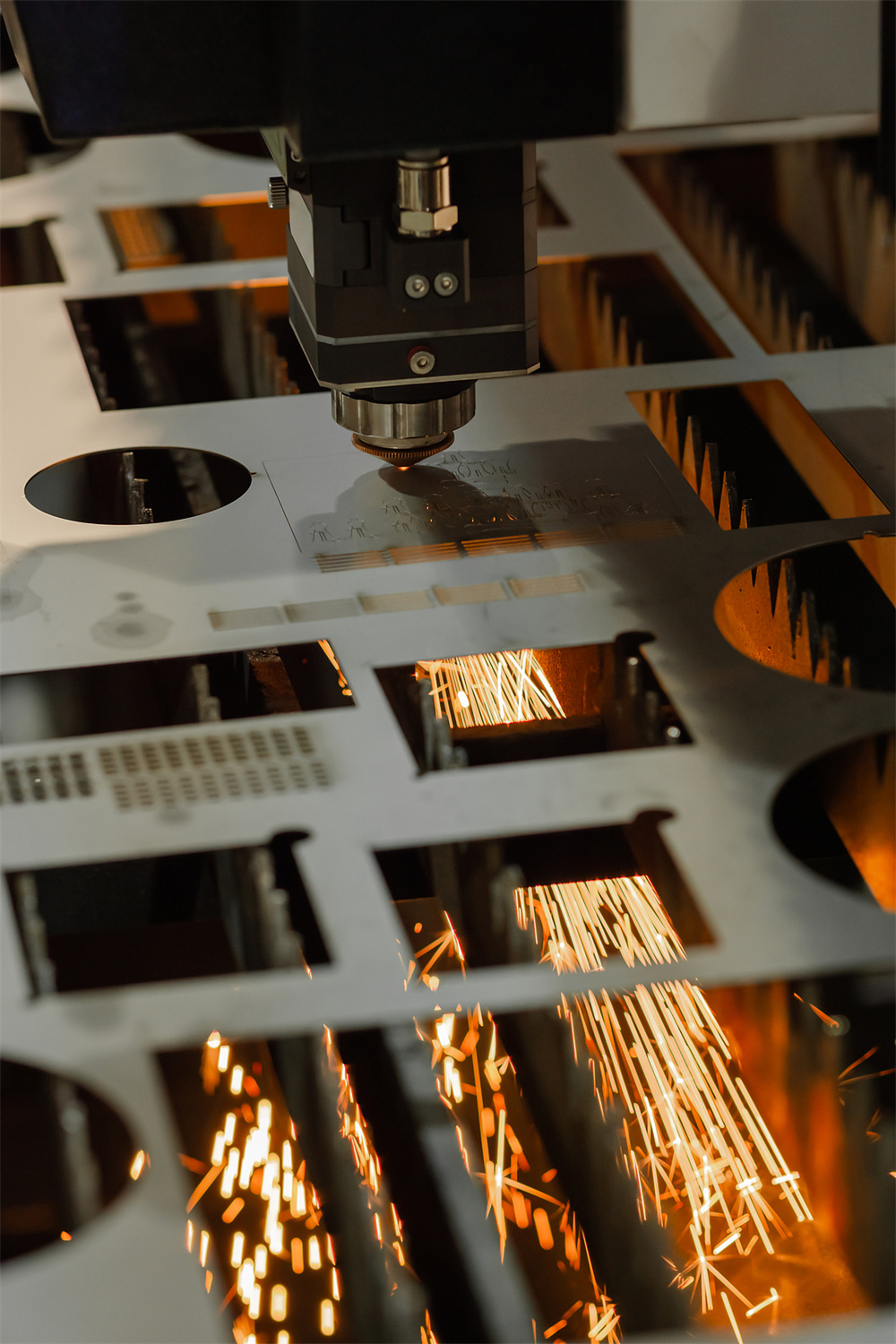
Key Considerations for Medical Device Manufacturing
When selecting a laser cutting machine for medical applications, the primary concern is the integrity of the material. Medical devices are often implanted into the human body or used in invasive procedures, meaning that any contamination or structural flaw can have catastrophic consequences. The heat-affected zone (HAZ) must be kept to an absolute minimum to prevent metallurgical changes that could lead to corrosion or fatigue failure in the final product.
Another critical consideration is the cleanliness of the production environment. Medical manufacturing often takes place in cleanroom settings or controlled environments. HARSLE laser cutting machines are designed with advanced filtration and dust extraction systems to ensure that no debris or metallic particles contaminate the workspace. This focus on cleanliness is essential for meeting FDA and ISO 13485 standards, which govern the quality management systems for medical devices.
Repeatability is the third pillar of medical manufacturing. Because medical devices are produced in large batches, the machine must perform identically from the first piece to the ten-thousandth. HARSLE’s CNC control systems offer high-speed processing and precise motion control, ensuring that every part meets the exact specifications of the CAD design. This consistency reduces waste, lowers production costs, and ensures that every device is safe for patient use.
Finally, material versatility is essential. Medical devices are crafted from a wide array of materials, including 316L stainless steel, Nitinol (a nickel-titanium alloy used in stents), and medical-grade titanium. Each of these materials reacts differently to laser energy. A high-quality laser cutting machine must offer adjustable parameters such as pulse frequency, power output, and gas pressure to accommodate these diverse material properties effectively.
Technical Details of High-Precision Laser Systems
The core of modern laser cutting machine applications in medical device manufacturing high-precision parts lies in fiber laser technology. Fiber lasers offer a superior beam quality compared to traditional CO2 lasers, resulting in a smaller spot size and higher power density. This allows for the cutting of extremely thin materials with minimal kerf width, which is vital for the intricate patterns found in vascular stents or micro-surgical tools.
HARSLE’s fiber laser systems utilize advanced optical components to maintain beam stability over long operating hours. The integration of high-precision linear motors and feedback loops ensures that the cutting head follows the programmed path with micron-level accuracy. This level of control is necessary when dealing with parts that have complex geometries, such as bone saws, biopsy needles, and endoscopic components.
Gas assist systems play a crucial role in the quality of the cut. In medical manufacturing, inert gases like argon or nitrogen are typically used to prevent oxidation during the cutting process. By using high-pressure gas to blow away molten material, the laser creates a clean edge that requires little to no secondary finishing. This is a significant advantage, as secondary processes like grinding or polishing can introduce contaminants or alter the dimensions of the part.
Software integration is equally important. HARSLE machines are compatible with advanced CAD/CAM software that allows for nesting and path optimization. This not only maximizes material utilization—reducing the cost of expensive medical-grade alloys—but also ensures that the cutting sequence is optimized to prevent thermal buildup in sensitive areas of the part. The synergy between software and hardware is what defines the efficiency of a modern HARSLE laser system.
Selection Advice for Medical Manufacturers
Choosing the right laser cutting machine for medical device manufacturing requires a thorough assessment of your production needs. Start by identifying the range of materials and thicknesses you will be working with. If your primary focus is on micro-components, a machine with a high-precision fiber laser source and a small focal spot is non-negotiable. If you are producing larger surgical trays or housings, a machine with a larger bed size and higher power output might be more appropriate.
Consider the level of automation required. In high-volume medical manufacturing, automated loading and unloading systems can significantly increase throughput and reduce human error. HARSLE offers modular automation solutions that can be integrated into existing production lines, allowing for 24/7 operation with minimal supervision. This is particularly beneficial for manufacturers looking to scale their production without a proportional increase in labor costs.
Maintenance and support are also critical factors. Medical device manufacturers cannot afford extended downtime. When selecting a supplier, look for a partner that offers comprehensive training, readily available spare parts, and responsive technical support. HARSLE prides itself on providing robust after-sales service, ensuring that your equipment remains in peak condition and compliant with industry standards throughout its lifecycle.
Finally, evaluate the machine’s compliance features. Does the machine provide detailed logs of cutting parameters for each batch? This data is often required for regulatory audits. HARSLE’s control systems are designed with traceability in mind, allowing manufacturers to document the production history of every component, which is a key requirement for medical device certification.
FAQ: Laser Cutting in Medical Manufacturing
1. Why is fiber laser technology preferred for medical devices?
Fiber lasers provide a smaller beam diameter and higher energy density, which allows for extremely precise cuts on thin, delicate medical materials. They also offer higher energy efficiency and lower maintenance requirements compared to CO2 lasers.
2. How does laser cutting affect the biocompatibility of the metal?
By using inert assist gases and controlling the heat-affected zone, laser cutting prevents oxidation and material degradation. This ensures that the surface of the metal remains clean and suitable for medical use without needing extensive post-processing.
3. Can laser cutting machines handle complex geometries like stents?
Yes, modern fiber laser systems are capable of cutting intricate, microscopic patterns with high repeatability, making them ideal for the production of stents and other complex medical implants.
4. What maintenance is required for a medical-grade laser cutter?
Regular cleaning of the optical lens, checking the gas delivery system, and performing software calibration are essential. HARSLE provides a detailed maintenance guide to ensure your machine operates at peak performance.
5. Is it possible to integrate HARSLE machines into an existing cleanroom?
Yes, our machines can be configured with specialized dust extraction and filtration systems to meet the cleanliness standards required for medical device manufacturing environments.
Wniosek
The integration of advanced laser cutting technology is no longer an option but a necessity for manufacturers aiming to remain competitive in the medical device sector. Laser cutting machine applications in medical device manufacturing for high-precision parts offer the perfect balance of speed, accuracy, and material integrity. By choosing a reliable partner like HARSLE, manufacturers can ensure they have the tools necessary to produce safe, high-quality components that meet the rigorous demands of the healthcare industry.
As we look to the future, the trend toward smaller, more complex, and personalized medical devices will only continue to grow. Investing in high-precision metal fabrication equipment today positions your company to lead in this evolving market. With HARSLE’s commitment to quality and innovation, you can trust that your production line is equipped to handle the challenges of tomorrow, delivering excellence in every cut.


