Case Study: Reducing Labor Costs with a High-Speed Punching Machine in Fabrication


Introduction
In the competitive landscape of modern metal fabrication, the pressure to maintain high margins while meeting tight delivery schedules has never been greater. For many job shops and large-scale manufacturing facilities, labor costs represent one of the most significant overheads. When manual processes or outdated machinery dominate the shop floor, profitability inevitably suffers. This article explores a comprehensive Case Study: Reducing Labor Costs A High-Speed Punching Machine In Fabrication, illustrating how HARSLE technology serves as a catalyst for operational transformation.
The transition from traditional, labor-intensive punching methods to high-speed CNC automation is not merely a hardware upgrade; it is a fundamental shift in business strategy. By integrating advanced punching solutions, manufacturers can reallocate skilled labor to higher-value tasks, minimize human error, and drastically increase throughput. This case study examines a mid-sized metal fabrication firm that faced stagnating growth due to high labor expenses and inconsistent production quality.
As we delve into the technical and operational aspects of this transition, we will uncover how the implementation of a HARSLE high-speed punching machine allowed the facility to reduce its per-unit labor cost by nearly 40%. This improvement was not achieved through layoffs, but through the optimization of workflow, reduction of secondary operations, and the implementation of lights-out manufacturing capabilities.
Understanding the return on investment (ROI) for such equipment requires looking beyond the initial purchase price. We will analyze the hidden costs of manual labor, the impact of machine downtime, and the long-term benefits of precision engineering. Whether you are a shop owner or a production manager, this guide provides the insights necessary to evaluate your own fabrication processes.
Key Considerations for Labor Reduction
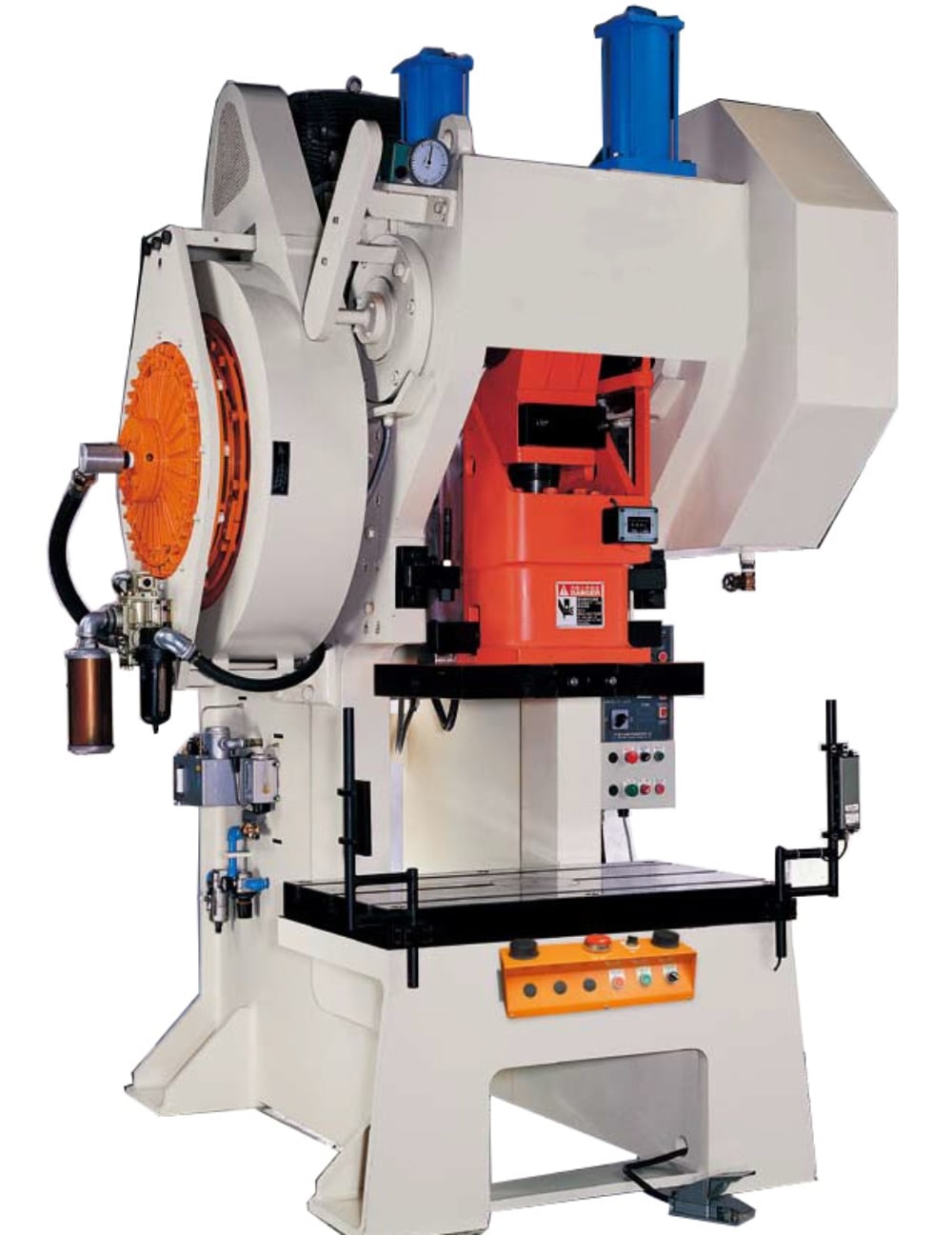
When analyzing the potential for labor cost reduction, the first step is to identify bottlenecks in the current production cycle. In many shops, the punching process is hindered by manual material handling, frequent tool changes, and the need for secondary deburring or finishing. A high-speed punching machine addresses these issues by automating the sequence of operations, thereby reducing the number of man-hours required for a single batch.
Another critical consideration is the skill gap in the manufacturing sector. Finding and retaining experienced operators for manual punching presses is increasingly difficult and expensive. By adopting a HARSLE high-speed punching machine, shops can utilize user-friendly CNC interfaces that allow operators to manage multiple machines simultaneously. This shift reduces the reliance on highly specialized manual labor and creates a more scalable production environment.
Material utilization is also a key factor in labor costs. Manual punching often results in significant scrap rates due to positioning errors or improper tool alignment. High-speed CNC punching machines utilize advanced nesting software to maximize material usage. When less material is wasted, the labor cost associated with handling, processing, and disposing of scrap metal is also reduced, leading to a leaner overall operation.
Finally, the consistency of output is a major labor-saving factor. When parts are produced with high precision, the need for quality control inspections and rework is minimized. In a manual environment, an operator might spend hours checking dimensions and correcting errors. With a high-speed punching machine, the repeatability of the process ensures that the first part is identical to the thousandth, allowing for automated quality checks and reduced oversight.
Technical Details of High-Speed Punching
The core of the Case Study: Reducing Labor Costs A High-Speed Punching Machine In Fabrication lies in the technical superiority of modern CNC systems. HARSLE punching machines are engineered with high-torque servo motors and rigid frames that allow for rapid acceleration and deceleration. This speed is not just about the number of hits per minute; it is about the efficiency of the entire cycle, including tool indexing and sheet movement.
Advanced tool management systems are a hallmark of these machines. Modern punching centers feature automatic tool changers that can hold dozens of different punches and dies. This eliminates the downtime associated with manual tool changes, which can take anywhere from 15 to 30 minutes on older equipment. By keeping the machine running continuously, the labor cost per part drops significantly as the machine utilizes its full capacity.
The integration of CAD/CAM software is another technical pillar. By importing design files directly into the machine controller, the programming time is reduced from hours to minutes. This digital workflow eliminates the need for manual layout and marking, which are labor-intensive and prone to human error. The software also optimizes the punching path, ensuring the shortest possible distance between hits, which further increases speed and reduces wear on the machine components.
Furthermore, the structural integrity of HARSLE machines ensures minimal vibration even at maximum speeds. This stability is crucial for maintaining tool life and part quality. When a machine operates with high precision, the need for secondary processes such as grinding or filing is virtually eliminated. This is a massive labor saver, as secondary finishing is often the most time-consuming and costly part of the fabrication process.
Selection Advice for Fabrication Equipment
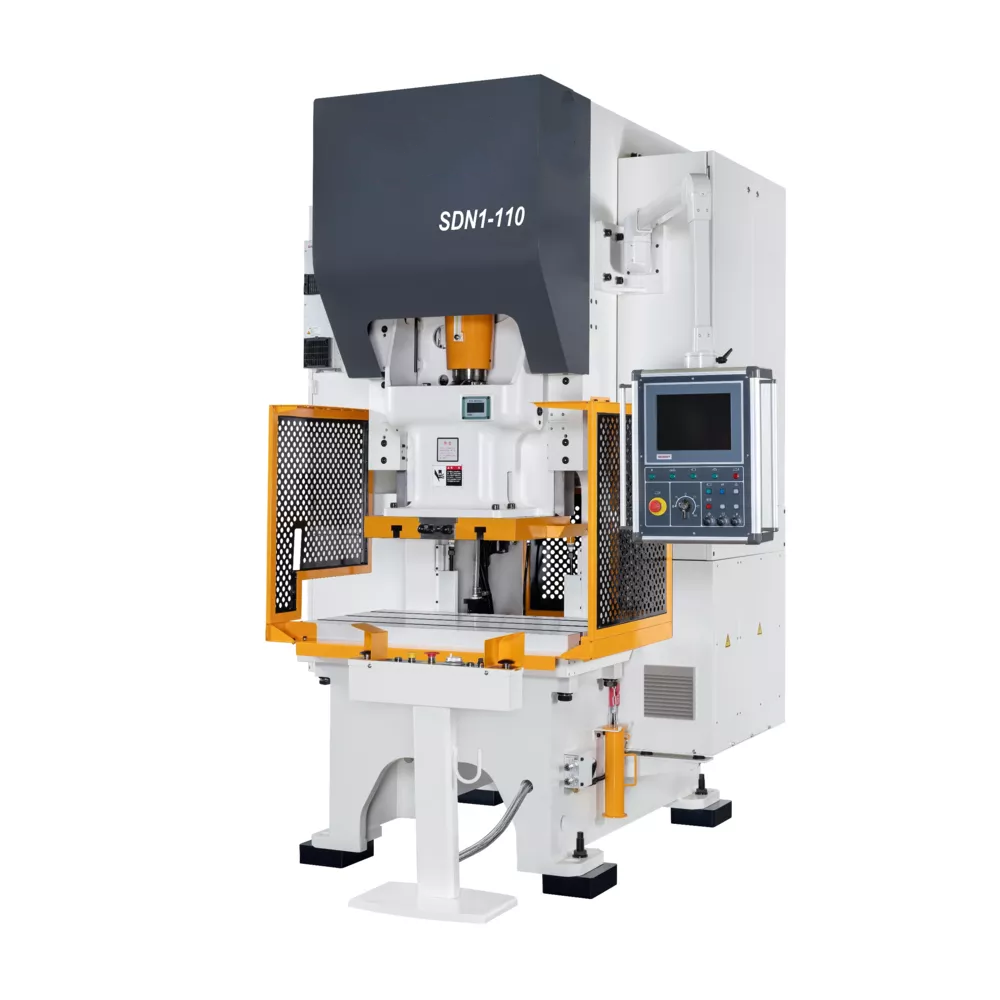
Choosing the right punching machine requires a thorough assessment of your specific production needs. Before investing, consider the range of material thicknesses and types you typically process. A machine that is overkill for your needs will result in unnecessary capital expenditure, while an underpowered machine will lead to maintenance issues and slow production speeds. Always prioritize machines that offer modularity, allowing you to upgrade or expand your tool capacity as your business grows.
Evaluate the software ecosystem of the manufacturer. A high-speed punching machine is only as good as the software that drives it. Look for systems that offer intuitive interfaces, robust simulation tools, and seamless integration with your existing ERP or CAD/CAM software. HARSLE provides comprehensive support and training, which is vital for ensuring that your team can maximize the machine’s potential from day one.
Consider the maintenance requirements and the availability of spare parts. Downtime is the enemy of profitability. A machine that is difficult to service or requires proprietary parts that are hard to source will negate any labor savings you achieve through speed. Opt for manufacturers with a strong local service presence and a reputation for reliability in the metal fabrication equipment market.
Finally, look at the total cost of ownership. This includes energy consumption, tool costs, and maintenance intervals. High-speed punching machines are often more energy-efficient than older hydraulic presses, contributing to lower utility bills. By calculating the expected labor savings against the total cost of ownership, you can make an informed decision that aligns with your long-term financial goals.
FAQ: Optimizing Your Punching Operations
- How does a high-speed punching machine reduce labor costs? It automates repetitive tasks, reduces the need for manual material handling, minimizes rework, and allows one operator to manage multiple machines.
- What is the typical ROI for a HARSLE punching machine? While it varies based on production volume, many shops see a return on investment within 18 to 24 months due to increased throughput and reduced labor overhead.
- Is specialized training required for operators? While the machines are sophisticated, HARSLE provides comprehensive training to ensure your staff can operate the CNC interface efficiently.
- Can these machines handle complex shapes? Yes, modern CNC punching machines are capable of intricate patterns and complex geometries that would be impossible or too slow to produce manually.
- How often does the machine require maintenance? Regular maintenance schedules are provided with the machine. Following these guidelines ensures longevity and prevents costly unexpected downtime.
Conclusion
The Case Study: Reducing Labor Costs A High-Speed Punching Machine In Fabrication demonstrates that the path to increased profitability is paved with automation and precision. By replacing manual, inefficient processes with HARSLE high-speed punching technology, manufacturers can transform their shop floors into high-output, low-waste environments. The reduction in labor costs is not merely a financial metric; it is a competitive advantage that allows companies to bid more aggressively on projects and deliver superior quality to their clients.
Investing in the right metal fabrication equipment is a long-term commitment to excellence. As the industry continues to evolve, the ability to produce parts faster, more accurately, and with less human intervention will define the leaders in the market. We encourage you to evaluate your current production bottlenecks and consider how a high-speed punching solution can help you achieve your business objectives.
At HARSLE, we are dedicated to providing the tools and support necessary for your success. Our range of punching machines is designed to meet the rigorous demands of modern fabrication, ensuring that you can reduce labor costs while maintaining the highest standards of quality. Contact our team today to discuss how we can help you optimize your production line and take your fabrication capabilities to the next level.