How to Diagnose Laser Cutting Machine Issues: Causes of Poor Cutting Quality and Solutions


How to Diagnose Laser Cutting Machine Issues: Causes of Poor Cutting Quality and Solutions
In the precision-driven world of metal fabrication, the fiber laser cutting machine stands as the backbone of productivity. However, even the most advanced HARSLE equipment can encounter performance degradation over time. When your production line faces inconsistent edges, dross buildup, or incomplete cuts, the ability to diagnose laser cutting machine issues becomes a critical skill for any operator or maintenance technician.
Understanding the root causes of poor cutting quality is not just about fixing a single part; it is about maintaining the integrity of your entire manufacturing process. This guide provides a deep dive into the technical aspects of laser performance, helping you identify whether the problem lies in your optical path, gas parameters, or mechanical calibration.
Key Considerations for Laser Cutting Performance
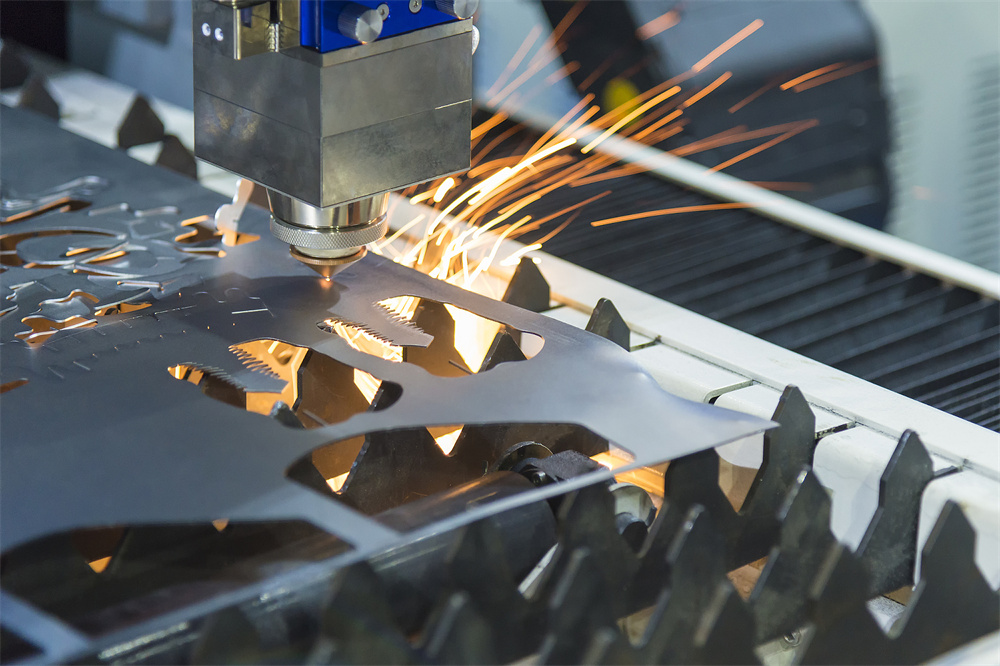
Before diving into complex repairs, it is essential to establish a baseline for your machine’s performance. The first step to diagnose laser cutting machine issues is to verify that the environment is stable. Fluctuations in power supply, ambient temperature, and humidity can significantly impact the stability of the laser beam. Ensure that your HARSLE machine is housed in a climate-controlled environment to prevent thermal expansion of mechanical components.
Secondly, consider the material quality. Impurities in the metal sheet, such as rust, scale, or inconsistent thickness, are frequent culprits for poor cut quality. Always inspect the raw material before loading it onto the bed. If the material is coated or painted, ensure that your laser parameters are adjusted to account for the additional layer, as this can cause reflective feedback or inconsistent absorption.
Thirdly, operator training plays a vital role. Many issues labeled as “machine failures” are actually parameter mismatches. Operators must be well-versed in the relationship between laser power, cutting speed, and gas pressure. A systematic approach to logging these parameters for different material thicknesses will help you identify patterns when quality begins to dip.
Finally, establish a rigorous preventive maintenance schedule. Dust and debris are the enemies of precision. Regularly cleaning the protective windows, checking the water chiller levels, and inspecting the nozzle condition are simple tasks that prevent major downtime. By keeping a detailed maintenance log, you can track the lifespan of consumables and predict when a part is likely to fail before it impacts your production quality.
Technical Details: Troubleshooting Cutting Defects
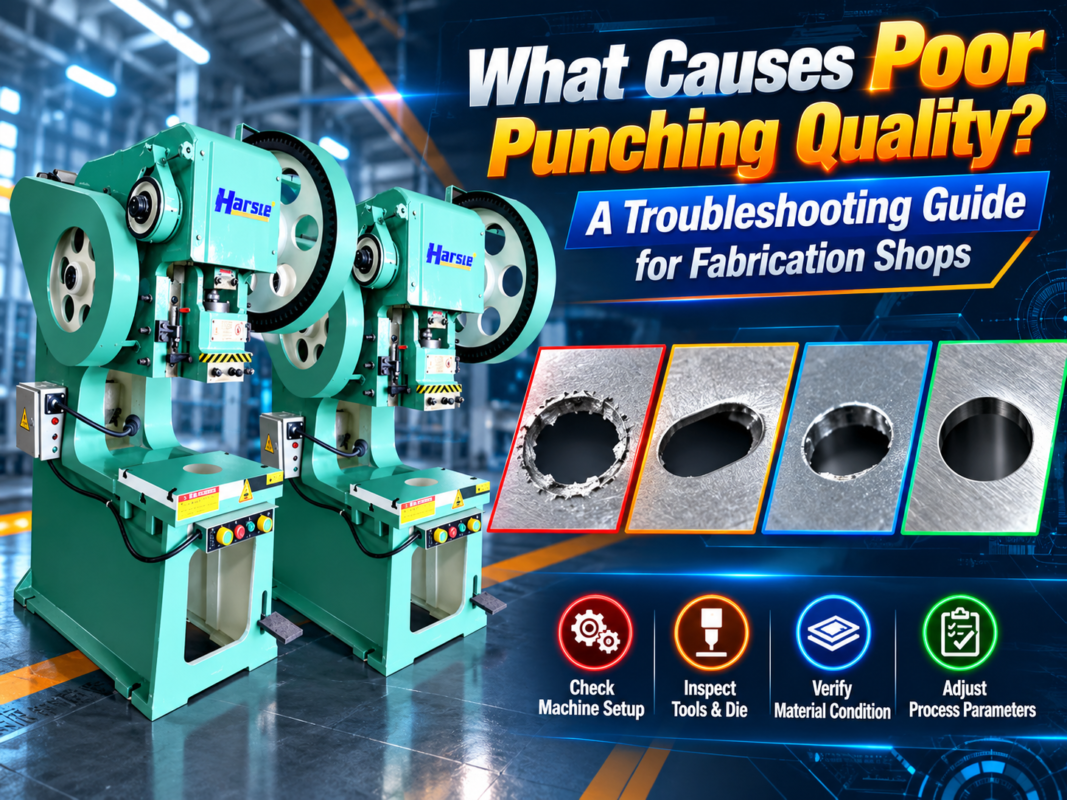
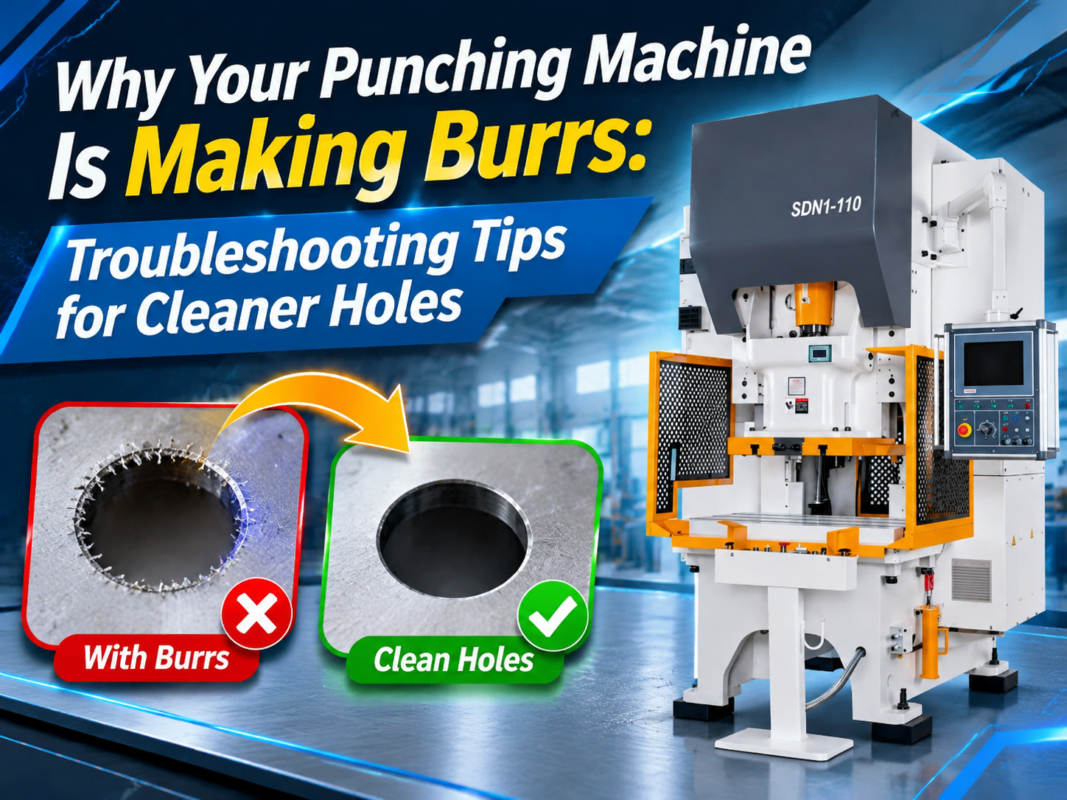
When you need to diagnose laser cutting machine issues, the most common symptom is the presence of dross—the solidified molten metal that clings to the bottom of the cut. Dross is usually caused by an imbalance between the laser power and the cutting speed. If the speed is too high, the laser does not have enough time to melt the material completely, leaving behind jagged edges. Conversely, if the speed is too low, the heat input becomes excessive, causing the material to melt beyond the kerf width.
Another technical factor is the focus position. The focal point of the laser beam must be precisely calibrated for the specific material thickness. If the focus is too high or too low, the beam intensity at the cutting point is reduced, leading to incomplete penetration. Use the machine’s auto-focus calibration tool regularly to ensure that the focal point remains consistent throughout the entire cutting process.
Gas pressure and purity are equally critical. For oxygen cutting, the purity of the gas must be high; even minor contamination can lead to oxidation issues and poor edge finish. For nitrogen cutting, the pressure must be sufficient to blow the molten metal out of the kerf. If the pressure is too low, the molten metal will re-solidify, creating a rough surface. Always check your gas lines for leaks and ensure that your filters are clean to maintain optimal flow rates.
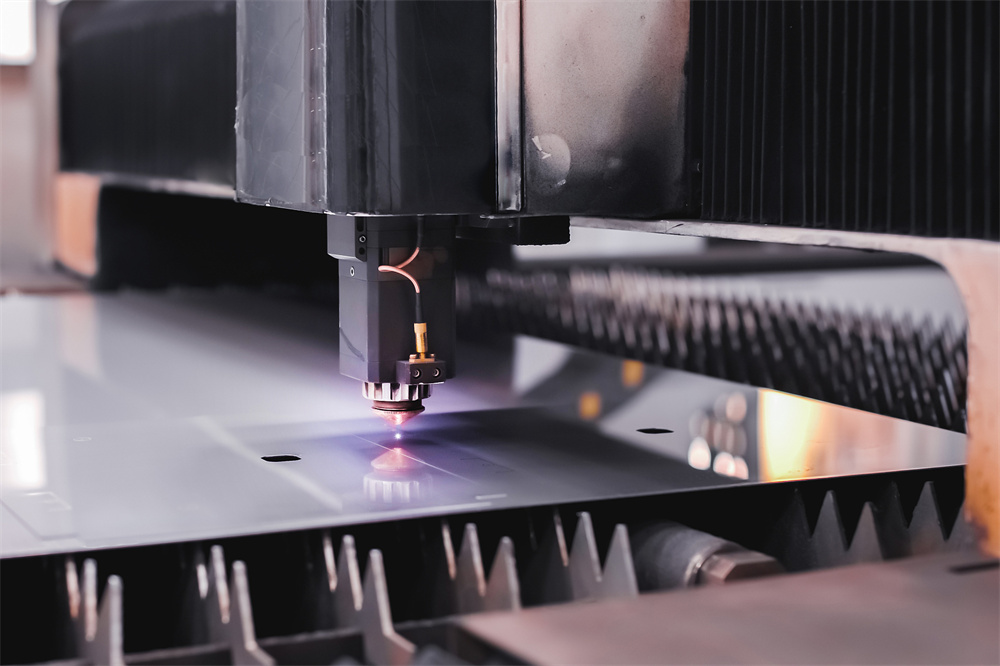
The condition of the nozzle and the lens is the final piece of the puzzle. A damaged or misaligned nozzle will distort the gas flow, leading to uneven cutting. Similarly, a dirty or pitted protective lens will scatter the laser beam, reducing the energy density at the workpiece. Inspect these components daily. If you notice any scratches or burn marks on the lens, replace it immediately to prevent further damage to the laser head.
Advanced Diagnostic Procedures
Beyond basic maintenance, operators should perform periodic beam alignment checks. Over time, vibrations or thermal shifts can cause the beam to drift from the center of the nozzle. A misaligned beam will strike the side of the nozzle, causing uneven heating and poor cut quality. Use a simple paper-burn test or a beam alignment tool to verify that the beam is perfectly centered.
Furthermore, check the chiller performance. The laser source and optics are highly sensitive to temperature. If the chiller is not maintaining the set temperature, the laser wavelength can shift, leading to inconsistent cutting performance. Ensure the coolant is clean and the flow rate is within the manufacturer’s specified range. A clogged filter in the chiller can lead to overheating, which triggers safety shutdowns or, worse, permanent damage to the laser module.
Electrical stability is another often overlooked factor. Voltage spikes or drops can cause the laser power to fluctuate during the cut. Installing a voltage stabilizer or an uninterruptible power supply (UPS) can protect the sensitive electronics of your HARSLE machine from grid instability, ensuring a consistent power output for every cut.
Selection Advice: Choosing the Right Equipment
When investing in a new laser cutting machine, the best way to avoid future diagnostic headaches is to choose a machine that offers robust diagnostic software and user-friendly interfaces. HARSLE machines are designed with integrated monitoring systems that alert operators to pressure drops, temperature spikes, or beam instability in real-time. This proactive approach allows you to address issues before they result in scrap parts.
Consider the power output requirements of your typical applications. If you primarily work with thick carbon steel, a higher-wattage laser will provide better stability and faster cutting speeds. However, if your work is focused on thin-gauge stainless steel or aluminum, a lower-wattage machine with high-precision motion control might be more appropriate. Matching the machine’s capabilities to your specific workload reduces the stress on components and extends the life of your consumables.
Look for machines that offer easy access to the optical path and the laser head. Maintenance should not be a complex, multi-day process. HARSLE emphasizes modular design, allowing technicians to quickly swap out lenses, nozzles, or sensors without requiring extensive downtime. This accessibility is a key factor in the total cost of ownership and the overall uptime of your fabrication shop.
Finally, prioritize manufacturer support. A laser cutting machine is a long-term investment. Ensure that your supplier provides comprehensive training, remote diagnostic support, and a reliable supply chain for spare parts. Having access to expert advice when you are trying to diagnose laser cutting machine issues can save you thousands of dollars in lost production time.
Frequently Asked Questions (FAQ)
Why is there excessive dross on the bottom of my cut?
Excessive dross is often caused by incorrect cutting speed or insufficient gas pressure. Try increasing the gas pressure or adjusting the cutting speed to ensure the molten metal is effectively blown out of the kerf. Also, check if the nozzle size is appropriate for the material thickness.
How often should I clean the protective lens?
The protective lens should be inspected daily. If you are working in a high-dust environment, you may need to clean it more frequently. Always use specialized lens cleaning paper and optical-grade cleaning fluid to avoid scratching the surface. Never touch the lens surface with bare fingers.
What causes the laser beam to lose its focus during a long cut?
This is often due to thermal expansion of the lens or the laser head assembly. Ensure your chiller is operating at the correct temperature and that the laser head is properly cooled. If the issue persists, check the focus lens for signs of heat damage or contamination.
Can I use standard shop air for laser cutting?
While some machines allow for shop air cutting, it must be extremely clean, dry, and oil-free. Any moisture or oil in the air line will contaminate the optics and ruin the cut quality. We recommend using a dedicated air compressor system with a high-efficiency dryer and filtration unit to prevent long-term damage to the laser head.
How do I know if my nozzle is damaged?
A damaged nozzle will show visible signs of wear, such as a deformed orifice or burn marks on the tip. If your cut quality is inconsistent or the gas flow seems turbulent, replace the nozzle immediately. A small nick in the nozzle can cause significant gas flow disruption, leading to poor edge quality.
What is the impact of gas purity on cutting?
Gas purity is paramount. For nitrogen cutting, 99.999% purity is often required to prevent oxidation. If the nitrogen is contaminated with oxygen, the cut edge will show discoloration or burning, which is unacceptable for high-precision applications.
Conclusion
To diagnose laser cutting machine issues effectively, you must combine technical knowledge with a systematic approach to maintenance. By monitoring your gas parameters, keeping your optics clean, and ensuring your machine is calibrated correctly, you can achieve consistent, high-quality results on every project. Remember that the longevity of your HARSLE equipment depends on the care you provide today. By following these guidelines, you can minimize downtime, reduce waste, and maximize the profitability of your metal fabrication operations. For further assistance or to explore our latest range of fiber laser cutting solutions, contact the HARSLE support team today. Consistent maintenance is the hallmark of a successful fabrication business.