How to Diagnose Press Brake Ram Alignment Issues for Better Bending Results


Introduction
In the high-precision world of metal fabrication, the press brake stands as the backbone of production. However, even the most advanced HARSLE machinery can experience performance degradation if the ram alignment is compromised. When you need to diagnose press brake ram alignment issues for better bending results, you are essentially performing a health check on your entire production line. Misalignment, even by a fraction of a millimeter, can lead to inconsistent bend angles, material waste, and premature tool wear.
Understanding the mechanics of your press brake is the first step toward achieving consistent quality. The ram, which houses the upper tool, must remain perfectly parallel to the bed throughout the entire stroke. If this parallelism is lost, the force distribution becomes uneven, leading to tapered bends or ‘canoe’ effects in long parts. This guide is designed to help operators and maintenance teams identify these issues early, ensuring that your shop floor maintains peak efficiency.
By focusing on how to diagnose press brake ram alignment issues for better bending results, you are investing in the longevity of your equipment. Whether you are working with thin-gauge aluminum or heavy-duty structural steel, the principles of alignment remain the same. We will explore the technical nuances of hydraulic synchronization, mechanical adjustments, and the diagnostic tools required to keep your HARSLE press brake operating at factory-standard precision.
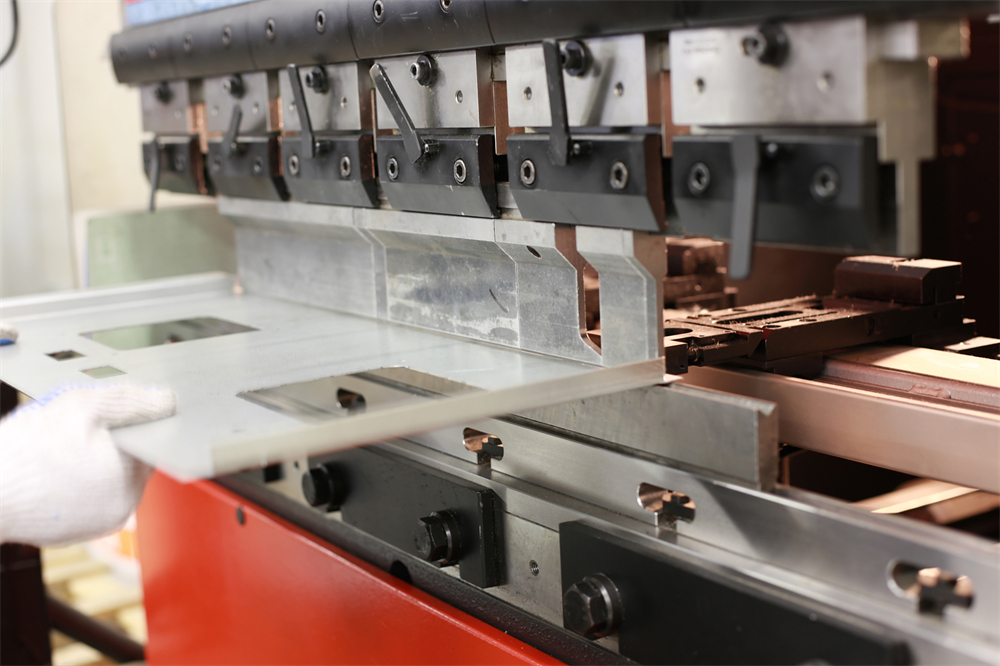
Key Considerations for Ram Alignment
Before diving into the diagnostic process, it is critical to understand the factors that influence ram alignment. The most common culprit is often environmental or operational stress. Over time, heavy-duty cycles can cause minor shifts in the hydraulic cylinders or the mechanical linkages that control the ram’s movement. Recognizing these signs early is the key to preventing costly downtime.
Another major consideration is the condition of your tooling. If your punch and die are worn unevenly, they can create the illusion of a ram alignment issue. Always ensure that your tooling is clean, free of debris, and properly seated before attempting to diagnose the machine itself. A simple cleaning routine can often resolve perceived alignment problems that are actually just surface-level issues.
Thermal expansion also plays a role in large-scale fabrication. If your shop experiences significant temperature fluctuations, the metal components of the press brake may expand or contract, affecting the parallelism of the ram. It is advisable to allow the machine to reach its operating temperature before performing any precision alignment checks or calibration procedures. This ensures that your measurements reflect the machine’s state during actual production.
Finally, consider the hydraulic system’s health. The synchronization of the Y1 and Y2 axes is controlled by sophisticated valves and sensors. If there is air in the hydraulic lines or if the proportional valves are sluggish, the ram may appear to be misaligned even if the mechanical structure is sound. Regular maintenance of the hydraulic fluid and filtration system is a prerequisite for accurate ram performance.
Technical Details: How to Diagnose Press Brake Ram Alignment Issues
To effectively diagnose press brake ram alignment issues for better bending results, you must employ a systematic approach. Start by performing a ‘test bend’ on a scrap piece of material that matches your standard production thickness. Measure the bend angle at both the left and right ends of the workpiece using a high-quality digital protractor. If the angles differ, you have a clear indication of a parallelism issue.
Next, utilize a dial indicator to measure the ram’s position relative to the bed at multiple points along the length of the machine. Move the ram to a mid-stroke position and lock it. Place the dial indicator on the bed and sweep it across the bottom surface of the ram. Any deviation in the reading indicates a mechanical tilt or twist that needs to be addressed through the machine’s control system or mechanical adjustment bolts.
Check the Y1 and Y2 axis synchronization through the CNC controller. Most modern HARSLE press brakes allow you to view the real-time position of both cylinders. If the controller shows a discrepancy between the two axes while the ram is under load, you may need to recalibrate the encoder feedback loop. This is a software-driven process that ensures the hydraulic valves are responding correctly to the controller’s commands.
Examine the mechanical linkages and the ram guides. Over time, the slide guides can accumulate debris or lose lubrication, causing the ram to ‘stick’ or move unevenly. Ensure that the lubrication system is functioning correctly and that the guides are free from scoring. If you notice excessive play in the ram guides, it may be time to adjust the gibs to restore the necessary tension for smooth, vertical movement. Furthermore, inspect the hydraulic oil temperature; if the oil is too cold, viscosity changes can cause the proportional valves to react inconsistently, leading to temporary alignment errors during the first few cycles of the morning shift.

Advanced Diagnostic Procedures and Troubleshooting
Beyond basic parallelism checks, advanced diagnostics involve analyzing the ‘bottoming’ phase of the bend. If the ram is parallel at the top but loses alignment at the bottom of the stroke, the issue likely lies within the hydraulic cylinder seals or the internal pressure compensation system. In such cases, checking the pressure differential between the Y1 and Y2 circuits is essential. A significant pressure drop in one cylinder suggests an internal leak or a faulty valve solenoid.
Another critical area is the bed deflection compensation system, often referred to as the crowning system. If your machine is equipped with a motorized crowning table, ensure that the compensation curve is correctly mapped in the CNC controller. Sometimes, the ram is perfectly aligned, but the bed is bowing under load, which mimics a ram alignment issue. By isolating the crowning system, you can determine if the error is in the ram’s vertical travel or the bed’s structural response to tonnage.
For shops handling high-mix, low-volume production, consider using a laser alignment tool. These tools project a beam across the length of the bed, allowing you to detect micro-deviations in the ram’s path that a standard dial indicator might miss. This level of precision is particularly important when working with aerospace or medical-grade components where tolerances are measured in microns rather than millimeters.
Selection Advice for Maintaining Precision
When selecting a press brake, prioritize models that feature advanced crowning systems and robust Y1/Y2 synchronization. HARSLE machines are engineered with high-rigidity frames that minimize deflection, but the ability to fine-tune the ram alignment via the CNC interface is an invaluable feature for long-term maintenance. Look for systems that offer automatic compensation for ram deflection.
Invest in high-quality diagnostic tools. A set of precision-ground gauge blocks, a digital inclinometer, and a high-resolution dial indicator are essential for any shop floor. These tools allow you to quantify alignment issues rather than relying on guesswork. When you can measure the problem, you can solve it with surgical precision, leading to significantly better bending results.
Consider the importance of regular preventative maintenance schedules. Do not wait for a bending error to occur before checking your ram alignment. Incorporate a monthly alignment verification step into your standard operating procedure. This proactive approach not only saves time but also extends the life of your tooling and the machine’s hydraulic components. Keep a detailed logbook of all alignment adjustments, including the date, the measured deviation, and the corrective action taken. This data is invaluable for identifying recurring issues that might indicate a deeper mechanical fatigue.
Finally, choose a manufacturer that provides comprehensive support and training. Understanding the specific nuances of your HARSLE press brake’s control system is vital. Take advantage of operator training sessions to learn how to use the built-in diagnostic features of your machine. A well-trained operator is the best defense against alignment issues and the most effective tool for maintaining high-quality output.
FAQ: Common Questions About Ram Alignment
- Q: How often should I check my press brake ram alignment?
A: For high-precision work, we recommend a quick check every week. For standard production, a monthly verification is sufficient. - Q: Can I fix alignment issues myself?
A: Minor software-based adjustments can be done by trained operators. However, mechanical adjustments to the ram guides or hydraulic valves should be performed by certified technicians to avoid damaging the machine. - Q: Why does my bend angle change across the length of the part?
A: This is usually a sign of ram misalignment or bed deflection. Check your crowning system and ensure the ram is parallel to the bed. - Q: Does material thickness affect alignment?
A: Yes, heavier materials exert more force, which can highlight existing alignment issues that are not visible when bending thinner sheets. - Q: What is the ‘canoe’ effect?
A: It is a bending defect where the center of the bend is different from the ends, often caused by improper crowning or ram misalignment. - Q: How does ambient temperature impact my press brake?
A: Metal expands as it heats up. If your shop temperature fluctuates, the machine frame can experience thermal stress, leading to slight changes in parallelism. Always allow the machine to warm up for 15-20 minutes before starting precision runs.
Conclusion
Learning how to diagnose press brake ram alignment issues for better bending results is a fundamental skill for any metal fabrication professional. By maintaining the parallelism of your ram, you ensure that every part leaving your HARSLE press brake meets the highest standards of quality and precision. Remember that alignment is not a one-time setup but an ongoing process of monitoring, measuring, and adjusting.
By integrating the diagnostic steps outlined in this guide—from using dial indicators to leveraging CNC feedback—you can minimize waste, reduce tool wear, and maximize the throughput of your facility. A well-maintained press brake is more than just a piece of equipment; it is a reliable partner in your production success. Stay proactive, keep your tools calibrated, and continue to refine your processes for the best possible bending results. Consistent attention to these mechanical details will distinguish your shop as a leader in quality and reliability.