
How to Fix Punching Machine Slug Pulling and Material Damage: A Comprehensive Guide


Introduction
In the precision-driven world of metal fabrication, the efficiency of your production line hinges on the reliability of your punching machinery. One of the most persistent and frustrating challenges operators face is slug pulling—a phenomenon where the scrap metal (the slug) is pulled back up through the die and onto the surface of the sheet metal during the return stroke of the punch. This not only causes significant material damage, such as surface scratching and deformation, but it also leads to premature tool wear and costly downtime. At HARSLE, we understand that maintaining high-quality output requires a deep understanding of the mechanics behind these common defects.
Fixing punching machine slug pulling and material damage is not just about quick adjustments; it is about understanding the synergy between your tooling, material properties, and machine settings. When a slug pulls, it often indicates that the vacuum created between the punch face and the slug is stronger than the friction holding the slug in the die. This guide is designed to provide metal fabrication professionals with actionable insights, technical troubleshooting steps, and preventative maintenance strategies to ensure your punching operations remain seamless and productive.
Whether you are operating a high-speed CNC turret punch or a standard hydraulic punching machine, the principles of slug control remain consistent. By addressing the root causes—ranging from improper clearance to tool geometry—you can significantly improve your part quality and extend the lifespan of your expensive tooling sets. Let us dive into the technical intricacies of identifying and resolving these issues to keep your HARSLE equipment running at peak performance.
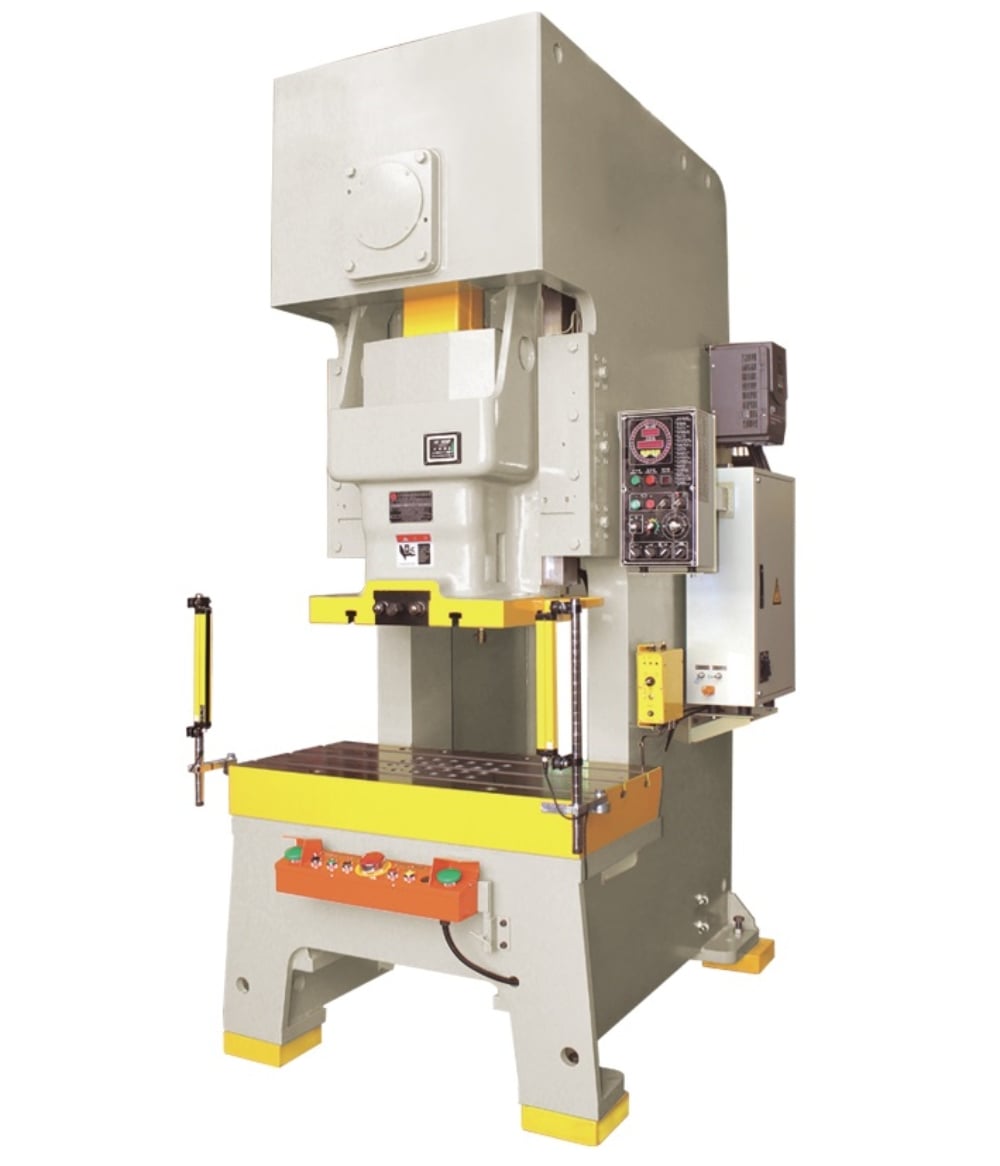
Key Considerations for Preventing Slug Pulling
The primary factor in preventing slug pulling is managing the clearance between the punch and the die. If the clearance is too tight, the slug is not allowed to expand naturally, which increases the friction against the die walls. Conversely, if the clearance is too loose, the slug may tilt or deform, leading to uneven forces that encourage it to pull back up. Achieving the ‘sweet spot’ for clearance based on material thickness and type is the first step in any troubleshooting process.
Another critical consideration is the condition of your tooling. Worn punches and dies lose their sharp edges, which increases the force required to shear the material. As the punch dulls, the shearing action transitions into a tearing action, which creates more burrs and increases the likelihood of the slug adhering to the punch face. Regular inspection and sharpening schedules are essential to prevent these issues from escalating into major production delays.
Material properties also play a significant role. Highly ductile materials, such as soft aluminum or certain grades of stainless steel, are more prone to slug pulling because they tend to ‘spring back’ or cling to the punch. Understanding the specific characteristics of the metal you are working with allows you to adjust your lubrication strategies and punch geometry accordingly. Using high-quality lubricants can reduce the adhesion between the punch face and the slug, effectively breaking the vacuum seal that causes the pulling.
Finally, the speed of the punching cycle and the stripping mechanism must be evaluated. If the stripper plate is not applying sufficient force or is not positioned correctly, it will fail to hold the material down firmly during the return stroke. A loose or improperly adjusted stripper plate is a common culprit for both slug pulling and surface scratching. Ensuring that your stripper plate is clean, flat, and correctly tensioned is a fundamental maintenance task that should never be overlooked.
Technical Details: Troubleshooting and Solutions
To effectively fix punching machine slug pulling and material damage, you must adopt a systematic approach. Start by inspecting the punch face. If you notice signs of galling or material buildup, the punch needs to be cleaned and potentially re-coated. Applying a specialized anti-galling coating can significantly reduce the friction that leads to slug adhesion. Furthermore, consider modifying the punch geometry. Using a ‘shear’ on the punch face—such as a rooftop or a concave grind—can reduce the initial punching force and help the slug break away more cleanly.
Die maintenance is equally important. Ensure that the die opening is clear of debris and that the slug chute is not obstructed. If slugs are piling up in the die, they can be pushed back into the punch area, causing catastrophic damage to both the tool and the workpiece. In some cases, installing a vacuum slug removal system can provide an active solution to pull slugs away from the die area, preventing them from ever having the chance to be pulled back up.
Another technical solution involves the use of ‘slug-retention’ features on the die. These are small indentations or ‘nicks’ inside the die wall that create a slight interference fit for the slug, effectively ‘locking’ it into the die so it cannot be pulled back up. While this is a highly effective method, it requires precision machining to ensure the nicks are not so large that they deform the finished part. This is a professional-grade modification that should be performed by experienced tool and die makers.
Consider the impact of the stripping force. If the stripper plate is not providing enough pressure, the material will lift slightly with the punch, creating a gap where the slug can get caught. Check the springs or hydraulic cylinders that actuate your stripper plate. If they are fatigued, they will not provide the necessary force to keep the sheet flat. Replacing these components as part of a preventative maintenance schedule is a small investment that yields significant returns in part quality and machine longevity.
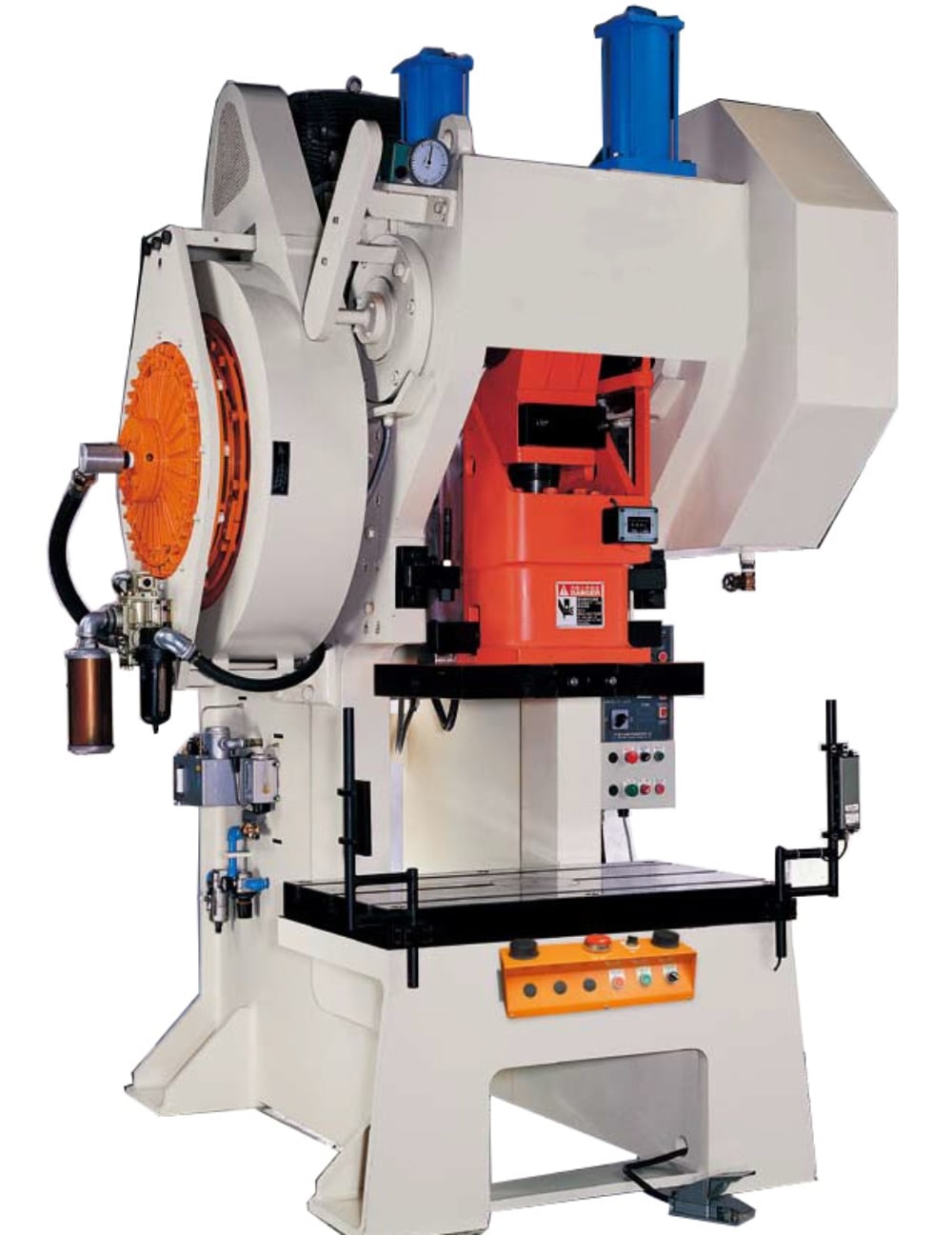
Selection Advice for Punching Equipment and Tooling
When selecting punching equipment, look for machines that offer advanced features for slug management. HARSLE punching machines are engineered with robust stripping systems and precision-aligned turrets that minimize the variables leading to slug pulling. When choosing a machine, prioritize those with easy access to the die area for cleaning and maintenance. A machine that is difficult to service will inevitably suffer from neglected maintenance, leading to the very problems you are trying to avoid.
Regarding tooling, invest in high-quality materials such as powdered metal or high-speed steel with appropriate coatings. While these tools may have a higher upfront cost, their ability to maintain a sharp edge for longer periods makes them far more economical in the long run. When ordering custom tooling, discuss your specific material requirements with the manufacturer. They can often recommend specific punch geometries or die clearances that are optimized for your particular application, saving you hours of trial-and-error troubleshooting.
It is also wise to maintain a comprehensive inventory of spare parts, particularly stripper springs, punch guides, and die inserts. Having these items on hand allows you to perform immediate repairs when a problem arises, rather than waiting for shipping. A well-organized tool room is the backbone of an efficient fabrication shop. Keep detailed records of your tooling usage and sharpening history; this data will help you predict when a tool is nearing the end of its life, allowing you to replace it before it causes damage to your material.
Finally, consider the integration of software and sensors. Modern CNC punching machines can be equipped with sensors that detect slug pulling or tool breakage in real-time. While these systems represent an additional investment, they provide an invaluable safety net, stopping the machine before a minor slug issue turns into a ruined batch of expensive material. For high-volume production environments, this level of automation is highly recommended to maintain consistent quality standards.
Frequently Asked Questions (FAQ)
- Q: Why does my slug pull back up even after I sharpen the punch?
A: Sharpening the punch is only half the battle. If the die is worn or the clearance is incorrect, the slug will still pull. Ensure your die is also sharp and that the clearance is set correctly for the material thickness. - Q: Can lubrication prevent slug pulling?
A: Yes, proper lubrication reduces the vacuum effect and friction between the punch and the slug. Ensure you are using a lubricant compatible with your material and application. - Q: How often should I check my stripper plate?
A: The stripper plate should be inspected during every tool change. Look for signs of wear, ensure it is perfectly flat, and verify that the spring tension is consistent. - Q: What is the best way to remove slugs from the die?
A: Gravity is the primary method, but for high-speed operations, a vacuum slug removal system or air-blast system is highly effective at clearing the die area. - Q: Does material thickness affect slug pulling?
A: Absolutely. Thinner materials are often more prone to slug pulling because they are more flexible and can easily deform around the punch. Adjusting your clearance and stripping force is critical when switching between material thicknesses.
Conclusion
Fixing punching machine slug pulling and material damage is a fundamental skill for any metal fabrication professional. By understanding the mechanical causes—such as vacuum effects, improper clearance, and tool wear—you can implement effective solutions that keep your production line running smoothly. Remember that the key to long-term success lies in a combination of high-quality tooling, rigorous maintenance schedules, and a proactive approach to troubleshooting.
At HARSLE, we are committed to providing the machinery and expertise you need to excel in your fabrication projects. Whether you are looking for advice on selecting the right punching machine or need technical support for your existing equipment, our team is here to help. By applying the strategies outlined in this guide, you can minimize downtime, reduce material waste, and ensure that every part you produce meets the highest standards of quality. Invest in your processes today, and enjoy the benefits of a more efficient and reliable fabrication shop tomorrow.












