How a Press Brake Case Study Streamlined Custom Metal Enclosure Production


Introduction: The Evolution of Precision Enclosure Manufacturing
In the competitive landscape of modern metal fabrication, the ability to produce high-quality custom metal enclosures with speed and precision is a significant differentiator. For many manufacturers, the bottleneck often lies in the bending process, where inconsistent angles and slow setup times can derail production schedules. This article explores how a press brake case study streamlined custom metal enclosure production, providing actionable insights for shop owners and engineers looking to optimize their workflows.
HARSLE has long been at the forefront of providing advanced bending solutions that address these exact pain points. By integrating high-performance hydraulic press brakes into custom fabrication lines, companies have reported significant reductions in scrap rates and labor costs. This case study approach highlights the transition from manual, error-prone processes to automated, high-precision bending cycles that define modern industrial standards.
Understanding the mechanics behind these improvements requires a deep dive into how modern machinery interacts with complex material geometries. Custom enclosures, often used in electrical, telecommunications, and industrial control sectors, demand tight tolerances and aesthetic perfection. When a press brake is correctly calibrated and utilized, it transforms from a simple tool into the heartbeat of the production floor.
As we navigate the specifics of this case study, we will examine the technical parameters that lead to success. From the initial design phase to the final bend, every step is an opportunity to streamline operations. By focusing on the integration of HARSLE technology, we can see how manufacturers are achieving higher throughput without sacrificing the quality that their clients demand.
Key Considerations for Enclosure Production
When embarking on a project to streamline custom metal enclosure production, the first consideration must be material versatility. Enclosures are frequently fabricated from various grades of stainless steel, aluminum, and cold-rolled steel, each with unique spring-back characteristics. A press brake must be capable of compensating for these variables automatically to ensure that every bend is accurate, regardless of the material type or thickness.
Another critical factor is the complexity of the enclosure design. Modern enclosures often feature intricate cutouts, multiple flanges, and varying bend radii. If the press brake lacks advanced CNC control, the operator must spend excessive time manually adjusting the backgauge and ram position. This is where a case study approach proves invaluable; by analyzing the time spent on setup versus actual bending, manufacturers can identify where automation is needed most.
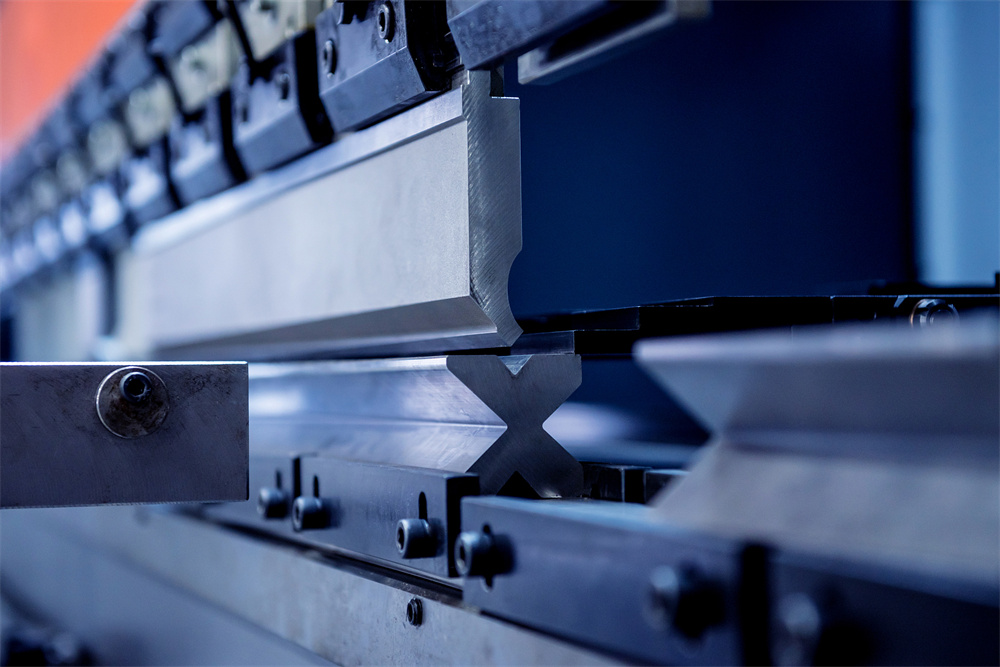
Tooling selection is equally vital. The choice between standard V-dies and specialized radius tooling can significantly impact the finish of the enclosure. For custom work, quick-change tooling systems are essential. They allow operators to switch between different bending profiles in minutes rather than hours, which is a cornerstone of the lean manufacturing principles that HARSLE advocates for in its equipment design.
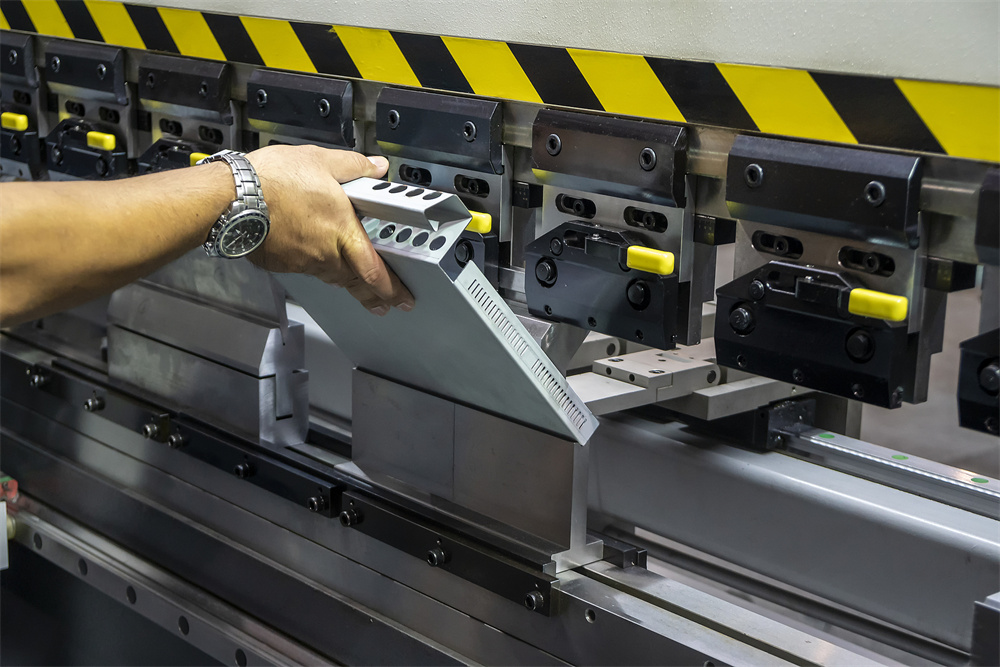
Finally, safety and ergonomics cannot be overlooked. High-volume enclosure production involves repetitive tasks that can lead to operator fatigue and increased risk of injury. Modern press brakes equipped with light curtains, laser safety systems, and ergonomic foot pedals not only protect the workforce but also maintain a consistent pace of production throughout the shift, ensuring that the streamlined process remains sustainable over the long term.
Technical Details: The Mechanics of Success
The core of the success story in this case study lies in the hydraulic synchronization of the press brake. HARSLE hydraulic press brakes utilize high-precision proportional valves to ensure that the ram remains perfectly parallel to the bed throughout the entire stroke. This synchronization is critical when bending long, thin-walled enclosures where even a fraction of a millimeter of deviation can result in a distorted final product.
Advanced CNC controllers play a pivotal role in the streamlining process. By importing 3D CAD files directly into the machine’s interface, the press brake can calculate the optimal bending sequence, predict spring-back, and automatically adjust the backgauge positions. This eliminates the need for trial-and-error bending, which is the primary cause of material waste in custom enclosure production.
The backgauge system is another technical marvel that contributes to efficiency. Multi-axis backgauges allow for complex, multi-step bending without the need for manual repositioning of the workpiece. In the context of our case study, the implementation of a 6-axis backgauge allowed the manufacturer to produce enclosures with complex geometries in a single handling cycle, effectively doubling their daily output.
Furthermore, the integration of crowning systems ensures that the bending force is distributed evenly across the entire length of the die. This is particularly important for enclosures that require long, straight bends. By compensating for the deflection of the machine frame, the crowning system guarantees that the bend angle is consistent from one end of the enclosure to the other, meeting the stringent requirements of high-end industrial clients.
Selection Advice: Choosing the Right Equipment
Selecting the right press brake for custom enclosure production requires a clear understanding of your current and future production needs. Start by evaluating the maximum length and thickness of the materials you typically process. While it is tempting to buy the largest machine available, a machine that is too large for your average part can be inefficient and difficult to operate for smaller, more delicate enclosures.
Consider the level of automation that your shop can support. If you are a high-mix, low-volume shop, a press brake with a user-friendly interface and quick-change tooling is more beneficial than a fully robotic cell. However, if your production involves long runs of identical enclosures, investing in robotic loading and unloading systems can provide a massive boost to your ROI by allowing for “lights-out” manufacturing.
Look for manufacturers that provide robust support and training. A press brake is a significant investment, and its performance is only as good as the operator’s ability to use it. HARSLE offers comprehensive training programs that ensure your team can leverage the full potential of the machine’s software and hardware, reducing the learning curve and accelerating the time to full production capacity.
Finally, consider the long-term maintenance requirements. A high-quality hydraulic press brake should have a modular design that allows for easy access to hydraulic components and electrical systems. Regular maintenance, such as checking oil levels, cleaning filters, and inspecting seals, will extend the life of your equipment and prevent costly downtime. Always prioritize machines with a proven track record of reliability in the field.
FAQ: Frequently Asked Questions
1. How does a press brake case study help in improving production?
A case study provides a real-world blueprint of how specific challenges—such as setup times or material waste—were overcome. By analyzing these results, you can apply proven strategies to your own shop, reducing trial-and-error and optimizing your workflow.
2. What is the most important feature for custom enclosure bending?
Precision and repeatability are paramount. Features like CNC-controlled crowning, multi-axis backgauges, and advanced software that compensates for material spring-back are essential for achieving the tight tolerances required for custom enclosures.
3. How often should I perform maintenance on my HARSLE press brake?
Routine maintenance should be performed according to the manufacturer’s manual, typically involving daily checks of safety systems, weekly inspections of hydraulic levels, and quarterly professional servicing to ensure all mechanical parts are calibrated correctly.
4. Can a press brake handle different types of metal?
Yes, modern hydraulic press brakes are highly versatile. By adjusting the pressure and using the correct tooling, they can handle a wide range of materials, including stainless steel, aluminum, and various alloys, provided the machine’s tonnage capacity is respected.
5. Is it better to buy a new or used press brake?
While used machines may have a lower upfront cost, new machines from HARSLE offer the latest technology, better energy efficiency, and full warranty support. For custom enclosure production where precision is critical, the reliability of a new machine often provides a better long-term return on investment.
Conclusion: Future-Proofing Your Fabrication Shop
The journey toward streamlining custom metal enclosure production is one of continuous improvement. As demonstrated by the case study, the transition to high-performance hydraulic press brakes is not just about replacing old machinery; it is about adopting a new philosophy of precision, efficiency, and data-driven decision-making. By leveraging the advanced features of HARSLE equipment, manufacturers can overcome the traditional hurdles of the fabrication industry.
Investing in the right technology allows your shop to handle more complex projects, reduce material waste, and improve the overall quality of your output. Whether you are a small job shop or a large-scale manufacturer, the principles of optimizing your bending process remain the same. Focus on the integration of smart software, reliable hardware, and skilled operation to stay ahead of the competition.
As the demand for custom enclosures continues to grow across various sectors, the ability to deliver high-quality products quickly will remain a key competitive advantage. We encourage you to evaluate your current production line, identify the bottlenecks, and consider how a modern press brake can transform your operations. With the right tools and a commitment to excellence, your shop can achieve new levels of productivity and profitability.
HARSLE remains dedicated to supporting the metal fabrication industry with innovative solutions and expert guidance. By staying informed about the latest advancements in press brake technology and applying the lessons learned from successful case studies, you are positioning your business for long-term success in an ever-evolving market.