Hydraulic Shearing Machine Won’t Start? Common Electrical and Control Fault Checks


Introduction: When Your Hydraulic Shearing Machine Won’t Start
In the high-stakes environment of metal fabrication, downtime is the enemy of profitability. When your HARSLE hydraulic shearing machine fails to start, the immediate impact on your production schedule can be significant. Understanding the root cause of a startup failure is the first step toward resolution. Often, operators panic, assuming a catastrophic hydraulic failure, when in reality, the issue is frequently rooted in the electrical or control architecture of the machine.
This guide is designed to help maintenance teams and operators systematically diagnose why a hydraulic shearing machine won’t start. By focusing on electrical and control fault checks, we can isolate issues ranging from simple emergency stop triggers to complex PLC communication errors. Whether you are operating a heavy-duty guillotine shear or a precision swing beam machine, the electrical logic remains the backbone of your operation.
HARSLE equipment is engineered for durability, but like all industrial machinery, it requires periodic electrical diagnostics. This article will walk you through the logical steps of troubleshooting, ensuring that you can identify whether the problem lies in the power supply, the safety interlocks, or the control panel interface. Let’s dive into the technical aspects of keeping your shearing machine operational.

Key Considerations: Safety First in Electrical Troubleshooting
Before touching any electrical component, safety must be the absolute priority. Working with high-voltage industrial equipment carries inherent risks of electric shock, arc flash, and unintended machine movement. Always ensure that the main power disconnect is locked out and tagged out (LOTO) before opening any electrical cabinets or inspecting internal wiring.
Secondly, consider the environment. Metal fabrication shops are often filled with conductive dust, metallic shavings, and humidity. These elements can infiltrate electrical enclosures, leading to short circuits, ground faults, or intermittent signal loss. When a machine won’t start, check the cleanliness of your electrical cabinet. A buildup of dust can cause overheating of contactors and relays, leading to premature failure of the control logic.
Thirdly, verify the power supply stability. Hydraulic shearing machines require consistent voltage to operate the solenoid valves and the main motor. If your facility experiences voltage drops or phase imbalances, the machine’s protection relays may prevent startup to avoid damaging the motor windings. Always use a multimeter to verify that the incoming power matches the machine’s nameplate specifications.
Finally, document every step of your troubleshooting process. Keeping a log of when the machine failed, what the control panel displayed, and what checks were performed will save significant time if you need to contact HARSLE technical support. Systematic documentation turns a frustrating breakdown into a learning opportunity for your maintenance team.
Technical Details: Diagnosing Electrical and Control Faults
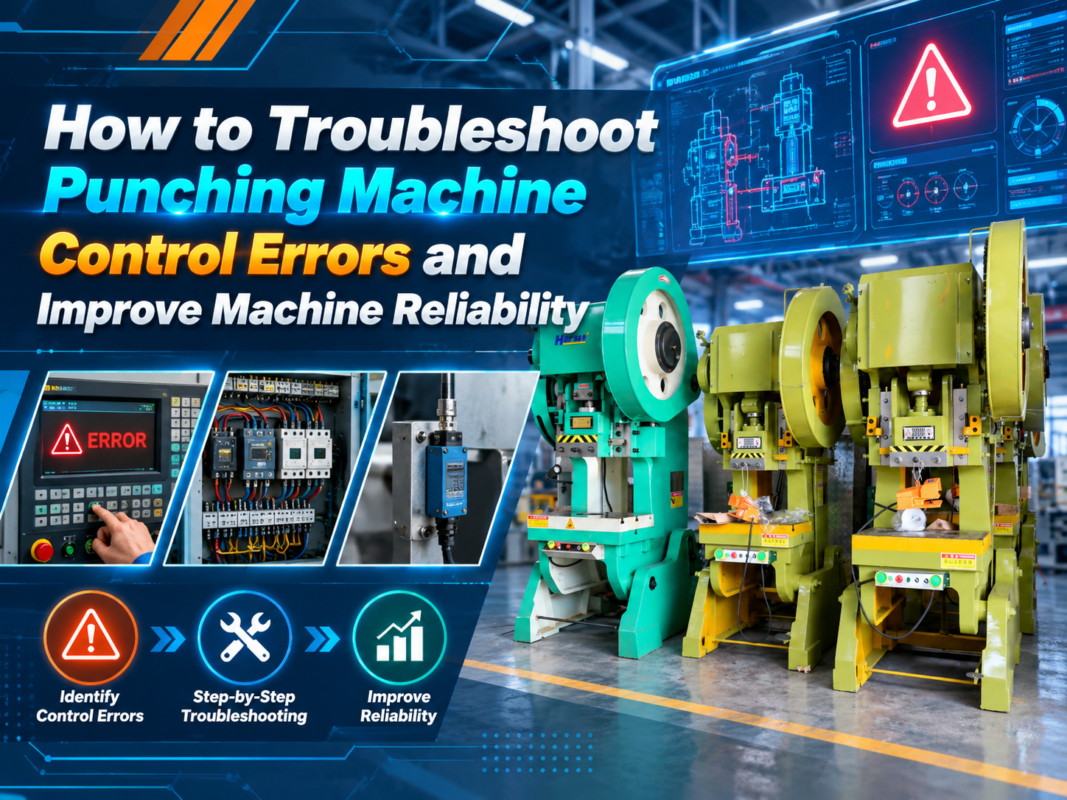
The most common reason a hydraulic shearing machine won’t start is an active safety interlock. Modern shears are equipped with light curtains, rear gate sensors, and foot pedal interlocks. If any of these safety circuits are broken or if a sensor is misaligned, the PLC (Programmable Logic Controller) will inhibit the start command. Check the diagnostic screen on your HARSLE controller; it will often display a specific error code indicating which safety zone is currently open.
Next, inspect the emergency stop (E-stop) circuit. E-stops are wired in series; if one button is depressed or if there is a loose connection in the E-stop loop, the entire control system will remain in a ‘dead’ state. Use a multimeter to check for continuity across the E-stop string. A single faulty contact block in a button can prevent the machine from receiving the ‘ready’ signal required to engage the hydraulic pump motor.
The motor starter and contactors are the next point of failure. When you press the ‘Start’ button, you should hear an audible ‘click’ from the electrical cabinet. If you hear nothing, the control relay or the start button itself may be faulty. If you hear a click but the motor does not turn, the contactor points may be pitted or welded shut, or the thermal overload relay may have tripped. Resetting the thermal overload is a common fix, but always investigate why it tripped in the first place—it usually indicates an overloaded motor or a mechanical bind in the hydraulic pump.
Control voltage transformers (CVTs) are often overlooked. These devices step down the high-voltage input to the 24V DC or 110V AC required for the PLC and sensors. If your control panel is completely dark, the CVT may have failed or a primary fuse may have blown. Check the output voltage of the transformer; if it is zero, you have found your culprit. Replacing a fuse is simple, but if it blows again immediately, you likely have a short circuit in the control wiring.
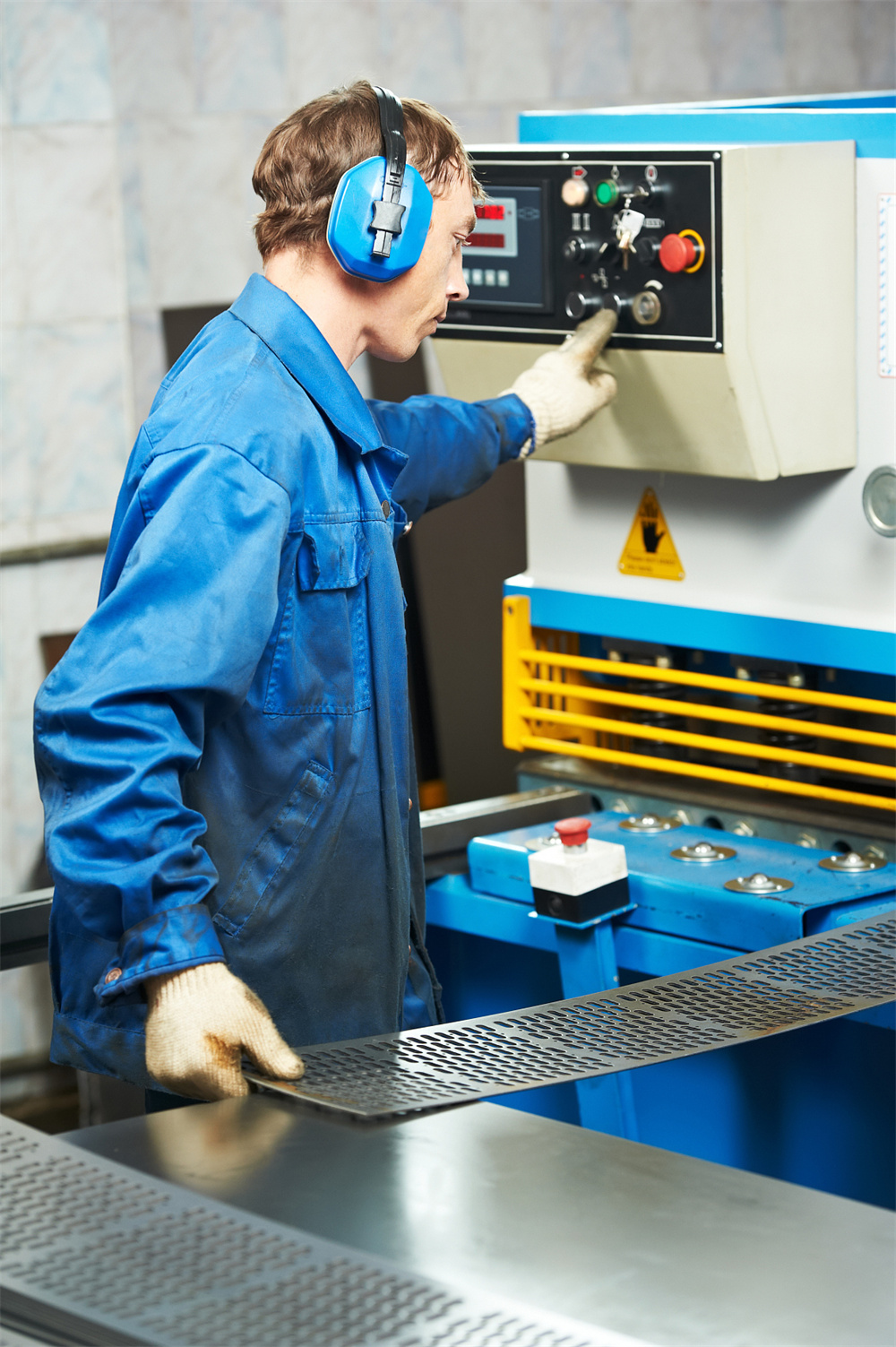
Selection Advice: Choosing Reliable Control Systems
When investing in new metal fabrication equipment, the quality of the electrical components is just as important as the steel frame. HARSLE utilizes high-quality, globally recognized electrical components such as Schneider, Siemens, or Omron. When selecting a machine, prioritize brands that offer modular control systems. Modular systems allow for easier troubleshooting and component replacement, as you can swap out individual modules rather than replacing an entire control board.
Consider the user interface (UI) capabilities. A machine with an advanced HMI (Human Machine Interface) provides real-time diagnostics. Instead of guessing why the machine won’t start, a high-end HMI will explicitly state: “Rear Gate Open” or “Hydraulic Pressure Low.” This level of feedback reduces downtime significantly and allows operators to resolve minor issues without waiting for a technician.
Evaluate the environmental protection rating of the electrical cabinet. Look for IP54 or higher ratings, which ensure that the cabinet is protected against dust and water spray. In a busy fabrication shop, an airtight cabinet is the best defense against the electrical faults discussed in this guide. Proper ventilation and cooling fans within the cabinet are also essential to prevent the PLC from overheating during long shifts.
Finally, ensure that the machine comes with comprehensive electrical schematics. A machine without a clear, accurate wiring diagram is a nightmare to repair. HARSLE provides detailed documentation with every machine, which is invaluable for your maintenance staff. When buying, ask the manufacturer about the availability of spare parts for the control system—you want to ensure that if a controller fails in five years, you can still source a compatible replacement.
FAQ: Common Questions About Shearing Machine Maintenance
- Q: Why does my shearing machine trip the main breaker upon startup?
A: This usually indicates a short circuit in the main motor or a phase-to-phase fault. Check the motor windings for insulation breakdown and inspect the main power cables for signs of heat damage or fraying. - Q: Can I bypass the safety light curtains to get the machine running?
A: Absolutely not. Bypassing safety systems is a major violation of OSHA and international safety standards. It puts operators at extreme risk of injury. Always fix the sensor or alignment issue instead. - Q: What should I do if the PLC shows a ‘Communication Error’?
A: This often points to a loose connection on the communication bus or electromagnetic interference (EMI). Check all cable connections and ensure that high-voltage lines are properly shielded and separated from low-voltage signal cables. - Q: How often should I inspect the electrical cabinet?
A: We recommend a visual inspection every month and a thorough cleaning with non-conductive compressed air every six months. Always ensure the machine is powered down before cleaning. - Q: Is it possible for a hydraulic valve to cause an electrical fault?
A: Yes. If a solenoid coil on a hydraulic valve shorts out, it can draw excessive current and trip the control circuit breaker. If you suspect a valve issue, disconnect the solenoid and see if the control system stabilizes.
Conclusion: Maintaining Your HARSLE Shearing Machine
A hydraulic shearing machine that won’t start is a challenge, but by following a systematic approach to electrical and control fault checks, you can minimize downtime and keep your production line moving. From checking safety interlocks and E-stop loops to inspecting contactors and PLC diagnostics, the path to resolution is rooted in logical troubleshooting. Remember that the electrical system is the brain of your machine; keeping it clean, dry, and well-maintained is the best way to prevent future failures.
HARSLE is committed to providing robust metal fabrication equipment that stands the test of time. By understanding the common electrical pitfalls and investing in quality control systems, you ensure that your shearing machine remains a reliable asset for years to come. If you ever encounter a fault that exceeds your internal maintenance capabilities, do not hesitate to reach out to our professional support team. We are here to help you maintain the precision and power of your fabrication operations.
Ultimately, the longevity of your shearing machine depends on the care you provide. Regular maintenance schedules, operator training, and a proactive approach to electrical diagnostics will pay dividends in the form of increased output and reduced repair costs. Keep your electrical cabinets clean, your connections tight, and your safety systems functional, and your HARSLE machine will continue to deliver the high-quality cuts your business demands.