
Press Brake Case Study: Improving Reliability in Mass Production Metal Forming


Introduction to High-Volume Metal Forming Challenges
In the modern landscape of metal fabrication, the demand for precision, speed, and unwavering reliability has never been higher. For manufacturers operating in mass production environments, the press brake is the heartbeat of the production line. When a machine experiences downtime or inconsistency, the ripple effect across the supply chain can be catastrophic. This Press Brake Case Study: Improving Reliability In Mass Production Metal Forming explores how HARSLE has helped industrial partners overcome these hurdles through advanced engineering and strategic machine integration.
Reliability in metal forming is not merely about the machine running; it is about the machine producing identical, high-quality parts over thousands of cycles without deviation. Many facilities struggle with thermal drift, hydraulic pressure fluctuations, and mechanical wear that compromise tolerances. By analyzing these variables, HARSLE has developed a suite of solutions that prioritize structural integrity and intelligent control systems to ensure that mass production remains uninterrupted and profitable.
This article serves as a comprehensive guide for plant managers, production engineers, and procurement specialists looking to optimize their metal forming operations. We will delve into the technical specifications that define a reliable press brake, the selection criteria necessary for high-volume environments, and the maintenance protocols that keep these machines operating at peak performance for years to come.
As we navigate the complexities of modern fabrication, it becomes clear that the choice of equipment is a long-term investment. A reliable press brake is the difference between a facility that meets its quotas and one that constantly battles rework and scrap. Through this case study, we aim to provide actionable insights that translate into tangible improvements on your factory floor.
Key Considerations for Mass Production Reliability
When scaling up production, the primary consideration must be the consistency of the bending process. In a mass production scenario, even a 0.5-degree deviation in a bend angle can lead to thousands of rejected parts. Reliability begins with the frame design. HARSLE utilizes heavy-duty, stress-relieved steel frames that minimize deflection under load, ensuring that the force applied to the workpiece remains uniform across the entire length of the bed.
Another critical factor is the integration of advanced CNC controllers. Modern controllers do more than just manage the Y-axis; they compensate for material spring-back, monitor hydraulic oil temperature, and provide real-time feedback on the bending process. By utilizing intelligent software, operators can predict potential issues before they result in scrap, effectively turning the press brake into a proactive component of the production line rather than a reactive one.
Thermal stability is often overlooked in high-volume environments. As hydraulic systems run continuously, the oil heats up, which can change the viscosity and, consequently, the pressure delivery. HARSLE machines incorporate sophisticated cooling systems and pressure compensation valves that maintain consistent performance regardless of how long the machine has been running. This thermal management is essential for maintaining tight tolerances during multi-shift operations.
Finally, the tooling interface plays a vital role in reliability. Quick-change clamping systems reduce setup times, but they must also provide high-repeatability locking mechanisms. If the tooling shifts by even a fraction of a millimeter during a cycle, the entire batch is compromised. HARSLE’s focus on precision-ground tooling and robust clamping ensures that the setup remains stable from the first part to the ten-thousandth part.
Technical Details: Engineering for Longevity
The technical architecture of a HARSLE press brake is built upon the foundation of synchronized hydraulic movement. By using dual-cylinder synchronization controlled by high-speed proportional valves and linear encoders, the machine achieves a level of parallelism that is impossible with older mechanical systems. This synchronization is the backbone of reliability, as it ensures that the ram remains perfectly level throughout the entire stroke.
Hydraulic systems in HARSLE machines are designed for longevity. We utilize high-quality seals, hardened cylinders, and filtration systems that prevent contamination—the leading cause of hydraulic failure. By maintaining a clean, pressurized environment for the fluid, we significantly extend the service life of the pump and valves, reducing the frequency of maintenance intervals and preventing unexpected downtime.
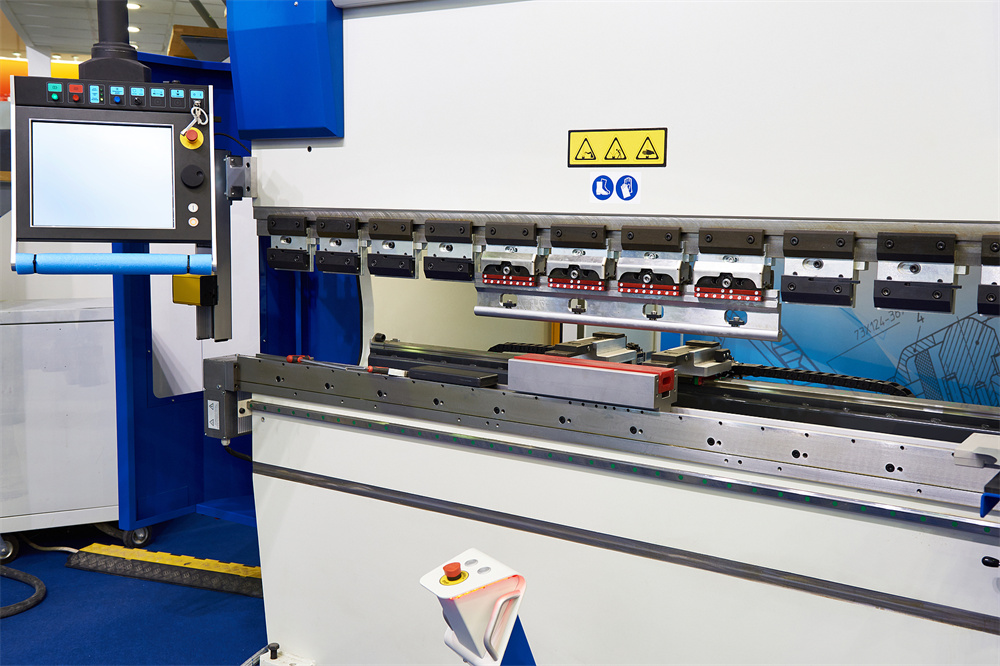
The control panel is the interface between human intent and mechanical execution. HARSLE’s intelligent control panels are designed for ease of use, allowing operators to input complex bending sequences with minimal risk of error. These panels feature diagnostic tools that monitor the health of the machine, alerting the maintenance team to potential issues such as pressure drops or sensor malfunctions before they escalate into full-scale failures.

Furthermore, the backgauge system is a critical component for high-volume accuracy. HARSLE employs multi-axis backgauges that are driven by high-precision ball screws and linear guides. These systems are designed to withstand the rapid, repetitive movements required in mass production without losing their calibration. The ability to position the backgauge with micron-level accuracy ensures that every part is formed to the exact specifications required by the design.
Selection Advice: Choosing the Right Equipment
Selecting the right press brake for your facility requires a deep understanding of your production needs. Start by evaluating the material thickness and bend length requirements. While it is tempting to purchase a machine that barely meets your current needs, a reliable mass production strategy often involves selecting a machine with a higher tonnage capacity than strictly necessary. This “headroom” allows the machine to operate at a lower percentage of its maximum capacity, reducing stress on the frame and hydraulics.
Consider the level of automation required. For high-volume, repetitive parts, a robotic cell integration might be the most reliable path forward. Automation removes the human variable, ensuring that the part is loaded, bent, and unloaded with perfect consistency every time. HARSLE offers modular automation solutions that can be integrated into existing production lines, providing a scalable approach to increasing reliability.
Evaluate the manufacturer’s support network. Reliability is not just about the machine; it is about the support you receive when something goes wrong. HARSLE provides comprehensive training for operators and maintenance staff, ensuring that your team is equipped to handle routine adjustments and troubleshooting. Access to genuine spare parts and remote diagnostic support is essential for minimizing downtime in a high-pressure environment.
Finally, look at the total cost of ownership rather than just the initial purchase price. A cheaper machine may seem attractive, but if it requires frequent repairs, consumes excessive energy, or produces a high rate of scrap, it will cost significantly more over its lifespan. Investing in a high-quality, reliable press brake from a reputable manufacturer like HARSLE is a strategic decision that pays dividends in productivity and quality.
Frequently Asked Questions (FAQ)
- How does HARSLE ensure consistency in mass production? HARSLE machines use synchronized hydraulic systems, advanced CNC controllers, and rigid frame designs to ensure that every bend is identical, regardless of the volume.
- What maintenance is required to keep a press brake reliable? Regular maintenance includes checking hydraulic fluid levels, cleaning and lubricating the backgauge, inspecting tooling for wear, and ensuring that all sensors are calibrated correctly.
- Can HARSLE press brakes be integrated into automated lines? Yes, our press brakes are designed with automation in mind and can be easily integrated with robotic loading and unloading systems.
- How do I choose the right tonnage for my production? Tonnage depends on material thickness, tensile strength, and bend length. We recommend consulting our technical team to calculate the exact requirements for your specific applications.
- What is the benefit of a CNC-controlled backgauge? A CNC backgauge allows for precise, multi-axis positioning, which is essential for complex parts and high-speed production cycles.
Conclusion: The Path to Reliable Metal Forming
Achieving reliability in mass production metal forming is a multifaceted challenge that requires a combination of robust hardware, intelligent software, and proactive maintenance. As demonstrated in this Press Brake Case Study: Improving Reliability In Mass Production Metal Forming, the right equipment—specifically engineered for high-volume environments—can transform your production capabilities. HARSLE remains committed to providing the metal fabrication industry with the tools necessary to succeed in an increasingly competitive market.
By focusing on structural integrity, thermal management, and advanced control systems, HARSLE ensures that your press brake is not just a machine, but a reliable partner in your manufacturing success. We encourage you to evaluate your current production processes and consider how an upgrade to HARSLE technology can reduce your downtime, improve your part quality, and ultimately increase your bottom line.
The future of metal fabrication lies in the ability to produce high-quality parts with speed and consistency. With the right equipment and a commitment to best practices, your facility can meet these demands with confidence. Contact the HARSLE team today to learn more about our range of press brakes and how we can help you optimize your metal forming operations for years to come.












