
Press Brake Roles In Appliance Manufacturing And Metal Housing Production: A Comprehensive Guide


Introduction: The Backbone of Modern Appliance Manufacturing
In the fast-paced world of consumer electronics and household appliances, the demand for aesthetic appeal, structural integrity, and rapid production cycles has never been higher. At the heart of this manufacturing ecosystem lies the press brake, a machine that has evolved from a simple bending tool into a sophisticated, high-precision instrument. Understanding the Press Brake Roles In Appliance Manufacturing And Metal Housing Production is essential for any manufacturer looking to optimize their production line and maintain a competitive edge in the global market.
From the sleek exterior of a modern refrigerator to the complex internal chassis of a microwave oven, almost every metal component in a household appliance undergoes a bending process. HARSLE provides the industrial-grade machinery necessary to transform flat sheet metal into the intricate housings that define modern living. This article explores the technical nuances, strategic importance, and operational requirements of utilizing press brakes in these high-volume sectors.
The role of the press brake extends far beyond simple bending. It is a critical junction where material science meets mechanical engineering. As appliances become more compact and energy-efficient, the metal housings that protect their internal components must be manufactured with extreme precision. Even a millimeter of deviation can lead to assembly failures, increased waste, and compromised product quality. Therefore, the integration of advanced press brake technology is not just an operational choice; it is a strategic necessity.
HARSLE’s commitment to innovation ensures that manufacturers can achieve repeatable accuracy across thousands of cycles. By leveraging CNC-controlled systems and advanced hydraulic synchronization, our machines allow for the complex geometries required in modern appliance design. Whether you are producing stainless steel panels for high-end dishwashers or galvanized steel frames for HVAC units, the press brake remains the most versatile tool in your fabrication arsenal.
Key Considerations for Appliance and Housing Production
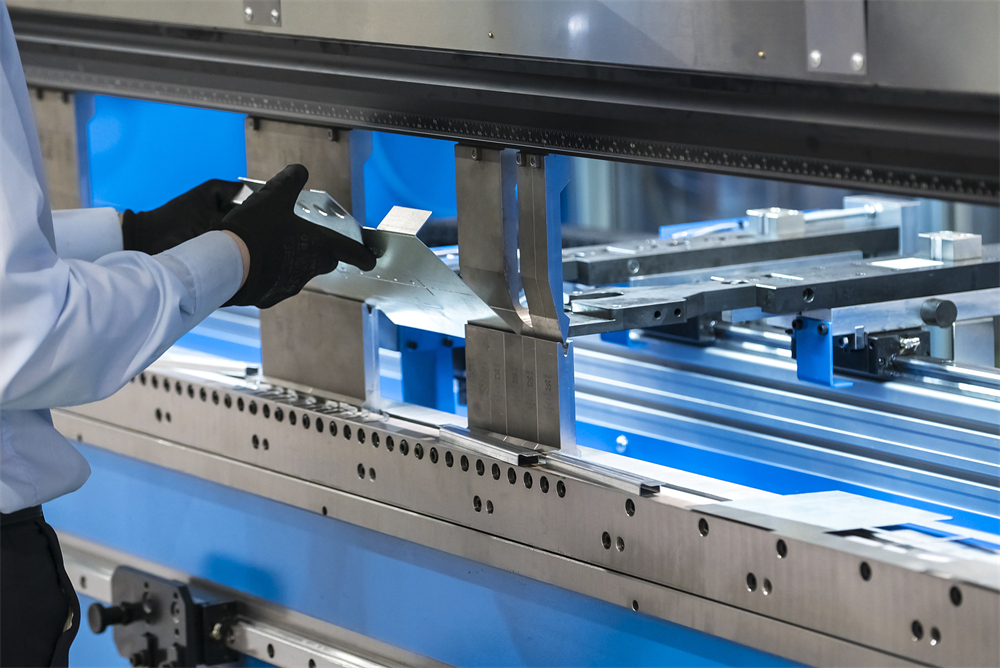
When integrating press brakes into an appliance manufacturing line, several key factors must be considered to ensure efficiency and quality. The first is material consistency. Appliances often utilize thin-gauge materials, such as pre-painted steel, aluminum, or stainless steel. These materials are sensitive to surface damage and require specialized tooling to prevent marring, scratching, or deformation during the bending process.
Another critical consideration is the volume of production. Appliance manufacturing is characterized by high-speed, repetitive tasks. A press brake used in this environment must be equipped with high-speed backgauges and automatic tool changing capabilities to minimize downtime. HARSLE machines are designed with these high-throughput requirements in mind, ensuring that the transition between different product models is seamless and rapid.
Precision and repeatability are non-negotiable. In the production of metal housings, components must fit together perfectly to ensure proper sealing, airflow, and structural stability. This requires a press brake with high-resolution encoders and a rigid frame design that minimizes deflection under load. When the machine frame flexes, the bend angle changes, leading to inconsistent parts. HARSLE’s robust construction ensures that the pressure is distributed evenly, maintaining consistent angles across the entire length of the bend.
Finally, safety and ergonomics play a vital role. Appliance manufacturing lines often involve manual loading and unloading of parts. Integrating light curtains, laser safety systems, and ergonomic work heights is essential to protect operators and maintain high productivity levels. By prioritizing these considerations, manufacturers can create a safe, efficient, and high-output environment that meets the rigorous demands of the appliance industry.
Technical Details: How Press Brakes Shape Metal Housings
The technical operation of a press brake involves the application of force to a sheet metal workpiece, causing it to deform along a predetermined axis. In the context of appliance housings, this process often involves complex multi-bend sequences. Modern CNC press brakes allow for the programming of these sequences, ensuring that each bend is executed with exact force and depth control.
Hydraulic synchronization is a key technical feature in HARSLE press brakes. By using high-precision proportional valves and feedback loops, the machine ensures that both cylinders move in perfect unison. This is critical when bending long, thin panels for refrigerator doors or washing machine cabinets. Any discrepancy in cylinder movement would result in a twisted or uneven bend, rendering the part unusable for assembly.
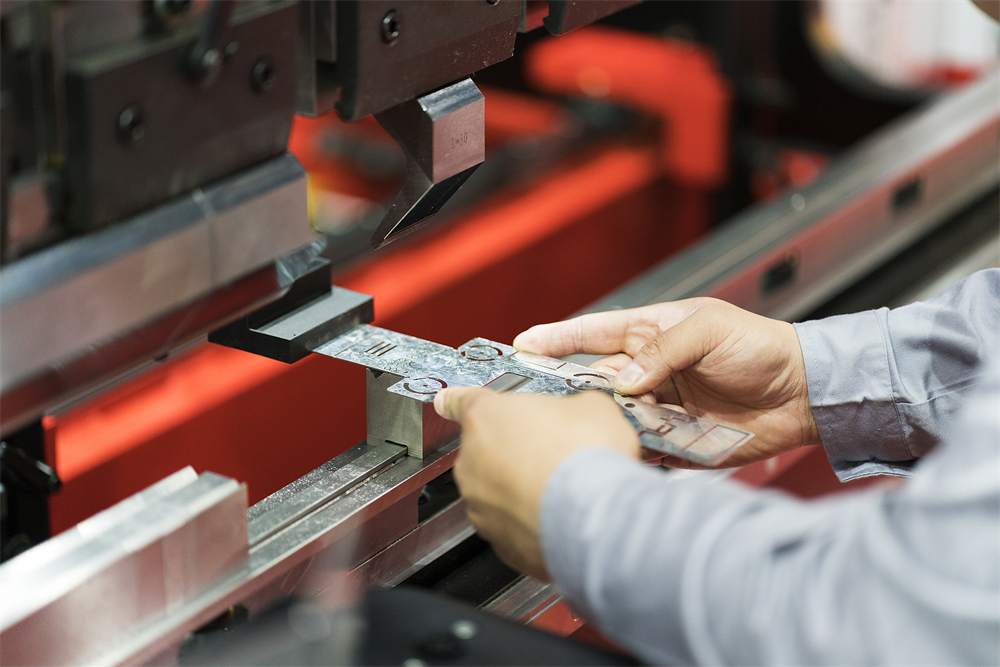
Tooling selection is equally important. For appliance housings, manufacturers often use segmented tooling to accommodate different bend lengths and shapes. This allows for the production of complex boxes or cabinets without the need for frequent tool changes. Furthermore, the use of specialized radius tooling can help prevent stress fractures in the metal, which is particularly important when working with coated or pre-finished materials that are prone to cracking.
The integration of CNC software allows for offline programming, where the bending sequence is simulated before the machine even touches the metal. This reduces the risk of collisions and optimizes the bending order to minimize part handling. By utilizing these technical capabilities, manufacturers can achieve a level of precision that was previously impossible, significantly reducing scrap rates and improving the overall quality of their metal housing production.
Selection Advice: Choosing the Right HARSLE Machine
Selecting the right press brake for appliance manufacturing requires a careful analysis of your specific production needs. Start by evaluating the material thickness and the maximum bend length required for your largest housing components. While it might be tempting to purchase the largest machine available, a machine that is too large for your average part can be inefficient and costly to operate.
Consider the level of automation required. For high-volume production, a robotic bending cell can significantly increase throughput and reduce labor costs. HARSLE offers various levels of automation, from simple backgauge upgrades to fully integrated robotic systems. Assess your current labor availability and production targets to determine if an automated solution provides the best return on investment for your facility.
Look for machines that offer advanced control interfaces. A user-friendly CNC controller, such as those found on HARSLE press brakes, allows operators to quickly input bend parameters, store job libraries, and perform real-time adjustments. This reduces the learning curve for new operators and ensures that the machine is utilized to its full potential from day one.
Finally, consider the long-term support and maintenance requirements. A press brake is a significant capital investment. Partnering with a manufacturer like HARSLE ensures that you have access to technical support, spare parts, and training programs. Regular maintenance is the key to longevity, and choosing a machine with accessible components and a reliable service network will save you time and money over the life of the equipment.
Buyer Checklist for Appliance Manufacturers:
- Tonnage Requirements: Calculate the maximum force needed based on material type and thickness.
- Bed Length: Ensure the bed length accommodates your longest appliance panel.
- Axis Control: Determine if you need 3-axis, 4-axis, or higher for complex geometries.
- Tooling Compatibility: Check if the machine uses standard tool holders for easy sourcing.
- Safety Features: Verify the inclusion of light curtains and laser safety systems.
- Energy Efficiency: Look for hybrid or servo-driven systems to reduce power consumption.
FAQ: Common Questions About Press Brakes in Manufacturing
Q: Why is CNC control important for appliance housing production?
A: CNC control allows for high-precision, repeatable bends. In appliance manufacturing, where parts must fit together perfectly, CNC systems eliminate human error and ensure that every housing unit meets strict quality standards.
Q: How do I prevent surface damage on pre-painted appliance panels?
A: Use specialized non-marring tooling, such as urethane inserts or polished dies. Additionally, ensure the press brake is properly calibrated to prevent excessive pressure that could damage the finish.
Q: Can a press brake be used for both small and large appliance components?
A: Yes, by using segmented tooling and adjustable backgauges, a single press brake can be configured to handle a wide variety of part sizes, making it a versatile asset for any production line.
Q: What is the benefit of a robotic bending cell?
A: Robotic cells provide 24/7 operation, consistent quality, and increased safety. They are ideal for high-volume appliance manufacturing where repetitive tasks can be automated to maximize efficiency.
Q: How often should I perform maintenance on my HARSLE press brake?
A: Routine maintenance should be performed according to the manual, typically involving daily checks of hydraulic levels, weekly cleaning of the bed and tools, and annual professional inspections to ensure all sensors and actuators are functioning correctly.
Conclusion: Elevating Production with HARSLE
The role of the press brake in appliance manufacturing and metal housing production is foundational. As consumer expectations for quality and design continue to rise, the need for precise, efficient, and reliable bending technology becomes paramount. By understanding the technical requirements, selecting the right equipment, and prioritizing maintenance, manufacturers can ensure their production lines remain at the forefront of the industry.
HARSLE is dedicated to providing the tools and expertise necessary to succeed in this competitive landscape. Our press brakes are engineered to deliver the accuracy, speed, and durability required for modern metal fabrication. Whether you are a small workshop or a large-scale appliance manufacturer, our solutions are designed to help you achieve your production goals with confidence.
Investing in high-quality metal fabrication equipment is an investment in the future of your business. By choosing HARSLE, you are not just buying a machine; you are gaining a partner committed to your long-term success. Explore our range of press brakes today and discover how we can help you optimize your manufacturing processes and deliver superior products to your customers.