Press Brake Safety Sensor Faults: Troubleshooting Tips for Machine Operators


Introduction to Press Brake Safety Systems
In the modern metal fabrication environment, safety is not merely a regulatory requirement; it is the cornerstone of operational efficiency. HARSLE press brakes are engineered with advanced safety sensor systems designed to protect operators from the inherent risks of high-tonnage bending operations. However, even the most sophisticated laser or light curtain systems can experience faults. Understanding how to navigate Press Brake Safety Sensor Faults: Troubleshooting Tips Machine Operators is essential for maintaining a productive and safe shop floor.
When a safety sensor triggers a fault, the machine enters a protective state, halting operations immediately. While this is a testament to the system’s effectiveness, frequent or unexplained faults can lead to significant downtime. This guide aims to demigod the complexities of these systems, providing operators and maintenance teams with the technical knowledge required to identify, diagnose, and resolve common sensor issues efficiently.
Safety sensors, such as laser guards or infrared light curtains, act as the ‘eyes’ of the press brake. They monitor the area around the punch and die, detecting any obstruction that could lead to a crush injury. When these sensors fail to communicate correctly with the CNC controller, the machine will often refuse to cycle, leading to frustration and lost production hours. By mastering the troubleshooting process, you ensure that your HARSLE equipment remains both safe and highly available.
This article will explore the technical nuances of these systems, from alignment issues to electrical interference. We will provide actionable advice for operators, helping you distinguish between a simple calibration error and a more complex hardware failure. Whether you are a seasoned technician or a new operator, these insights will prove invaluable in your daily interaction with industrial metal fabrication equipment.
Key Considerations for Safety Sensor Integrity
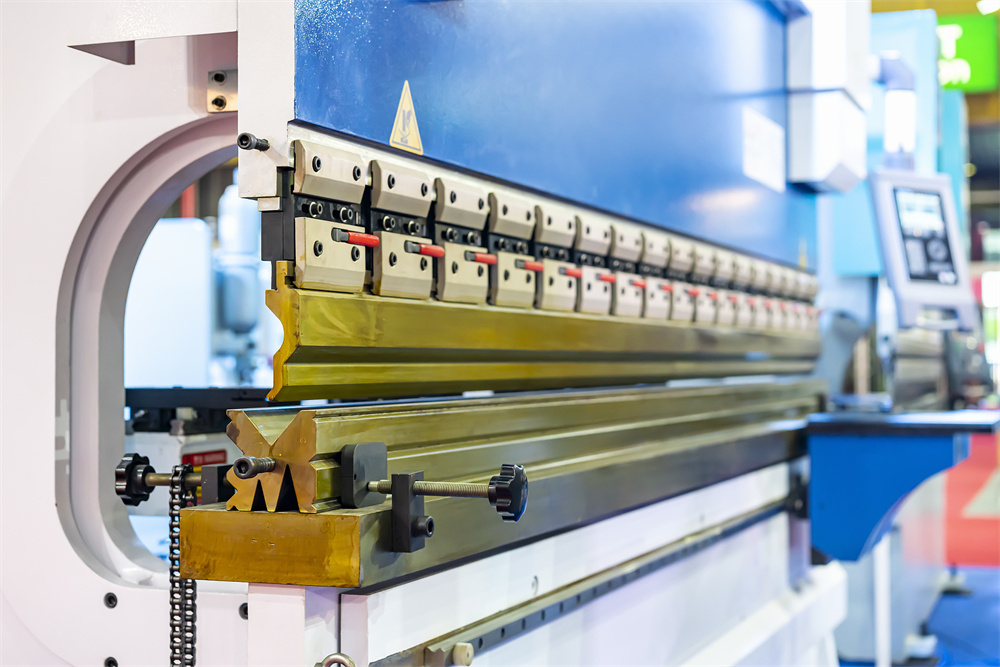
The first step in addressing Press Brake Safety Sensor Faults: Troubleshooting Tips Machine Operators is understanding the environment in which these sensors operate. Metal fabrication shops are harsh environments characterized by vibration, dust, metallic debris, and fluctuating temperatures. These factors can significantly impact the sensitivity and reliability of optical safety devices. Maintaining a clean environment is the most effective preventative measure against sensor faults.
Vibration is a common culprit in sensor misalignment. As the press brake exerts massive force to bend thick steel, the entire frame experiences micro-vibrations. Over time, these vibrations can cause the mounting brackets of laser sensors to shift by even a fraction of a millimeter. This slight deviation is often enough to break the beam path, triggering a fault. Regularly checking the torque on mounting bolts is a vital maintenance task that prevents these mechanical shifts.
Electrical noise, or electromagnetic interference (EMI), is another significant factor. Press brakes utilize high-power motors and variable frequency drives (VFDs) that generate substantial electrical noise. If sensor cables are not properly shielded or if they are routed alongside high-voltage power lines, the signal can become corrupted. This corruption is often interpreted by the CNC controller as a sensor fault, leading to intermittent machine stops that are notoriously difficult to diagnose.
Finally, consider the human element. Operators must be trained to recognize the difference between a ‘safety stop’ (where the sensor is doing its job) and a ‘sensor fault’ (where the system is malfunctioning). A safety stop occurs when an object enters the protected zone, while a fault is a system-level error. Distinguishing between these two is the first step in effective troubleshooting. Always consult the HARSLE machine manual to understand the specific error codes displayed on your CNC interface.
Technical Details: Diagnosing Common Faults
When a fault occurs, the CNC controller usually provides an error code. These codes are the primary roadmap for troubleshooting. Common faults often relate to beam blockage, alignment, or communication errors between the sensor and the PLC (Programmable Logic Controller). Understanding the technical architecture of your HARSLE press brake’s safety system is key to resolving these issues quickly.
Beam blockage is the most frequent cause of faults. This occurs when the laser or infrared beam is interrupted by something other than the operator’s hand. Common culprits include small pieces of scrap metal, excessive dust buildup on the lens, or even reflective surfaces near the bending area. If the sensor is constantly reporting a blockage, inspect the lens surfaces for smudges or debris and clean them with a soft, lint-free cloth and an approved optical cleaner.
Alignment issues require a more methodical approach. If the transmitter and receiver units are not perfectly parallel, the signal strength will drop below the threshold required for safe operation. To troubleshoot this, use the diagnostic software provided with your HARSLE controller to check the signal strength. If the signal is weak, you may need to manually adjust the alignment brackets. Always perform these adjustments with the machine in a safe, locked-out state to prevent accidental activation.
Communication faults often point to wiring issues. Inspect the cables leading from the sensors to the control cabinet. Look for signs of wear, such as fraying, crushing, or exposure to coolant. If the cable appears intact, check the connections at the terminal block. Loose connections are common in high-vibration environments and can cause intermittent faults that disappear when the machine is idle but reappear during operation. A simple tightening of the terminal screws can often resolve these persistent issues.
Selection Advice: Choosing the Right Safety System
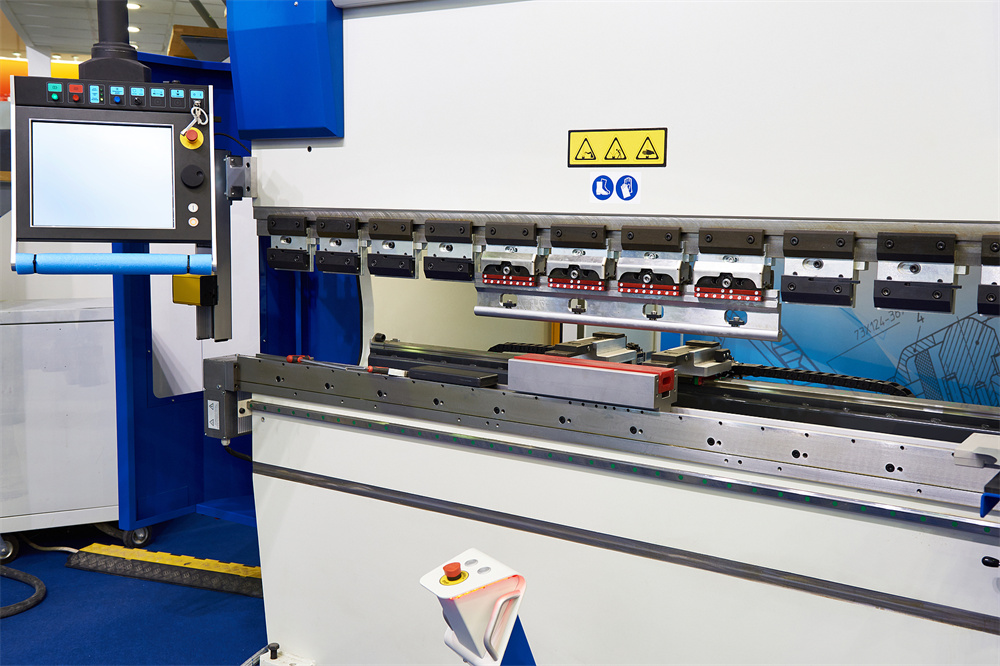
When investing in new metal fabrication equipment, the selection of the safety system is as important as the tonnage or bending length of the press brake. Not all sensors are created equal, and the right choice depends on your specific application. For high-volume production, laser-based systems that allow for ‘fast-to-slow’ speed transitions are highly recommended, as they maximize throughput without compromising safety.
Consider the flexibility of the system. Some safety sensors are fixed, while others are adjustable to accommodate different tooling heights. If your shop frequently switches between complex, multi-bend parts, an adjustable laser guard system will save significant setup time. HARSLE offers various configurations that can be tailored to your specific workflow, ensuring that safety never becomes a bottleneck in your production process.
Durability is another critical selection criterion. Look for sensors with high IP (Ingress Protection) ratings, which indicate resistance to dust and moisture. In a shop where welding or grinding occurs near the press brake, a high IP rating is essential to prevent premature sensor failure. Investing in robust, industrial-grade sensors may have a higher upfront cost, but the reduction in downtime and maintenance expenses provides a superior return on investment.
Finally, consider the integration with the CNC controller. A seamless integration allows for better diagnostic feedback. When the sensor and the controller communicate effectively, the machine can provide specific error messages that tell you exactly which sensor is at fault and why. This level of transparency is invaluable for troubleshooting and ensures that your team can get the machine back up and running in minutes rather than hours.
Troubleshooting Checklist for Operators
To streamline the process of addressing Press Brake Safety Sensor Faults: Troubleshooting Tips Machine Operators, we have compiled a practical checklist. Following these steps in order will help you isolate the problem systematically:
- Step 1: Check the Error Code. Consult the HARSLE manual to identify the specific fault. Do not attempt to bypass the safety system.
- Step 2: Inspect the Lenses. Ensure that both the transmitter and receiver lenses are clean and free of dust, oil, or metal chips.
- Step 3: Verify Alignment. Check if the mounting brackets have moved. Ensure the beam path is clear of any obstructions, including tooling or workpiece edges.
- Step 4: Check Cable Integrity. Look for physical damage to the sensor cables. Ensure all connectors are tight and free of corrosion.
- Step 5: Review Environmental Factors. Is there excessive vibration or electrical noise? Ensure that no new equipment has been installed nearby that could cause interference.
- Step 6: Reset the System. Perform a controlled power cycle of the safety system as per the manufacturer’s instructions.
- Step 7: Contact Support. If the fault persists, contact HARSLE technical support with the error code and a description of your troubleshooting steps.
FAQ: Frequently Asked Questions
Why does my press brake safety sensor fault only when the ram is moving?
This is often caused by vibration or electrical noise. As the ram moves, the vibration may cause a misaligned sensor to lose its beam, or the motor’s electrical noise may interfere with the signal. Check the mounting brackets for tightness and ensure cables are properly shielded.
Can I bypass the safety sensor to finish a job?
Absolutely not. Bypassing safety sensors is a severe violation of safety protocols and puts the operator at extreme risk of injury. Always resolve the fault before resuming production.
How often should I calibrate my safety sensors?
Calibration should be checked during every major maintenance interval, or whenever the tooling setup is changed significantly. If you notice the machine stopping prematurely, check the alignment immediately.
What should I do if the sensor lens is scratched?
A scratched lens can scatter the laser beam, leading to false faults. If the scratch is deep, the sensor unit may need to be replaced to ensure reliable operation.
Conclusion
Mastering Press Brake Safety Sensor Faults: Troubleshooting Tips Machine Operators is a vital skill for any professional in the metal fabrication industry. By understanding the technical aspects of your HARSLE equipment, maintaining a clean and stable environment, and following a systematic approach to diagnostics, you can significantly reduce downtime and ensure a safe working environment. Remember, safety sensors are your most important partner on the shop floor—treat them with the care they deserve, and they will keep your operations running smoothly and safely for years to come.
For further assistance or to explore our range of high-precision press brakes, visit the HARSLE website or contact our expert technical team. We are committed to supporting your fabrication success through superior machinery and comprehensive support.