How to Reduce Downtime with Regular Punching Machine Maintenance: A Comprehensive Guide


The Critical Importance of Maintenance in Metal Fabrication
In the high-stakes world of metal fabrication, the punching machine serves as the heartbeat of the production floor. When this equipment operates at peak efficiency, throughput is high, waste is minimized, and profitability remains consistent. However, when a machine fails unexpectedly, the ripple effect across the supply chain can be catastrophic. Understanding how to reduce downtime with regular punching machine maintenance is not merely a technical necessity; it is a strategic business imperative that separates industry leaders from those constantly struggling with reactive repairs.
Preventive maintenance is the practice of performing scheduled inspections and servicing to prevent equipment failure before it occurs. By investing time in a structured maintenance program, fabricators can identify minor wear and tear—such as a slightly misaligned punch or a degrading seal—before these issues escalate into major mechanical breakdowns. This proactive approach ensures that the machine remains within its optimal operating parameters, thereby extending its total service life and maximizing the return on investment for the facility.
Furthermore, regular maintenance significantly enhances workplace safety. A well-maintained punching machine is less likely to experience erratic behavior, unexpected cycling, or structural failures that could endanger operators. By adhering to a rigorous maintenance schedule, companies foster a culture of safety and reliability, which in turn boosts employee morale and operational confidence. In an industry where precision is paramount, the stability provided by a maintained machine is the foundation of quality output.
Ultimately, the goal of any maintenance strategy is to minimize the total cost of ownership. While it may seem counterintuitive to stop production for routine checks, the cost of a planned two-hour maintenance window is negligible compared to the cost of an unplanned two-day shutdown. By prioritizing maintenance, fabricators avoid the premium costs associated with emergency parts shipping, overtime labor for urgent repairs, and the loss of revenue from missed delivery deadlines.
Daily Inspection Protocols for Punching Machines
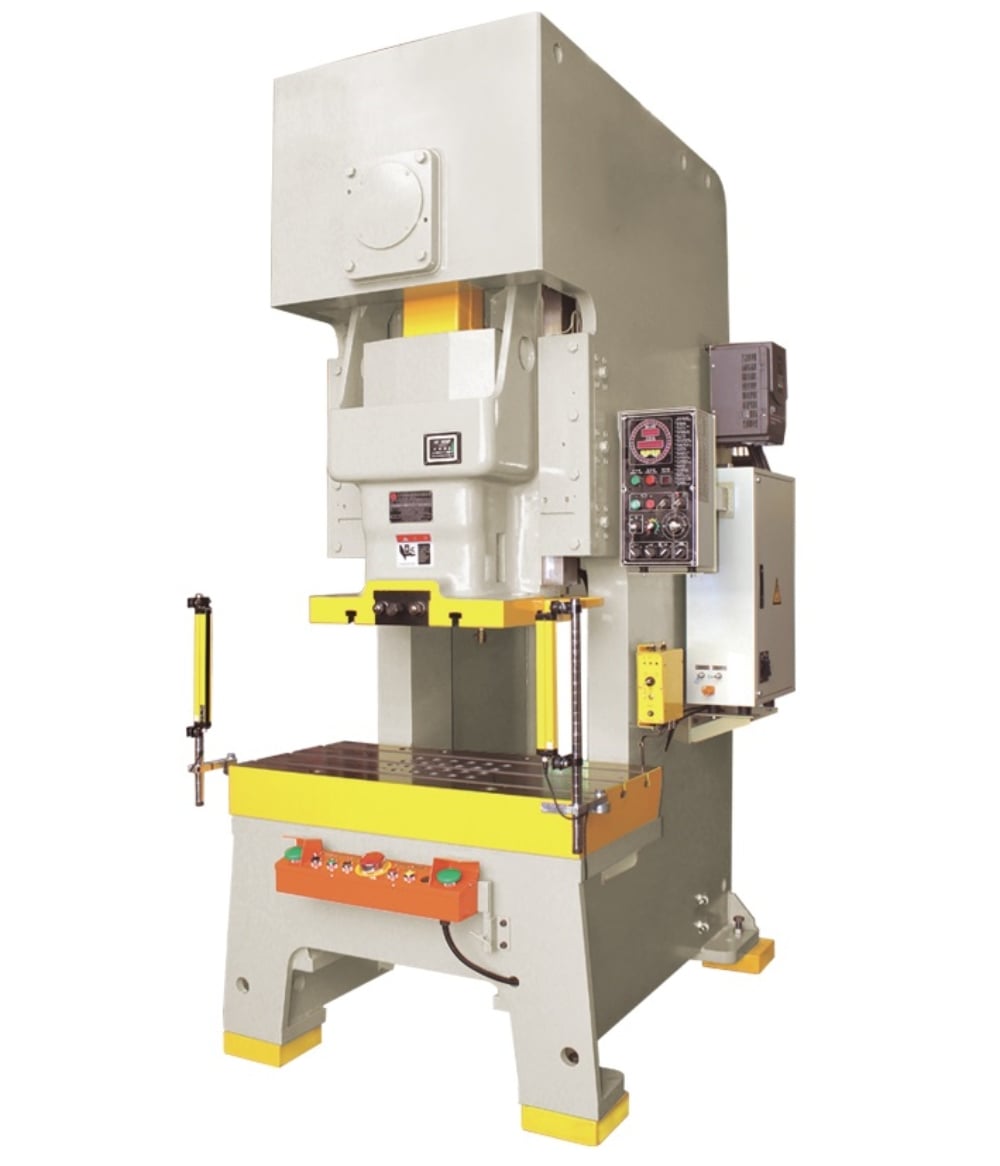
The foundation of any effective maintenance strategy is the daily inspection. These quick, routine checks should be performed by the machine operator at the start or end of every shift. By creating a standardized checklist, operators can catch early warning signs of trouble, such as unusual noises, vibrations, or heat buildup, which are often the first indicators that something is amiss within the machine’s internal systems.
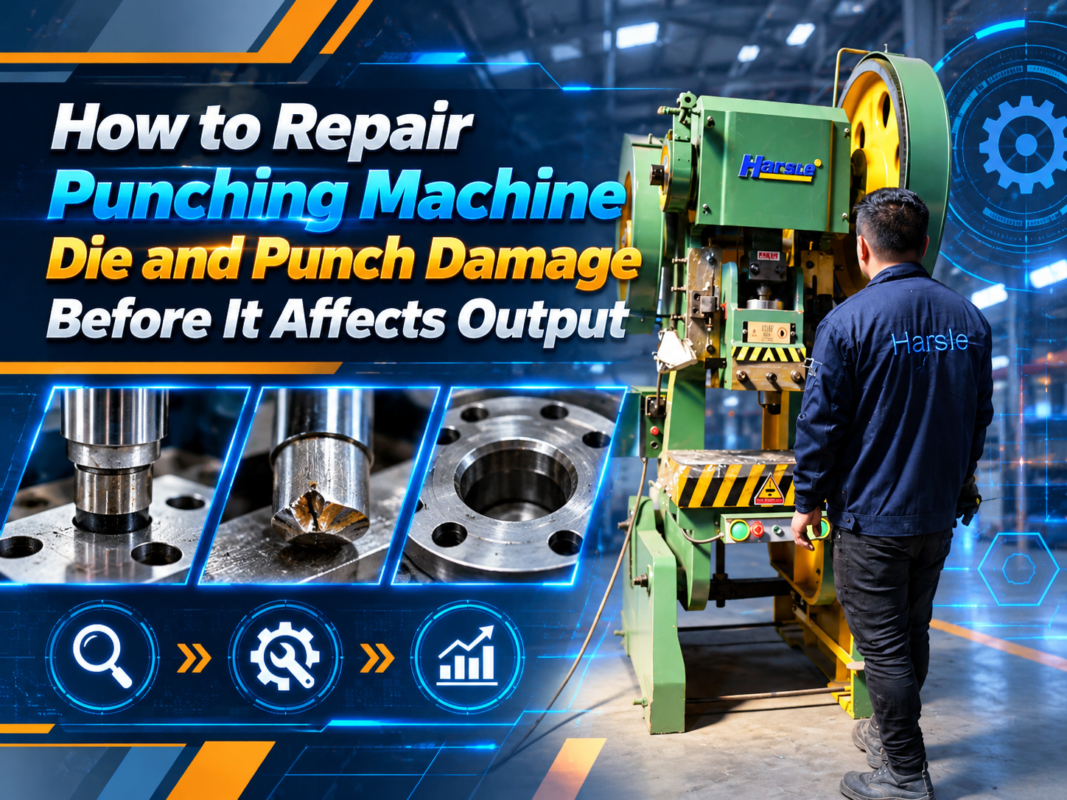
Start by inspecting the punch and die sets. Check for any signs of chipping, dulling, or galling on the cutting edges. A dull punch requires more force to penetrate the material, which puts unnecessary strain on the ram and the hydraulic system. If the tooling shows signs of wear, it should be replaced or sharpened immediately to prevent damage to the machine’s guide system and to ensure the quality of the finished parts remains within tolerance.
Next, examine the scrap removal system. A buildup of metal slugs or debris can lead to jamming, which can cause severe damage to the die or the machine’s frame. Ensure that the scrap chute is clear and that the lubrication system for the punch is functioning correctly. Even a small blockage can lead to significant downtime if the machine is forced to cycle against an obstruction, potentially damaging the internal sensors or the drive mechanism.
Finally, perform a visual check of the machine’s exterior and surrounding area. Look for any signs of hydraulic fluid leaks, loose bolts, or frayed electrical cables. Keeping the area around the machine clean is not just about aesthetics; it is about safety and efficiency. A clean machine allows for easier identification of leaks and prevents debris from entering sensitive components, which is a critical aspect of how to reduce downtime with regular punching machine maintenance.
Hydraulic, Electrical, and Mechanical System Checks
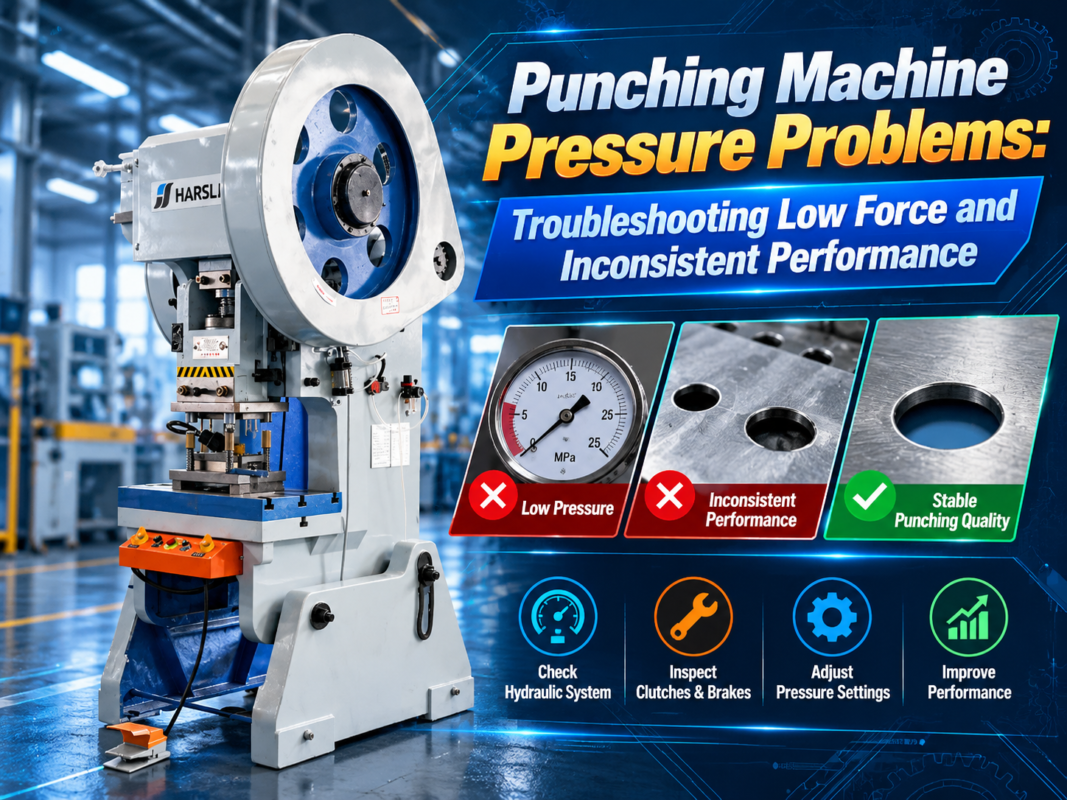
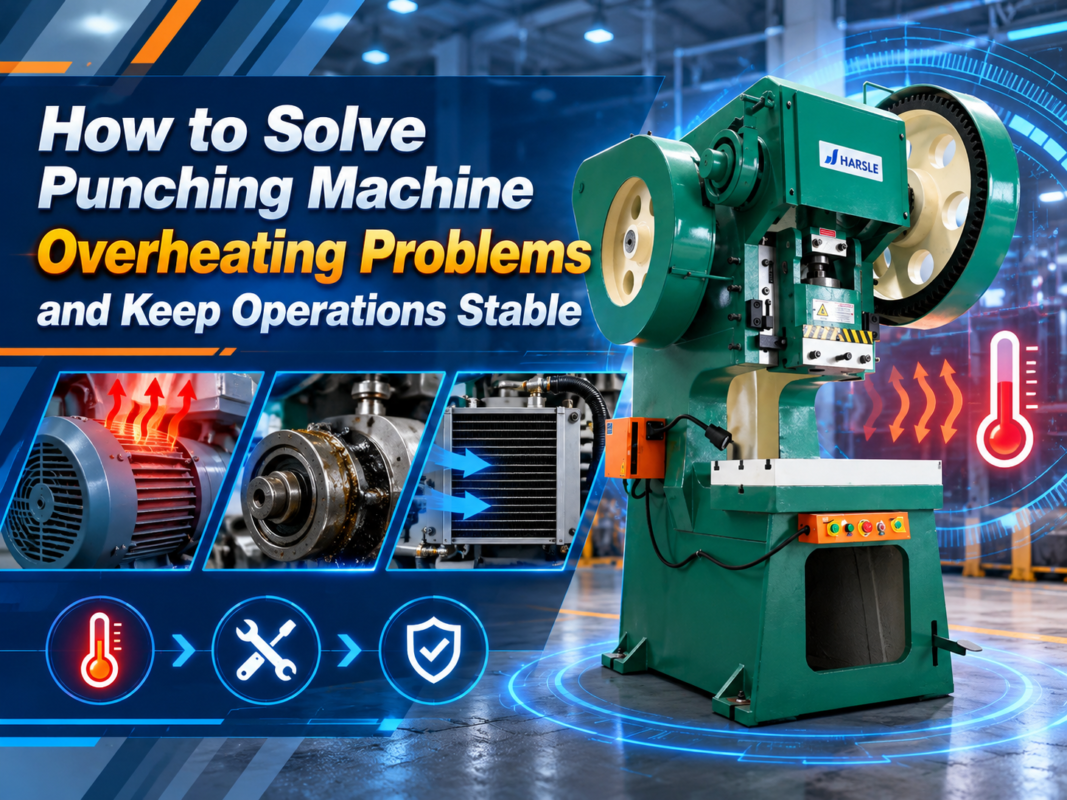
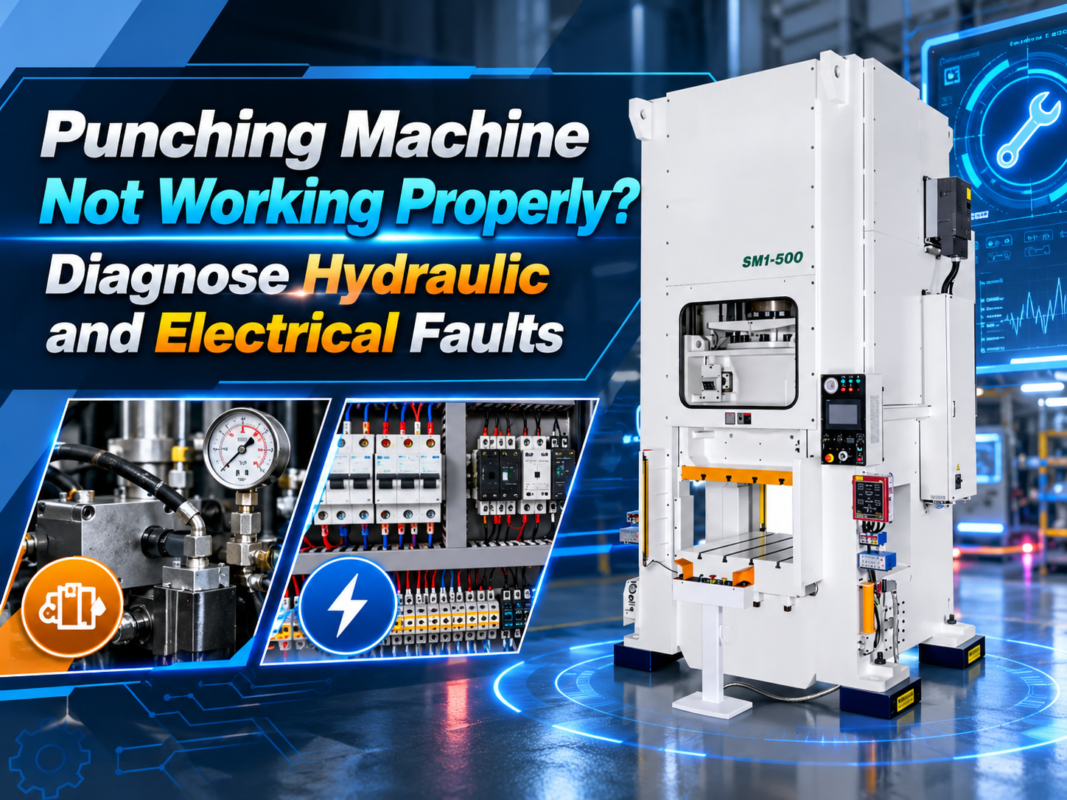
The hydraulic system is the powerhouse of most modern punching machines. To keep it running smoothly, operators must monitor fluid levels and quality. Hydraulic oil should be checked for color and viscosity; if the oil appears milky or dark, it may indicate water contamination or thermal degradation. Regularly replacing the hydraulic filters is essential, as these filters prevent contaminants from damaging the pump and valves, which are the most expensive components to replace in the event of a failure.
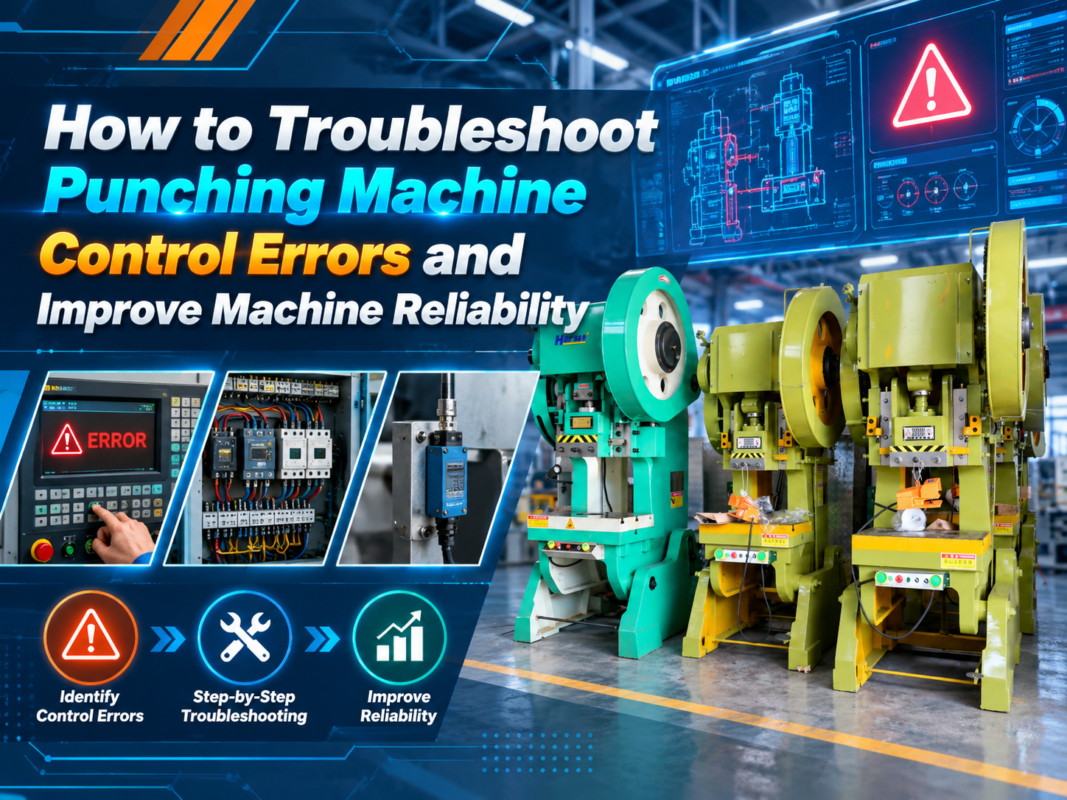
Electrical systems require a different approach. Over time, vibrations can cause electrical connections to loosen, leading to intermittent signal errors or short circuits. Periodically inspect the control cabinet to ensure that all terminals are tight and that there is no dust buildup on the cooling fans or heat sinks. Overheating is a primary cause of electronic component failure, so ensuring proper airflow through the control panel is vital for the longevity of the PLC and other sensitive electronics.
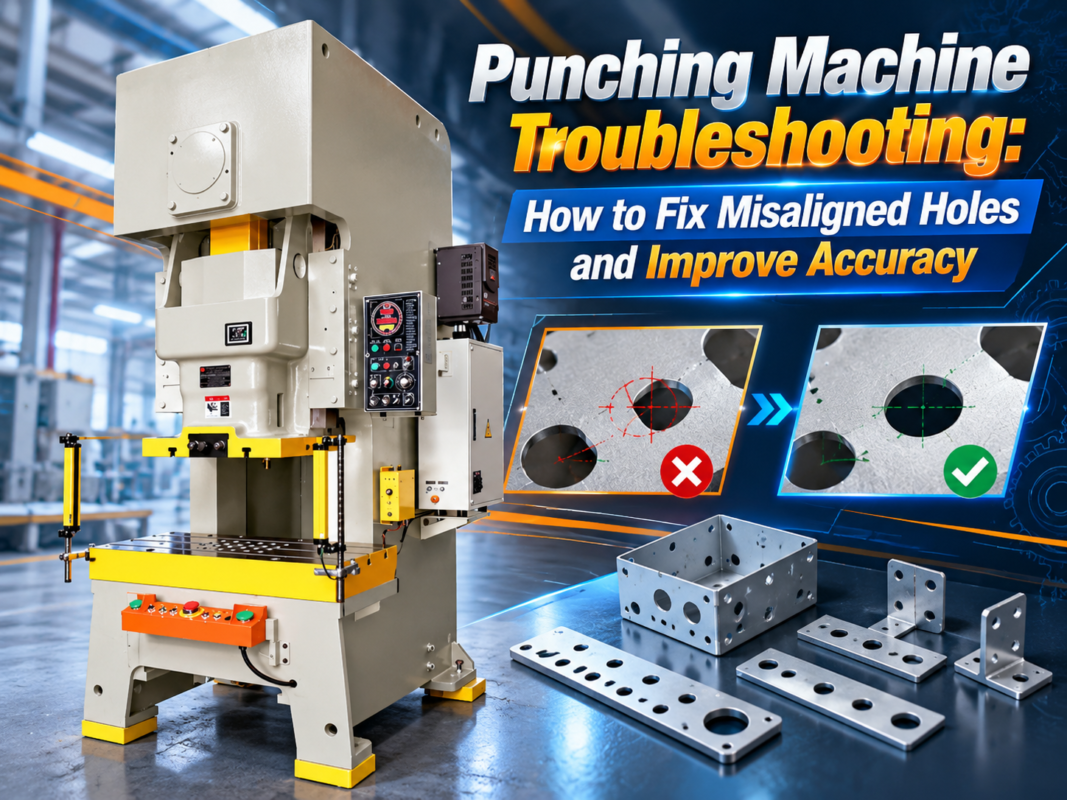
Mechanical components, such as the ram guides, drive shafts, and bearings, are subject to constant stress. These parts should be inspected for signs of excessive play or wear. If the ram exhibits any side-to-side movement, it indicates that the guide gibs need adjustment. Proper alignment is crucial for maintaining the clearance between the punch and die, which directly impacts the quality of the holes and the lifespan of the tooling. Regularly checking these mechanical tolerances is a key step in reducing downtime.
Additionally, pay close attention to the machine’s drive belts or chains. If the machine uses a mechanical drive system, ensure that the tension is correct. A loose belt can slip, causing timing issues, while a belt that is too tight can put excessive pressure on the motor bearings. By systematically checking these three core systems—hydraulic, electrical, and mechanical—you create a robust defense against the most common causes of industrial machinery failure.
The Role of a Comprehensive Lubrication Plan
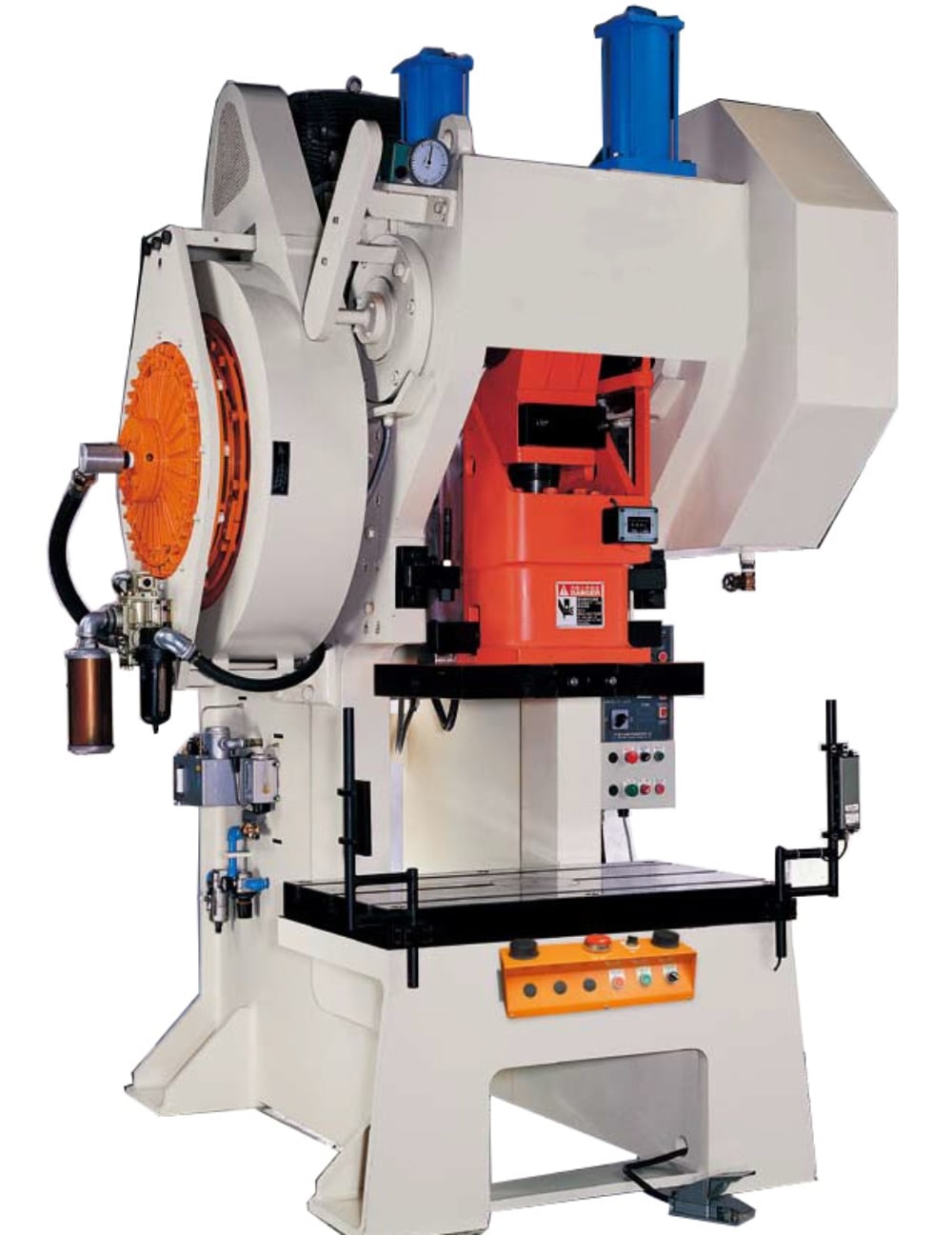
Lubrication is the lifeblood of any metal fabrication equipment. Without proper lubrication, friction between moving parts generates heat, leading to rapid wear and eventual seizure. A comprehensive lubrication plan should be documented and strictly followed, specifying the type of lubricant, the frequency of application, and the specific points on the machine that require attention. Using the wrong type of grease or oil can be just as detrimental as not lubricating at all, so always refer to the manufacturer’s manual.
Automated lubrication systems are common on high-end punching machines, but they should not be ignored. Regularly check the reservoir levels and ensure that the distribution lines are not clogged. If a specific point is not receiving grease, it can lead to localized overheating and catastrophic failure of that component. Manually verify that the grease is reaching the intended surfaces by observing the machine during a lubrication cycle.
For manual lubrication points, such as pivot pins, slides, and lead screws, establish a clear schedule. Some points may require daily attention, while others might only need lubrication weekly or monthly. Keep a logbook or use digital maintenance software to track these tasks. This documentation is essential for accountability and provides a history of the machine’s care, which can be invaluable if warranty claims or technical support issues arise.
Finally, consider the environmental conditions of your shop. If your facility is dusty or operates in high-temperature environments, your lubrication intervals may need to be more frequent than the manufacturer’s standard recommendations. Dust and metal particles can act as an abrasive when mixed with grease, accelerating the wear of sliding surfaces. By tailoring your lubrication plan to your specific operating environment, you further optimize your ability to reduce downtime with regular punching machine maintenance.
Troubleshooting Signals: When to Act Immediately
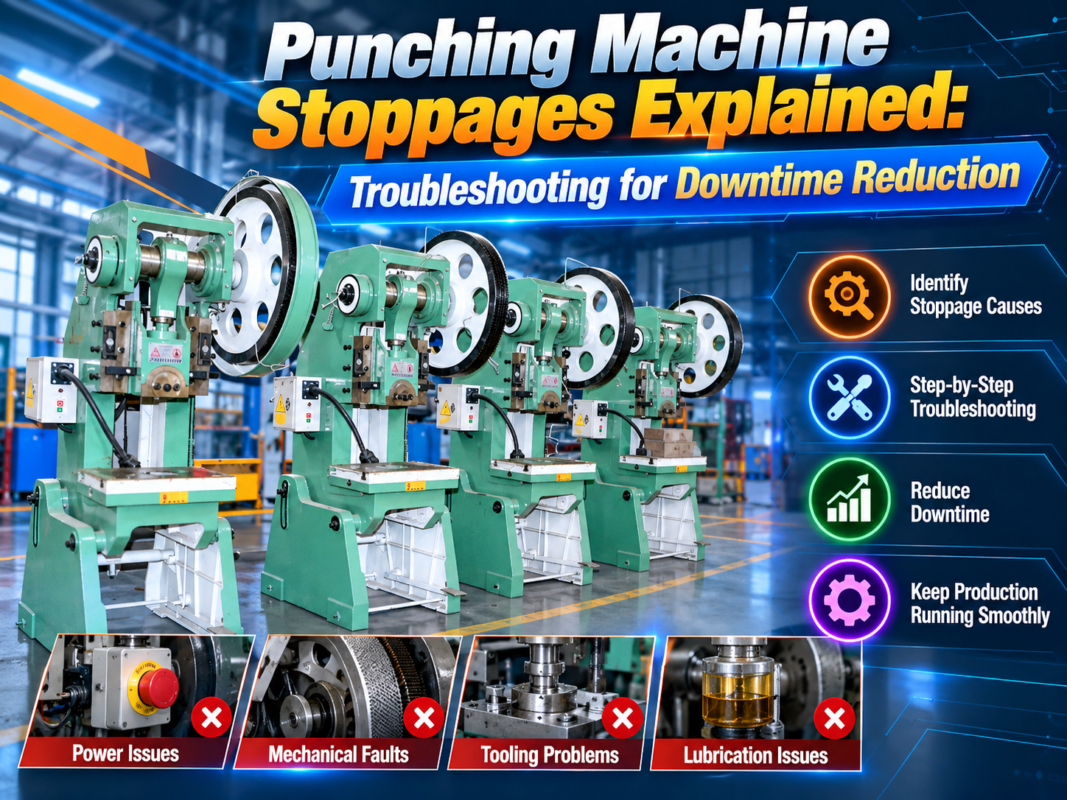
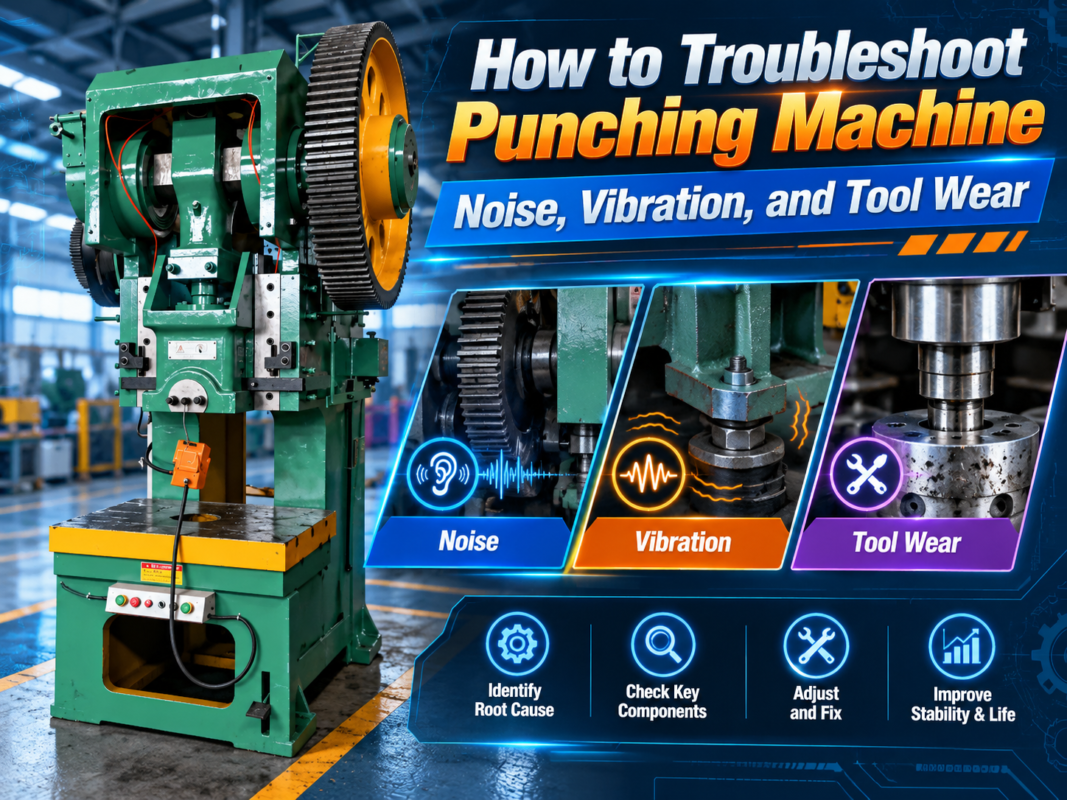
Even with the best maintenance plan, machines will occasionally exhibit signs of distress. Recognizing these signals early is the difference between a quick adjustment and a major repair. One of the most common signals is a change in the sound of the machine. A healthy punching machine has a consistent, rhythmic cycle. If you hear grinding, squealing, or irregular thumping, stop the machine immediately and investigate the source.
Vibration is another critical indicator. While some vibration is normal during the punching process, excessive or unusual shaking can indicate loose mounting bolts, worn bearings, or an unbalanced drive system. Use your senses—if the machine feels different to the touch or if you notice parts vibrating that were previously stable, it is time to perform a targeted inspection of the mechanical linkages.
Error codes on the CNC controller should never be ignored or simply cleared. These codes are the machine’s way of communicating internal issues. Keep a log of all error codes, even those that seem minor. Often, a series of small, intermittent errors precedes a major system failure. By tracking these patterns, you can identify the root cause of the problem before it results in a hard shutdown of the production line.
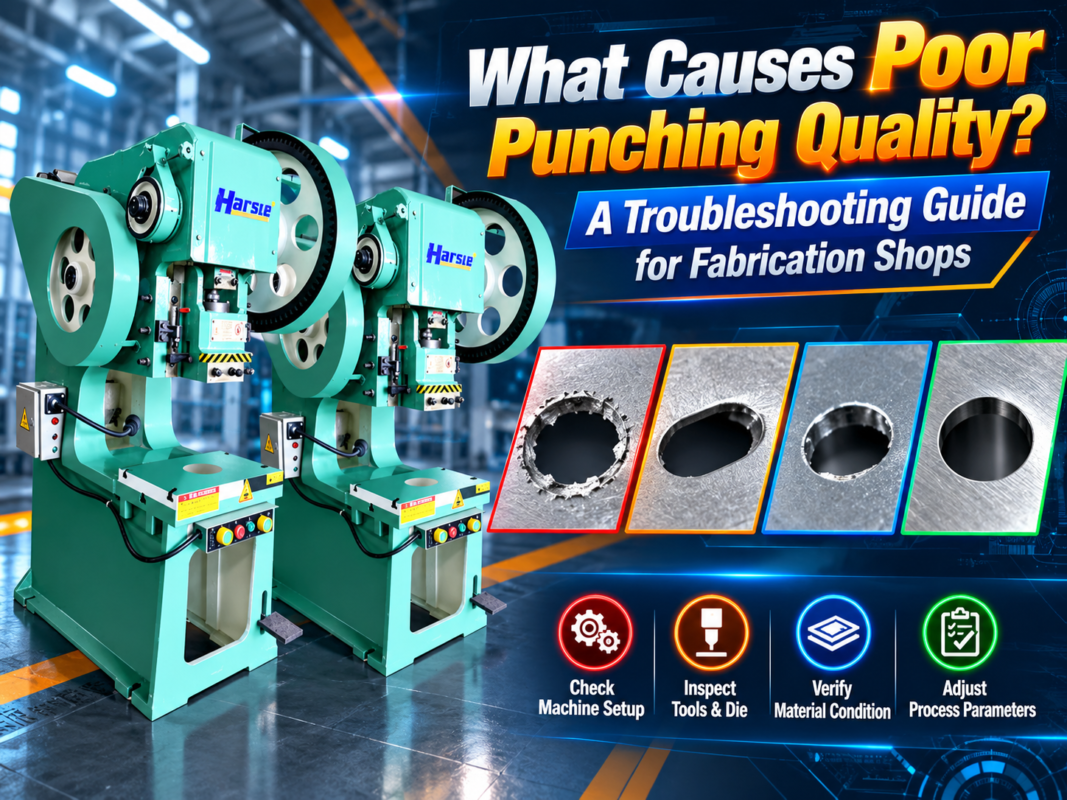
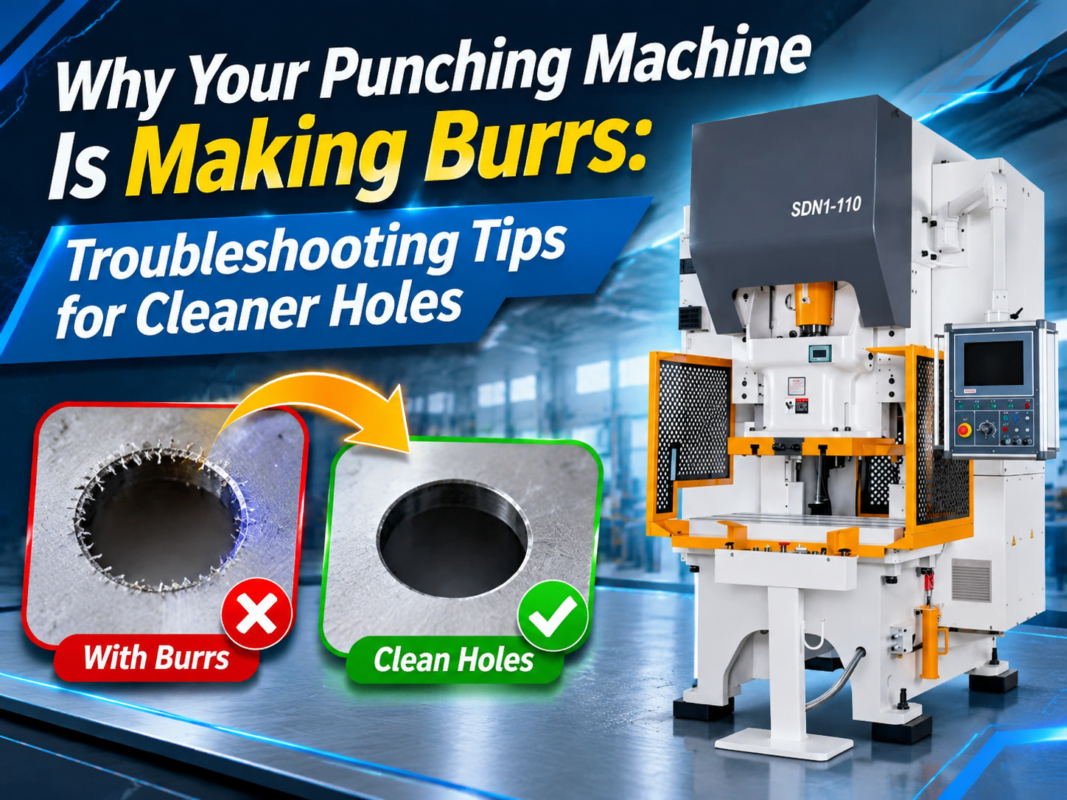
Lastly, monitor the quality of the output. If you notice burrs on the edges of the punched holes, or if the hole dimensions are drifting outside of tolerance, it is a clear sign that the tooling or the machine geometry is compromised. Do not attempt to compensate by adjusting the machine settings to force a result; instead, address the underlying mechanical issue. Responding to these signals promptly is the most effective way to reduce downtime and maintain high production standards.
Maintenance Schedule Table
| Frequency | Task Description | Component |
|---|---|---|
| Daily | Check hydraulic fluid levels and inspect for leaks | Hydraulic System |
| Daily | Clean punch and die area; remove scrap | Tooling/Work Area |
| Weekly | Inspect electrical connections and cooling fans | Electrical Cabinet |
| Weekly | Lubricate all manual grease points | Mechanical Linkages |
| Monthly | Check ram guide alignment and gib clearance | Ram/Slide |
| Quarterly | Replace hydraulic filters and oil | Hydraulic System |
| Bi-Annually | Inspect drive belts, chains, and motor mounts | Drive System |
| Annually | Full calibration and structural bolt torque check | Entire Machine |
Frequently Asked Questions (FAQ)
How often should I change the hydraulic oil in my punching machine?
Generally, hydraulic oil should be changed every 2,000 to 4,000 operating hours, or annually, depending on the intensity of use and the environment. Always check the oil quality for signs of oxidation or contamination.
What is the most common cause of punching machine downtime?
The most common causes are tooling failure due to lack of maintenance, hydraulic system leaks, and electrical sensor malfunctions. Most of these can be prevented with a consistent daily and weekly inspection routine.
Can I use any lubricant for my machine?
No, you must use the specific lubricant grade recommended by the manufacturer. Using the wrong viscosity or type can lead to improper lubrication, overheating, and premature failure of bearings and slides.
Why is my machine producing burrs on the punched parts?
Burrs are typically caused by dull tooling or excessive clearance between the punch and the die. Check your tooling condition first, then verify the alignment of the ram and the die holder.
How does regular maintenance affect the resale value of my HARSLE machine?
A machine with a documented, consistent maintenance history is significantly more valuable on the secondary market. It proves to potential buyers that the equipment has been cared for and is likely to have a longer remaining service life.
What should I do if I hear an unusual noise during operation?
Stop the machine immediately. Perform a visual inspection of the drive system, check for loose components, and ensure that the lubrication system is functioning. If the noise persists, consult your HARSLE service manual or contact a technician.