
Sheet Metal Punching Machine Workflow: Best Practices for Efficient Production


Technical Overview
In the modern metal fabrication landscape, the sheet metal punching machine remains a cornerstone of high-volume production. A sheet metal punching machine workflow: best practices for efficient production begins with understanding the mechanical synergy between the hydraulic or mechanical press, the turret configuration, and the CNC control system. At HARSLE, we emphasize that the efficiency of a punching operation is not merely determined by the speed of the ram, but by the seamless integration of material handling, tool management, and software optimization.
The fundamental process involves a punch and die set working in tandem to shear material through a controlled stroke. Modern CNC punching machines utilize multi-station turrets that allow for rapid tool changes, significantly reducing downtime. By automating the transition between different hole geometries and sizes, manufacturers can maintain high throughput rates while ensuring dimensional accuracy across complex sheet layouts. Understanding the technical limitations and capabilities of your specific machine is the first step toward operational excellence.
Furthermore, the integration of CAD/CAM software is vital. The workflow starts long before the metal hits the machine bed. Engineers must nest parts efficiently to minimize scrap, which is a critical factor in cost-per-part reduction. By utilizing advanced nesting algorithms, operators can ensure that the punching sequence is optimized to prevent sheet deformation and tool wear, which are common technical bottlenecks in high-speed production environments.
Finally, the mechanical stability of the machine frame plays a pivotal role. HARSLE punching machines are engineered with high-rigidity frames to absorb the shock of high-tonnage impacts. This structural integrity ensures that the punch and die remain perfectly aligned, preventing premature tool dulling and ensuring consistent edge quality. A robust technical foundation allows for tighter tolerances and higher repeatability, which are essential for industries such as aerospace, automotive, and electrical enclosure manufacturing.
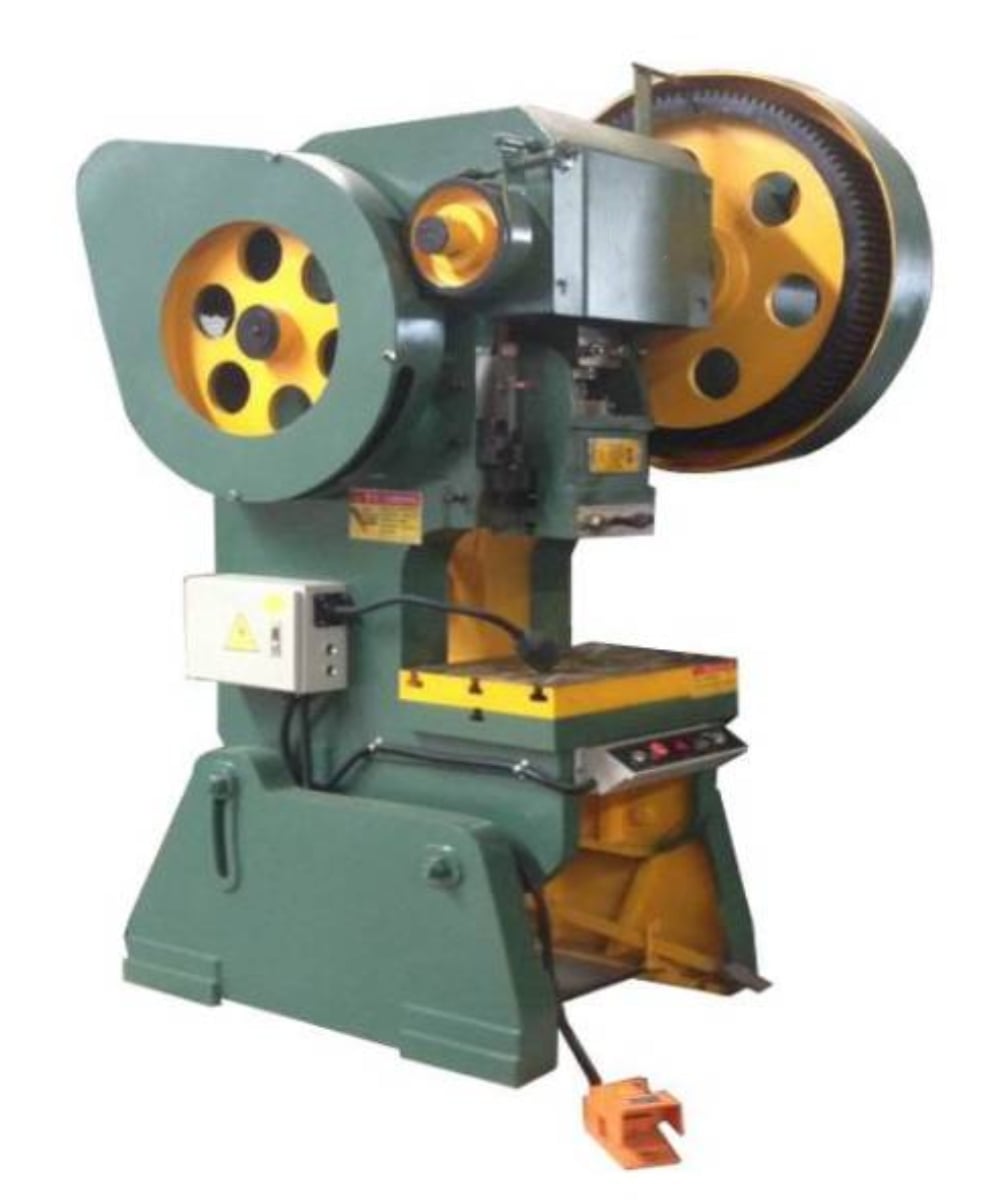
Core Parameters
To master the sheet metal punching machine workflow: best practices for efficient production, operators must be intimately familiar with the core parameters that govern the process. The most critical parameter is the punching force, measured in tons. This force must be calculated based on the material thickness, the shear strength of the metal, and the perimeter of the hole being punched. Exceeding the machine’s rated tonnage can lead to catastrophic frame failure or permanent damage to the hydraulic system.
Another vital parameter is the stroke length and speed. Modern machines allow for adjustable stroke lengths, which can be shortened for thinner materials to increase the number of hits per minute (HPM). Optimizing the stroke ensures that the punch clears the material just enough to allow for sheet movement without wasting time in unnecessary travel. This micro-adjustment is a hallmark of efficient production workflows.
Tool clearance is perhaps the most overlooked parameter. Clearance refers to the gap between the punch and the die. If the clearance is too tight, the machine experiences excessive stress, leading to rapid tool wear and potential galling. If the clearance is too wide, the material will bend rather than shear, resulting in burrs and poor edge quality. Maintaining the correct clearance—typically 10% to 20% of the material thickness—is essential for long-term tool life.
Finally, turret indexing speed and material positioning accuracy are paramount. The time it takes for the turret to rotate to the next tool station and for the X/Y axes to position the sheet is ‘dead time.’ Minimizing this through intelligent programming and machine maintenance is key to maximizing the overall equipment effectiveness (OEE). HARSLE machines are designed with high-speed servo motors to reduce this indexing time to a fraction of a second.
Calculation Method
Calculating the required punching force is a fundamental skill for any production manager. The formula is relatively straightforward: Force (P) = Perimeter of the hole (L) × Material Thickness (t) × Shear Strength of the material (S). By using this formula, you can ensure that your machine is operating within its safe limits, preventing damage and ensuring high-quality results.
For example, if you are punching a circular hole with a diameter of 20mm in a 3mm thick mild steel sheet, the perimeter (L) is π × 20mm ≈ 62.8mm. If the shear strength (S) of mild steel is approximately 0.35 kN/mm², the calculation would be 62.8 × 3 × 0.35 ≈ 65.9 kN. Converting this to tons (dividing by 9.81), you get approximately 6.7 tons of force required. Always add a safety margin of 10-15% to account for tool dulling.
Another calculation involves the ‘hits per minute’ (HPM) capacity. This is calculated by dividing the total cycle time by the number of hits. To improve this, one must analyze the ‘move-and-hit’ time. By grouping similar tools together in the turret, you can reduce the number of turret rotations, thereby increasing the HPM. This mathematical approach to workflow optimization is what separates average shops from industry leaders.
Lastly, consider the scrap rate calculation. Efficient production requires that the area of the parts produced divided by the total area of the sheet is maximized. Advanced software can calculate the ‘material utilization percentage.’ Aiming for a utilization rate above 80% is a standard benchmark for efficient production. If your calculations show lower utilization, it is time to revisit your nesting strategy or part orientation.
Parameter Table
| Parameter | Description | Impact on Efficiency |
|---|---|---|
| Punching Force | Total tonnage applied to the material | Prevents machine damage; ensures clean cuts |
| Tool Clearance | Gap between punch and die | Determines edge quality and tool longevity |
| Stroke Length | Distance the punch travels | Directly affects hits per minute (HPM) |
| Turret Indexing Time | Time to switch between tools | Reduces idle time in production cycle |
| Material Thickness | Gauge of the sheet metal | Dictates force and clearance requirements |
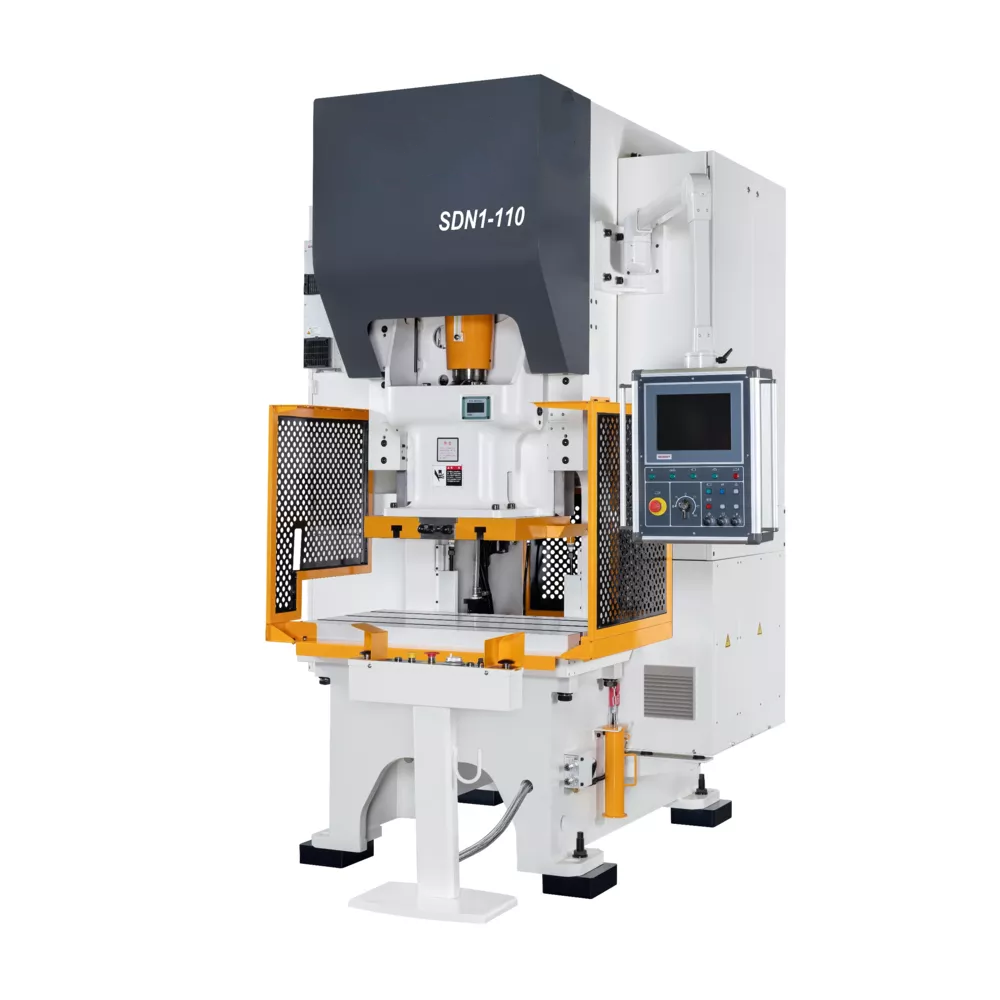
Common Engineering Mistakes
One of the most common mistakes in the sheet metal punching machine workflow: best practices for efficient production is the neglect of tool maintenance. Operators often continue to use dull punches, thinking that a slight increase in force will compensate. This is a dangerous practice that leads to increased burr height, higher energy consumption, and eventual damage to the machine’s guide system. Regular sharpening schedules are non-negotiable.
Another frequent error is poor material clamping. If the clamps are not positioned correctly, the sheet can shift during the punching process, leading to inaccurate hole placement and potential tool breakage. Always ensure that the clamps are set to the correct thickness and that they are not in the path of the punch. A simple pre-flight check of clamp positioning can save hours of rework.
Ignoring the lubrication of the punch is also a significant oversight. Punching creates immense friction and heat. Without proper lubrication, the material can ‘gall’ or stick to the punch, causing the punch to pull the material up on the return stroke. This can lead to severe damage to both the tool and the sheet. Using high-quality lubricants specifically designed for metal punching is a best practice that pays for itself in tool longevity.
Finally, many shops fail to optimize their programming for ‘common line punching.’ By sharing a cut line between two adjacent parts, you can reduce the number of hits required by nearly 50%. This not only speeds up production but also significantly reduces tool wear. Failing to utilize common line punching is a missed opportunity for efficiency that many shops overlook in their daily operations.
Selection Checklist
When selecting a sheet metal punching machine, consider the following checklist to ensure it aligns with your production goals:
- Tonnage Capacity: Does the machine handle your thickest material requirements?
- Turret Configuration: Does the number of stations meet your tool diversity needs?
- Automation Compatibility: Can the machine be integrated with loading/unloading systems?
- CNC Control Interface: Is the software user-friendly and compatible with your existing CAD/CAM?
- Energy Efficiency: Does the machine feature servo-electric drives to reduce power consumption?
- Support and Service: Does the manufacturer offer local technical support and spare parts availability?
- Safety Features: Are light curtains and emergency stops compliant with international standards?
By systematically evaluating these criteria, you can invest in a machine that not only meets current demands but also scales with your business growth. HARSLE provides comprehensive consultations to help you match the right machine to your specific fabrication needs, ensuring that your investment is future-proof and highly productive.
FAQ
How often should I sharpen my punching tools?
Sharpening frequency depends on the material type, thickness, and the number of hits. As a rule of thumb, sharpen tools when the burr height exceeds 0.1mm. Regular inspection is key to maintaining quality.
Can I punch stainless steel on a standard machine?
Yes, but you must account for the higher shear strength of stainless steel. You will need more tonnage and may require specialized coatings on your punches to prevent galling.
What is the benefit of servo-electric punching over hydraulic?
Servo-electric machines offer higher precision, lower energy consumption, and reduced maintenance costs compared to traditional hydraulic systems. They are also quieter and more environmentally friendly.
How do I reduce scrap in my punching workflow?
Use advanced nesting software to optimize part layout. Implementing common line punching and ensuring the sheet is properly clamped also helps in maximizing material utilization.
What is the most important maintenance task?
Lubrication and tool cleaning are the most critical. Keeping the turret clean and ensuring the punch guides are well-lubricated will prevent 90% of common machine issues.












