Top Industrial Applications Of Press Brake Machines In Manufacturing


Introduction
In the modern landscape of metal fabrication, the press brake stands as a cornerstone of production efficiency. As industries evolve toward higher precision and faster turnaround times, understanding the Top Industrial Applications Of Press Brake Machines In Manufacturing becomes essential for engineers, shop owners, and procurement managers alike. These machines are not merely tools for bending metal; they are sophisticated systems capable of transforming flat sheet metal into complex, load-bearing components that form the backbone of our infrastructure.
HARSLE has long been at the forefront of this technological evolution, providing high-performance machinery that meets the rigorous demands of global manufacturing. Whether it is a small-scale job shop or a massive automotive assembly line, the versatility of a press brake allows for unparalleled design freedom. By utilizing advanced CNC controls and hydraulic synchronization, modern press brakes ensure that every bend is executed with micron-level accuracy, reducing waste and optimizing material usage.
This comprehensive guide explores the diverse sectors that rely on press brake technology. From the structural integrity required in construction to the aesthetic precision needed in consumer electronics, we will delve into how these machines facilitate innovation. By examining the technical capabilities and the strategic importance of these machines, we aim to provide a clear roadmap for businesses looking to enhance their fabrication capabilities.
Key Considerations for Industrial Metal Bending
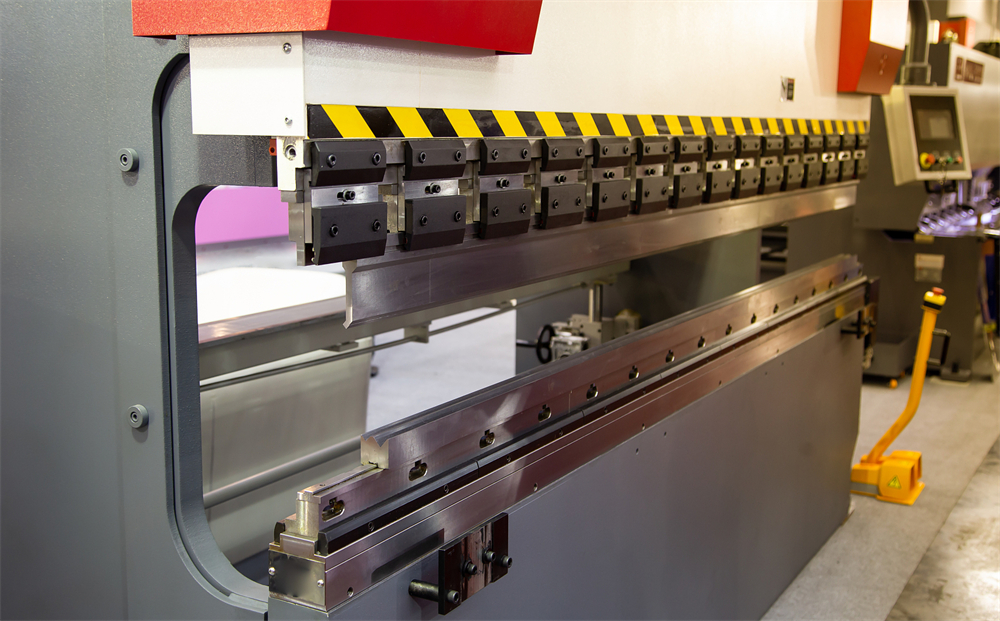
When integrating a press brake into a manufacturing workflow, several key considerations must be addressed to ensure optimal performance. The first factor is material properties. Different metals, such as stainless steel, aluminum, and high-strength alloys, possess varying levels of springback and tensile strength. Understanding these characteristics is vital for programming the machine to achieve the desired bend angle without compromising the structural integrity of the workpiece.
Another critical consideration is the tonnage requirement. Tonnage is the force exerted by the ram to bend the metal, and it is determined by the material thickness, the length of the bend, and the die opening. Selecting a machine with insufficient tonnage leads to poor bend quality and potential machine damage, while excessive tonnage can cause unnecessary wear on the tooling and the frame. HARSLE engineers recommend a thorough analysis of the maximum material thickness and bend length before finalizing a machine specification.
Tooling selection is equally important. The choice between air bending, bottoming, and coining significantly impacts the final result. Air bending is the most versatile method, allowing for various angles with a single set of tools, whereas bottoming provides higher precision for specific angles. Manufacturers must weigh the cost of specialized tooling against the flexibility required for their specific product mix to maximize return on investment.
Finally, the integration of automation and software cannot be overlooked. Modern press brakes are increasingly equipped with offline programming software that allows operators to simulate bends before the metal ever touches the machine. This reduces setup time and minimizes errors, which is crucial for high-mix, low-volume production environments. By considering these factors, manufacturers can ensure that their investment in metal fabrication equipment yields long-term dividends.
Top Industrial Applications Of Press Brake Machines In Manufacturing
The versatility of the press brake allows it to serve a wide array of industries. In the automotive sector, press brakes are used to form chassis components, body panels, and structural reinforcements. The ability to handle high-strength, lightweight materials is critical for modern vehicle design, where fuel efficiency and safety are paramount. HARSLE machines provide the repeatability needed to maintain strict tolerances across thousands of identical parts.
In the construction and infrastructure industry, press brakes are indispensable for creating structural steel components. From support beams and brackets to custom architectural cladding, the machine’s ability to handle large-scale sheets is vital. These components must meet rigorous safety standards, and the precision of a CNC press brake ensures that every structural element fits perfectly during on-site assembly, significantly reducing construction delays.
The aerospace industry represents one of the most demanding applications for press brake technology. Components used in aircraft must be lightweight yet incredibly durable. Press brakes are used to form complex geometries in titanium and specialized aluminum alloys. The high level of control offered by modern hydraulic systems allows for the precise bending of these exotic materials, ensuring that every part meets the stringent aerospace certification requirements.
The energy sector, particularly in renewable energy, relies heavily on press brakes for the fabrication of wind turbine towers and solar panel mounting systems. These structures are often massive and require heavy-duty bending capabilities. HARSLE’s heavy-duty press brakes are designed to handle the thick plates required for these applications, providing the force and stability needed to form large-diameter cylinders and complex structural shapes with ease.
Technical Details and Machine Capabilities
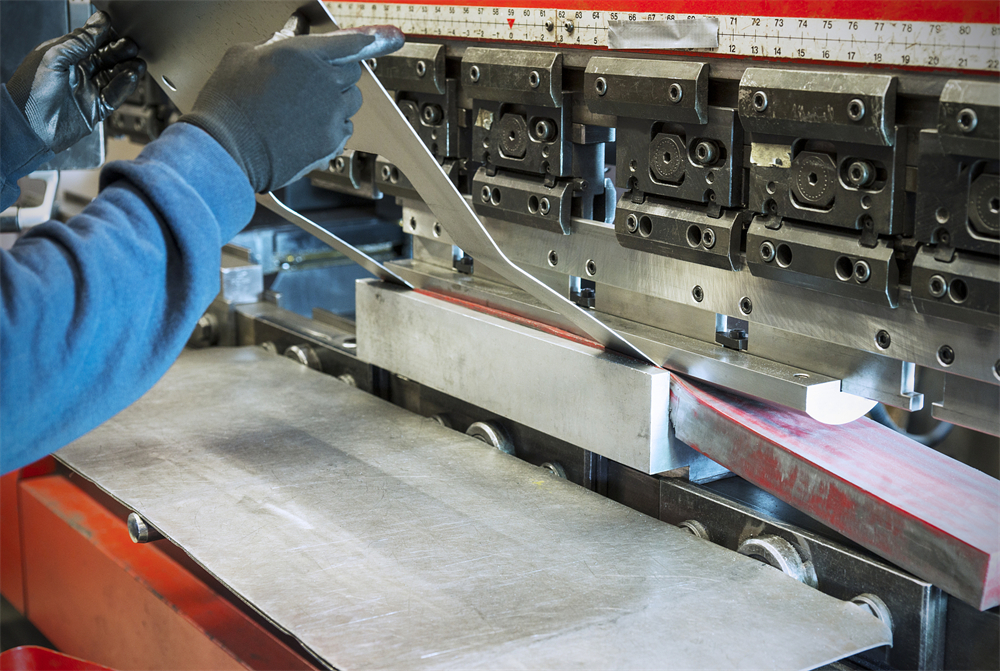
At the heart of a modern press brake is the hydraulic synchronization system. This technology ensures that both cylinders move in perfect unison, maintaining a parallel ram position throughout the bending cycle. This is critical for achieving consistent bend angles across the entire length of the workpiece. HARSLE utilizes advanced proportional valves and high-resolution encoders to monitor and adjust the ram position in real-time, compensating for any deflection or material variation.
The CNC controller serves as the brain of the machine. Modern controllers support 3D visualization, allowing operators to see the bending process in a virtual environment. This feature is particularly useful for complex parts with multiple bends, as it helps prevent collisions and ensures that the bending sequence is optimized for efficiency. Furthermore, these controllers can store thousands of programs, making it easy to switch between different production runs with minimal downtime.
Backgauge systems are another critical technical component. A multi-axis backgauge allows for the precise positioning of the sheet metal, ensuring that the bend is located exactly where it needs to be. Advanced systems can move in X, R, and Z axes, providing the flexibility to handle complex part geometries. By automating the positioning process, manufacturers can significantly increase their throughput and reduce the reliance on manual measurement.
Safety features are integrated into every aspect of the machine design. Laser safety guards, light curtains, and emergency stop systems are standard on HARSLE equipment. These features not only protect the operator but also ensure compliance with international safety standards. By prioritizing both performance and safety, HARSLE provides a reliable solution for high-speed production environments where operator well-being is a top priority.
Selection Advice for Your Fabrication Facility
Choosing the right press brake is a strategic decision that impacts your facility’s productivity for years to come. Start by evaluating your current and future production needs. If your shop handles a high volume of simple parts, a standard hydraulic press brake may suffice. However, if you are moving toward complex, custom fabrication, investing in a machine with advanced CNC capabilities and multi-axis backgauges will provide the necessary flexibility to grow your business.
Consider the footprint of the machine and the layout of your shop floor. A press brake is a significant piece of equipment that requires adequate space for material handling and operator movement. Ensure that your facility can accommodate the machine’s weight and power requirements. It is also wise to consult with the manufacturer regarding installation and training services, as proper setup is crucial for long-term machine health.
Maintenance support is another vital factor. Look for a manufacturer that offers comprehensive after-sales support, including spare parts availability and technical assistance. HARSLE prides itself on its global service network, ensuring that customers receive timely support regardless of their location. A machine is only as good as the support behind it, so prioritize partners who are committed to your long-term success.
Finally, do not overlook the importance of operator training. Even the most advanced machine will underperform if the operator is not fully trained on its capabilities. Invest in training programs that cover everything from basic operation to advanced programming and maintenance. This will empower your team to get the most out of your investment and ensure that your shop remains competitive in an increasingly demanding market.
Frequently Asked Questions (FAQ)
What is the difference between air bending and bottoming?
Air bending involves pressing the metal into a V-die without the punch touching the bottom of the die. It is highly versatile and requires less tonnage. Bottoming involves pressing the metal to the bottom of the die, which provides higher precision and less springback but requires more tonnage and specific tooling.
How often should I perform maintenance on my press brake?
Routine maintenance should be performed according to the manufacturer’s schedule, typically every 500 to 1,000 operating hours. This includes checking hydraulic fluid levels, inspecting seals, cleaning the backgauge, and ensuring all safety systems are functioning correctly.
Can a press brake be used for materials other than steel?
Yes, press brakes can be used for a wide range of materials, including aluminum, copper, brass, and various alloys. However, the machine settings, such as tonnage and bend allowance, must be adjusted based on the material’s specific properties.
What is the role of the CNC controller in a press brake?
The CNC controller manages the machine’s axes, ram position, and bending sequence. It allows for precise, repeatable bends and enables the use of offline programming software to optimize production efficiency.
Why is HARSLE considered a leader in metal fabrication equipment?
HARSLE is recognized for its commitment to innovation, quality, and customer support. By combining advanced technology with robust design, HARSLE machines deliver the precision and reliability required by modern industrial applications.
Conclusion
The Top Industrial Applications Of Press Brake Machines In Manufacturing demonstrate the indispensable role these machines play in shaping our world. From the automotive and aerospace industries to construction and renewable energy, the ability to bend metal with precision and efficiency is a fundamental requirement for progress. By understanding the technical capabilities, key considerations, and selection criteria outlined in this guide, manufacturers can make informed decisions that drive growth and innovation.
HARSLE remains dedicated to providing the tools and expertise necessary for businesses to excel in the competitive field of metal fabrication. With a focus on quality, safety, and technological advancement, our press brakes are designed to meet the challenges of today while preparing for the opportunities of tomorrow. Whether you are looking to upgrade your existing equipment or expand your production capabilities, choosing the right partner is the first step toward achieving your manufacturing goals.
As you continue to explore the possibilities of metal fabrication, remember that the success of your operations depends on the synergy between skilled operators, high-quality machinery, and a commitment to continuous improvement. We invite you to explore the full range of HARSLE solutions and discover how our press brake technology can elevate your production standards to new heights.