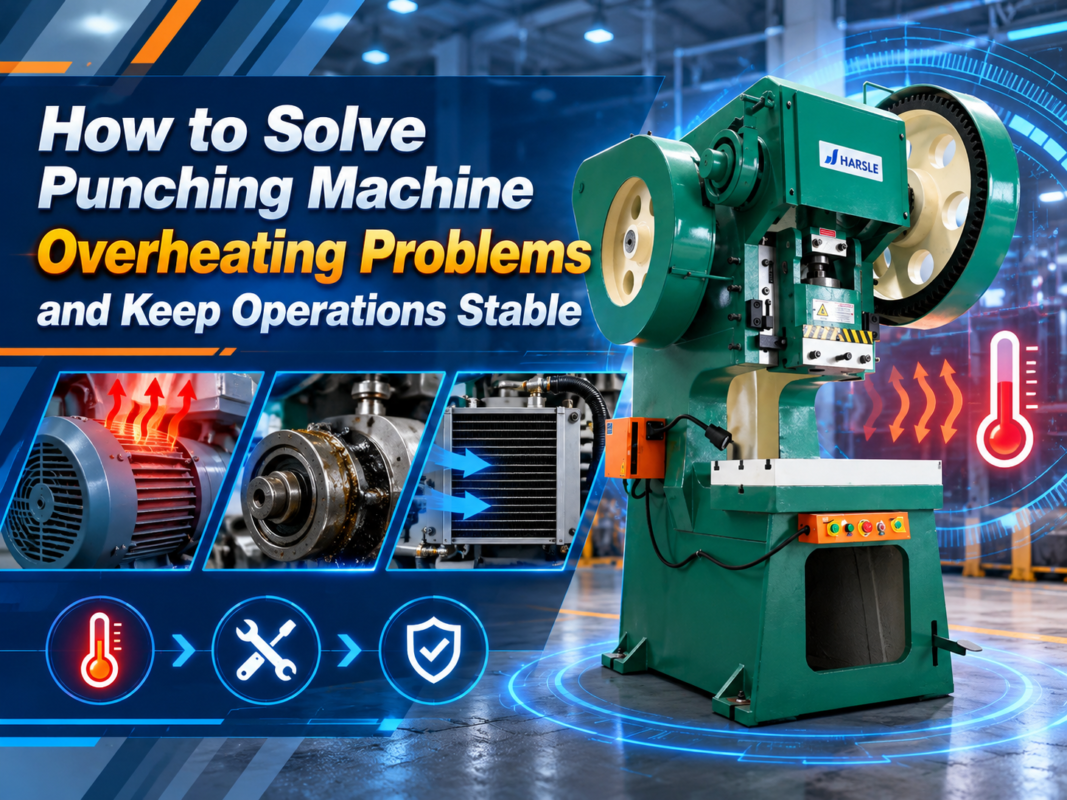
Troubleshooting Press Brake Issues Through Better Maintenance Practices: A Comprehensive Guide


The Critical Importance of Maintenance in Metal Fabrication
In the high-stakes world of metal fabrication, the press brake serves as the heartbeat of the production floor. Whether you are operating a high-tonnage HARSLE hydraulic press brake or a precision electric model, the consistency of your output depends entirely on the health of your machinery. Troubleshooting press brake issues through better maintenance practices is not merely a cost-saving measure; it is a fundamental operational strategy that prevents catastrophic downtime and ensures the safety of your workforce.
When a press brake begins to show signs of wear—such as inconsistent bend angles, hydraulic leaks, or unusual noise—it is often the result of neglected maintenance cycles. By adopting a proactive stance, fabricators can identify micro-deviations in performance before they manifest as expensive mechanical failures. A well-maintained machine retains its resale value, consumes less energy, and provides the repeatable accuracy required for complex aerospace, automotive, and construction projects.
Furthermore, the complexity of modern CNC press brakes requires a sophisticated approach to upkeep. Today’s machines integrate advanced electronics, sensitive hydraulic valves, and high-precision backgauges. Treating these components with a ‘run-to-failure’ mentality is a recipe for disaster. Instead, integrating maintenance into the daily workflow transforms the machine from a liability into a reliable asset that drives profitability and throughput.
Ultimately, the goal of this guide is to empower operators and maintenance managers to take control of their equipment’s lifespan. By understanding the symbiotic relationship between mechanical integrity and operational precision, you can minimize the frequency of troubleshooting sessions and maximize the uptime of your HARSLE equipment. Let us delve into the specific practices that define a world-class maintenance program.
Daily Inspection Protocols for Maximum Uptime
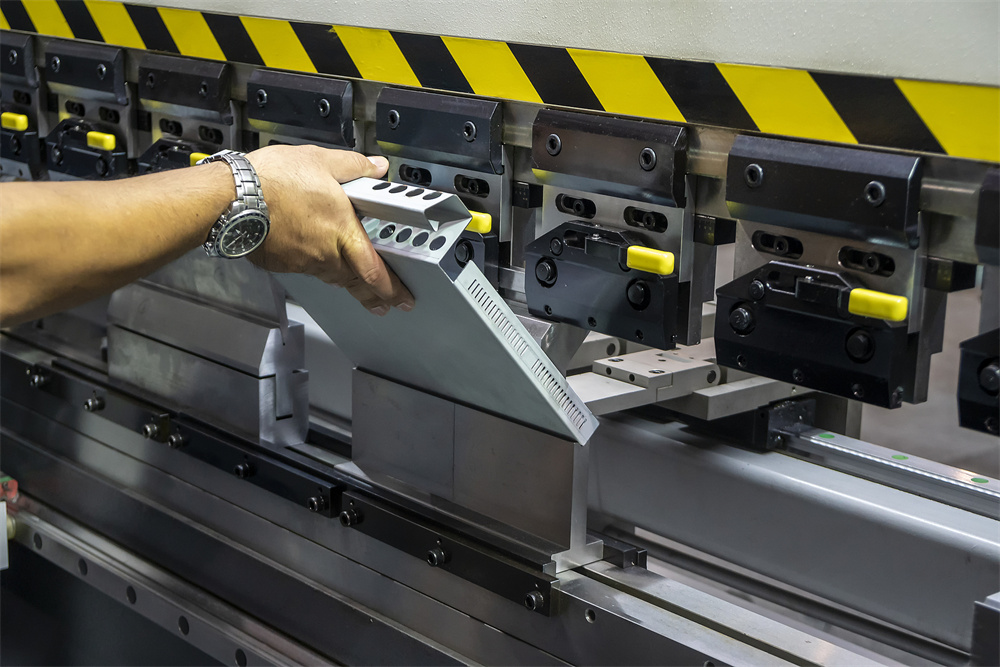
The foundation of any effective maintenance strategy is the daily inspection. Before the first shift begins, operators should perform a ‘walk-around’ to assess the machine’s condition. This routine should take no more than ten minutes but can save hours of troubleshooting later. Start by checking the hydraulic oil levels and looking for any visible signs of leakage around hoses, fittings, and cylinders. Even a small drip can indicate a failing seal that could lead to a pressure drop during a critical bend.
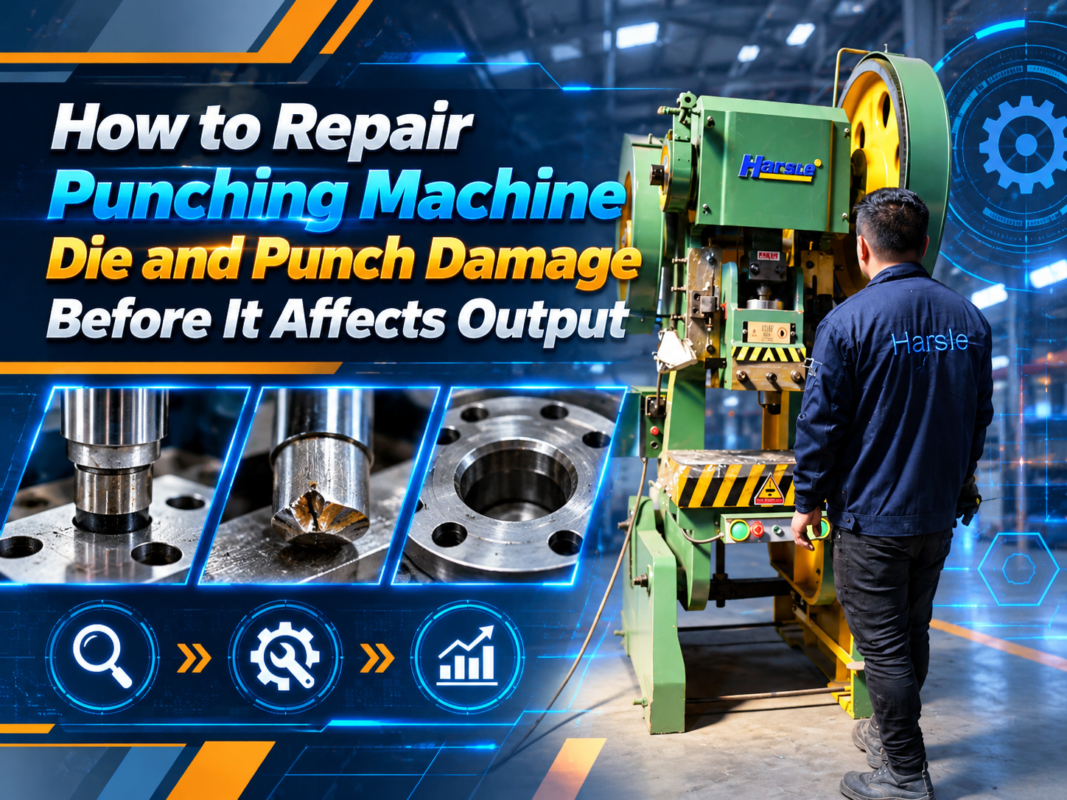
Next, inspect the tooling. The punch and die must be free of debris, scale, and metal chips. A buildup of material in the die groove is a common cause of uneven bending and can lead to permanent damage to the tool surface. Use a soft brush or compressed air to clear the area, and always verify that the tooling is properly seated and clamped. A loose tool is not only a quality issue but a significant safety hazard.
The backgauge system is another critical area for daily attention. Ensure that the fingers move smoothly along the X and R axes without obstruction. Listen for grinding noises or erratic movements that might suggest a need for lubrication or a potential sensor misalignment. If the backgauge is not calibrated correctly, your parts will consistently fail inspection, leading to wasted material and time.
Finally, perform a safety check on the light curtains and emergency stop buttons. These systems are the primary safeguard for your operators. Test the light curtains by interrupting the beam and ensuring the ram stops instantly. If the machine does not respond immediately, it must be locked out and tagged out until the electrical system is repaired. Never compromise on safety protocols, as they are the most important part of your daily routine.
Hydraulic, Electrical, and Mechanical System Checks
Troubleshooting press brake issues through better maintenance practices requires a deep dive into the three core systems of the machine: hydraulic, electrical, and mechanical. The hydraulic system is the powerhouse of the press brake. Beyond checking oil levels, you must monitor the oil temperature and cleanliness. Hydraulic fluid acts as both a lubricant and a coolant; if it becomes contaminated with metal shavings or moisture, it will accelerate the wear of the pump and valves. Schedule regular oil analysis to detect contaminants before they cause systemic damage.
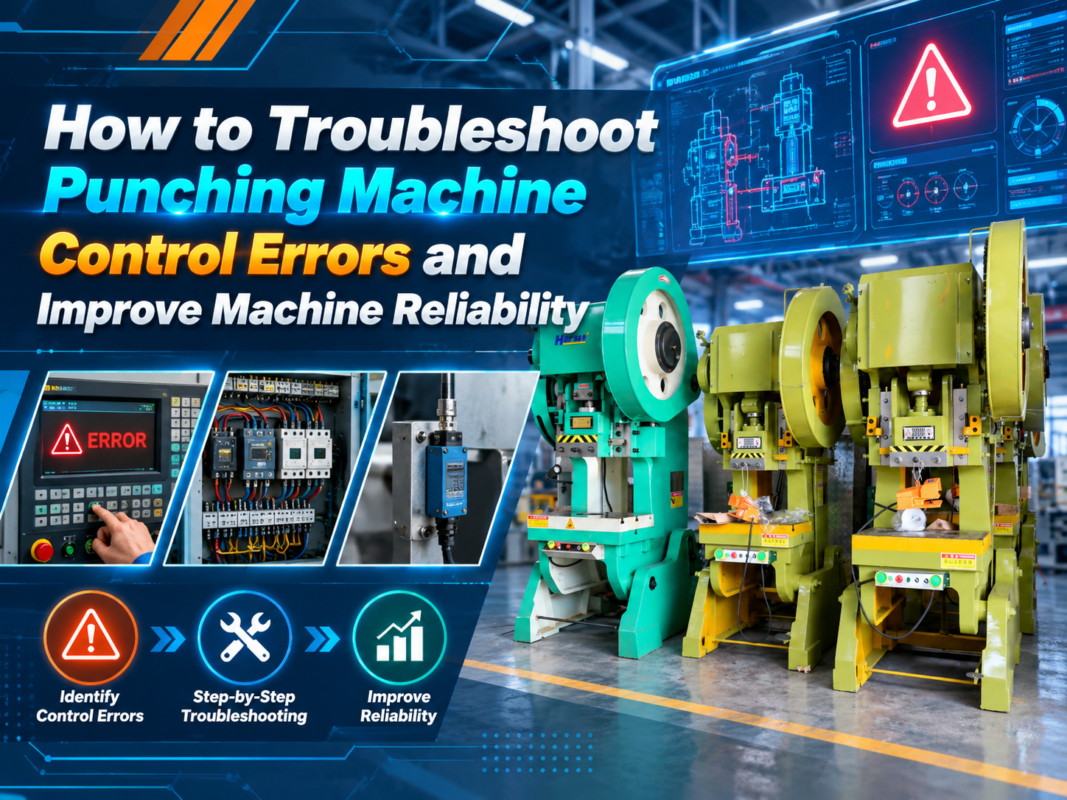
The electrical system is the brain of the press brake. Modern CNC controllers are sensitive to voltage fluctuations and heat. Ensure that the electrical cabinet is clean and that the cooling fans are operational. Dust buildup on circuit boards can lead to overheating and intermittent signal errors. Periodically check all terminal connections for tightness, as vibration can cause wires to loosen over time, leading to ‘ghost’ errors that are notoriously difficult to troubleshoot.
Mechanically, the focus should be on the ram guides and the bed. The ram guides are subject to immense pressure and friction. Ensure they are properly lubricated according to the manufacturer’s specifications. If you notice the ram ‘sticking’ or moving unevenly, it may be a sign that the guide gibs need adjustment. Proper gib clearance is essential for maintaining the parallelism between the punch and the die, which is the key to accurate bending.
Lastly, examine the drive components, including belts, pulleys, and ball screws. If your press brake uses a servo-driven system, the ball screws must be kept clean and lubricated to prevent backlash. Backlash in the backgauge or ram drive will manifest as inconsistent bend dimensions. By systematically checking these three areas, you create a comprehensive barrier against the most common causes of press brake failure.
Developing a Robust Lubrication Plan
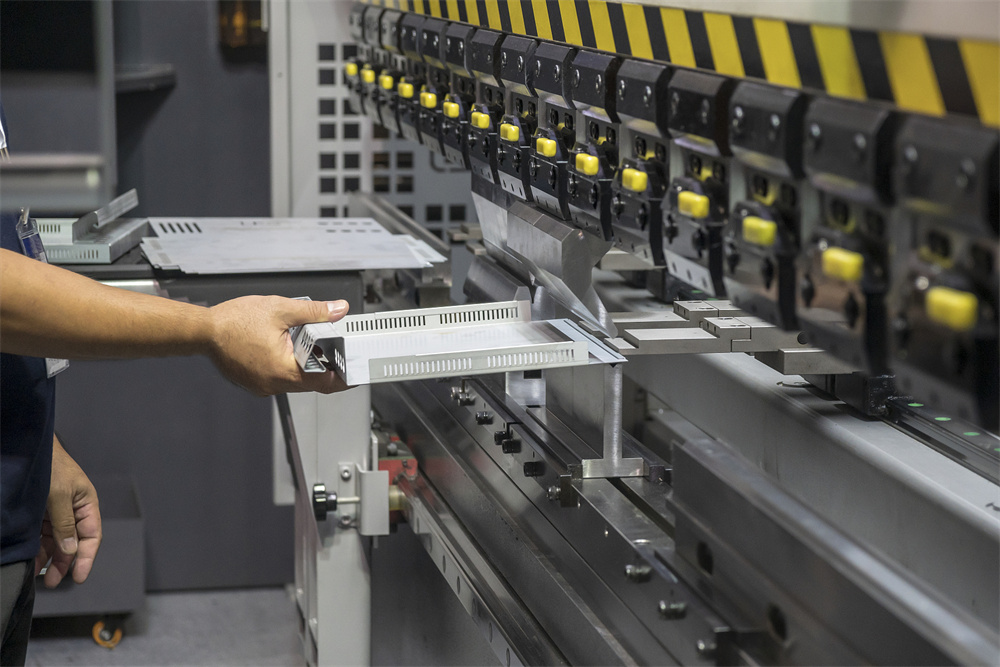
Lubrication is the lifeblood of any industrial machine. A press brake is a complex assembly of moving parts, and friction is its greatest enemy. A robust lubrication plan should be documented and strictly followed. Start by identifying every lubrication point on the machine, including the ram guides, backgauge rails, and any pivot points in the mechanical linkage. Use only the high-quality lubricants recommended by HARSLE to ensure compatibility with seals and gaskets.
The frequency of lubrication depends on the machine’s duty cycle. A press brake running two shifts a day will require more frequent attention than one used intermittently. Create a lubrication log that tracks when each point was serviced, who performed the task, and what lubricant was used. This log serves as an audit trail and helps identify if specific components are wearing out faster than expected, which could indicate an underlying alignment issue.
Don’t over-lubricate. While it might seem like ‘more is better,’ excess grease can attract dust and metal particles, creating an abrasive paste that accelerates wear. Apply the correct amount as specified in your HARSLE maintenance manual. If you are using an automatic lubrication system, verify that the pump is functioning and that the lines are not blocked. A blocked line can leave a critical bearing dry, leading to catastrophic failure.
Finally, consider the environmental conditions of your shop. If your facility is dusty or experiences high humidity, you may need to adjust your lubrication intervals accordingly. Moisture can cause rust on the bed and ram, while dust can infiltrate seals. By tailoring your lubrication plan to your specific environment, you extend the life of your press brake significantly and reduce the need for emergency troubleshooting.
Troubleshooting Signals: Interpreting Machine Behavior
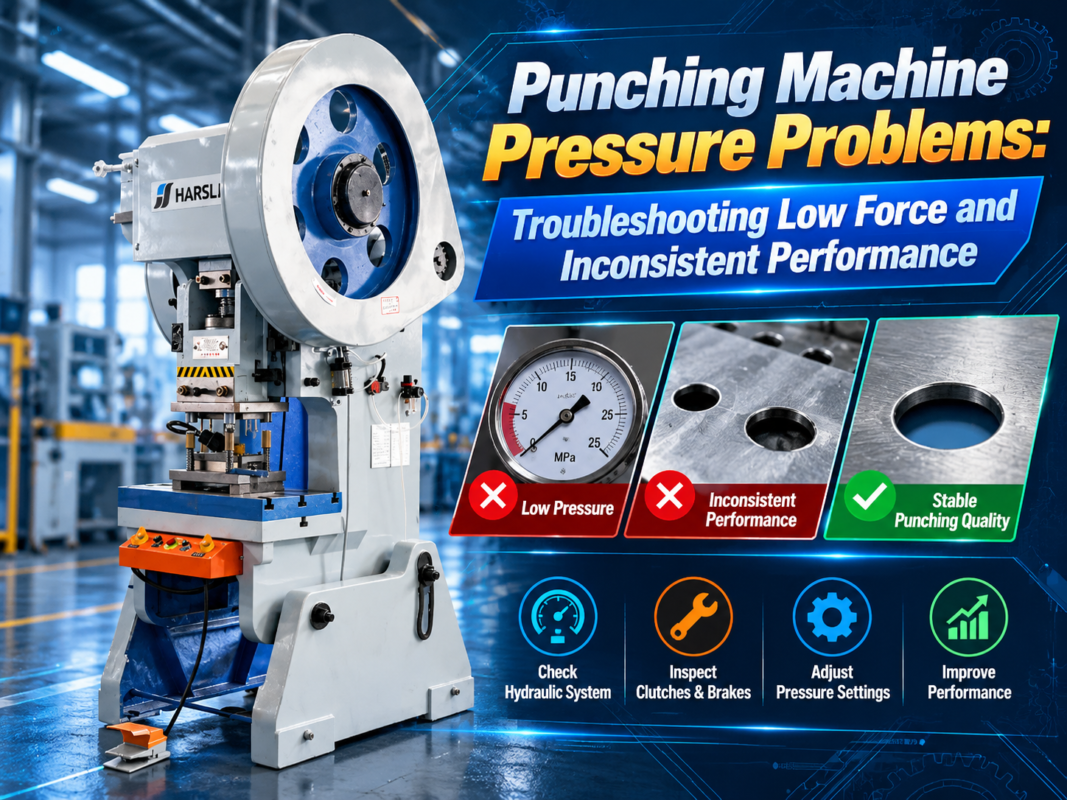
When a press brake begins to act up, it usually provides subtle signals before a total breakdown occurs. Learning to interpret these signals is the essence of troubleshooting press brake issues through better maintenance practices. For example, if you notice that the bend angle is inconsistent across the length of the bed, the issue is likely related to the crowning system or the ram parallelism. Check the hydraulic pressure balance and the condition of the crowning cylinders.
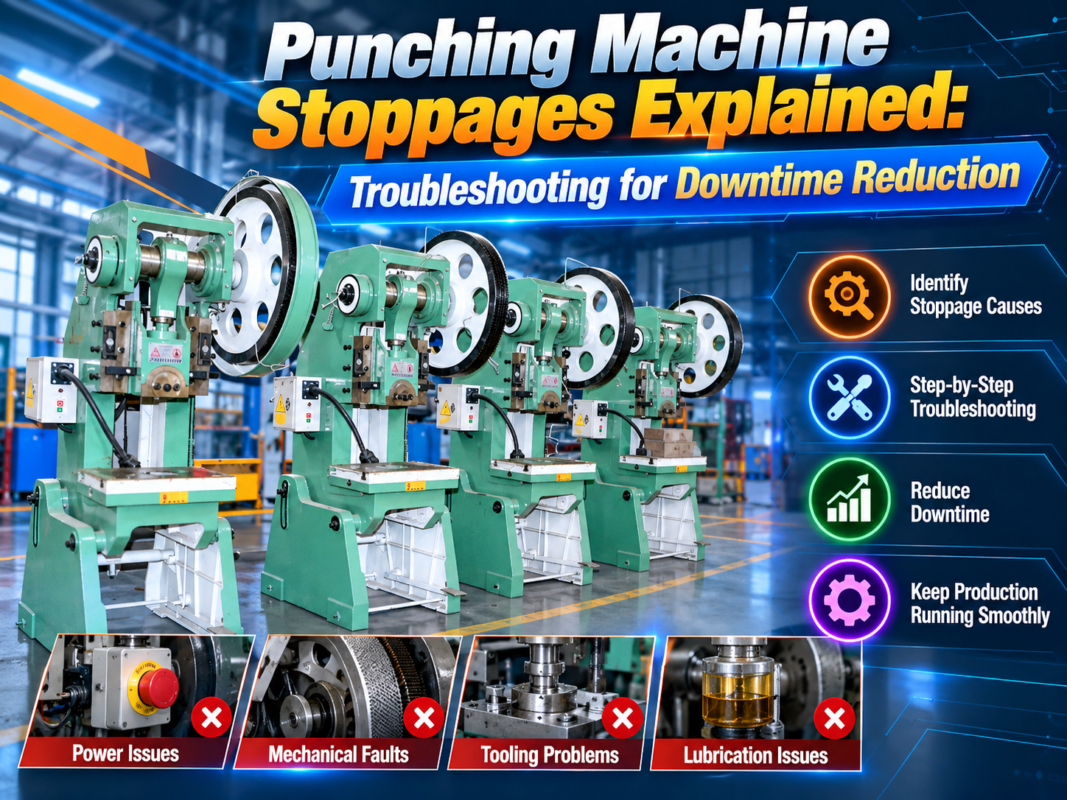
Unusual noises are another red flag. A high-pitched whine from the hydraulic pump often indicates cavitation, which can be caused by a clogged suction filter or low oil levels. A clunking sound during the ram cycle might suggest a loose mechanical connection or a worn bearing in the drive system. Never ignore these sounds; they are the machine’s way of asking for help. Stop the operation, investigate the source, and address the issue immediately.
Error codes on the CNC controller are not just suggestions; they are diagnostic tools. When a code appears, consult the HARSLE troubleshooting manual immediately. Do not attempt to ‘reset’ the machine and continue working without understanding the root cause. Many errors are triggered by safety interlocks or sensor malfunctions that, if ignored, can lead to more severe damage to the controller or the hydraulic valves.
Finally, pay attention to the quality of the parts being produced. If the bend radius is changing or the backgauge is not hitting the target, the machine is telling you that its calibration is drifting. This is often a sign of thermal expansion, mechanical wear, or software drift. By treating these quality issues as maintenance signals rather than just ‘bad parts,’ you can correct the machine’s trajectory and maintain high production standards.
Maintenance Schedule Table
| Frequency | Task | Description |
|---|---|---|
| Daily | Visual Inspection | Check for leaks, debris, and loose tooling. |
| Daily | Safety Check | Test light curtains and emergency stops. |
| Weekly | Lubrication | Grease ram guides and backgauge rails. |
| Monthly | Filter Check | Inspect and clean/replace hydraulic filters. |
| Quarterly | Calibration | Verify backgauge accuracy and ram parallelism. |
| Annually | Full Service | Change hydraulic oil and perform deep system diagnostics. |
Frequently Asked Questions (FAQ)
How often should I change the hydraulic oil in my HARSLE press brake?
Generally, hydraulic oil should be changed every 2,000 to 4,000 operating hours, or once a year, depending on the intensity of use and the environment. Always perform an oil analysis to determine if the fluid has degraded or become contaminated.
What should I do if my press brake is producing inconsistent bend angles?
First, check the tooling for wear or debris. Then, verify the crowning system settings and ensure the ram guides are properly lubricated and adjusted. If the issue persists, check the hydraulic pressure and the backgauge calibration.
Why is my backgauge making a grinding noise?
A grinding noise in the backgauge usually indicates a lack of lubrication on the rails or a buildup of metal dust. Clean the rails thoroughly and apply the recommended lubricant. If the noise continues, check for worn bearings or a misaligned drive screw.
Can I use any grease for my press brake?
No, you must use the specific lubricant grade recommended by HARSLE. Using the wrong type of grease can cause chemical reactions with seals or fail to provide the necessary protection under high-pressure conditions.
How do I know if my light curtains are failing?
If the machine continues to operate when the light curtain beam is interrupted, or if the system displays a ‘safety error’ code, the light curtains are likely failing. This is a critical safety issue and the machine must be taken out of service immediately until the sensors are replaced or realigned.
Is it necessary to keep a maintenance log?
Yes, a maintenance log is essential for tracking the history of your machine. It helps in identifying recurring issues, planning for spare parts, and maintaining the warranty status of your HARSLE equipment.