Dlaczego maszyna dziurkująca jest niezbędna do dziurkowania i formowania


Wstęp
In the fast-paced world of modern manufacturing, efficiency, precision, and versatility are the cornerstones of success. For metal fabrication shops, the ability to process sheet metal rapidly while maintaining high levels of accuracy is non-negotiable. This is precisely why a punching machine is essential for hole punching and forming applications. Whether you are producing complex electrical enclosures, automotive components, or architectural panels, the punching machine serves as a foundational asset that bridges the gap between raw material and finished, high-value parts.
KAVDO understands that the evolution of metal fabrication has shifted toward automation and multi-functional capabilities. A punching machine is no longer just a tool for creating simple holes; it is a sophisticated system capable of intricate forming, embossing, louvering, and tapping. By integrating these processes into a single setup, manufacturers can significantly reduce cycle times and eliminate the need for secondary operations, which often become bottlenecks in production workflows.
The versatility of modern punching technology allows for the processing of various materials, including mild steel, stainless steel, aluminum, and copper. As industries demand tighter tolerances and more complex geometries, the role of the punching machine has expanded. It is now a critical component in lean manufacturing environments where minimizing material waste and maximizing throughput are the primary objectives for maintaining a competitive edge in the global market.
This article explores the technical, operational, and economic reasons why a punching machine is essential for hole punching and forming applications. We will delve into the mechanics of these machines, the benefits of modern CNC integration, and the strategic considerations for selecting the right equipment for your specific fabrication needs. By the end of this guide, you will have a comprehensive understanding of how KAVDO punching solutions can transform your production floor.
Key Considerations for Modern Fabrication
When evaluating the necessity of a punching machine, one must consider the total cost of ownership and the impact on production speed. Traditional methods of hole creation, such as drilling or manual punching, are often labor-intensive and prone to human error. In contrast, a modern punching machine offers repeatability that ensures every part produced is identical to the first, which is vital for assembly-line consistency.
Another key consideration is the flexibility of the tooling system. Modern punching machines utilize turret-based systems that allow for the rapid exchange of tools. This means that a single machine can perform a wide variety of operations—from simple circular holes to complex shapes and forming features—without requiring extensive downtime for retooling. This agility is essential for job shops that handle high-mix, low-volume production runs.
Material utilization is also a major factor. Punching machines are highly efficient at nesting parts on a sheet, which minimizes scrap metal. By optimizing the layout of parts on a sheet, manufacturers can significantly reduce their raw material costs over time. Furthermore, the high-speed nature of these machines ensures that the cost per part remains low, even when accounting for the initial investment in high-quality industrial machinery.
Finally, the integration of software and automation cannot be overlooked. Modern punching machines are equipped with advanced CNC controllers that allow for seamless integration with CAD/CAM software. This digital workflow enables engineers to design parts and generate punching programs with minimal manual intervention, reducing the likelihood of programming errors and accelerating the transition from design to production.
Technical Details of Punching and Forming
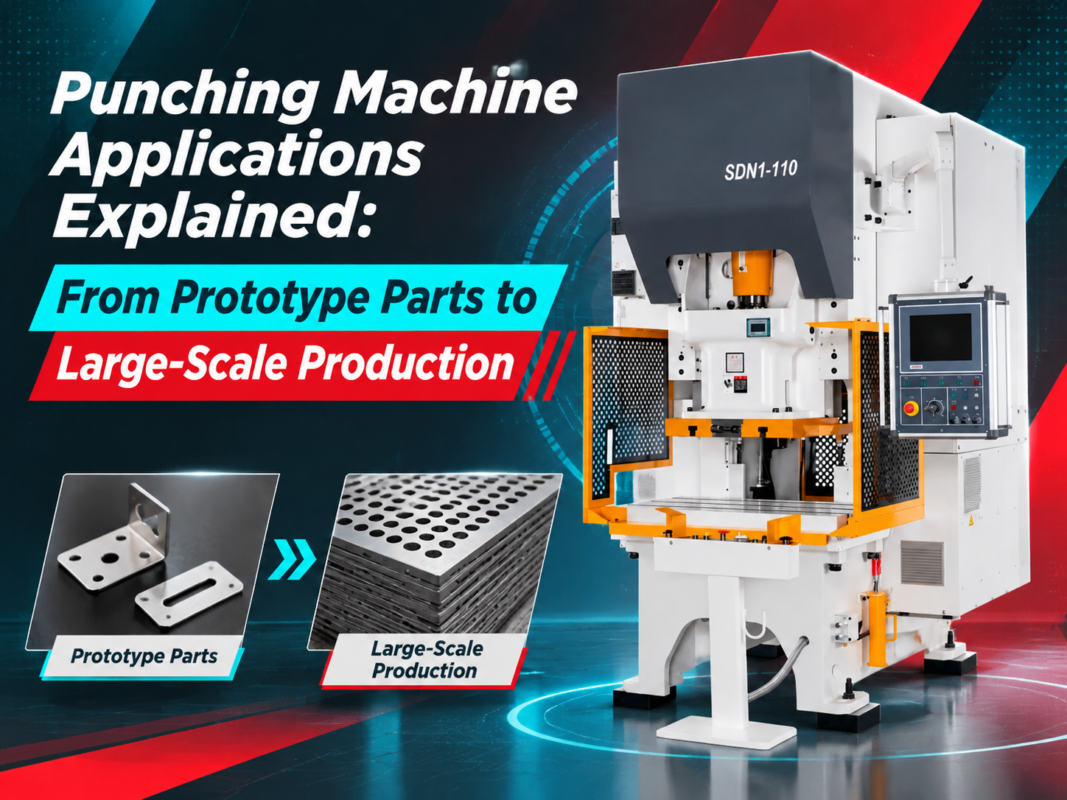
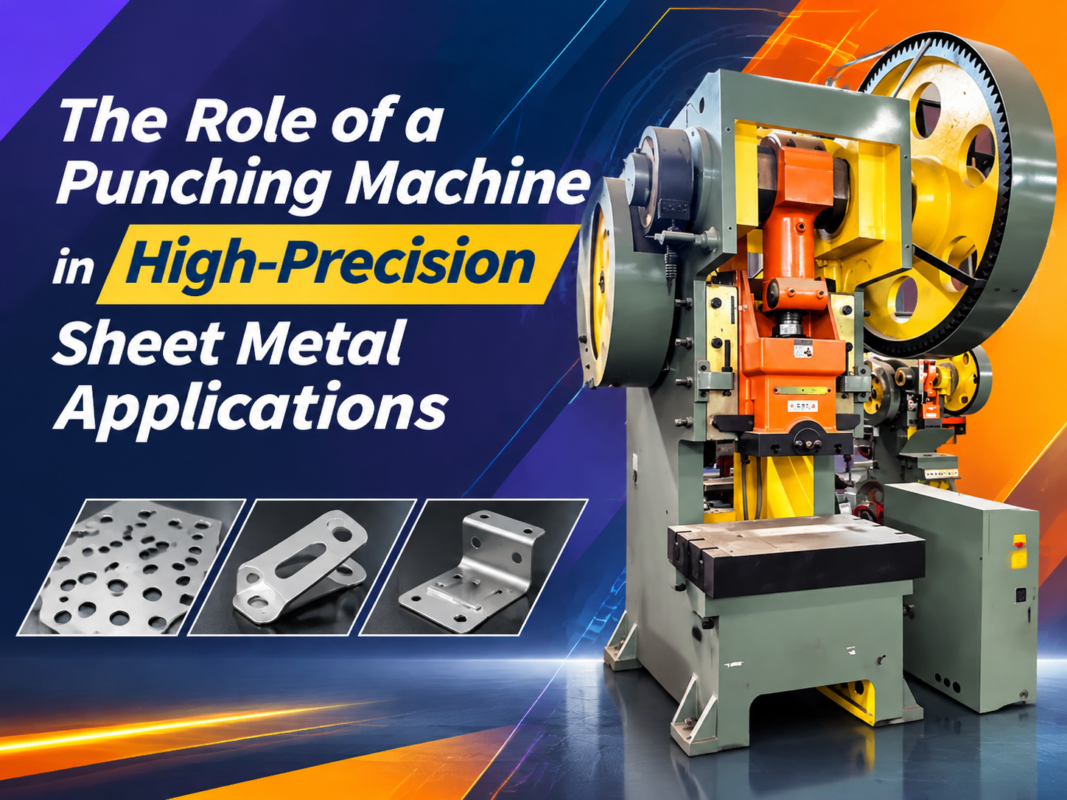
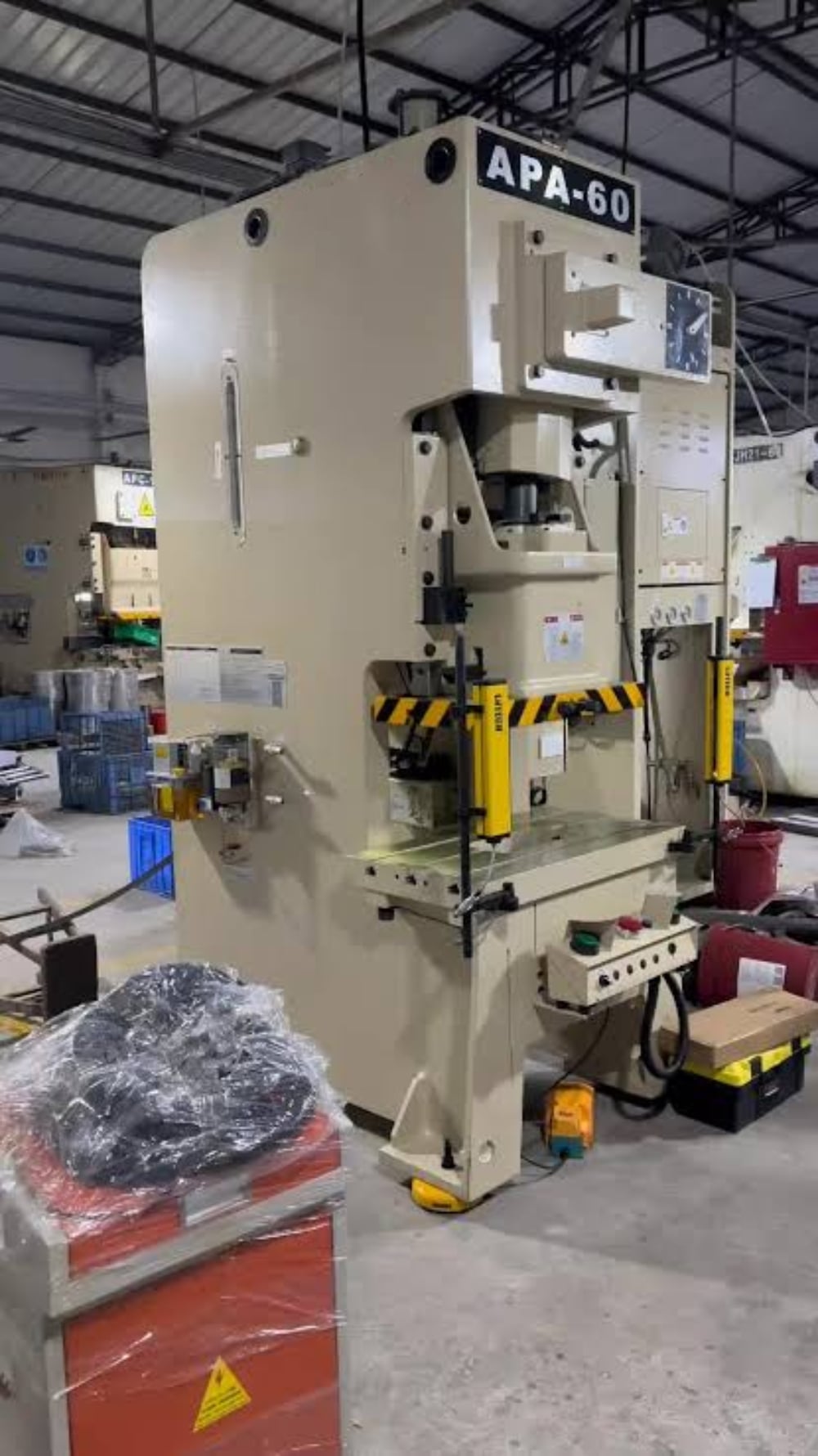
At the heart of why a punching machine is essential for hole punching and forming applications lies the mechanical process of shear and deformation. A punching machine operates by forcing a punch through a sheet of metal into a die. The clearance between the punch and the die is critical; it determines the quality of the hole edge and the amount of force required. KAVDO machines are engineered with precision-ground components to ensure that this clearance is maintained consistently across the entire working area.
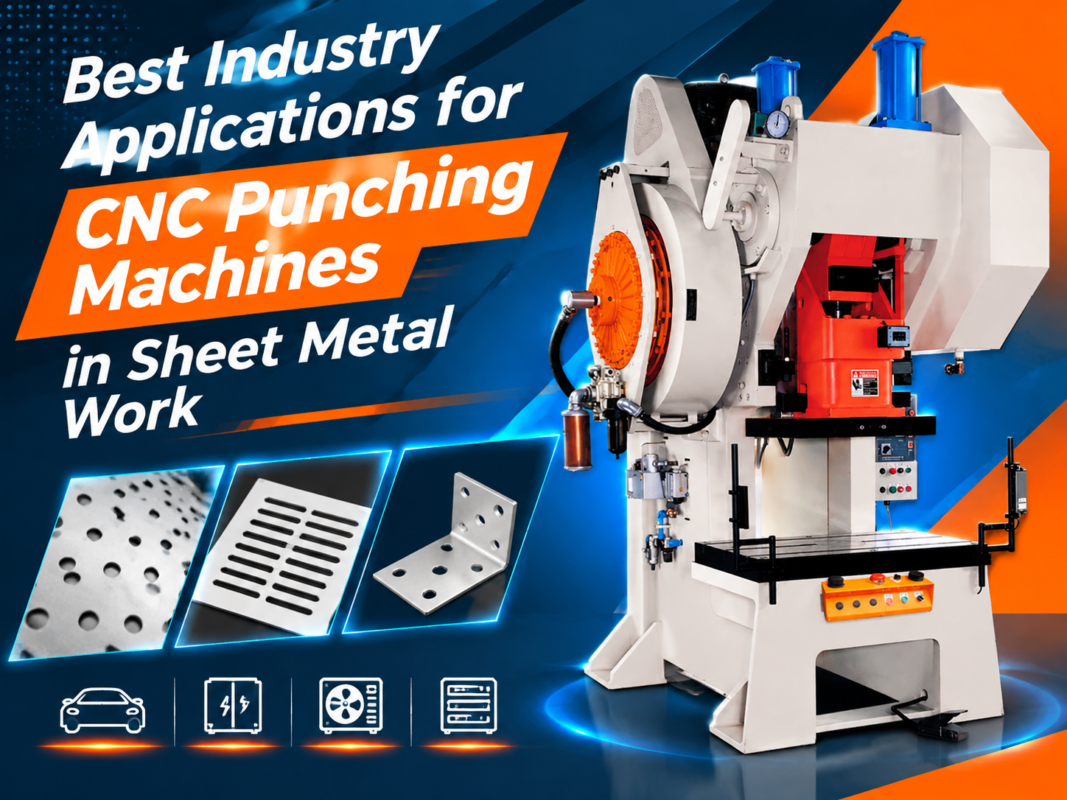
Beyond simple hole punching, forming is where these machines truly shine. Forming operations—such as louvers, bridge lances, countersinks, and embossments—are achieved by using specialized tooling that deforms the metal rather than shearing it. This capability allows for the creation of functional features like ventilation slots or mounting points directly on the punching machine, eliminating the need for separate stamping presses or manual forming tools.
The drive systems of punching machines have evolved significantly. While mechanical presses were once the standard, hydraulic and servo-electric drives have taken over due to their superior control over the ram stroke. Servo-electric punching machines, in particular, offer exceptional energy efficiency and the ability to control the ram position with micron-level accuracy. This level of control is essential for delicate forming operations where the depth of the form must be precise to avoid material tearing or cracking.
Tooling technology has also advanced to support these complex applications. Modern punch tools are often coated with specialized materials to reduce friction and extend tool life. Additionally, quick-change tool holders allow operators to swap tools in seconds. This technical sophistication ensures that the machine remains productive for longer periods, with less maintenance and fewer interruptions, solidifying its status as an essential piece of equipment for any serious fabrication facility.
Selection Advice for Your Facility
Choosing the right punching machine requires a careful assessment of your current and future production requirements. The first step is to analyze the material thickness and sheet size you typically process. A machine that is underpowered for your thickest material will lead to premature wear and poor edge quality, while an oversized machine may result in unnecessary energy consumption and higher capital expenditure.
Consider the number of tool stations required. If your parts involve a high variety of hole sizes and shapes, a turret with a larger number of stations is advisable. This reduces the frequency of tool changes and keeps the machine running longer. Conversely, if your production is focused on a few standard parts, a smaller, more specialized machine might be more cost-effective.
Automation levels should also be a priority. If your shop handles high-volume production, investing in an automatic loading and unloading system can drastically increase your throughput. These systems allow the machine to operate unattended for extended periods, freeing up your skilled operators to focus on other tasks like quality control or machine maintenance. KAVDO offers various levels of automation to suit different budget and production requirements.
Finally, evaluate the support and service provided by the manufacturer. A punching machine is a long-term investment, and having access to reliable technical support, spare parts, and training is crucial. KAVDO prides itself on providing comprehensive after-sales service, ensuring that your machine remains operational and productive throughout its entire lifecycle. Always ask about the availability of local technicians and the ease of sourcing replacement parts before making your final decision.
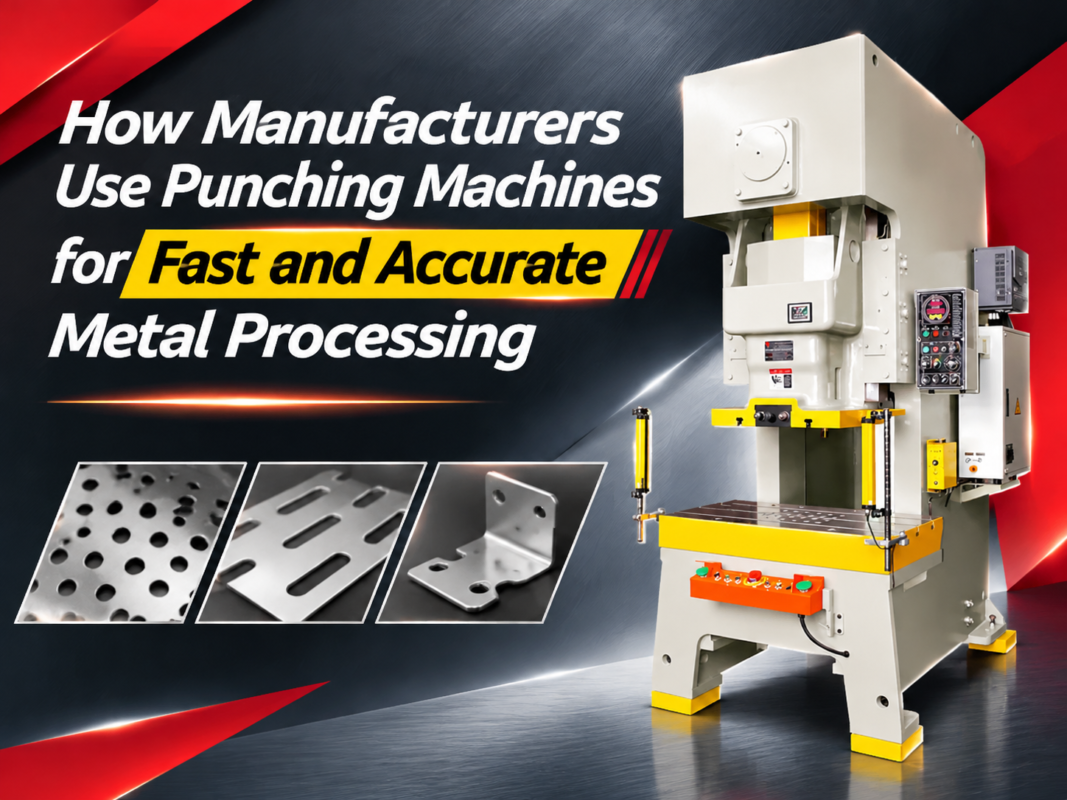
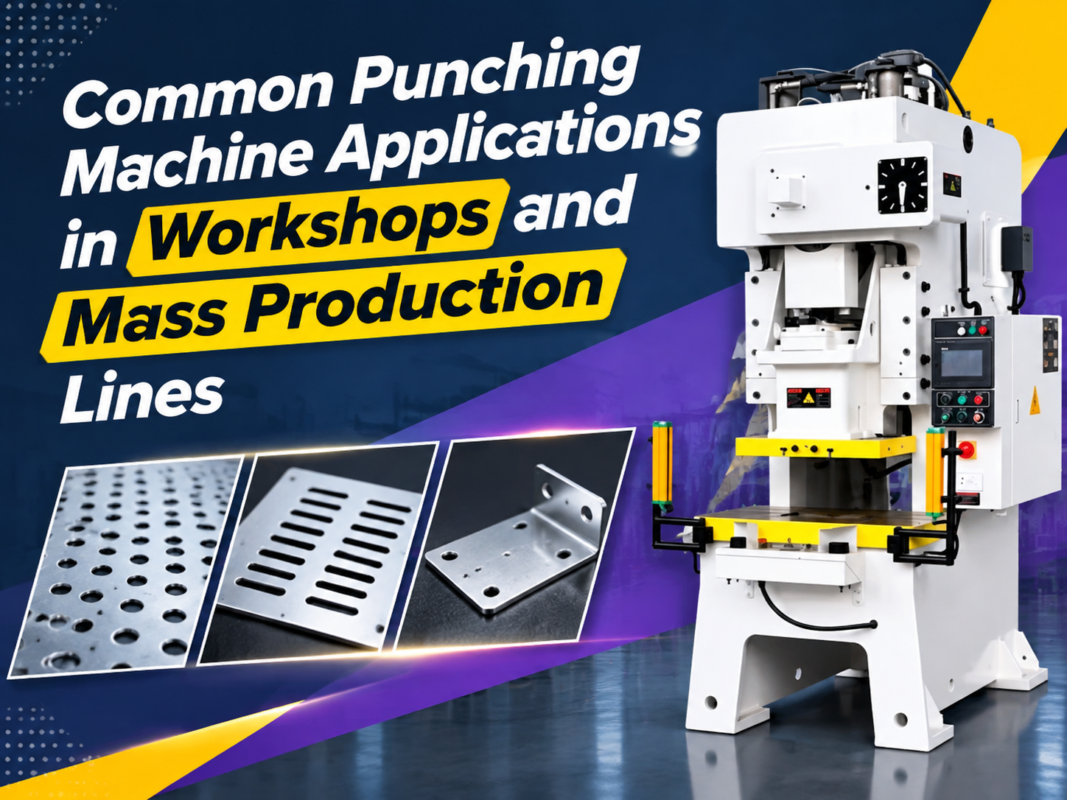
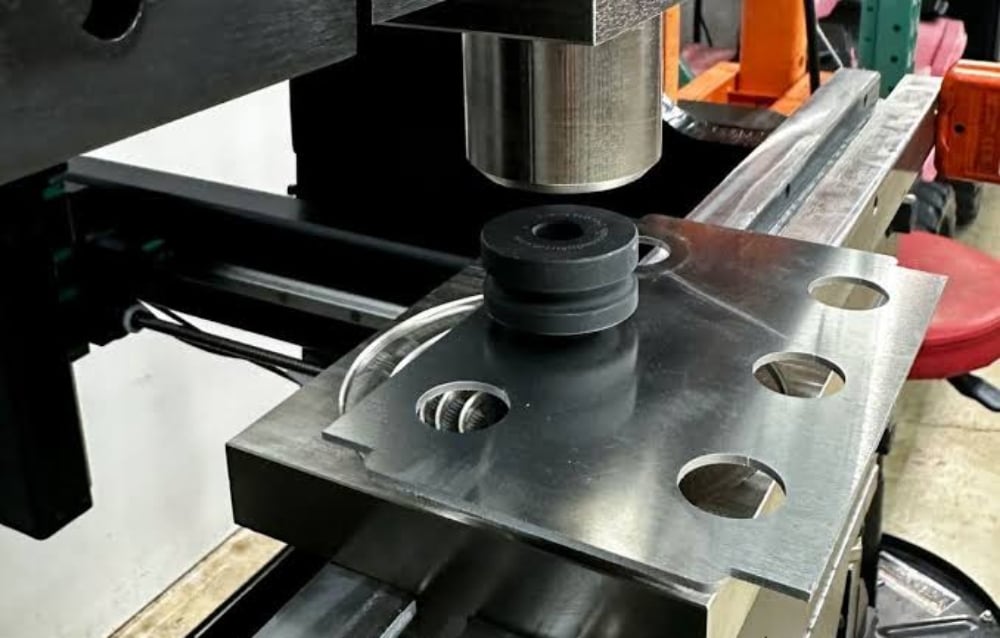
Compare punched openings and formed features on one part
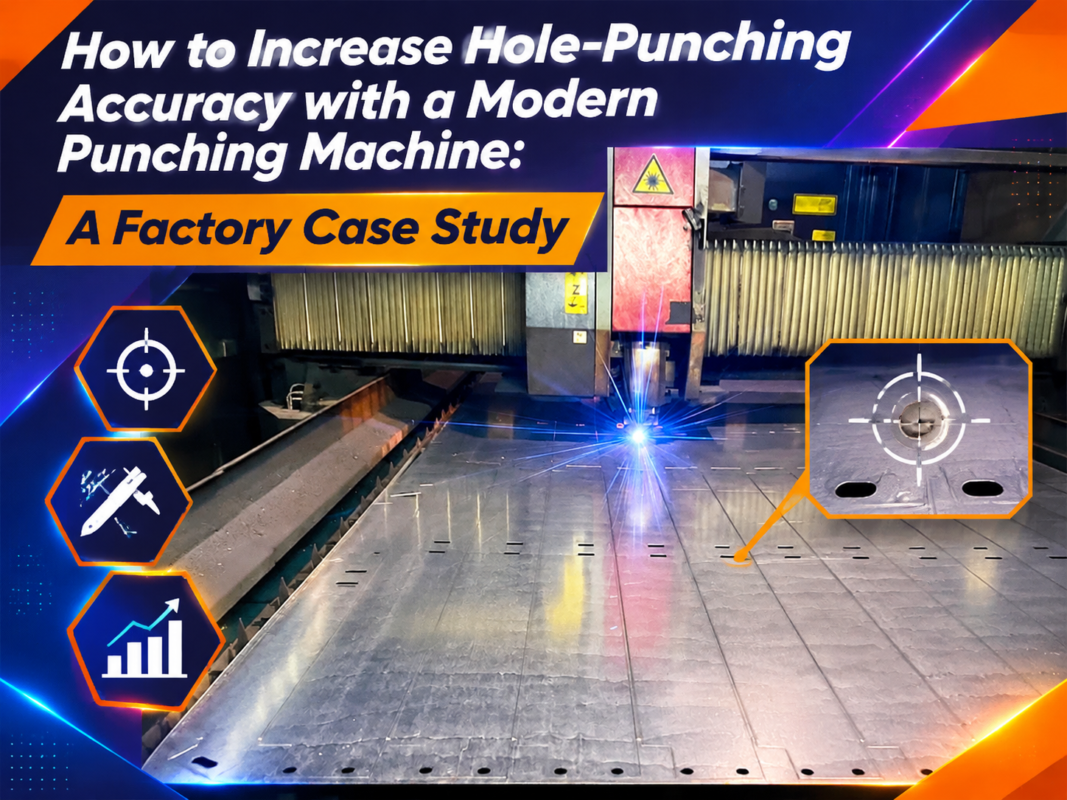
Check the hole pattern and any louvers, countersinks or formed features required by the drawing. Capture the tool sequence and finished feature dimensions, and confirm fit at the next assembly step.
FAQ
- Why is a punching machine better than a laser cutter for some applications? While laser cutters are excellent for complex contours, punching machines are significantly faster for creating large numbers of holes and are superior for forming operations like louvers and embossments.
- What materials can be processed on a KAVDO punching machine? Our machines can handle a wide range of materials including mild steel, stainless steel, aluminum, copper, and brass, provided they are within the machine’s rated tonnage and thickness capacity.
- How often does a punching machine require maintenance? Regular maintenance, such as lubricating moving parts, checking hydraulic fluid levels, and inspecting tooling, should be performed according to the manufacturer’s schedule to ensure longevity and precision.
- Can I integrate a punching machine into an automated production line? Yes, modern punching machines are designed to be integrated with loading/unloading robots and other material handling systems to create fully automated production cells.
- What is the advantage of servo-electric drives? Servo-electric drives offer higher energy efficiency, lower noise levels, and more precise control over the ram stroke compared to traditional hydraulic or mechanical systems.
Wniosek
In summary, the question of why a punching machine is essential for hole punching and forming applications is answered by the machine’s unique ability to combine speed, precision, and versatility. By consolidating multiple fabrication steps into one, these machines provide a clear path to increased productivity and reduced operational costs. Whether you are a small job shop or a large-scale manufacturer, the investment in a high-quality punching machine is a strategic move that pays dividends in part quality and throughput.
KAVDO remains committed to providing the industry with robust, reliable, and technologically advanced punching solutions. We understand the challenges of modern metal fabrication and strive to equip our customers with the tools they need to succeed in a competitive landscape. From the initial consultation to long-term maintenance support, we are here to ensure that your punching machine becomes the backbone of your production floor.
As you look to upgrade your fabrication capabilities, consider the long-term benefits of integrating a modern punching machine. The ability to perform complex forming, rapid hole punching, and efficient material utilization will not only improve your bottom line but also expand the range of products you can offer to your clients. Contact KAVDO today to learn more about our range of punching machines and how we can help you optimize your manufacturing processes.